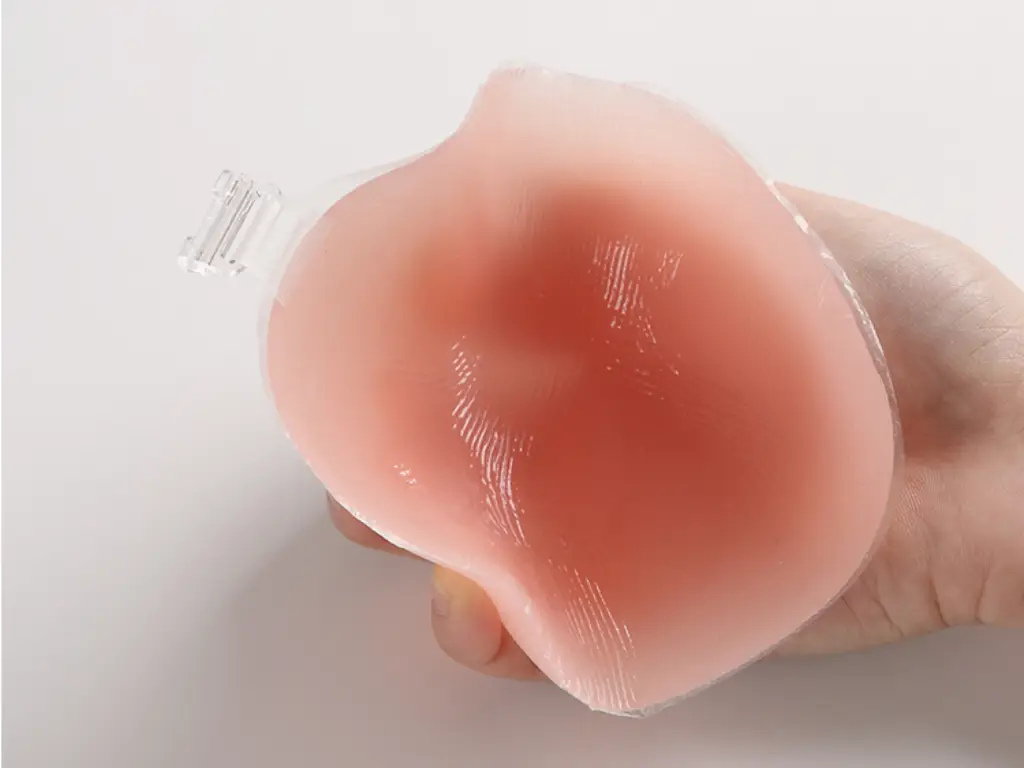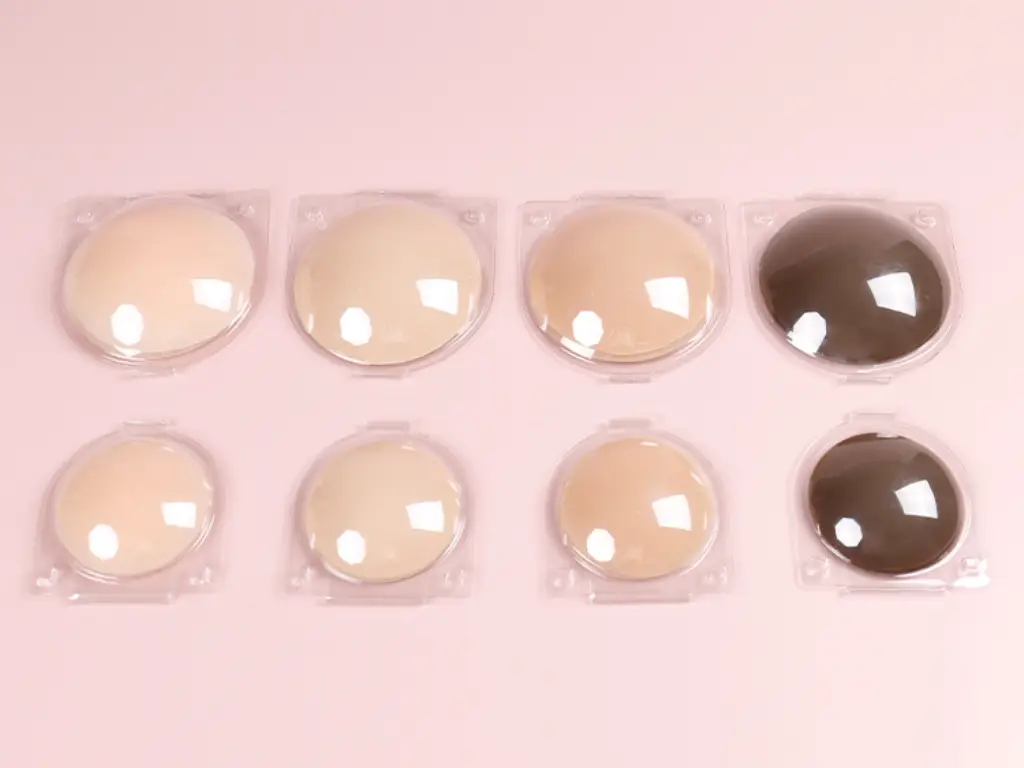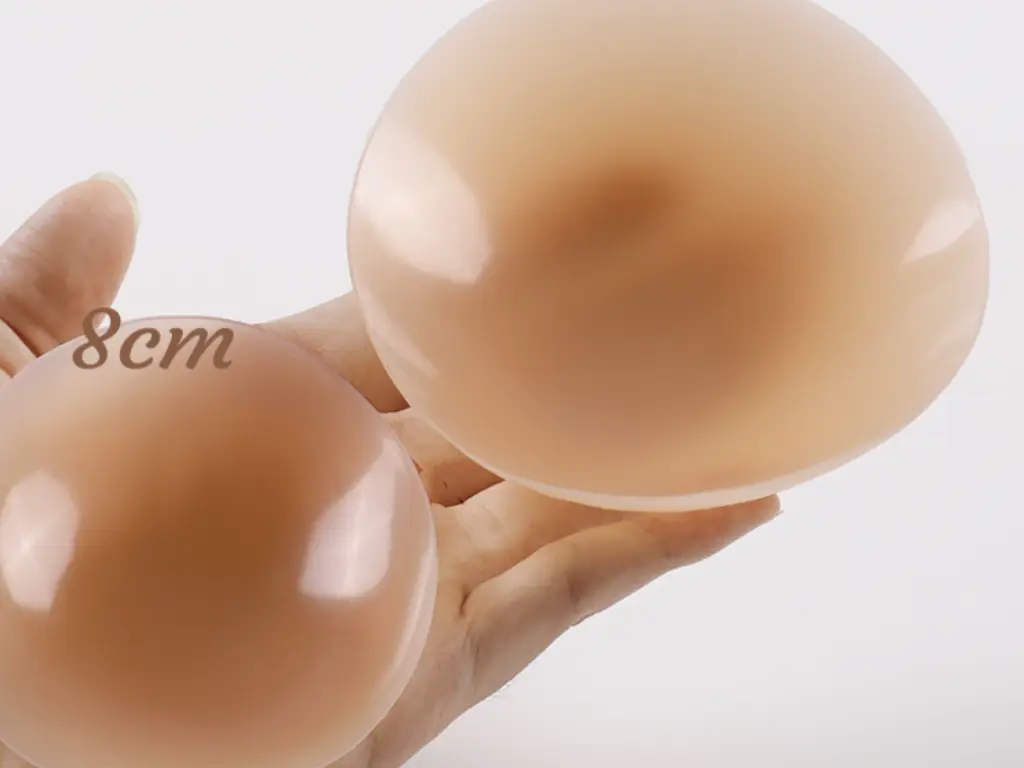
فطائر اللحم المقاومة للماء تحمي من الالتهابات الخارقة وتلف الجلد أثناء السباحة. لماركات ملابس السباحة, يعد اختيار الأغطية الموثوقة التي تتحمل الكلور والمياه المالحة أمرًا حيويًا للحفاظ على سمعة العلامة التجارية.
يتناول هذا الدليل علم المواد وراء الالتصاق المقاوم للماء, يقارن بين مركبات السيليكون والنسيج, ويسلط الضوء على مزايا المراكز غير اللاصقة للحماية من الثقب. ويغطي أيضًا تقنيات التطبيق المناسبة لإغلاق آمن وإزالة آمنة بعد التعرض للماء لتجنب تهيج الجلد.
علم الالتصاق المقاوم للماء
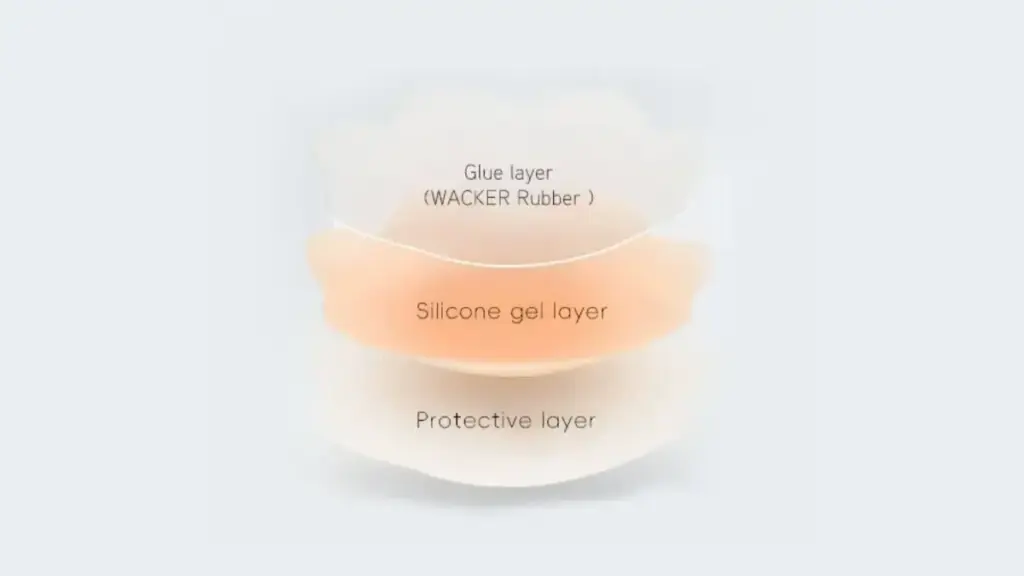
تعتمد المادة اللاصقة المقاومة للماء المستخدمة في فطائر اللحم على الجودة العالية, سيليكون آمن على البشرة يخلق رابطة قوية دون التسبب في تهيج. لدينا لاصق السيليكون, مصنوعة من مواد طبية معتمدة من الاتحاد الأوروبي من Wacker, تم تصميمه خصيصًا للسلامة والراحة في التطبيقات الحميمة.
التنشيط الميكانيكي الكيميائي
يحتوي هذا اللاصق على كبسولات دقيقة يتم تنشيطها بالضغط والتي تطلق عوامل الترابط عند تطبيق الضغط. وهذا يضمن رابطة آمنة وطويلة الأمد, حتى في البيئات الرطبة مثل حمامات السباحة أو أثناء السباحة, تحقيق التصاق الأمثل في فقط 60 ثواني.
مواد لاصقة يتم التحكم في ترطيبها
يتميز لاصق السيليكون أيضًا بتصميم مستجيب للرطوبة, مما يسمح لها بالحفاظ على سلامة روابطها على الرغم من تعرضها للماء. تم تصميم المادة اللاصقة للتعامل مع المياه المالحة والظروف المكلورة, منع اختراق المياه وضمان الموثوقية في ظل الظروف القاسية.
التصاق المحاكاة الحيوية
مستوحاة من الطبيعة, تحاكي المادة اللاصقة خصائص الترابط لبروتينات بلح البحر, توفير قوية, رابطة مستقرة تحت الماء. تضمن هذه التقنية المبتكرة بقاء أغطية الحلمة في مكانها بشكل آمن دون إزعاج أو تهيج, حتى أثناء التآكل الممتد.
السيليكون مقابل. قماش: ما هو الأفضل لحمامات السباحة?
بينما توفر أغطية الحلمات المقاومة للماء حماية موثوقة, يمكن أن تختلف الراحة والأداء بشكل كبير اعتمادًا على ما إذا كانت المادة من السيليكون أو القماش, خاصة عند تعرضها للماء.
أغطية الحلمة من السيليكون
- ضد للماء & متين: يوفر السيليكون قوة, ختم طويل الأمد ضد الماء, مما يجعلها مثالية لاستخدام حمام السباحة. يقاوم الكلور والمياه المالحة, الحفاظ على النزاهة مع مرور الوقت.
- المرونة: المادة تتكيف مع شكل الجسم, ضمان ملاءمة مريحة ومنع التسرب أثناء السباحة.
- مقاومة الحرارة: يمكن للسيليكون أن يتحمل درجات الحرارة العالية, مما يجعلها مناسبة لكل من أحواض المياه الساخنة وحمامات السباحة.
- سهل التنظيف: أغطية السيليكون سهلة الغسل والصيانة, ضمان النظافة بأقل جهد.
أغطية الحلمة من القماش
- خفيف الوزن & مريح: أغطية الحلمة القماشية قابلة للتنفس, توفر الراحة للارتداء لفترات طويلة.
- امتصاص الماء: على عكس السيليكون, قد يمتص القماش الماء, والتي يمكن أن تؤثر على قدراتها المقاومة للماء بعد التعرض للرطوبة لفترة طويلة.
- متانة محدودة: بينما القماش مناسب للاستخدام على المدى القصير, فهو ليس مقاومًا للمواد الكيميائية والماء مثل السيليكون, مما يؤدي إلى تآكل أسرع.
- متنوع القدرات: غالبًا ما تكون أغطية القماش أكثر نعومة وأقل وضوحًا, مما يجعلها مثالية للمناسبات غير الرسمية, مناسبات الاستخدام الجاف.
ارفع مستوى علامتك التجارية من خلال تصميمات حاصلة على براءة اختراع
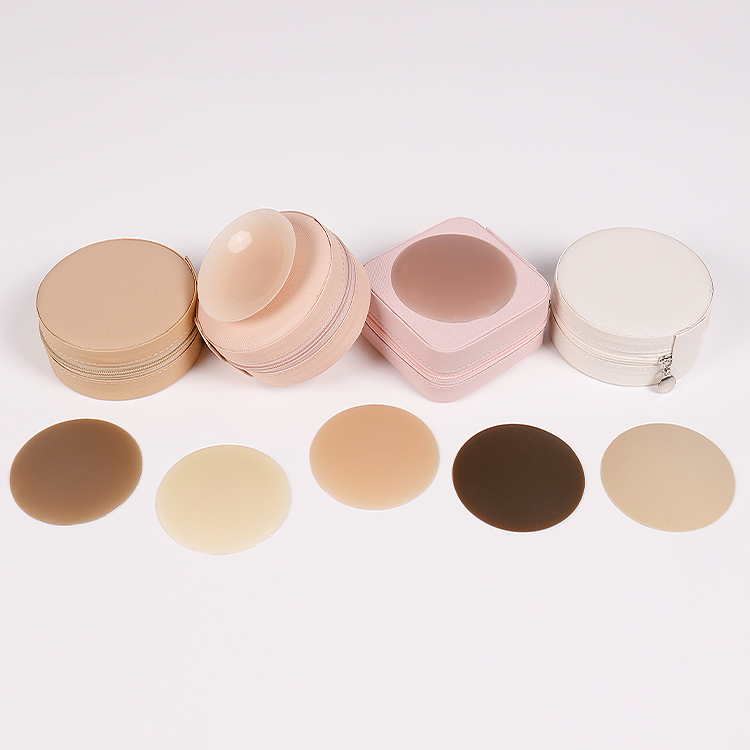
حماية الثقب: مركز التقنية غير لاصقة
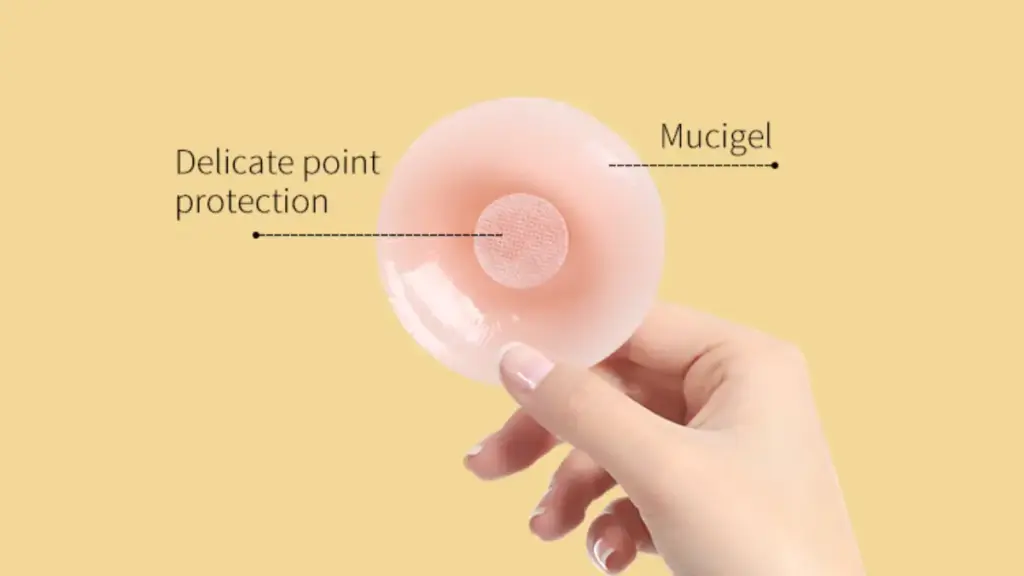
للأفراد الذين يعانون من الثقب, تعد حماية المنطقة الحساسة مع الحفاظ على الأداء المقاوم للماء أمرًا بالغ الأهمية. تشتمل أحدث التطورات في تكنولوجيا المواد اللاصقة الآن على مراكز غير لاصقة تمنع التهيج حول الثقب, ضمان الراحة والأمان.
تصميم مركز غير لاصق
تتميز أغطية الحلمة هذه بوجود مركزي, منطقة غير لاصقة تقع مباشرة فوق الثقب, منع الاتصال المباشر مع المادة اللاصقة. هذه التكنولوجيا مفيدة بشكل خاص للأفراد الذين لديهم ثقوب جديدة أو حساسة, يوفر الحماية دون المساس بوظيفة الغطاء المقاومة للماء.
ربط آمن حول الحواف
بينما يظل المركز غير لاصق, يستخدم محيط الغطاء لاصق سيليكون عالي الجودة لضمان رابطة قوية وموثوقة بالجلد. يسمح هذا التصميم بملاءمة آمنة تبقى في مكانها أثناء السباحة أو الارتداء اليومي, حتى في الظروف الصعبة مثل المياه المالحة أو الكلور.
مقاوم للماء وآمن على البشرة
المادة اللاصقة المستخدمة في المحيط صديقة للبشرة ومصممة للاستخدام في التطبيقات الحميمة. يلتصق بشكل آمن مع الحفاظ على الراحة, التأكد من حماية المناطق الحساسة مثل الثقب من التهيج والعدوى. مع هذه التقنية المبتكرة للمركز غير اللاصق, يمكن للمستخدمين الاستمتاع بفوائد الأغطية المقاومة للماء دون المساس بسلامة الجلد.
معايير مقاومة الكلور والمياه المالحة
لضمان أداء موثوق به في حمامات السباحة والمحيطات, تم تصميم فطائر اللحم المقاومة للماء لتلبية معايير مقاومة الكلور والمياه المالحة الصارمة. تحافظ هذه المواد اللاصقة المتقدمة على روابط قوية حتى في البيئات المائية القاسية.
مقاومة الكلور
يمكن للكلور الموجود في حمامات السباحة أن يضعف المواد اللاصقة التقليدية, مما يؤدي إلى الفشل مع مرور الوقت. لكن, تم تصميم المواد اللاصقة الحديثة لتحمل التعرض للكلور, الحفاظ على سلامة السندات الخاصة بهم. باستخدام مواد كارهة للماء وعوامل ربط متخصصة, هذه المواد اللاصقة تقاوم التحلل الكيميائي, ضمان أداء طويل الأمد في حمامات السباحة.
مقاومة المياه المالحة
من المعروف أن المياه المالحة قاسية على المواد, وخاصة المواد اللاصقة. يتم تصنيع المواد اللاصقة المتقدمة المقاومة للماء بخصائص مقاومة للمياه المالحة, منع تغلغل المياه وضمان رابطة آمنة حتى في البيئات عالية الملوحة. هذا أمر بالغ الأهمية لمنع التخفيف أو التهيج, مما يسمح لأغطية الحلمة بالبقاء في مكانها أثناء السباحة في المحيط.
المتانة في ظل الظروف القاسية
تم تصميم هذه المواد اللاصقة لتتحمل ظروف درجة الحموضة العالية والملوحة العالية, توفر متانة فائقة مقارنة بالمواد اللاصقة القياسية. والنتيجة هي محلول مقاوم للماء يعمل بشكل موثوق في حمامات السباحة المكلورة وبيئات المياه المالحة.
كيفية التقدم بطلب للحصول 100% سلامة الختم
تحقيق أ 100% يتطلب الختم المقاوم للماء طريقة التطبيق الصحيحة وتقنية اللصق المصممة للعمل في الظروف الرطبة. إليك كيفية ضمان الختم المثالي في كل مرة.
التنشيط الميكانيكي الكيميائي للمعالجة الفورية
تتميز المادة اللاصقة بكبسولات دقيقة ميكانيكية الاستجابة والتي تطلق عوامل الترابط عند تطبيق الضغط. وهذا يؤدي إلى تفاعل كيميائي فوري, مما يسمح للمادة اللاصقة بالمعالجة مغمورة بالكامل في الماء فقط 60 ثواني. تضمن هذه التقنية رابطة آمنة وموثوقة, حتى على الأسطح الصعبة مثل المعدن غير المعالج, زجاج, أو البلاستيك.
التحكم في تسرب المياه باستخدام أشرطة مقاومة للماء
تقوم الأشرطة المتخصصة بإدارة المياه في واجهة الترابط عن طريق الحد من الاختراق إلى الأعماق المجهرية. يعمل هذا الترطيب المتحكم فيه على تنشيط عوامل ربط المادة اللاصقة بينما تمنع المجالات النانوية الكارهة للماء من التحلل. والنتيجة هي رابطة متينة تقاوم الماء وتبقى سليمة في الظروف القاسية, بما في ذلك ارتفاع الرقم الهيدروجيني وبيئات المياه المالحة.
تطبيق دقيق لأقصى قدر من الالتصاق
يعد التطبيق السليم للمادة اللاصقة أمرًا ضروريًا لتحقيق سلامة الختم الكاملة. من خلال ضمان حتى, تطبيق حازم, يمكن للمستخدمين إنشاء 100% ختم, منع تسرب المياه وضمان حماية طويلة الأمد ضد الماء.
إزالة آمنة بعد التعرض للماء
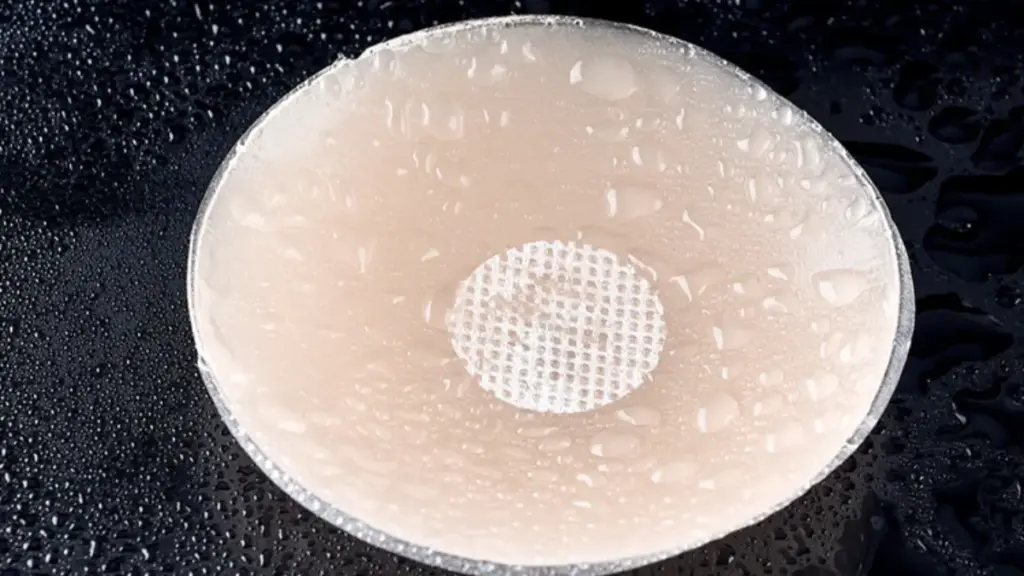
تعد الإزالة الصحيحة لأغطية الحلمة المقاومة للماء أمرًا ضروريًا لمنع التهيج أو الإصابة, خاصة حول المناطق الحساسة مثل الثقب.
- تقشير لطيف
عند إزالة غطاء الحلمة, تجنب السحب بقوة. ابدأ من الحواف وقشرها بلطف لتقليل الضغط على الجلد والثقب. - تجنب المواد الكيميائية القاسية
لا تستخدم المذيبات أو المواد الكيميائية القاسية لإزالة المادة اللاصقة. هذه يمكن أن تهيج الجلد والثقب. بدلاً من, استخدمي الماء الدافئ أو منظف لطيف آمن على البشرة لتفكيك المادة اللاصقة. - تنظيف البشرة
بعد الإزالة, تنظيف المنطقة مع معتدل, منظف غير مهيج لإزالة أي بقايا لاصقة متبقية. يساعد ذلك على منع تهيج الجلد ويضمن بقاء الثقب آمنًا. - بات جافًا ورطبًا
بمجرد إزالتها وتنظيفها, جففي المنطقة بمنشفة ناعمة ثم ضعي مرطبًا لطيفًا أو بلسمًا علاجيًا آمنًا للثقب للحفاظ على صحة الجلد..
شينكي مقاوم للماء أغطية الحلمة
أغطية الحلمات المقاومة للماء من Xinke مصنوعة بجودة عالية, سيليكون Wacker المعتمد من الاتحاد الأوروبي, معروف بسلامته وخصائصه المضادة للحساسية. يستخدم هذا السيليكون على نطاق واسع في الطعام, الصيدلانية, والصناعات الطبية, ضمان توافق الجلد والسلامة البيئية.
- جودة سيليكون فائقة
نحن نستخدم سيليكون Wacker الفاخر, مما يوفر قوة لاصقة طويلة الأمد تبقى سليمة حتى بعد التعرض للماء لفترة طويلة. هذه المادة تقاوم التحلل الناتج عن المياه المالحة أو الكلور, الحفاظ على متانته مع مرور الوقت.
- تكنولوجيا التصنيع المتقدمة
تستخدم Xinke خطوط إنتاج أوتوماتيكية بالكامل لأنماطنا الشائعة, تعزيز كبير في كل من القدرة الإنتاجية واتساق الجودة. يقدم مصنعنا مجموعة واسعة من المنتجات, بما في ذلك خيارات السيليكون السائل والصلب, ضمان تنوع التطبيقات المختلفة.
- مجموعة المنتجات الشاملة
بالإضافة إلى أغطية حلمة السيليكون, تنتج Xinke مجموعة واسعة من الملحقات ذات الصلة, مثل الأغطية المصنوعة من القماش, لتلبية احتياجات العملاء المتنوعة. هذه المجموعة الواسعة تجعلنا حلاً شاملاً للملحقات المقاومة للماء عالية الأداء.
خاتمة
غطاء حلمة مقاوم للماء عالي الجودة يجمع بين الالتصاق القوي, مواد صديقة للبشرة, والتطبيق السليم لأداء موثوق. فهم كيفية السيليكون, أفلام تي بي يو, وتعمل المراكز غير اللاصقة في بيئات الكلور والمياه المالحة لضمان السلامة والمتانة.
للعلامات التجارية لملابس السباحة التي تتطلع إلى رفع مستوى منتجاتها, شينكييقدم أداءً وموثوقية فائقين. اتصل بفريقنا اليوم للحصول على مواصفات المواد ومعرفة كيف يمكن لحلولنا أن تعزز عروض علامتك التجارية.
الأسئلة المتداولة
هل يمكنك ارتداء أغطية الحلمة في حوض الاستحمام الساخن؟?
نعم, اعتمادا على تقنية الغراء. غالبًا ما تفشل المواد اللاصقة التقليدية عند غمرها بسبب اختراق الماء. لكن, تم تصميم المواد اللاصقة المتقدمة المستوحاة من بروتينات بلح البحر أو تلك التي تستخدم التنشيط الكيميائي الميكانيكي خصيصًا للتطبيقات تحت الماء, تحقيق قوي, روابط مستقرة في البيئات الرطبة مثل حوض الاستحمام الساخن.
كيفية تغطية ثقب الحلمة للسباحة بأمان?
يركز محتوى البحث المقدم على كيمياء الالتصاق المقاوم للماء على الأسطح مثل المعدن والبلاستيك, ولكنها لا تحتوي على معلومات بخصوص التطبيق على الثقب أو بروتوكولات السلامة المحددة للسباحة.
هل تؤدي المياه المالحة إلى تحلل مادة لاصقة السيليكون؟?
بينما لم يحدد البحث “سيليكون,” ويؤكد أنه يمكن تصميم المواد اللاصقة المتقدمة لمقاومة المياه المالحة. أظهرت الأنظمة المصممة باستخدام مجالات نانوية كارهة للماء لإدارة تغلغل المياه ثباتًا عاليًا في الظروف المالحة, مما يشير إلى أن المواد اللاصقة الحديثة المقاومة للماء يمكن أن تكون قادرة على مقاومة تدهور المياه المالحة.
أفضل طريقة لتجفيف الأغطية بعد السباحة?
تشرح البيانات البحثية المقدمة تفاصيل علم تطبيق المواد اللاصقة تحت الماء وقوة الترابط ولكنها لا تتضمن معلومات عن طرق العناية بعد الاستخدام أو طرق تجفيف المنتجات اللاصقة.
هل فطائر اللحم المقاومة للماء هيبوالرجينيك?
يركز البحث المقدم على الخواص الكيميائية والميكانيكية للمواد اللاصقة المقاومة للماء (على سبيل المثال, البوليوريا, المحفزات, بوليمرات الكاتيكول) ولكنها لا تحتوي على أي بيانات تتعلق بخصائصها المضادة للحساسية أو توافقها الحيوي مع الجلد.
إلى متى يمكنهم البقاء مغمورين?
تعتمد مدة الغمر بشكل كامل على تقنية اللصق. بينما تفشل المواد اللاصقة التقليدية بسرعة, تم تصميم المواد اللاصقة المحاكاة الحيوية والكيميائية الميكانيكية المتقدمة لإنشاء مستقر, رابطة عالية القوة تتحمل الغمر لفترة طويلة دون أن تتحلل.