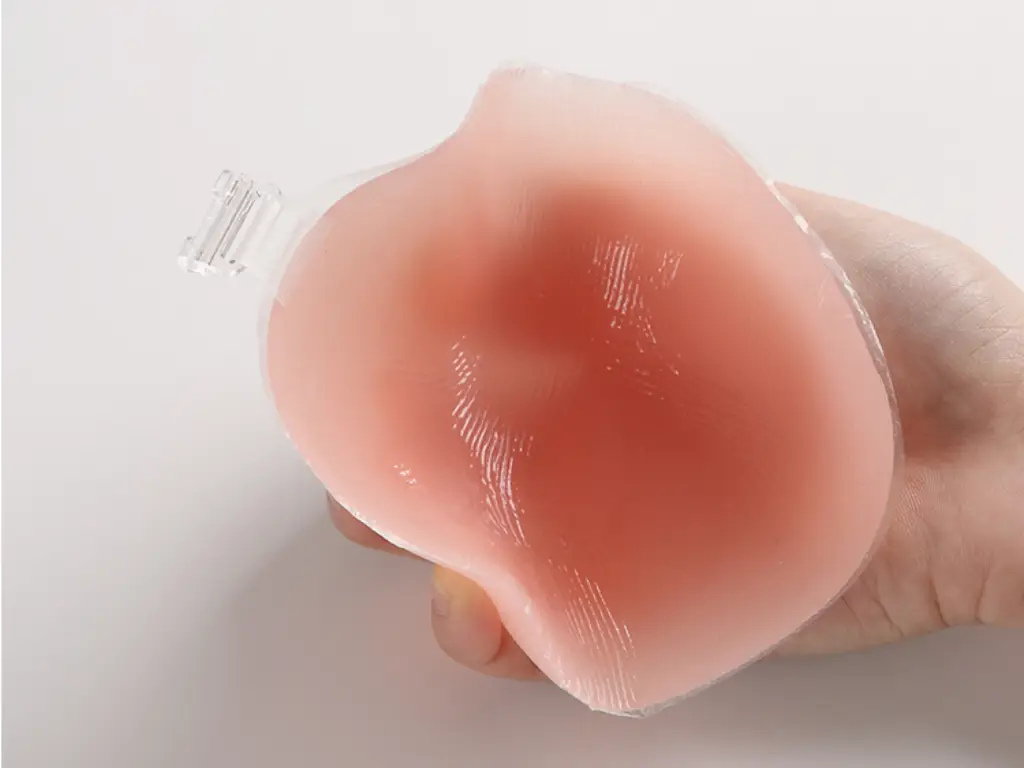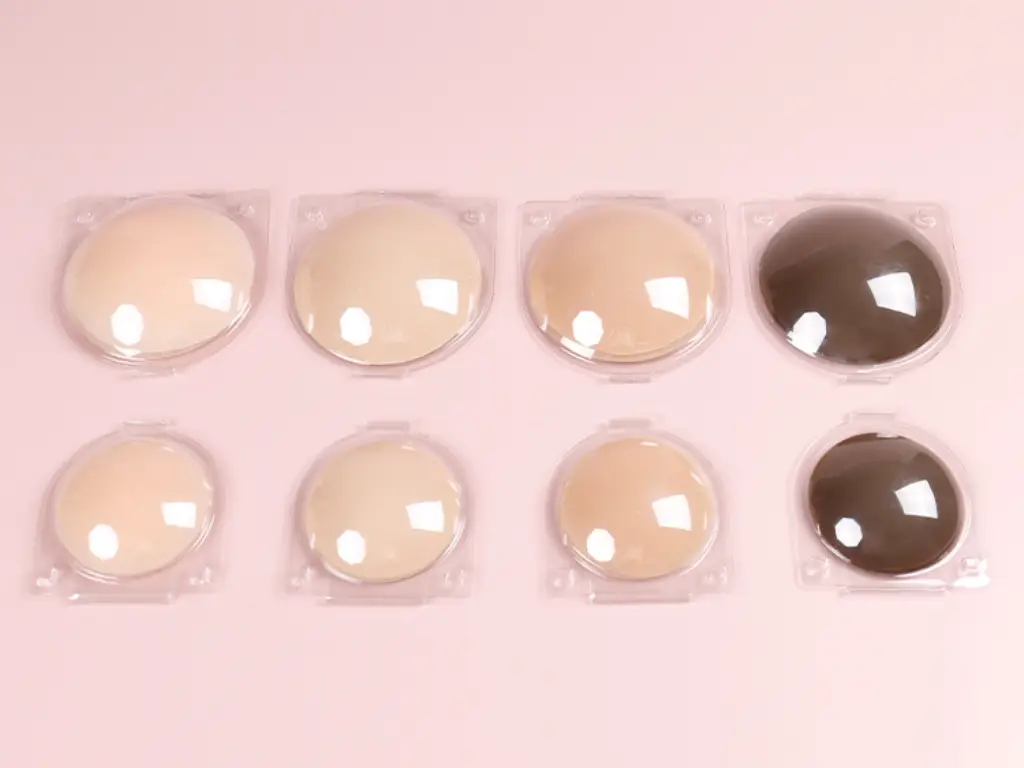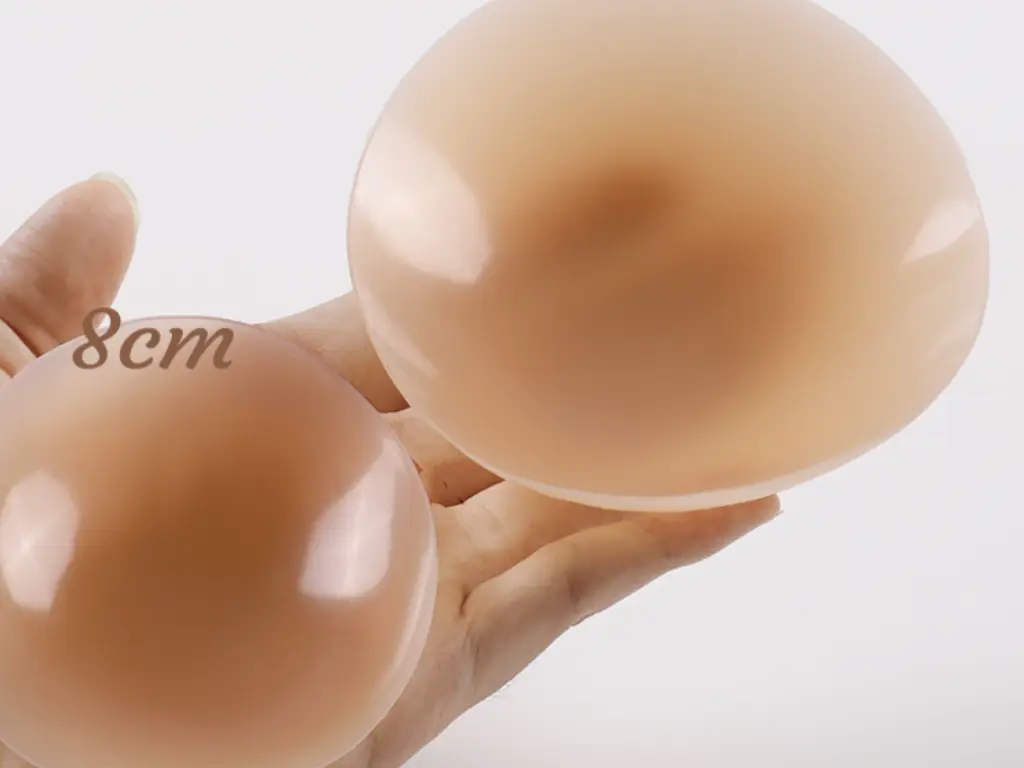
Effective product maintenance ensures the durability of reusable silicone covers, extending their life to 50+ Verwendung. Premature adhesive failure often results from improper cleaning rather than manufacturing defects. Oil-based soaps and abrasive drying methods degrade medical-grade adhesive, leading to customer complaints.
This guide provides a step-by-step procedure for washing, drying, and storing skin-friendly nipple covers, emphasizing oil-free cleansers and proper air-drying to maintain adhesive performance. By following these protocols, you can protect the adhesive surface and ensure long-lasting durability.
Why Proper Cleaning of Nipple Covers is Crucial for Skin Safety
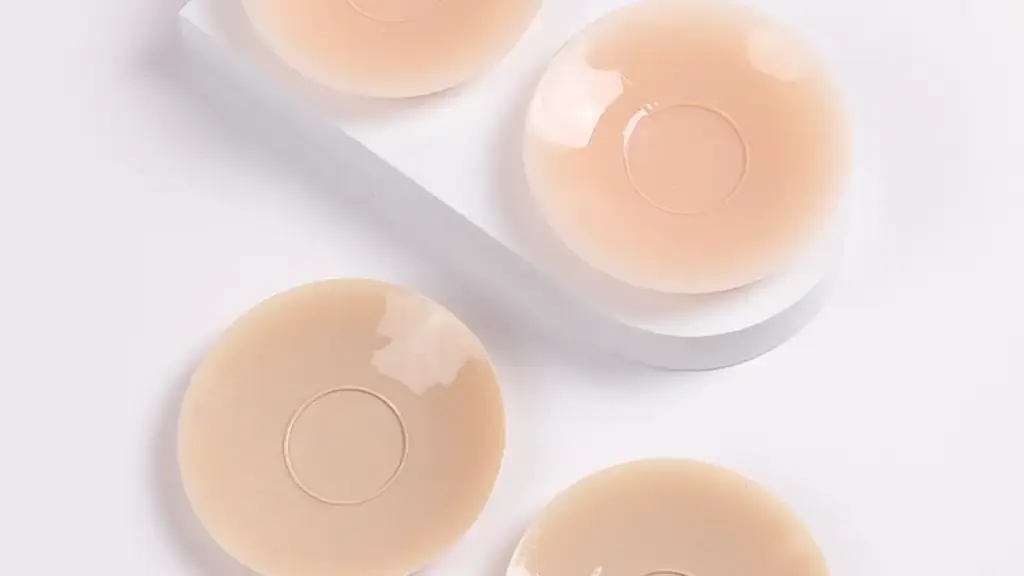
Improper cleaning of nipple covers can lead to the buildup of oils, Schweiß, and dirt, which break down the adhesive. This reduces the product’s effectiveness and can cause skin irritation or discomfort. Regular cleaning ensures that the adhesive surface remains intact and safe for prolonged use.
A proper cleaning routine also prevents contaminants from accumulating, which could lead to allergic reactions or other skin issues. By following the right cleaning steps, you maintain both the performance of the nipple covers and the safety of the skin they come into contact with.
Step-by-Step: How to Wash Nipple Covers Correctly
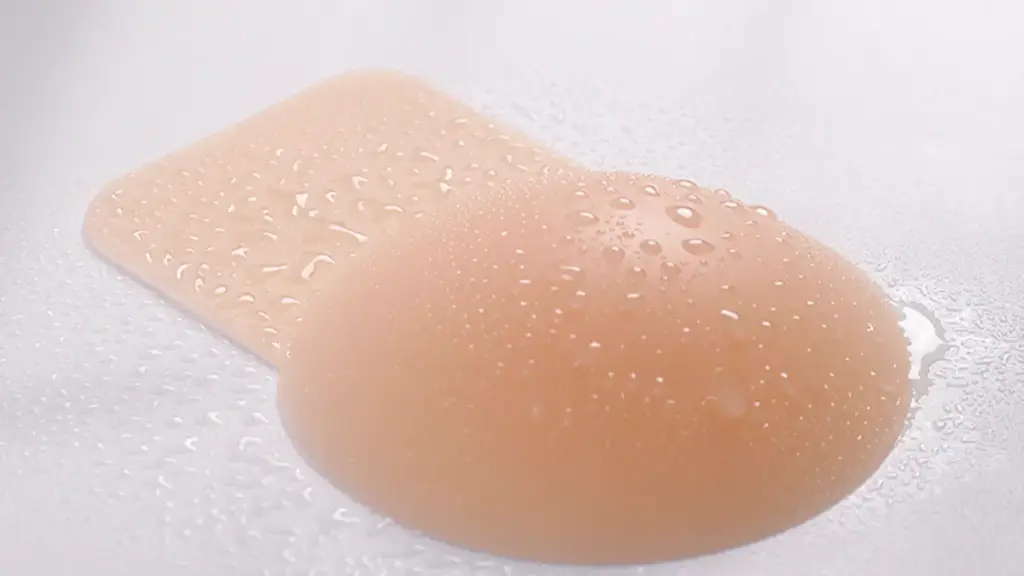
A proper cleaning protocol removes skin oils and debris, directly restoring adhesive performance and maximizing the product’s operational lifespan. Follow below steps:
Schritt 1: Select a Gentle Cleanser
Choose a mild, plant-based liquid soap, such as unscented castile or natural dish soap. Avoid harsh chemicals or oils that could leave residue and compromise the adhesive. Prepare lukewarm running water for cleaning.
Schritt 2: Wet and Clean the Adhesive Surface
Hold the nipple cover under lukewarm water to dampen the adhesive side. Apply a small drop of soap and gently rub it across the sticky surface using your fingertips in a circular motion. Avoid abrasive materials like brushes or cloths, which can damage the adhesive.
Schritt 3: Gründlich ausspülen
Rinse the adhesive side under a gentle stream of water until all soap residue is gone. Any remaining soap can interfere with the adhesive’s ability to stick. Shake the cover lightly to remove excess water—do not wring or twist the cover.
Schritt 4: Air-Dry Properly
Place the cover adhesive-side up on a clean, flat, non-porous surface such as a plastic tray or countertop. Let it air-dry completely in a well-ventilated area. Avoid towels, paper towels, or heat sources like hair dryers, which can damage the silicone or introduce lint.
Schritt 5: Store Safely
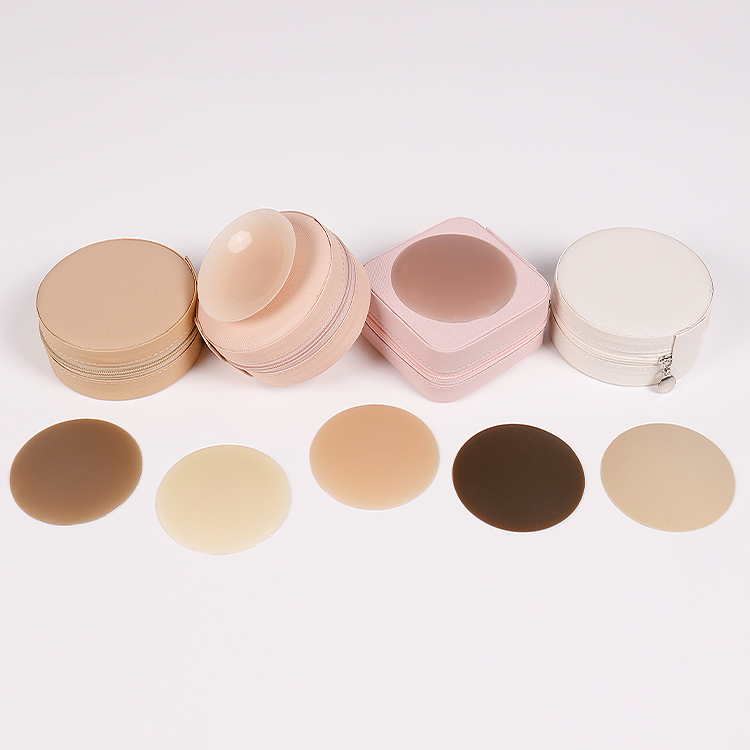
Once fully dry, reapply the protective plastic film or backing to the adhesive. This shields it from dust and contaminants. Store the cover in a clean, sealed container or its original case to preserve its tackiness until the next use.
Source Patented, Skin-Safe Invisible Lingerie Direct
Cleanser Selection: Avoiding Oil-Based Cleaners
Oil-based or harsh cleaners can leave residue that interferes with the adhesive’s ability to stick to the skin, reducing the nipple cover’s effectiveness. Using mild, plant-based cleansers ensures that the adhesive remains intact without causing damage.
Instead of traditional soaps or facial cleansers, use a mild, oil-free cleaning agent designed for silicone products. Many brands, like Xinke, offer specialty cleansers specifically formulated for reusable nipple covers. Alternativ, a gentle, unscented dish soap or Castile soap can also be effective, as long as it’s free of oils and harsh chemicals.
Air-Drying vs. Towel Drying: The Lint Trap
The drying method you choose for nipple covers directly impacts both product performance and skin safety. Residual moisture can compromise the adhesive properties, creating an environment where microorganisms can develop, which may affect the product’s stickiness and cause skin irritation.
Towel Use and Potential for Contaminant Transfer
Using a towel to dry nipple covers introduces two main risks:
- Mechanical Friction: Aggressive rubbing can damage the adhesive surface, reducing its stickiness.
- Particulate Contamination: Towels shed lint or fibers that may stick to the adhesive, affecting performance and causing irritation.
Air-Drying to Minimize Frictional Irritation
Air-drying is the preferred method for preserving both the adhesive and skin safety. Key benefits include:
- No Friction: Air-drying eliminates the mechanical stress of towel rubbing, preventing damage to the adhesive.
- No Contamination: It avoids lint or microbes from towels sticking to the adhesive. Für beste Ergebnisse, always air-dry the adhesive side in a clean, well-ventilated area to ensure optimal performance.
Restoring “Tackiness” with High-Quality Polymers
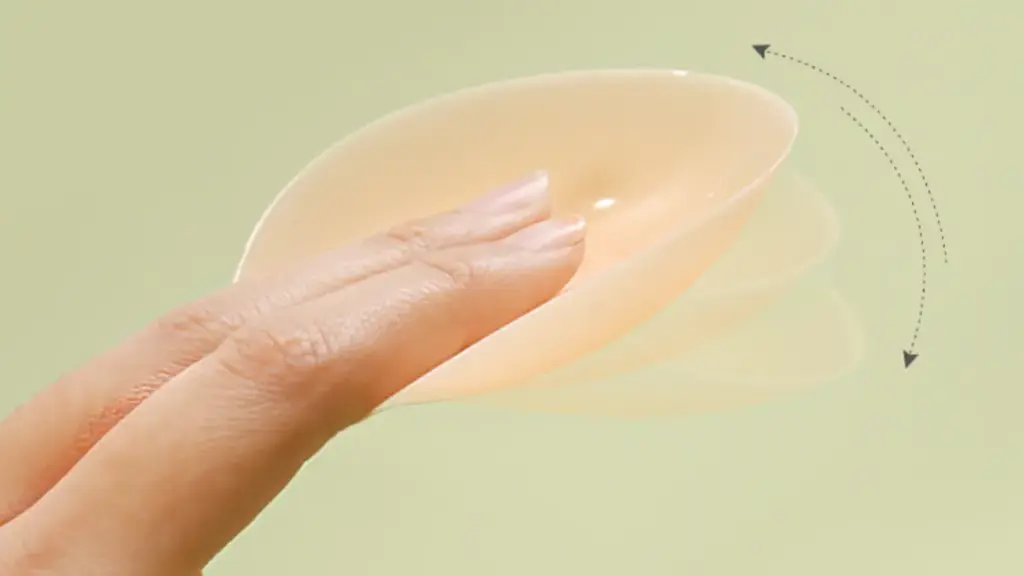
If your nipple covers lose their stickiness after washing, here are practical steps you can take at home to restore their effectiveness:
- Reactivate the Adhesive
Gently rinse the adhesive with lukewarm water to refresh its stickiness. For additional help, you can rub the surface lightly with a small amount of baby powder or cornstarch to reactivate the tackiness. - Use a Silicone-Based Adhesive Spray
If the adhesive still isn’t as sticky, apply a silicone-based adhesive spray, which is commonly available for various products. Follow the product instructions and apply the spray evenly for best results. - Proper Drying
Allow the nipple covers to air-dry completely before use. Avoid towel-drying or heat sources like hairdryers, which could damage the adhesive surface and reduce its effectiveness.
These simple methods can help restore the tackiness of your nipple covers without the need for professional help, ensuring longer-lasting performance.
Long-Term Storage: Using the Original Dust Film
After peeling off the original dust film, you might wonder whether to keep it or throw it away. Here’s why you should consider keeping it for long-term storage:
The original protective film is more than just packaging; it serves as an essential barrier against dust and surface damage during storage. Keeping the film intact helps protect the adhesive layer from contaminants, micro-scratches, and abrasions, ensuring that your nipple covers stay in top condition. This simple step eliminates the need for additional packaging, preserving the product’s integrity without any extra effort.
- Preparing the Film for Storage
Before storing, check the protective film for any tears or peeling. If it’s intact, clean the exterior with a dry, non-abrasive cloth to remove dust, preventing any particles from contaminating the storage space.
- Proper Removal Techniques
When removing the product from storage, do so in a clean, low-dust area. Slowly peel the film from one corner at a consistent angle to avoid leaving adhesive residue or attracting new dust. This careful removal process ensures the surface remains pristine and free of contaminants.
When is it Time to Replace?
Brustwarzenabdeckungen, like any product, lose effectiveness over time, especially after repeated use and cleaning. Here are some key signs that it’s time to replace your nipple covers:
- Loss of Stickiness
If the adhesive no longer sticks well or loses its grip after cleaning, it’s a sign the cover is no longer performing at its best. - Sichtbare Abnutzung
Any cracks, Tränen, or significant discoloration on the surface indicates that the material has degraded and may no longer offer the same level of protection or comfort. - Reduced Fit and Comfort
If the nipple covers no longer stay in place or feel uncomfortable, it’s a sign that the material has lost its elasticity and shape.
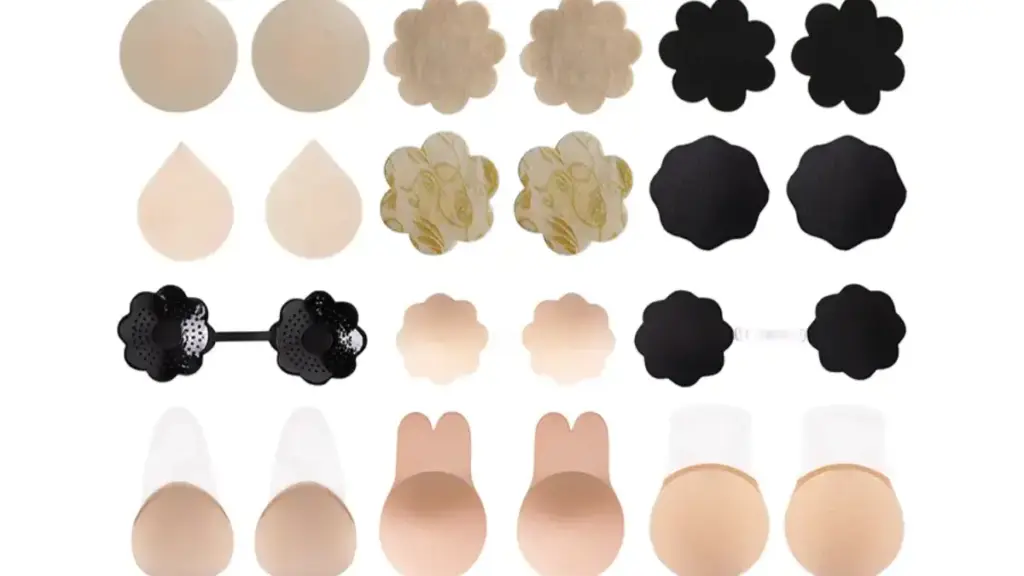
If you’re in need of replacements, consider Xinke’s range of nipple covers. We offer three types:
- Brustwarzenabdeckungen aus Silikon: Dauerhaft, nahtlos, and perfect for a no-show look.
- Sexy Nipple Covers & Nipple Tassels: Bold and customizable for high-end lingerie and performance wear.
- Einweg-Brustwarzenabdeckungen: Affordable and perfect for one-time use at events.
Each product can be customized for shape, Materialien, Größen, and package design to suit your business needs.
Abschluss
Proper washing and storage are essential for maximizing the lifespan of reusable nipple covers. These steps ensure the adhesive remains effective for 50+ trägt, protecting skin from trapped oils and debris. This consistent performance ultimately reduces customer complaints and improves product satisfaction.
If your current nipple covers are losing adhesion too quickly, consider upgrading to Xinke’s high-quality nipple pasties. Made with medical-grade silicone and premium adhesive, they ensure long-lasting comfort, even for sensitive skin. Mit anpassbare Optionen for shape, Größe, Material, und Verpackung, we offers the ideal solution for your brand.
Inquire today for pricing and discover how we can meet your needs!
Häufig gestellte Fragen
How to wash nipple covers without losing stickiness?
To maintain the integrity of items applied to the skin, it is essential to use gentle cleansing methods. The research advises using mild cleansers, avoiding over-washing or excessive scrubbing, and drying them thoroughly. Aggressive scrubbing or harsh chemicals can damage sensitive materials, while residual moisture can promote microorganism growth and interfere with function.
Can I use dish soap on silicone pasties?
The research strongly recommends using mild soaps and plant-based products over harsh chemicals. Harsh cleansers can dry out and damage the skin’s protective barrier. For any product that comes in direct contact with skin, a gentle cleanser is preferable to prevent potential irritation and material degradation.
How to make nipple covers sticky again?
The provided research focuses on preventative care through proper, gentle cleansing to maintain material integrity from the start. It does not contain information on how to restore properties like adhesion once they have been diminished. Following correct washing and drying protocols is key to preservation.
Why are my nipple covers falling off after washing?
According to the research, two main factors in cleaning can cause issues: using harsh chemicals and not drying thoroughly. Harsh cleansers can degrade materials, while any remaining moisture can interfere with performance. Always use a gentle cleanser and ensure the item is completely dry before use.
How to store reusable pasties long-term?
While the research does not directly address storage, it emphasizes protecting skin and related items from environmental contaminants, irritants, and microorganisms. Based on these principles, a clean and completely dry item should be kept in a protected case or container to shield it from harmful deposits.
Is it safe to blow-dry silicone covers?
The research highlights that items must be dried thoroughly after washing but does not specify a method. The guiding principle is to avoid harsh or aggressive actions, such as excessive scrubbing. Applying high heat could be considered an aggressive method that may risk damaging the product’s integrity. A gentle drying process is implicitly recommended.