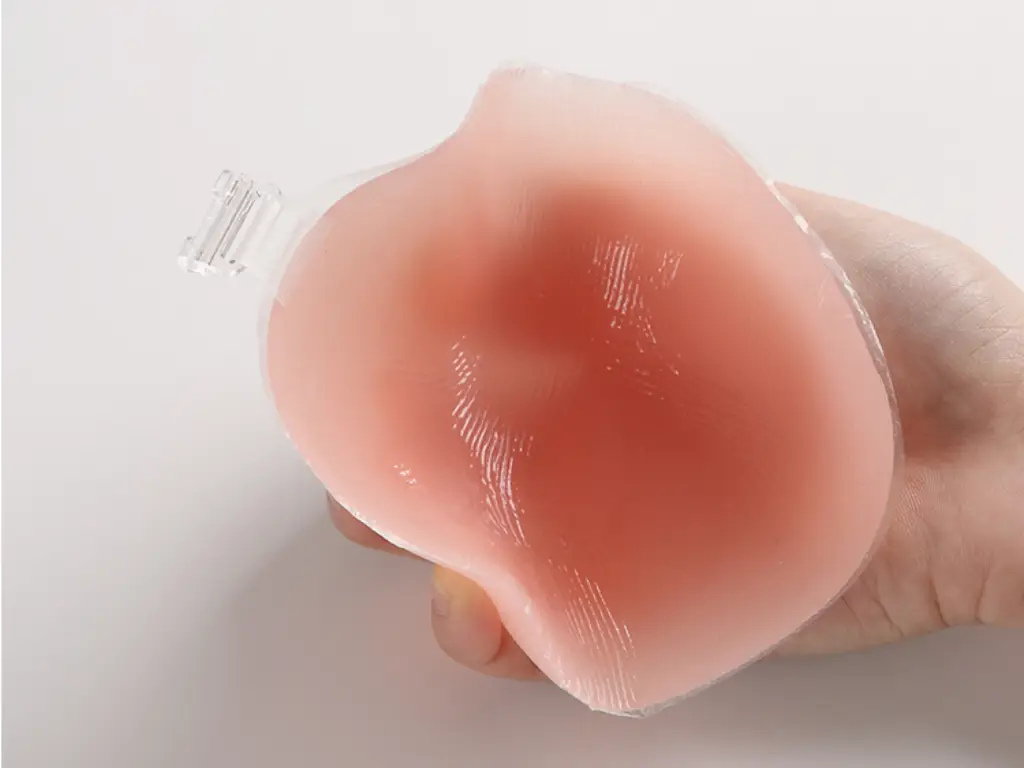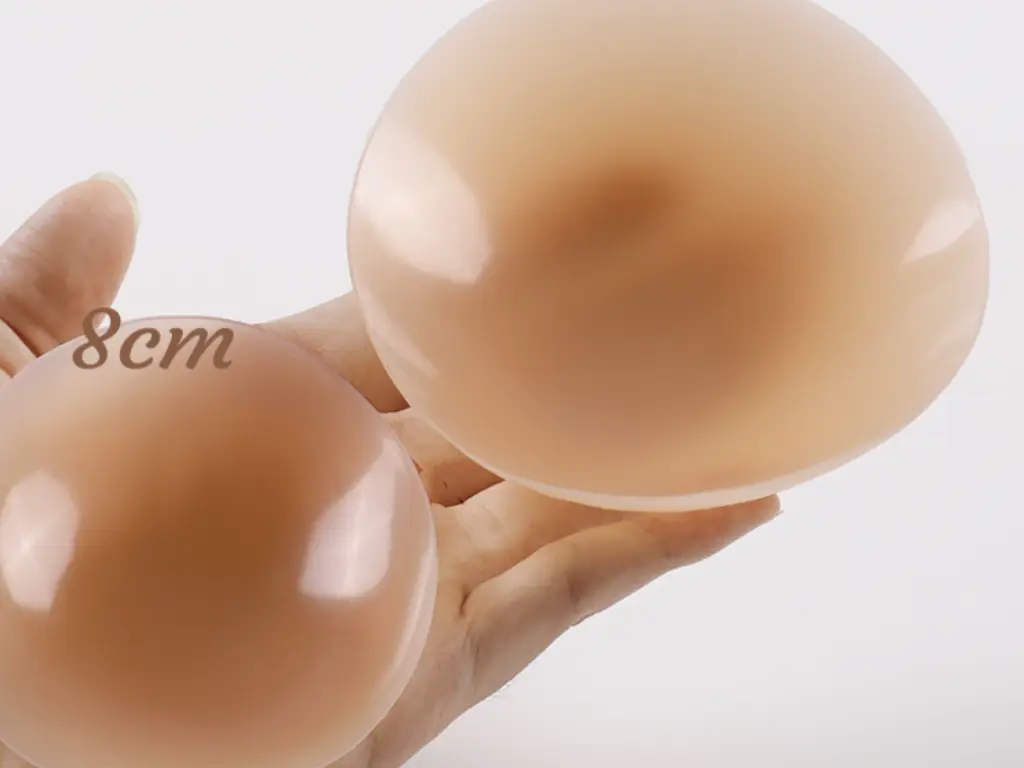
La taglia inadeguata del reggiseno è una delle principali cause di alti tassi di reso, incidendo direttamente sui margini di profitto dei marchi di abbigliamento. La mancanza di uno standard di dimensionamento universale negli Stati Uniti, Regno Unito, Unione Europea, e i mercati asiatici creano confusione, errori della catena di fornitura, e problemi di reputazione del marchio.
Scopri come ottimizzare il tuo sistema di taglie, ridurre i rendimenti, e aumentare la fidelizzazione dei clienti. Questa guida esplora le strategie chiave come la scansione 3D e le tabelle delle dimensioni personalizzate, aiutandoti ad affrontare le sfide globali relative alle taglie e a migliorare la precisione della vestibilità per ottenere risultati aziendali migliori. Continua a leggere per saperne di più.
Un'analisi degli standard globali sulle dimensioni dei reggiseni
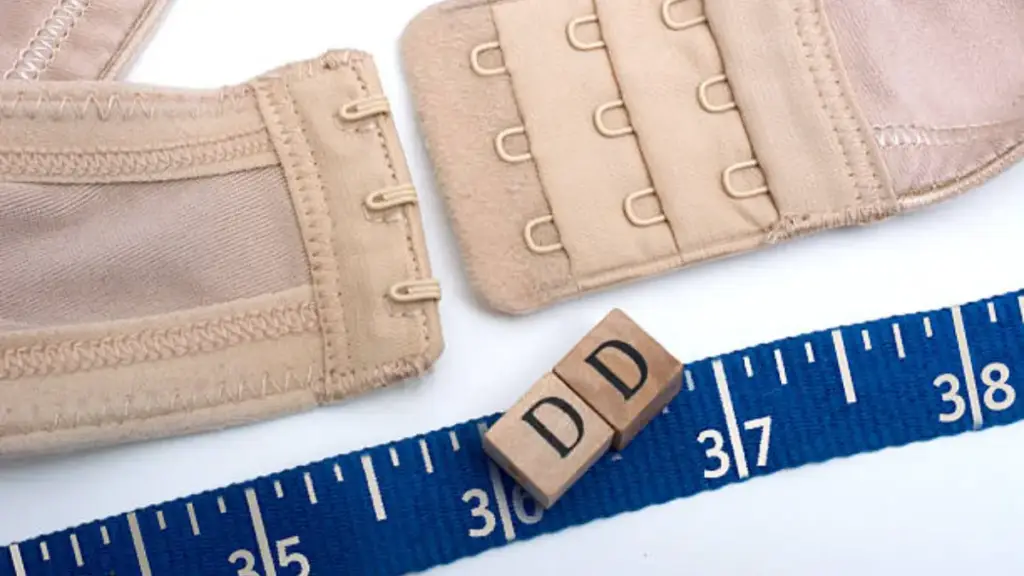
I sistemi globali di dimensionamento dei reggiseni sono incoerenti, portando a sfide significative sia nel commercio elettronico che nella produzione. Il problema principale risiede nel trattamento delle dimensioni della fascia e delle coppe:
- Dimensioni della fascia: Questi misurano la circonferenza della gabbia toracica e sono relativamente uniformi nella maggior parte delle regioni, offrendo conversioni semplici.
- Dimensioni della tazza: Questi differiscono in modo significativo tra i mercati. Per esempio, una DD statunitense non equivale a una DD britannica, poiché diverse regioni utilizzano calcoli del volume e sistemi di lettere incompatibili. Questa discrepanza crea confusione, soprattutto nella gestione dell'inventario e nella comunicazione con i clienti.
La mancanza di uno standard di dimensionamento unificato complica il commercio globale. Le aziende devono mantenere più tabelle di dimensionamento, portando a inefficienze, soprattutto con le coppe più grandi dove le discrepanze aumentano. Affidarsi a strumenti di terze parti per colmare queste lacune pone l’onere della traduzione sia sui rivenditori che sui clienti, aumento dei tassi di rendimento e sfide operative.
Come leggere una tabella delle taglie del reggiseno per diversi mercati
Gli standard di dimensionamento globali frammentati creano sfide operative per i produttori e le aziende di e-commerce. L'interpretazione accurata delle tabelle delle taglie aiuta a evitare i seguenti problemi causati da queste discrepanze:
- Standard statunitensi e britannici utilizzare un sistema basato sui pollici in cui il numero di banda (PER ESEMPIO., 34, 36) non equivale direttamente alla misura fisica in pollici.
- L'europeo (Unione Europea) sistema utilizza una correlazione metrica diretta. Anno dell'UE 75 la dimensione della fascia corrisponde direttamente ad una circonferenza posteriore di 75 centimetri, rendendolo uno standard più letterale e meno astratto. Questa discrepanza è una delle principali fonti di errore durante la conversione delle dimensioni per le catene di approvvigionamento internazionali.
Incongruenze nella conversione della dimensione della coppa
Le conversioni delle dimensioni della coppa falliscono perché mercati diversi utilizzano progressioni di lettere e incrementi di crescita unici.
- Progressione delle lettere: I sistemi europei utilizzano una semplice sequenza alfabetica (UN, B, C, D, E, F) ma spesso utilizzano incrementi di 2 cm invece dello standard di un pollice comune negli Stati Uniti/Regno Unito. Per volumi maggiori, possono usare lettere come K, l, e M che non hanno un equivalente diretto negli Stati Uniti/Regno Unito.
- Stati Uniti contro. Sistemi del Regno Unito: Mentre le dimensioni delle fasce sono le stesse, le progressioni delle lettere coppa divergono dopo D. Un 34G del Regno Unito non è la stessa cosa di un 34G degli Stati Uniti; comprendere le diverse etichettature (PER ESEMPIO., Lettere doppie del Regno Unito) è essenziale per una corretta gestione dell'inventario.
- Discrepanze amplificate: Le differenze matematiche tra le tabelle delle taglie sono più significative nelle coppe D+. Un errore di taglia unica in una coppa A o B è minore, ma lo stesso errore in una tazza G o H può rappresentare un sostanziale disadattamento di volume, portando ad alti tassi di rendimento.
Migliora il tuo marchio con i reggiseni adesivi brevettati

Trovare la taglia del reggiseno senza metro a nastro
Seguire questi passaggi per un adattamento più accurato:
Fare un passo 1: Usa un reggiseno esistente come base
Inizia con il reggiseno più adatto. La taglia stampata sull'etichetta fornisce informazioni chiave sul sistema di taglie regionale che segue, come gli Stati Uniti, Regno Unito, o norme europee. Poiché ogni regione utilizza metodi di misurazione diversi, identifica quale sistema segue il tuo reggiseno per garantire confronti accurati in seguito.
Fare un passo 2: Valuta la vestibilità del cinturino
La misurazione della fascia è la parte più affidabile della tua taglia, poiché rimane coerente tra i diversi sistemi. Una fascia ben aderente dovrebbe aderire perfettamente e livellarsi sulla schiena, parallelo al pavimento. Se la fascia si solleva o sembra allentata, è un segno che hai bisogno di una taglia più piccola. Questa è la prima modifica da apportare per determinare la tua vestibilità.
Fare un passo 3: Comprendere le differenze di volume della tazza
Le dimensioni delle coppe differiscono in modo significativo a seconda delle regioni e dei marchi. Per esempio, una tazza DD statunitense non corrisponde al volume di una tazza DD britannica. Poiché non esiste uno standard universale, è essenziale consultare le tabelle delle taglie specifiche del marchio. Queste tabelle forniscono il modo più affidabile per convertire accuratamente le dimensioni delle coppe nei vari sistemi e garantire una vestibilità adeguata.
Il concetto di taglia sorella e il suo impatto sulla taglia
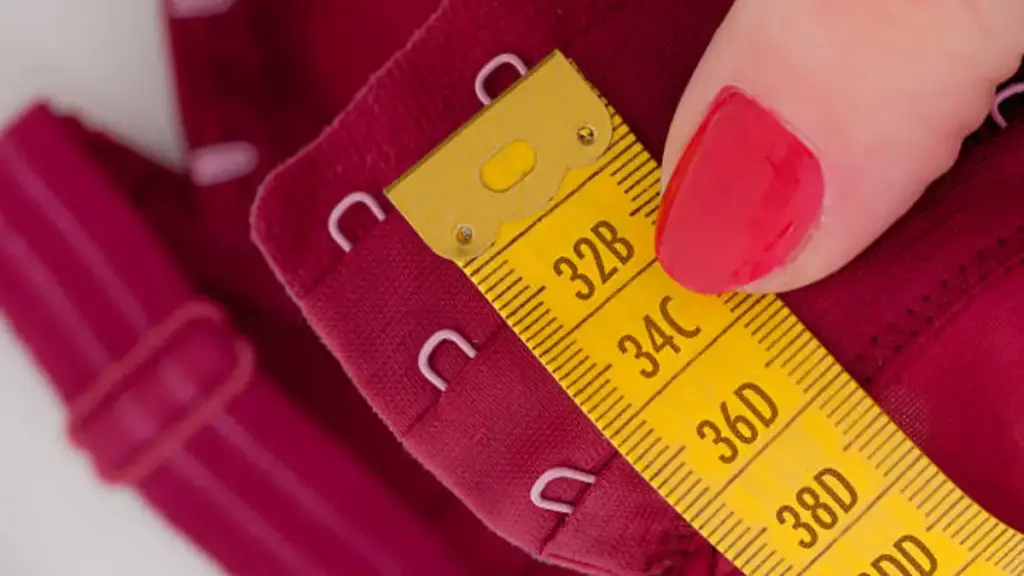
Le taglie gemelle aiutano a gestire le variazioni di vestibilità tra diversi sistemi di taglie globali garantendo un volume della coppa costante quando cambiano le dimensioni della fascia. Ecco come funziona:
Il volume della coppa è relativo alla dimensione della fascia, che crea una relazione inversa tra il numero della fascia e la lettera della coppa.
- Quando la dimensione della fascia diminuisce, la lettera della tazza aumenta per mantenere lo stesso volume: 34C = 32D (il volume della tazza rimane lo stesso, ma la dimensione della fascia è più piccola).
- Al contrario, quando la dimensione della fascia aumenta, la lettera della tazza diminuisce per preservare lo stesso volume: 34C = 36B (la fascia è più grande, ma il volume della tazza è lo stesso).
Nella vendita al dettaglio, le taglie gemelle aiutano gli addetti alle vendite a offrire alternative quando la taglia ideale di un cliente è esaurita, migliorare la flessibilità dell'inventario e l'esperienza del cliente. Per il commercio elettronico, supporta calcolatori di adattamento online e strumenti di conversione delle dimensioni, semplificare le vendite internazionali senza richiedere scorte eccessive per ogni variazione di taglia.
Perché i calcolatori della taglia del reggiseno non funzionano con i prodotti adesivi
I calcolatori standard delle taglie dei reggiseni non funzionano per i reggiseni adesivi perché si basano sul rapporto fascia-coppa, che non si applica agli indumenti senza fascia. Questi calcolatori misurano il volume della coppa confrontando il sottoseno e il sopraseno, ma i reggiseni adesivi si basano sull'adesione superficiale, non su una fascia di supporto o sul volume della tazza. La vestibilità dipende dalla forma del seno, volume, e la superficie disponibile per l'adesione.
I reggiseni adesivi funzionano diversamente dai reggiseni tradizionali, che forniscono supporto strutturale utilizzando le misurazioni della fascia e della coppa. Per questo motivo, la maggior parte dei produttori di reggiseni adesivi crea le proprie tabelle delle taglie, poiché le calcolatrici tradizionali non sono adatte a questi prodotti. Per una guida alle taglie completa e dettagliata, guardare I reggiseni adesivi di Xinke con le nostre tabelle delle taglie proprietarie, su misura per una vestibilità perfetta.
Standardizzazione della profondità della tazza con la tecnologia di scansione 3D
3La tecnologia di scansione D acquisisce dati anatomici precisi, aggirando le incoerenze degli standard di dimensionamento regionali. Sostituendo le tradizionali designazioni di lettere con parametri quantificabili per il volume della tazza, crea uno standard di vestibilità universale che semplifica la produzione e riduce gli attriti dell’e-commerce.
Questo approccio basato sui dati aggrega misurazioni 3D su larga scala per costruire un quadro di dimensionamento globale basato sulla geometria corporea reale. Gli algoritmi prevedono l’adattamento ottimale, eliminando la dipendenza da strumenti di conversione di terze parti difettosi utilizzati nei mercati internazionali.
Il risultato è uno standard unificato che migliora la coerenza tra le catene di fornitura. Per i produttori, 3La scansione D fornisce modelli digitali esatti per la produzione, garantire che i prodotti con un determinato codice dimensione siano prodotti in modo coerente in tutto il mondo.
Riduzione dei resi con etichette di dimensionamento accurate
Ecco una tabella comparativa per aiutarti a individuare le principali differenze nelle dimensioni di fasce e coppe nei principali mercati globali, compresi gli Stati Uniti, Regno Unito, e io. Questa guida semplifica le conversioni di dimensionamento per gli acquisti internazionali e la gestione dell'inventario.
| NOI / Regno Unito / AU (Pollici) | Unione Europea / Giappone (CM) | Francia (FR) | Italia (ESSO) |
|---|---|---|---|
| 30 | 65 | 80 | 1 |
| 32 | 70 | 85 | 2 |
| 34 | 75 | 90 | 3 |
| 36 | 80 | 95 | 4 |
| 38 | 85 | 100 | 5 |
| 40 | 90 | 105 | 6 |
| Incremento della tazza | NOI / Canada | Regno Unito (Regno Unito) | Europa (Unione Europea) / Giappone |
|---|---|---|---|
| 4IV Coppa | D | D | D |
| 5IV Coppa | GG (E) | GG | E |
| 6IV Coppa | DDD (F) | E | F |
| 7IV Coppa | G | F | G |
| 8IV Coppa | H | FF | H |
| 9IV Coppa | IO | G | I/J |
| 10IV Coppa | J | GG | K |
Come creare una tabella delle taglie di reggiseno personalizzata per il tuo marchio

Creare un taglia di reggiseno personalizzata grafico garantisce una migliore adattabilità ai tuoi clienti e riduce i resi. Ecco come crearne uno per il tuo marchio:
Stabilisci il tuo sistema di dimensionamento di base
Scegli uno standard regionale (NOI, Regno Unito, o UE) per il dimensionamento del tuo marchio. Questo definisce le tue unità di misura: centimetri per UE e pollici per USA/Regno Unito. Questa decisione guida tutte le future decisioni sul dimensionamento.
Definire i protocolli di misurazione
Impostare metodi coerenti per misurare i clienti. La fascia è misurata perfettamente sotto il seno, mentre la misurazione del busto viene presa nella parte più ampia del torace. Per calcolare la dimensione della coppa, utilizzare la formula:
Misurazione del busto – Misurazione della fascia = Differenziale della coppa
(1 pollice = Una tazza, 2 pollici = tazza B, ecc.).
Mappa le misurazioni in base alla tua logica di dimensionamento
Converti le misurazioni grezze in taglie di fascia e assegna le dimensioni della coppa in base alla differenza tra fascia e busto. Per esempio, una misurazione sottoseno di 73-77 cm diventa UE 75. Incorpora taglie gemelle per fornire alternative (PER ESEMPIO., 32D = 34C = 36B).
Integrare la conversione internazionale
Per servire i mercati globali, aggiungere conversioni per le principali regioni (NOI, Regno Unito, Unione Europea, Australia). Poiché le dimensioni delle coppe differiscono tra i sistemi, assicurati di mostrare sia gli equivalenti in centimetri che quelli in pollici e di chiarire le discrepanze.
Convalidare con il test del modello di adattamento
I test nel mondo reale sono fondamentali. Adatta i modelli della tua gamma di taglie complete, prestando molta attenzione alle taglie più grandi dove le discrepanze sono comuni. Modifica il tuo grafico in base al feedback per assicurarti che corrisponda alle esigenze del mondo reale.
Conclusione
Creare un chiaro, Il sistema di taglie standardizzato è fondamentale per qualsiasi marchio di lingerie. Comprendendo le variazioni delle dimensioni globali e sfruttando la tecnologia, puoi sviluppare grafici personalizzati accurati che riducono i resi costosi. Questa coerenza rafforza la fiducia dei clienti e semplifica il processo di vendita internazionale.
Controlla la tabella delle taglie attuali del tuo marchio per identificare lacune o incoerenze. Se stai cercando di sviluppare un sistema di taglie su misura per la tua linea di prodotti, compresi i nostri innovativi reggiseni adesivi in silicone, Xinke R&Il team D può guidarti attraverso il processo.
Mettiti in contatto con noi per creare un affidabile, modello di dimensionamento accurato adatto sia al tuo marchio che ai tuoi clienti.
Domande frequenti
Come misurare la taglia del reggiseno a casa?
La ricerca fornita si concentra sugli standard di dimensionamento globali piuttosto che sul processo specifico di misurazione domestica. Si nota che le dimensioni della fascia si basano sulla circonferenza della gabbia toracica, ma sottolinea che la sfida principale sono i sistemi incoerenti e non standardizzati per le dimensioni delle coppe in regioni come gli Stati Uniti, Regno Unito, ed Europa. Ciò rende la conversione delle misurazioni in una singola, complesso di taglie di reggiseno universalmente riconosciuto senza uno standard globale.
Qual è la taglia del mio reggiseno, se lo sono? 34 pollici?
Una singola misurazione di 34 pollici non è sufficiente per determinare la taglia completa del reggiseno. Questa misura corrisponde probabilmente alla dimensione di una fascia (PER ESEMPIO., NOI 34), che è relativamente coerente a livello internazionale. Tuttavia, una taglia di reggiseno completa richiede anche una taglia di coppa. Secondo la ricerca, le dimensioni delle coppe variano notevolmente tra i sistemi di dimensionamento regionali (NOI, Regno Unito, Unione Europea) e non può essere determinato da una singola misurazione.
Come trovare la taglia del reggiseno dalle misurazioni?
Per trovare la taglia del reggiseno è necessario determinare la taglia della fascia in base alla circonferenza della gabbia toracica e alla taglia della coppa corrispondente. La sfida principale evidenziata nella ricerca è che i calcoli delle dimensioni della coppa non sono standardizzati a livello globale. Sistemi diversi negli Stati Uniti, Regno Unito, e l’Europa utilizzano metodologie uniche, rendere difficile una conversione universale dalle misurazioni a un'unica taglia di reggiseno senza utilizzare tabelle di conversione specifiche per regione.
Le taglie di reggiseno sono le stesse nel Regno Unito e negli Stati Uniti?
NO, le taglie dei reggiseni non sono le stesse nel Regno Unito e negli Stati Uniti, soprattutto per le taglie delle coppe. Mentre le dimensioni della fascia (PER ESEMPIO., 34, 36) sono relativamente uniformi, le dimensioni delle coppe variano notevolmente tra i due sistemi. La ricerca afferma esplicitamente che una tazza DD statunitense rappresenta un volume diverso rispetto a una tazza DD britannica, evidenziando la mancanza di uno standard globale unificato.
Come capire se un reggiseno veste correttamente?
La ricerca fornita non contiene informazioni su come valutare se un reggiseno veste correttamente. Il contenuto si concentra esclusivamente sulla frammentazione degli standard internazionali di dimensionamento e dei sistemi di misurazione dei reggiseni (NOI, Regno Unito, Unione Europea), piuttosto che indicatori pratici di un adattamento adeguato.
Cosa significa il “GG” nella taglia del reggiseno si intende?
Il significato di “GG” poiché la dimensione della coppa non è coerente a livello globale. Secondo la ricerca, una coppa DD nel sistema statunitense rappresenta un volume del seno diverso rispetto a una coppa DD nel sistema britannico. Questa variazione esemplifica la mancanza di uno standard di dimensionamento internazionale unificato, in particolare nelle coppe più grandi dove le differenze tra i sistemi regionali diventano più pronunciate.