ブラジャーのサイズが一貫していないことが返品率を高める主な原因です, アパレルブランドの利益率に直接影響する. 米国全土に共通のサイズ標準の欠如, 英国, 欧州連合, アジア市場は混乱を引き起こす, サプライチェーンのエラー, ブランドの評判の問題.
サイジング システムを最適化する方法を発見する, 返品を減らす, 顧客ロイヤルティを向上させます. このガイドでは、3D スキャンやカスタム サイズチャートなどの主要な戦略について説明します。, 世界的なサイジングの課題を解決し、適合精度を向上させてビジネスの成果を向上させるのに役立ちます。. さらに詳しく知りたい場合は読み続けてください.
世界的なブラジャーのサイズ基準の分析
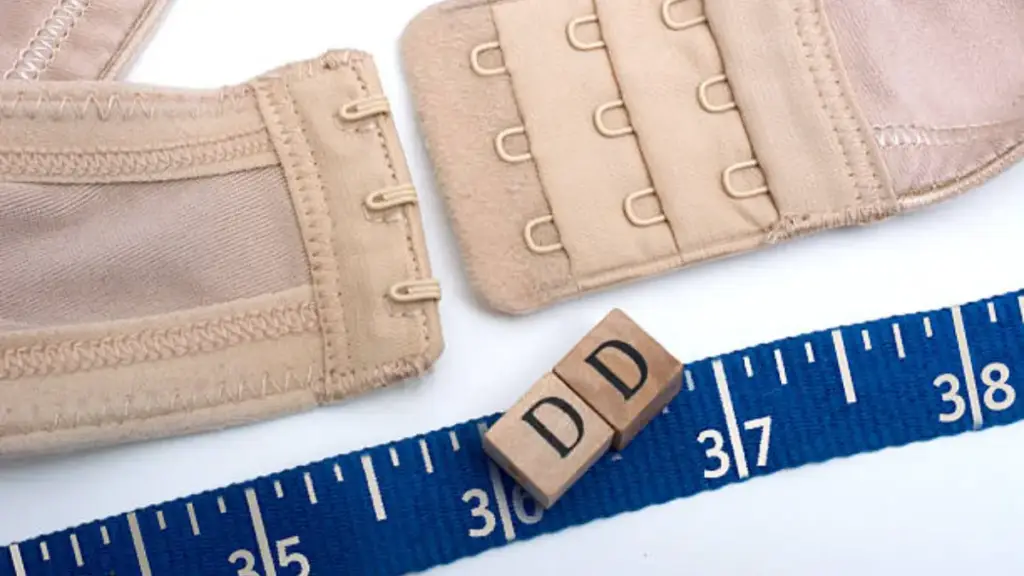
世界的なブラジャーのサイズ体系には一貫性がない, 電子商取引と製造の両方に重大な課題をもたらす. 主な問題はバンドとカップのサイズの扱いにあります:
- バンドのサイズ: これらは胸郭周囲を測定し、ほとんどの領域で比較的均一です。, 直接的な変換を提供する.
- カップサイズ: これらは市場ごとに大きく異なります. 例えば, 米国の DD は英国の DD と同じではありません, 異なる地域では互換性のない体積計算と文字体系が使用されているため、. この矛盾が混乱を生む, 特に在庫管理と顧客コミュニケーションにおいて.
統一されたサイズ基準の欠如が世界貿易を複雑にしている. 企業は複数のサイジングチャートを維持する必要がある, 非効率につながる, 特にカップサイズが大きくなると、差異が大きくなります. これらのギャップを埋めるためにサードパーティのツールに依存すると、小売業者と顧客の両方に翻訳の負担がかかります, 返品率の向上と運用上の課題.
さまざまな市場向けのブラジャーのサイズ表の見方
細分化された世界的なサイジング標準により、メーカーや電子商取引ビジネスに運用上の課題が生じます. サイズ表を正確に解釈すると、これらの不一致によって引き起こされる次の問題を回避できます。:
- 米国および英国の基準 インチベースのシステムを使用し、バンド番号は (例えば。, 34, 36) インチ単位の物理的な測定値と直接的には等しくない.
- ヨーロッパ人 (欧州連合) システム 直接的なメトリック相関を使用します. EU年 75 バンドのサイズは背中の周囲 75 センチメートルに直接対応します。, より文字通りで抽象度の低い標準にする. この不一致は、国際サプライチェーンのサイズを変換する際の主な誤差の原因となります。.
カップサイズ変換の不一致
異なる市場が独自の文字列と成長増分を使用しているため、カップ サイズの変換が失敗する.
- 文字の進行: ヨーロッパのシステムは単純なアルファベット順を使用します (a, b, c, d, e, F) ただし、米国/英国で一般的な 1 インチ標準ではなく、2 cm 増分がよく使用されます。. より大容量の場合, K のような文字を使用する場合があります, L, および M には米国/英国に直接相当するものがない.
- アメリカ vs. 英国システムズ: バンドサイズは同じですが、, カップの文字進行は D 以降で分岐します. 英国の 34G は米国の 34G とは異なります; さまざまなラベルを理解する (例えば。, イギリスの二重文字) 正確な在庫管理には欠かせません.
- 増幅された不一致: サイズ表間の数学的な違いは、D+ カップで最も顕著です。. A カップや B カップのワンサイズの誤差は軽微です, ただし、G カップまたは H カップの同じ誤差は、ボリュームの大幅な不一致を表す可能性があります。, 高い返品率につながる.
特許取得済みの粘着ブラジャーでブランドを高めましょう

巻尺を使わずにブラのサイズを見つける
より正確にフィットさせるには、次の手順に従ってください:
ステップ 1: 既存のブラジャーをベースラインとして使用する
まずは自分にぴったりのブラジャーから始めましょう. タグに印刷されているサイズは、準拠している地域のサイズ体系に関する重要な情報を提供します。, 米国など, 英国, または欧州規格. 地域ごとに測定方法が異なるため, 後で正確に比較できるように、ブラジャーがどのシステムに従っているかを特定します.
ステップ 2: バンドのフィット感を評価する
バンドの測定値はサイズの最も信頼できる部分です, 異なるシステム間でも一貫性が保たれるため、. バンドがぴったりとフィットし、背中にぴったりと水平にフィットする必要があります。, 床と平行に. バンドがずり上がったり緩んだりした場合, それは小さいサイズが必要なサインです. これは、フィット感を決定する際に行う最初の調整です.
ステップ 3: カップの体積の違いを理解する
カップサイズは地域やブランドによって大きく異なります. 例えば, 米国の DD カップは英国の DD カップの容量と一致しません. 世界共通の基準なんてないから, ブランド固有のサイズ表を参照することが重要です. これらのチャートは、さまざまなシステム間でカップ サイズを正確に変換し、適切なフィット感を確保するための最も信頼性の高い方法を提供します。.
姉妹サイズの概念とサイジングへの影響
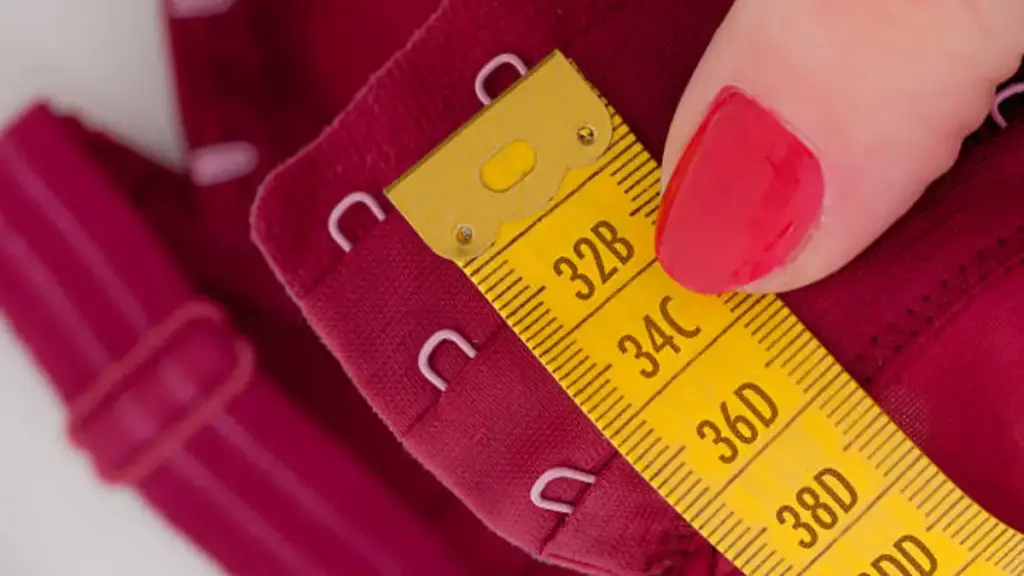
姉妹サイジングは、バンドのサイズが変わっても一貫したカップの体積を確保することで、さまざまなグローバルサイジングシステム間でのフィット感のばらつきを管理するのに役立ちます。. 仕組みは次のとおりです:
カップの体積はバンドのサイズに比例します, これにより、バンド番号とカップ文字の間に逆関係が生じます。.
- バンドサイズが小さくなる場合, 同じ体積を維持するためにカップの文字が大きくなります: 34C = 32D (カップの容量は変わらない, ただしバンドのサイズは小さいです).
- 逆に, バンドサイズが大きくなると, 同じ体積を維持するためにカップの文字が小さくなります: 34C=36B (バンドの方が大きいです, でもカップの容量は同じ).
小売業において, 姉妹サイジングは、顧客の理想的なサイズが在庫切れの場合に販売員が代替品を提供するのに役立ちます, 在庫の柔軟性と顧客エクスペリエンスの向上. 電子商取引向け, オンラインフィット計算機とサイズ変換ツールをサポートしています, サイズバリエーションごとに過剰な在庫を必要とせず、国際販売を簡素化.
ブラジャーのサイズ計算ツールが粘着製品では機能しない理由
標準的なブラジャーのサイズ計算ツールは、バンドとカップの比率に基づいているため、粘着ブラジャーの場合は失敗します。, バンドのない衣類には適用されません. これらの計算ツールは、アンダーバストとオーバーバストを比較することでカップの体積を測定します。, しかし、粘着ブラジャーは表面の粘着力に依存しています。, サポートバンドやカップボリュームに依存しない. フィット感は胸の形によって異なります, 音量, 接着可能な表面積.
粘着ブラジャーは従来のブラジャーとは機能が異なります。, バンドとカップの測定値を使用して構造的なサポートを提供します. このため, ほとんどの粘着ブラジャーメーカーは独自のサイズチャートを作成しています, 従来の電卓はこれらの製品には適していないため. 完全かつ詳細なサイズガイドについては、, チェックアウト Xinkeの粘着ブラジャー 弊社独自のサイズチャート付き, 完璧にフィットするように調整されています.
3Dスキャン技術でカップの深さを標準化
3D スキャン技術により正確な解剖学的データを取得, 地域ごとのサイズ基準の不一致を回避する. 従来の文字表記をカップ容量の定量化可能な指標に置き換えることにより、, 製造を簡素化し、電子商取引の摩擦を軽減するユニバーサルフィット標準を作成します。.
このデータ主導のアプローチは、大規模な 3D 測定値を集約して、実際の身体の形状に基づいたグローバルなサイジング フレームワークを構築します。. アルゴリズムが最適な適合を予測します, 国際市場で使用されている欠陥のあるサードパーティ変換ツールへの依存を排除する.
その結果、サプライチェーン全体の一貫性を強化する統一規格が実現します。. メーカー向け, 3Dスキャンにより、生産用に正確なデジタルモデルが提供されます, 指定されたサイズコードの製品が世界中で一貫して生産されるようにする.
正確なサイズラベルで返品を削減
以下は、主要な世界市場におけるバンドとカップのサイズの主な違いを理解するのに役立つ比較表です。, 米国を含めて, 英国, そして私. このガイドは、海外ショッピングと在庫管理のためのサイズ変換を簡素化します。.
| 私たち / 英国 / オーストラリア (インチ) | 欧州連合 / 日本 (CM) | フランス (フランス) | イタリア (それ) |
|---|---|---|---|
| 30 | 65 | 80 | 1 |
| 32 | 70 | 85 | 2 |
| 34 | 75 | 90 | 3 |
| 36 | 80 | 95 | 4 |
| 38 | 85 | 100 | 5 |
| 40 | 90 | 105 | 6 |
| カップの増分 | 私たち / カナダ | イギリス (英国) | ヨーロッパ (欧州連合) / 日本 |
|---|---|---|---|
| 4カップ目 | d | d | d |
| 5カップ目 | DD (e) | DD | e |
| 6カップ目 | DDD (F) | e | F |
| 7カップ目 | G | F | G |
| 8カップ目 | H | FF | H |
| 9カップ目 | 私 | G | I/J |
| 10カップ目 | J | GG | K |
あなたのブランドのカスタムブラサイズ表を作成する方法

の作成 カスタムブラジャーのサイズ チャートにより顧客により適切に適合し、返品が削減されます. あなたのブランド用にブランドを構築する方法は次のとおりです:
基本的なサイジング システムを確立する
地域の標準を選択してください (私たち, 英国, またはEU) あなたのブランドのサイジングに合わせて. これにより測定単位が定義されます: EU の場合はセンチメートル、米国/英国の場合はインチ. この決定は、今後のすべてのサイジング決定の指針となります.
測定プロトコルの定義
顧客を測定するための一貫した方法を設定する. バンドはバストの下でぴったりと測定されます, バストの測定は胸の最も高い部分で行われます. カップサイズを計算するには, 公式を使う:
バスト寸法 – バンド寸法 = カップ差
(1 インチ = カップ, 2 インチ = B カップ, 等).
測定値をサイジング ロジックにマッピングする
生の測定値をバンドサイズに変換し、バンドとバストの差に基づいてカップサイズを割り当てます。. 例えば, アンダーバストの測定値 73-77 cmはEUになります 75. 代替品を提供するために姉妹サイズを組み込む (例えば。, 32D = 34C = 36B).
国際変換の統合
世界市場にサービスを提供するために, 主要地域のコンバージョンを追加する (私たち, 英国, 欧州連合, オーストラリア). システムによってカップサイズが異なるため, 必ずセンチメートルとインチの両方の相当物を表示し、矛盾を明確にしてください。.
適合モデルテストによる検証
現実世界でのテストが鍵. フルサイズ範囲のモデルにフィットします, カップサイズの違いがよくある大きなカップサイズには細心の注意を払う. フィードバックに基づいてグラフを調整し、実際のグラフと一致するようにします.
結論
クリアの作成, 標準化されたサイズ システムは、どのランジェリー ブランドにとっても基本です. 世界的なサイズの変動を理解し、テクノロジーを活用することで, コストのかかる利益を削減する正確なカスタム チャートを開発できます。. この一貫性により顧客の信頼が構築され、国際販売プロセスが合理化されます。.
ブランドの現在のサイズ表を確認して、ギャップや不一致を特定します。. 製品ラインに合わせたサイジング システムの開発を検討している場合, 当社の革新的なシリコン粘着ブラジャーを含む, シンケ R&D チームがプロセスをガイドします.
お問い合わせください 信頼できるものを作るために, あなたのブランドと顧客の両方に適した正確なサイジングモデル.
よくある質問
自宅でブラジャーのサイズを測る方法?
提供された調査は、家庭での測定の特定のプロセスではなく、世界的なサイズ標準に焦点を当てています。. バンドのサイズは胸郭周囲に基づいていることに注意してください。, しかし、主な課題は、米国などの地域間でカップ サイズに関する一貫性がなく標準化されていないシステムであることを強調しています。, 英国, そしてヨーロッパ. これにより、測定値を単一の値に変換できます。, 世界標準のない、世界的に認知されているブラジャーのサイズコンプレックス.
私の場合、ブラジャーのサイズはどれくらいですか 34 インチ?
34 インチの 1 つの測定値では、ブラジャーのフルサイズを決定するには不十分です. この測定値はおそらくバンドのサイズに対応します (例えば。, 私たち 34), 国際的には比較的一貫している. しかし, ブラジャーの完全なサイズにはカップサイズも必要です. 研究によると, カップサイズは地域のサイズ体系によって大幅に異なります (私たち, 英国, 欧州連合) 単一の測定からは判断できません.
寸法からブラジャーのサイズを見つける方法?
ブラジャーのサイズを見つけるには、胸郭の周囲と対応するカップのサイズからバンドのサイズを決定する必要があります。. 研究で浮き彫りになった主な課題は、カップサイズの計算が世界的に標準化されていないことです。. 米国のさまざまな制度, 英国, ヨーロッパでは独自の方法論が使用されています, 地域固有の換算表を使用しないと、測定値から単一のブラジャーのサイズへの普遍的な換算が困難になる.
ブラジャーのサイズはイギリスとアメリカで同じですか?
いいえ, ブラジャーのサイズはイギリスとアメリカでは異なります, 特にカップサイズに関しては. バンドのサイズ (例えば。, 34, 36) 比較的均一である, カップサイズは 2 つのシステム間で大幅に異なります. 研究では、米国の DD カップは英国の DD カップとは異なる体積を表すことが明確に述べられています。, 統一された世界標準の欠如を強調する.
ブラジャーが正しくフィットしているかどうかを見分ける方法?
提供された調査には、ブラジャーが正しくフィットしているかどうかを評価する方法に関する情報は含まれていません。. このコンテンツは、国際的なブラジャーのサイズ基準と測定システムの細分化のみに焦点を当てています。 (私たち, 英国, 欧州連合), 適切なフィット感を示す実用的な指標ではなく.
は何ですか “DD” ブラジャーのサイズの平均?
の意味 “DD” カップサイズは世界的に統一されていないため. 研究によると, 米国のシステムの DD カップは、英国のシステムの DD カップとは異なる胸の体積を表します。. このバリエーションは、統一された国際サイズ基準が存在しないことを例示しています。, 特にカップサイズが大きくなると、地域システム間の違いがより顕著になります。.