
Sourcing the right custom packaging for silicone nipple covers directly mitigates the risk of adhesive degradation and structural deformation during transit. Selecting inadequate enclosures leads to lost tackiness, flat dome profiles, and elevated retail return rates that eat up your product margins.
This analysis benchmarks various packaging formats against standard retail and e-commerce compliance requirements. We evaluate material configurations, like FSC-certified paperboard and molded pulp inserts, alongside protective PET film specifications and bulk shipping climate thresholds to help you stabilize FOB costs and secure product integrity.
Why Packaging Matters for Silicone Nipple Cover Brands
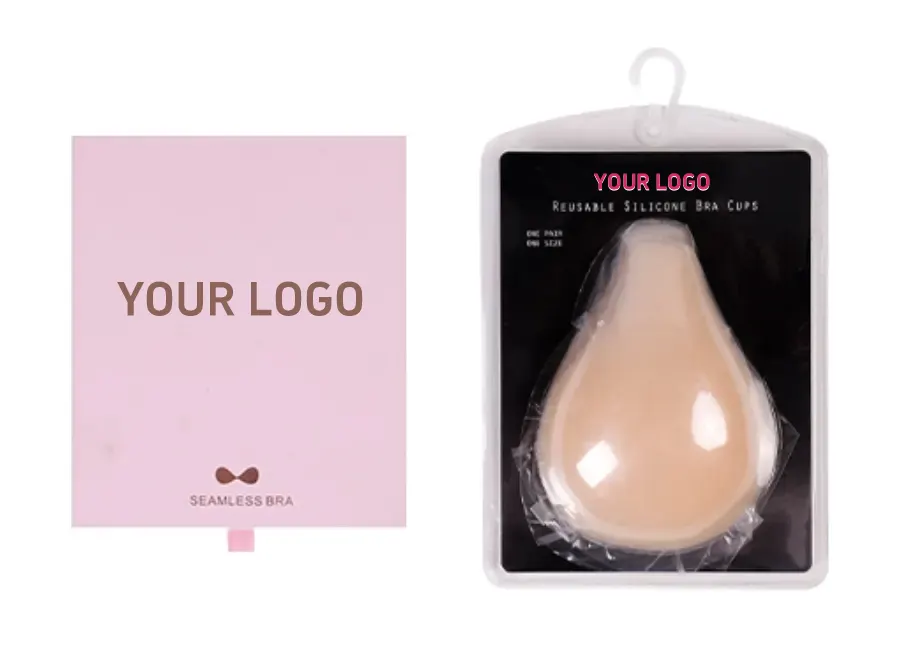
Packaging directly preserves silicone adhesive tackiness, prevents transit deformation, and builds immediate post-purchase consumer trust for intimate-wear brands.
Protecting Adhesive Performance and Product Shape during Shipping
Raw silicone adhesive is highly vulnerable to environmental elements from the moment it leaves the production floor.
- Adhesive Shielding: تراب, airborne fibers, and sudden air exposure degrade the pressure-sensitive gel, reducing its lifespan before the first wear.
- Deformation Prevention: Rigid or semi-rigid structural designs keep the curved dome shape intact, stopping the flattening caused by pressure in stacked shipping cartons.
- Protective Film Application: Tailored backing films create an airtight barrier, locking in silicone tackiness and ensuring reliable skin adhesion out of the box.
Protecting these physical properties directly lowers retail return rates caused by early adhesion failure during transit.
Building Brand Trust and Guiding Post-Purchase Care
Customers purchasing intimate apparel prioritize skin safety and long-term product utility over cheap, disposable alternatives.
- Credibility Signaling: ينظف, professional packaging signals sanitary safety and builds instant buyer confidence for products worn on sensitive skin areas.
- Longevity Education: Clear care cards guide users through correct washing and drying cycles, preserving the active adhesive for up to thirty wears.
- Value Reinforcement: Reusable travel cases and custom paper boxes turn a simple utility item into a premium, giftable wardrobe accessory.
Clear communication regarding product preservation converts a single transaction into sustainable customer retention.
Types of Silicone Nipple Cover Packaging
Packaging directly impacts silicone nipple cover adhesive life and shelf appeal. Choosing the correct format aligns your product protection with your target sales channel’s logistics.
Primary Packaging Formats by Commercial Channel
Your sales channel dictates your packaging strategy. Factories must match the outer protection to the specific transit and display demands of the target buyer.
- Wholesale and Factory Bulk: These bulk orders rely on low-cost polybags or folded blister packs to minimize transit weight and storage space.
- E-commerce and Marketplaces: E-commerce brands and marketplace sellers utilize printed paper boxes and retail kits complete with pre-applied barcode labels to speed up warehouse handling.
- Boutiques and Premium Retail: Boutiques and high-end brands opt for rigid PET boxes, metal tin cases, or custom gift boxes to establish premium shelf positioning.
Choosing the wrong format for your channel destroys margin. Heavy rigid boxes eat up e-commerce shipping fees, while cheap polybags kill boutique retail trust instantly.
Structural Components for Adhesive Preservation and Care
Silicone adhesive is highly sensitive to dust, هواء, and physical pressure. The right internal structural elements preserve the stickiness and shape of the covers over their entire lifecycle.
- Protective Films and Sealed Trays: These elements prevent dust contamination on the adhesive backing prior to the first wear.
- Insert and Care Cards: These cards deliver critical instructions on washing and storage to maximize the product’s reuse cycle.
- Travel Cases and Plastic Domes: These travel-friendly storage cases and plastic domes maintain the contoured shape of the silicone covers during handling.
Without these structural safeguards, the pressure-sensitive adhesive degrades long before reaching the consumer. Investing in a contoured tray and protective film directly slashes return rates.
Scale Your Brand With Premium Invisible Lingerie
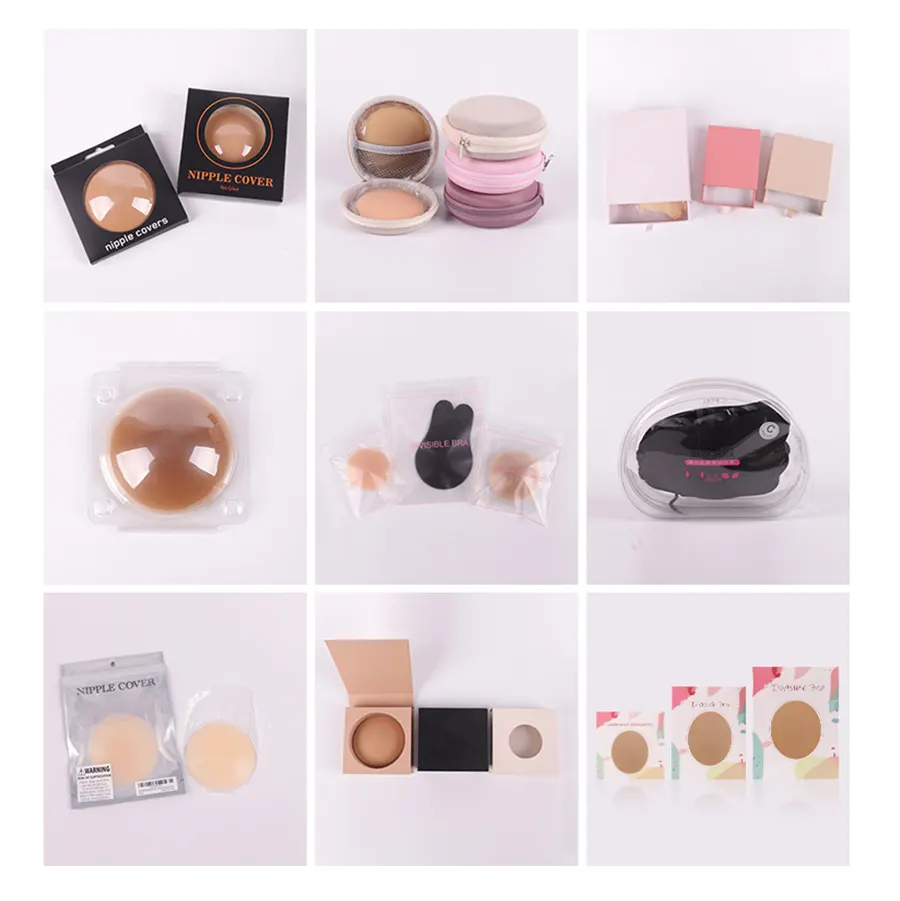
Choosing Packaging Materials
Silicon nipple cover packaging must preserve adhesive tack and maintain cup shape. Sourcing the right combinations of structured trays and protective films directly prevents product damage and retail returns.
Core Materials and Functional Requirements
Silicone nipple covers are highly sensitive to physical compression and environmental contamination. Selecting materials that shield the delicate adhesive while preventing physical flattening ensures the product performs exactly as intended upon unboxing.
- Protective films and backing sheets: These elements shield the silicone adhesive layer from dust, الوبر, and abrasion during handling and storage.
- Molded pulp inserts and plastic trays: These structural components stabilize the product and prevent thin silicone cups from flattening or deforming in transit.
- Paperboard options: Standard paperboard provides a cost-effective surface for custom branding, while high-GSM rigid board improves crush resistance for bulk shipping.
- Retail and travel cases: PET clamshells maximize product visibility on retail shelves, whereas tin cases and EVA zipper cases offer durable, travel-friendly storage for long-term reuse.
- Usability designs: Intuitive packaging layouts ensure that customers can easily remove, ينظف, and store the nipple covers to extend the product life cycle.
Packaging Configurations and Sustainable Alternatives
Brands must match their packaging architecture to their distribution channels and environmental positions. Combining the correct outer shell with protective inserts creates a compliant, retail-ready unit.
- Basic and retail configurations: Basic setups utilize OPP bags and backing labels, while standard retail configurations combine custom paper boxes, care cards, and protective films.
- Premium and travel lines: Premium gift lines integrate rigid boxes with molded pulp trays, while travel-friendly lines prioritize compact, zip-up cases with clear instructions.
- Sustainable material alternatives: Options like FSC-certified paperboard, sugarcane bagasse, and biodegradable paper sleeves using soy-based ink satisfy sustainable brand positions.
- Retail-ready components: Finished packages must integrate essential components including protective films for adhesive preservation, care cards for washing guidance, and barcode labels for inventory compliance.
Custom Logo and Branding Options
Successful nipple cover branding balances subtle, skin-safe on-product logo placement with tiered packaging systems designed to protect the adhesive and scale with order volumes.
On-Product Logo Application and Color Customization
Branding silicone nipple covers requires strict technical restraint. We place all logos and designs exclusively on the outer, non-adhesive side of the cover. This protects the skin-safe adhesive layer from chemical interference and maintains its grip.
For applying these designs, you have three primary printing paths depending on your artwork:
- Silk-Screen Printing: Best for clean, solid brand names and crisp monochrome logos.
- Pad Printing: Ideal for maintaining logo geometry on highly curved or domed silicone profiles.
- UV Printing: The go-to method for complex, multi-colored gradients or highly detailed promotional pastie designs.
If you want to avoid ink entirely, 3D tooling is the smartest choice. We integrate embossed or debossed logos directly into the silicone injection mold. This creates a tactile, understated brand mark on the non-skin side without introducing color contrast.
Aesthetic customization extends heavily to color and texture. Factories match up to 98% of Pantone codes, allowing you to build inclusive skin-tone ranges that include beige, caramel, tan, and dark brown shades. You can also specify either a matte or glossy outer surface finish to align with your brand guidelines.
Branded Packaging Systems and Tiered Customization Frameworks
Your choice of packaging directly impacts product life and how customers perceive your brand. You can deploy several custom packaging formats to match your market tier:
- Paper Tuck Boxes: Standard folding cartons that offer balanced costs and excellent print surfaces for retail and e-commerce.
- Premium Magnetic Rigid Boxes: Heavy-duty board with soft-touch finishes that create a high-end, gift-like unboxing experience.
- Reusable PU Pouches: Durable storage options that protect the silicone adhesive from dust and moisture between wears.
To reduce customer complaints and product returns, you should include branded collateral inside the box. These pieces instruct users on correct product care:
- Custom Care Cards: Provide detailed, step-by-step washing, تجفيف, and storage instructions.
- Retail Labels and Hang Tags: Carry scannable barcodes, size and color details, and regulatory material disclosures.
We structure custom private-label projects into three execution tiers. Light customization applies your logo to standard factory shapes and existing packaging formats, keeping upfront costs low and speed-to-market fast. Medium and full customization allow you to modify edge thickness, create multi-pair retail bundles, and design proprietary molds.
When submitting a factory RFQ, you need to provide specific technical data. Ensure your brief contains vector artwork files, exact dimensional requirements, edge taper profiles, and target order volumes.
Premium Packaging Design Ideas
Premium packaging protects silicone adhesive, prevents dome deformation, and elevates unboxing aesthetics, allowing brands to command higher retail margins while reducing customer returns.
Core Structural Formats and Adhesive Protection
Protecting the physical dome shape and preserving the sticky adhesive layer requires a structurally secure package. Rigid magnetic box systems paired with custom molded trays safeguard the delicate contours of the product, preventing edge warping and surface contact during transit.
For active or travel-focused product lines, travel-ready EVA zipper shells and hard cases prevent compression during transport. Brands seeking lighter, high-efficiency options can use resealable laminated pouches to reduce dimensional weight and shipping fees while keeping the product clean.
To maintain adhesive integrity, apply flat, adhesive-safe PET protective release films directly to the silicone sticky side. This keeps dust and lint off the surface, ensuring the covers remain sticky and ready for multiple uses.
Tactile Surface Finishes and Tiered Unboxing Experiences
The initial physical touch sets the expectation for quality. Applying soft-touch coatings and debossed logos to the outer box creates an immediate tactile upgrade that signals premium retail value before the customer even opens the package.
To meet global eco-conscious standards, replace plastic foam trays with molded sugarcane pulp inserts. These biodegradable, compostable trays cradle the curved silicone covers without relying on single-use plastics.
Luxury brands build value by choreographing the unboxing process. Structured opening layers, including custom inner envelopes and reusable velvet storage bags, create a premium retail experience that drives customer retention.
Clear back-panel layouts provide essential support by displaying step-by-step care instructions and precise skin-tone guides. High-contrast instructional layouts help customers make accurate decisions and reduce returns caused by incorrect usage.
Packaging Requirements for Ecommerce Brands
Ecommerce packaging must protect adhesive integrity and meet strict platform rules to prevent returns and avoid warehouse compliance penalties.
Primary and Secondary Packaging Standards
Direct contact packaging dictates how long silicone adhesive remains effective before first use. Protecting the pre-molded shape from flattening is critical for premium retail presentation.
- Adhesive protection: Apply protective anti-stick backing directly to the adhesive side to prevent dirt build-up and maintain performance.
- Shape retention: Use rigid PET or custom molded pulp trays inside retail boxes to keep the covers from losing their shape.
- Compliance labeling: Add clear material labels identifying the product as 100% silicone to satisfy intimate apparel packaging rules.
- User instructions: Include step-by-step care cards to guide users through cleaning, تجفيف, and reapplying the protective film.
Properly structured primary layers do double duty by acting as both shipping containment and home storage units for the consumer.
Logistics and Platform Compliance Protocols
Fulfillment centers impose rigid handling standards to prevent inventory damage and expedite scanning during intake.
- Polybag thickness: Select clear polybags with a minimum thickness of 1.5 mil and print prominent suffocation warnings on openings of five inches or more.
- Carton durability: Fulfill orders using sturdy corrugated shipping cartons with at least an Edge Crush Test rating of 32.
- Privacy wrapping: Wrap items in opaque black polybags if selling on platforms that categorize silicone covers as adult or intimate goods.
- Transit testing: Confirm retail packaging can survive a standard three-foot drop test onto hard surfaces without breaking.
Adhering strictly to these freight dimensions and barrier requirements keeps warehousing fees low and protects margins from compliance chargebacks.
Sustainable Packaging Options
Standard plastic packaging damages both eco-credentials and sensitive adhesives. Shifting to fiber-based, structured packaging protects product shape while meeting modern sustainability expectations.
Primary Packaging Formats and Sustainable Materials
Brands must balance hygiene with plastic reduction. The outer box and internal trays require materials that withstand shipping compression without collapsing.
- FSC-certified kraft paper folding cartons: We recommend these uncoated cartons printed with soy-based inks to lower carbon footprint and guarantee curbside recyclability.
- Molded pulp and sugarcane bagasse inner trays: These biodegradable forms cradle the silicone discs securely, preventing edge deformation during transit without using plastic.
- Lightweight recyclable paper pouches: Excellent for flat-profile e-commerce sleeves, this format reduces material weight and shipping volume.
Transitioning to these structures helps brands satisfy strict global waste regulations while presenting a clean, organic aesthetic during the unboxing experience.
Protective Adhesive Liners and Reusable Storage Cases
Reusable nipple covers rely entirely on pressure-sensitive adhesive. The primary packaging must shield this tacky layer from dust, الوبر, and temperature fluctuations.
- Water-based coated paper backing sheets: These replace rigid plastic liners with thin, recyclable films and sheets designed for easy peeling and reapplication.
- Reusable storage cases: Durable tin, organic fabric, and silicone zip pouches extend the product’s lifecycle up to 30 uses by keeping the covers clean.
- Minimalist recycled care cards: These cards detail critical washing, air-drying, and preservation steps to prevent early adhesive wear.
Providing long-term storage options directly reduces repeat purchases of single-use accessories, reinforcing a brand’s actual zero-waste commitment.
Packaging Protection During Shipping
Shipping damage and adhesive degradation ruin private-label margins. Brands must secure product shape and climate stability to prevent costly customer returns.
Nipple covers require localized physical defense at the unit level. Without proper immobilization, pressure-sensitive adhesives fail before they reach the consumer.
Protective Layering and Structural Integration
- PET Protective Film: Bubble-free application blocks dust contamination and air exposure, preserving the initial adhesive tackiness.
- Molded Contour Trays: Custom-fit pulp or PET trays mirror the product shape to eliminate deformation, peeling, and edge curling.
- Rigid Outer Boxes: Reverse tuck end paper boxes defend against compression forces while minimizing dimensional weight.
- Sealed Polybags: Leak-proof OPP or zipper polybags block moisture, surface oxidation, and environmental contaminants during heavy handling.
Bulk shipping introduces severe environmental risks. Long-distance logistics demand strict temperature boundaries and strict inventory controls to protect active silicone gel.
Climate Control and Carton Logistics
- Climate Thresholds: Maintaining temperature ranges between 5 و 27 degrees Celsius and relative humidity under 50 percent protects silicone gel from chemical degradation.
- التدريع للأشعة فوق البنفسجية: Opaque master cartons block ultraviolet light, stopping premature yellowing and aging of the adhesive layers.
- FIFO Systems: First-In, First-Out inventory rotation guarantees adhesive performance does not degrade during transit and storage.
- Channel-Specific Configurations: Custom packaging structures adapt to distinct channels, including Amazon FBA requirements, retail displays, و bulk wholesale.
OEM Packaging Development Process
Aligning packaging design with product specifications early prevents adhesive degradation and structural deformation during transit, directly reducing return rates and securing brand trust.
| Packaging Phase | Focus Area | Critical Standard |
|---|---|---|
| Design & Prototyping | Requirement collection and mockups | Physical fit validation on product samples |
| Pre-Production | Artwork, Pantone matching, and materials | Locking physical print proofs before mass production |
| Quality Inspection | Print precision and material integrity | Zero-defect print quality and structural durability |
| Logistics Prep | Fulfillment labeling and export markers | Scannable barcodes and compliant carton marks |
Phase-by-Phase Development and Integration Workflow
We treat packaging development as an active phase of the overall production cycle. Designing the box and protective elements alongside the silicone mold prevents sizing discrepancies and delays during mass production.
- Requirement Collection & Proposal: We gather product dimensions, target market requirements, and branding guidelines alongside raw product specs to draft the initial packaging layout.
- Sample-Stage Mockup Integration: We build preliminary packaging mockups, including care cards and retail box structures, during the prototyping phase to test fit and brand presentation.
- Pre-Production Confirmation: We lock in the final vector artwork, exact Pantone colors, and material specifications with your team before the factory starts mass production.
- Post-Production Packing: Our team packs the finished, inspected silicone nipple covers directly into their approved custom packaging before preparing bulk logistics markers.
Material Specifications and Quality Inspection Standards
Protecting the pressure-sensitive adhesive and maintaining the physical dome shape requires specialized packaging materials. We apply strict quality control across every packaging component to ensure retail readiness.
- Retail Boxes & إدراجات: We use custom retail boxes and structured card inserts to hold the delicate silicone shape securely, preventing deformation during transport.
- Hygienic Care Cards: We include clear user guides with instructions for washing and storing the reusable silicone covers to protect product lifespan and maintain stickiness.
- Printing & Color Checks: Our quality assurance teams inspect color accuracy and logo print precision against approved physical samples to prevent variance.
- Fulfillment Labeling: We apply clean barcodes and carton marks that match international retail and warehouse tracking standards, including FBA specifications.
Packaging Cost Factors
Packaging accounts for 15% ل 35% of silicone nipple cover FOB costs, making structural choices and material selection the primary levers for brand margin optimization.
For brands sourcing custom silicone nipple covers, packaging serves as both a protective barrier and a critical driver of the final unit economics. Selecting the correct packaging tier directly impacts your margin profile and retail pricing strategies.
Core Packaging Tiers and Cost Benchmarks
Production costs scale based on structural complexity and presentation. Brands typically operate within four distinct pricing tiers:
- Minimalist Protection: OPP bags or simple kraft packaging cost $0.05 ل $0.15 لكل وحدة, serving well for bulk shipping, online refills, or budget bundles.
- Standard Folding Cartons: Retail-ready paperboard boxes run $0.60 ل $1.50 لكل وحدة, acting as the industry standard for mid-tier retail shelves.
- Premium Rigid and Magnetic Boxes: Multi-piece custom designs range from $2.00 ل $3.00+ لكل وحدة, providing the structure and aesthetic needed to support luxury pricing.
- FOB Cost Contribution: Complete retail-ready packaging generally makes up 15% ل 35% of the total FOB unit cost for silicone products.
Primary Cost Drivers and Optimization Levers
Brands can optimize production spend and logistics without degrading the unboxing experience by targeting specific design and supply chain inefficiencies.
- Material Selection: Specifying Coated Recycled Board (CCNB) instead of Solid Bleached Sulfate (SBS) cuts raw paperboard costs by 20% ل 35%.
- Logistical Volume Reduction: Shipping folding cartons flat rather than pre-assembled reduces shipment volume by up to 80%, lowering ocean freight and warehousing costs.
- Print and Finish Simplification: Restricting foil stamping, heavy embossing, and multi-color prints to flagship lines controls finishing costs.
- Tooling and Standardized Dimensions: Using uniform box sizes across different nipple cover models amortizes custom die-cutting fees and maximizes bulk order economies of scale.
Packaging Checklist for Private Label Brands
Protecting adhesive integrity and providing clear care instructions are the dual priorities for private label silicone nipple cover packaging to eliminate returns and build brand equity.
Physical Structural Components and Material Selection
Physical packaging preserves the product’s structural shape and adhesive quality from the factory floor to the end user. Selecting the right materials prevents transit damage and supports your market positioning.
- Outer Packaging Box: Base your box selection on brand positioning. Choose folding paper cartons for mass retail chains, magnetic closure boxes for premium lines, or durable tin cases for travel-friendly collections.
- Inner Blisters or Trays: Use custom-fitted inner blister packs or rigid trays to preserve the convex shape of the silicone nipple covers and prevent warping under compression.
- Protective Release Film: Apply a low-lint, pressure-sensitive release film directly onto the adhesive side during production to block dust and lint contamination.
- Storage Pouch or Case: Include a dedicated storage case or fabric pouch to extend the product’s usable lifespan and offer convenient, clean travel storage.
Labeling Requirements and Care Card Specifications
Clear labeling establishes trust and ensures compliance with international retail standards. Because nipple covers are reusable, instructions are vital to maintain performance.
- Front-Panel Details: Display the brand logo, product name, exact skin-tone shade identifiers, and the coverage diameter clearly on the front of the box.
- Back-Panel Regulatory Data: Print mandatory regulatory information, including country of origin, importer contact details, material composition, traceable lot codes, and scannable EAN/UPC barcodes.
- Care Card Step-by-Step Instructions: Outline the exact steps for skin preparation, gentle edge-peel removal, washing with mild soap, and air-drying.
- Safe Storage and Warnings: Advise users to limit wear times to eight hours, avoid applying to broken or sunburnt skin, and store the covers in safe environmental parameters.
الأفكار النهائية
While generic polybags offer lower upfront costs, structurally secure packaging with custom molded trays and protective release films is the only way to safeguard your brand reputation against adhesive degradation and shape deformation. Cutting corners on protective materials directly triggers retail returns and erodes consumer trust in intimate-wear markets. Investing in a technically sound packaging system protects your product’s performance and secures your retail margins.
Do not guess on structural packaging fit or material compatibility. We recommend starting with a custom sample package to test our molded trays and print finishes with your physical product line. Contact our team today to share your artwork files and review custom OEM specifications.