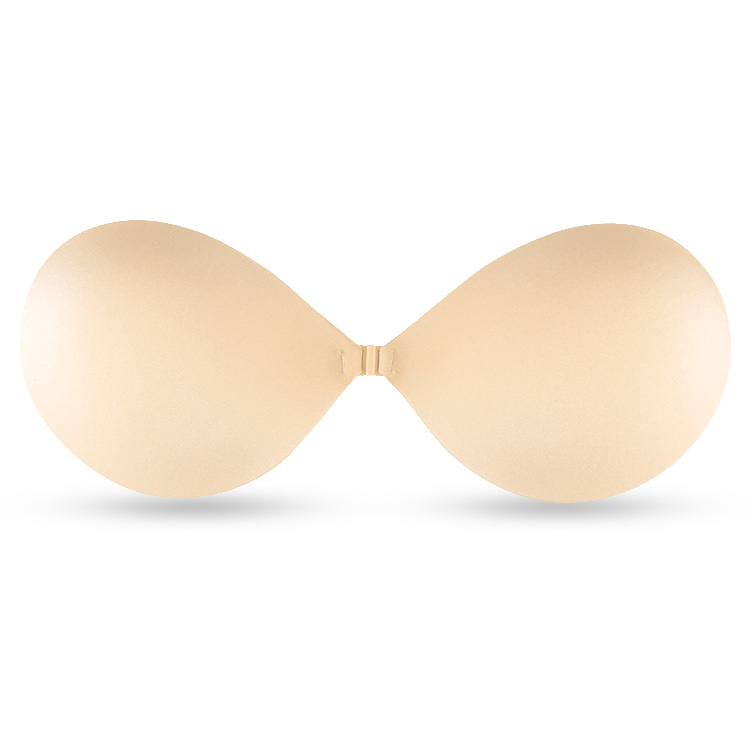
Evaluating OEM vs ODM Silicone أغطية الحلمة Which Is Better for your brand depends on balancing initial tooling capital against long-term margin erosion. Choosing the wrong manufacturing model risks draining your launch budget on unamortized mold fees or leaving your product vulnerable to copycat competitors who share the exact same catalog designs.
This analysis benchmarks private-label and custom contract manufacturing pathways using direct factory metrics. We compare critical friction points, including upfront mold fees ranging from 500 ل 2,000 dollars, minimum order thresholds from 500 ل 5,000 أزواج, and production timelines to help you secure a profitable sourcing strategy.
What Is OEM Manufacturing?
OEM manufacturing lets brands outsource production to specialized factories while retaining 100% ownership of their product designs, مواد, and custom specifications.
Core Principles of Build-to-Print Partnerships
In a standard OEM setup, the factory operates as an execution partner. The commissioning brand holds the product vision, and the manufacturer delivers on that vision with strict accuracy.
- Brand Ownership: Brand owners retain full control over product concepts, الشعارات, and market positioning while outsourcing technical production to specialized factories.
- B2B Delivery: The manufacturing facility acts as a business-to-business supplier, delivering finished goods or components instead of selling directly to end consumers.
- Contract Manufacturing: Agreements ensure the factory adheres strictly to the client’s material specifications, quality standards, and design dimensions.
The Production Workflow for Custom Silicone Nipple Covers
تصنيع custom silicone covers requires highly managed steps to translate design files into reliable, skin-safe products.
- Specification Submission: Clients submit detailed specifications covering target dimensions, thickness profiles, skin-safe silicone grades, and reusable adhesive formulations.
- Technical Review and Prototyping: Manufacturers conduct technical reviews and create physical prototypes to test adhesion strength, skin compatibility, and edge thinness under realistic wear conditions.
- Molding and Packaging: Factories manage mold tooling, high-volume silicone molding, precise adhesive coating, and quality control before packing finished goods into custom branded retail boxes.
What Is ODM Manufacturing?
ODM manufacturing lets brands launch private-label silicone nipple covers rapidly using pre-engineered, factory-owned designs. This model cuts upfront R&D costs but limits unique product differentiation.
An Original Design Manufacturer (ODM) builds, owns, and controls the product design and intellectual property. For silicone nipple covers, the factory designs the shapes, determines the silicone formulation, and fabricates the molds. They maintain these assets, leaving you with no technical R&D burden.
Core Definition and Step-by-Step Workflow of ODM in Nipple Cover Production
Using an ODM partner shifts the engineering workload completely to the supplier. Instead of spending months designing contours and testing adhesion ratios, your brand accesses a library of market-tested products.
- Catalog Selection: Brands choose standard nipple cover designs from existing factory catalogs. Options include established sizes like 8 سم, 10 سم, أو 12 سم, distinct thickness profiles, and pre-formulated adhesive backings (reusable silicone gel or single-use adhesives).
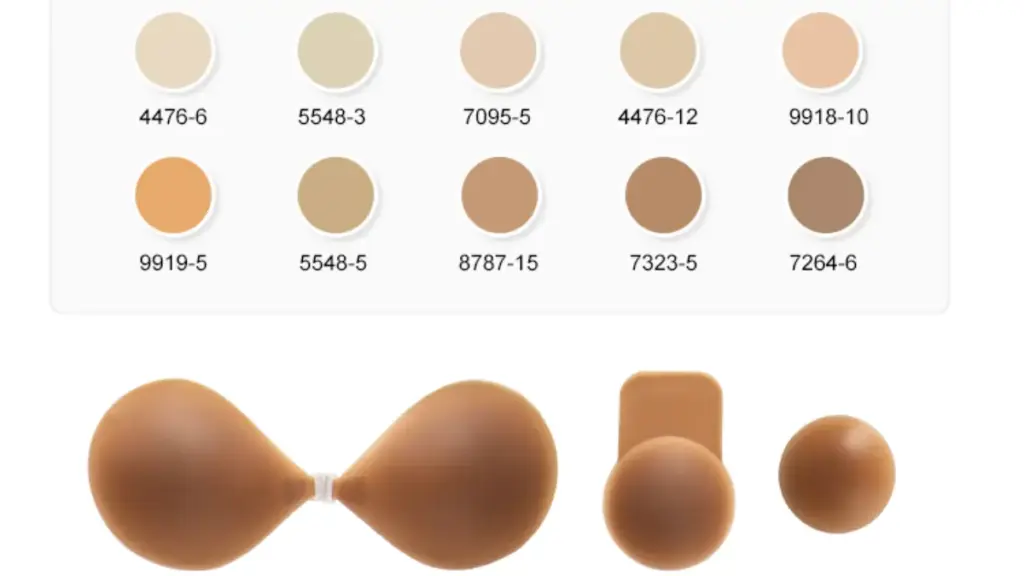
- Cosmetic Customization: The manufacturer adjusts cosmetic details to fit your brand guidelines, such as modifying the nude color palette, adding a matte or glossy surface finish, or applying logo branding to the product backing.
- Packaging Integration: The factory applies your custom-designed retail packaging, box styles, care cards, and branding elements to the ready-to-market silicone covers, producing a fully finished shelf-ready product.
This streamlined workflow bypasses engineering delays. You receive high-quality, pre-tested intimate accessories without paying tooling fees, relying on the manufacturer’s established production parameters and regulatory certifications.
Strategic Differences and Brand Trade-offs Between ODM and OEM Models
The decision between ODM and OEM centers on speed, يكلف, and design exclusivity. While ODM represents a low-friction entry point, OEM requires a deep commitment to technical development and proprietary tooling.
- Upfront Investment: ODM projects require virtually zero tooling costs ($0 ل $500 for brand engraving), whereas OEM demands a one-time mold fee of $500 ل $2,000 alongside custom R&D spending.
- الحد الأدنى لكميات الطلب: ODM is highly flexible with typical MOQs of 500 ل 2,000 أزواج, making it ideal for testing markets. OEM requires 5,000+ pairs per SKU to justify dedicated production runs.
- وقت الوصول إلى السوق: Catalog-based ODM products launch in 1 ل 3 شهور. Bespoke OEM builds require 3 ل 12 months for CAD design, mold cutting, T1 sampling, and validation.
- Market Differentiation: Multiple brands often source the exact same ODM silicone shapes, leaving packaging and marketing as your primary differentiators. OEM provides exclusive shapes, proprietary adhesive formulations, and patentable design features.
Startups and fashion labels testing nipple covers as secondary accessories benefit from ODM speed and minimal capital risk. As order volumes scale past 5,000 pairs and competition heats up, transitioning to OEM secures long-term cost advantages, defensible intellectual property, and unique product performance.
Premium Custom Invisible Bras Wholesale
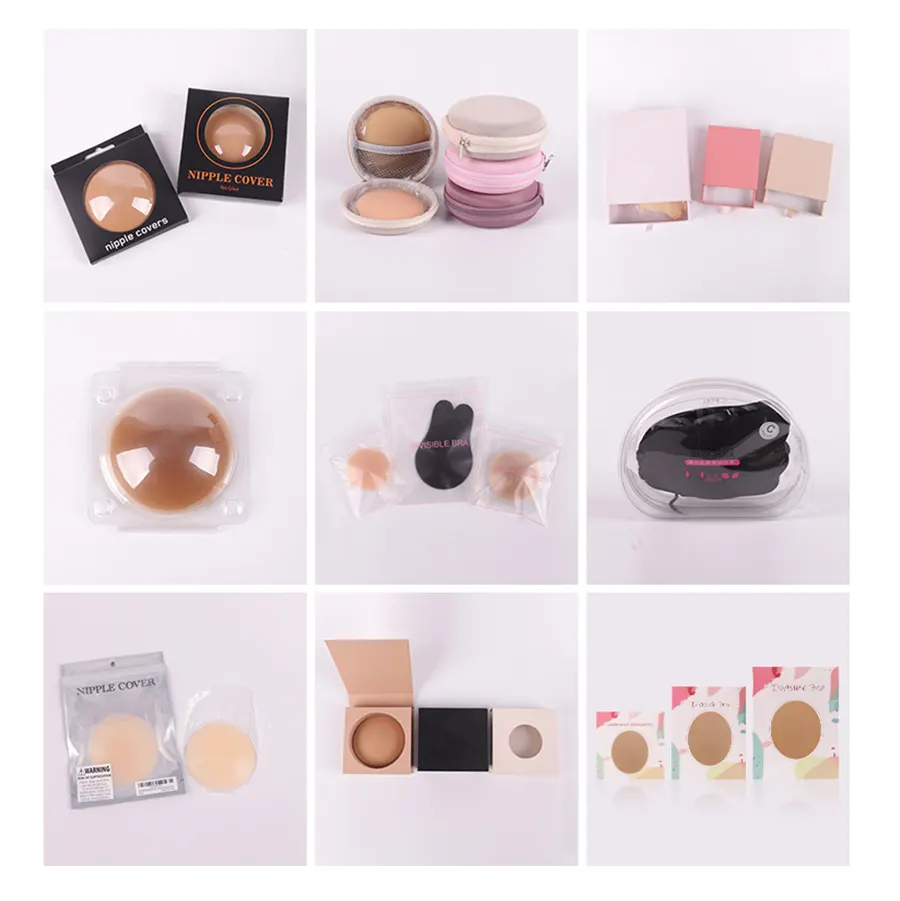
Cost Differences
OEM demands higher upfront tooling fees but cuts unit costs at high volumes, while ODM eliminates setup costs for faster, low-risk market entry.
Upfront Tooling and Development Expenses
Launching a new nipple cover line requires balancing your immediate cash flow against your long-term product exclusivity goals. The design path you choose dictates your Day 1 capital requirements.
- OEM Mold Fees: Custom molds cost between $500 و $2,000, creating a real capital barrier before you produce a single pair.
- ODM Tooling Costs: Factories bypass mold fees entirely by using pre-existing, validated tooling, which drops setup costs to zero.
- ODM Custom Branding: Logo engraving runs under $0.50 لكل وحدة, while custom packaging design typically ranges from $200 ل $500.
- OEM Development Resource: Bespoke designs require extended R&D hours and multiple sampling iterations, driving up early-stage financial commitments.
Opting for OEM means you buy design ownership. If you select ODM, you trade that exclusive design IP for immediate cost savings and a faster launch window.
Per-Unit Pricing and Volume Amortization
Unit economics shift dramatically depending on how many pairs you order. Choosing the right production scale prevents you from overpaying for inventory or getting stuck with unsellable stock.
- Direct Sourcing Cost: Factory-direct ODM pricing sits at $0.80 ل $1.60 per pair, compared to trading company markups of $1.50 ل $2.50.
- Low-Volume Run Viability: Small batches of 500 ل 2,000 pairs heavily favor ODM because you do not have custom tooling costs to recover.
- OEM Volume Amortization: At volumes past 5,000 ل 10,000 أزواج, OEM per-unit costs drop below ODM because the mold fee is completely amortized.
- OEM MOQs and Storage: Custom orders usually require a minimum of 5,000 أزواج, which increases your initial capital exposure and ongoing warehouse costs.
For a brand testing the market, ODM limits your inventory risk. Once your sales stabilize and exceed the 5,000-pair threshold, transitioning to OEM secures your margins and locks out competitors.
Development Timeline Comparison
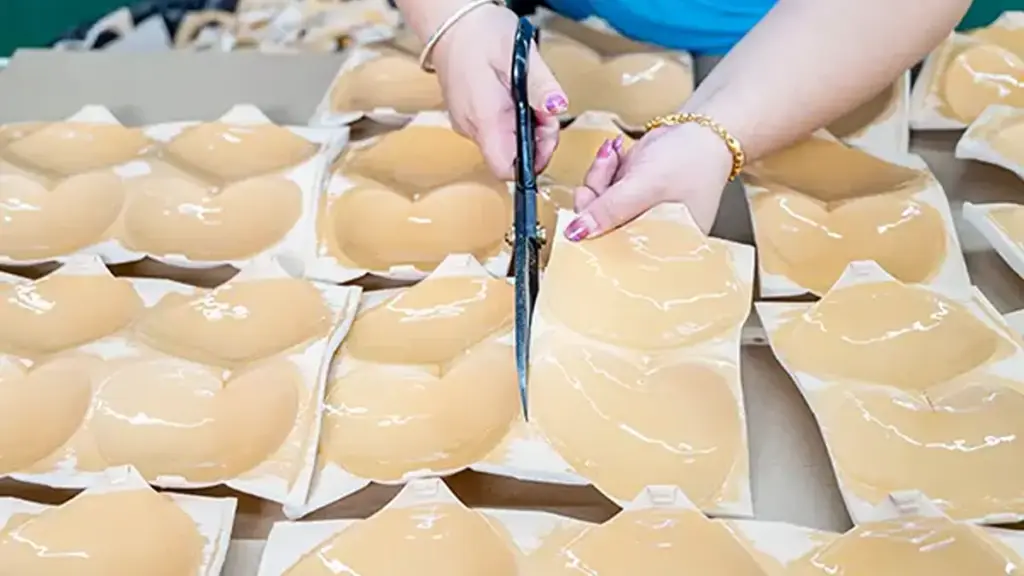
ODM gets branded products to market in under 60 أيام, while custom OEM builds require three to twelve months to engineer proprietary molds and adhesives.
Phase-by-Phase Project Lifecycles
Developing silicone nipple covers follows two distinct engineering pathways. Launching a ground-up design requires sequential tooling, while rebranding a factory catalog minimizes frontend development.
- OEM Custom Design and Tooling: يتطلب 2 ل 4 weeks for CAD design and optimization, followed by 10 ل 18 days for mold cutting and surface texturing.
- OEM Prototyping and Production: Takes 3 ل 5 days for initial T1 sample runs, with bulk manufacturing requiring 20 ل 35 days after sample approval.
- ODM Catalog Selection: Eliminates mold fabrication, allowing brands to obtain ready-to-test sample covers in 3 ل 5 أيام.
- ODM Customization and Production: Secures packaging artwork designs within 1 ل 2 weeks and completes mass production in 15 ل 20 أيام.
Skipping mold cutting slices the schedule. By bypassing mechanical trials, brands bypass typical manufacturing bottlenecks entirely.
Strategic Drivers and Practical Launch Scenarios
The ideal development model depends on your business goals. Quick seasonal drops require speed, but proprietary, high-performance product lines justify structural engineering investments.
- Why ODM Speeds Market Entry: Pre-tested designs remove engineering trials and tooling phases, shortening setup times to under 60 أيام.
- When OEM Validates Longer Timelines: Custom shapes, sensitive skin adhesive formulas, and multi-size ranges justify a 3 to 12-month cycle.
- Rapid Private-Label Launch Scenario: Achieves retail-ready stock in 1.5 ل 2.5 months using catalog designs and express logistics.
- Premium Custom Development Scenario: Demands 4 ل 6 months from 3D drawing to warehouse arrival to ensure perfect edge tapering.
Testing a category with low inventory risk points to standard designs, but securing long-term brand equity relies on custom physical molds.
الملكية الفكرية & ملكية العفن
OEM models grant brands total design ownership and portable tooling control, while ODM structures keep core IP and public molds under factory ownership.
IP Rights and Design Allocation for Silicone Nipple Covers
Understanding design ownership prevents costly legal disputes and copycat products in the B2B space. The division of intellectual property differs sharply depending on whether you choose custom manufacturing or catalog-based sourcing:
- OEM Custom Intellectual Property: Brands retain 100% ownership of original designs, dimensions, CAD files, contour profiles, and unique adhesive formulations when they fund custom R&د.
- ODM Base Design Licensing: Manufacturers retain IP rights over base shapes like round or teardrop profiles and public molds, granting brands a non-exclusive license to sell white-labeled versions.
- Exclusivity and Market Differentiation: OEM contracts prohibit factories from producing derivative designs for third parties, whereas ODM arrangements allow competitors to source identical nipple covers.
Mold Ownership and Contractual Safeguards
Physical tooling controls your production capacity. If you do not legally own and control your molds, you risk supply chain disruption and product duplication:
- Physical Tooling Control under OEM: Brands paying full tooling fees own the physical copper or steel molds, allowing physical removal and transfer to alternative factories.
- Public Molds and ODM Constraints: ODM factories maintain absolute ownership of public tooling, meaning brands cannot relocate molds and must accept production-capacity risks.
- Essential Contractual Clauses: Implement Chinese-language NNN agreements, register design patents with CNIPA before sharing CAD files, and engrave company names on custom tooling.
Which Model Fits Different Brand Types?
Match your sourcing model to your brand’s role. Choose OEM for highly customized hero products, or use ODM to scale accessories with lower risk.
Matching Sourcing Models to Specific Brand Archetypes
Your brand position determines your manufacturing path. Different business models require distinct product features and risk profiles:
- Premium Lingerie and Shapewear: These brands require OEM sourcing to deliver custom ultra-thin edges, proprietary color palettes, and body-sculpting contours.
- Sportswear and Activewear: Performance labels choose OEM partnerships to secure sweat-resistant, high-adhesion medical-grade silicone formulations that withstand intense physical movement.
- E-commerce and Marketplaces: Digital sellers leverage ODM products to launch quickly with minimal upfront capital and lower inventory risk.
- Medical and Sensitive-Skin Brands: Dermatology-focused labels select OEM production to tightly control material safety, hypoallergenic specifications, and regulatory compliance documentation.
Operational Trade-offs and the Phased Transition Strategy
Scaling a product line requires balancing capital and volume. Brands must navigate several operational inflection points before committing to custom production:
- Strategic Portfolio Role: Assess the strategic role of nipple covers in your portfolio, choosing OEM if they serve as a core hero product and ODM if they function as secondary accessories.
- Tooling Capital Limits: Evaluate capital limits against tooling requirements, noting that OEM custom molds require upfront investments ranging from USD 600 to over USD 8,000 في 2026.
- Phased Transition Strategy: Adopt a phased transition strategy by testing the market with low-risk ODM models before investing in proprietary OEM molds for proven best-selling styles.
- Volume Thresholds: Compare volume capabilities against factory requirements, matching ODM’s accessible 500 ل 2,000 pair minimums or scaling to OEM’s higher volume thresholds for maximum cost efficiency.
When to Upgrade from ODM to OEM
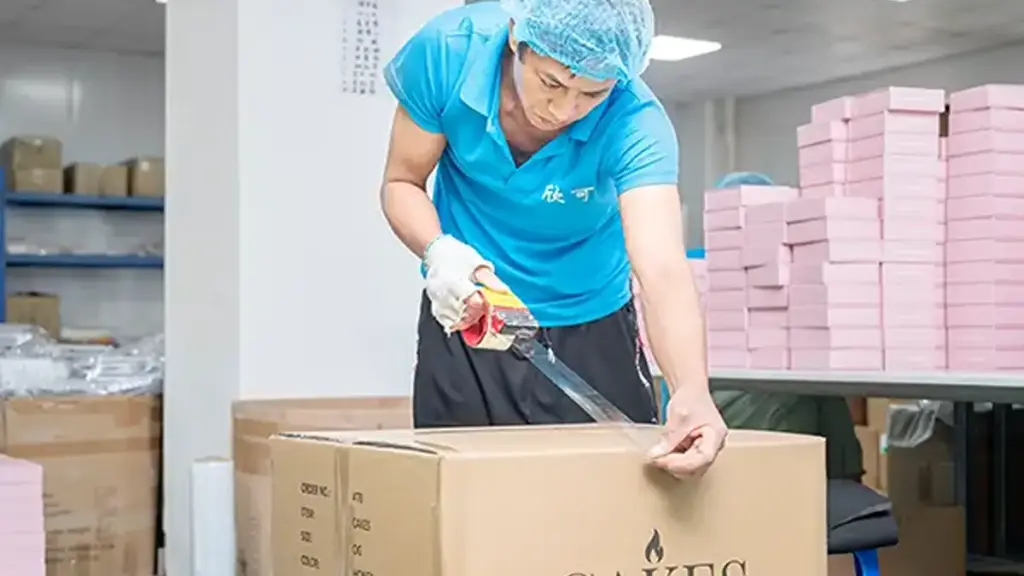
Transition to OEM when your volume justifies custom mold costs, gross margins plateau under shared tooling, or you require defensible intellectual property for your brand.
Economic and Volume Thresholds for Transitioning
Starting with ODM keeps your upfront capital safe, but scaling past a certain point turns shared catalog designs into a margin drag. High-volume brands must eventually run the numbers on dedicated tooling to unlock better unit economics.
- الحد الأدنى لكميات الطلب (مو): You need a consistent demand of 5,000+ pairs per order to satisfy standard OEM production minimums.
- Tooling Amortization: Your annual sales must reach 10,000 ل 20,000 pairs to easily offset the initial mold fees of USD 500 ل 2,000.
- Gross Margin Plateau: Unit costs stagnate under ODM structures because further per-unit reductions require dedicated, optimized tooling.
- Retail Channel Demands: Stricter retail buyers often mandate exclusive SKUs or custom packaging dimensions that catalog suppliers cannot accommodate.
Moving to OEM shifts your cost structure. You pay more upfront, but your cost-per-pair drops significantly over high-volume production runs.
Product Customization and Intellectual Property Milestones
If your competitors source from the same catalog, your only differentiator is marketing. Upgrading to OEM lets you control the actual physical product performance and secure design exclusivity in the market.
- Bespoke Geometry: OEM gives you exclusive edge thickness profiles, custom shapes, and unique color gradients that fit your specific brand identity.
- Performance Tuning: You can specify exact characteristics like Shore hardness and custom skin-safe adhesives to meet strict comfort standards.
- الملكية الفكرية (الملكية الفكرية) Protection: You own the design IP and molds, which legally prevents competitors from copying your exact product from the same factory.
- Development Timelines: Upgrading requires managing an extended 3-to-12-month development window for custom mold engineering, prototyping, and validation.
Owning your molds makes your brand highly defensible. It also gives you the freedom to move your assets to another manufacturing partner if your current supplier fails to perform.
Decision Checklist
This checklist balances your product vision and IP needs against capital limits and launch speed to select the right silicone nipple cover manufacturing model.
Strategic and Operational Requirements
Before signing a manufacturing contract, you must define the scope of your product design and decide how much control you require over the physical assets. Your brand identity dictates whether you need custom engineering or a standard catalog selection.
- Product Vision and IP Ownership: Decide if your brand requires proprietary custom shapes (تصنيع المعدات الأصلية) to protect your intellectual property, or if standard, off-the-shelf patterns with simple rebranding (ODM) fit your catalog.
- Customization Tolerances: Map out required parameters including medical-grade adhesive formulations, customized thickness gradients, ultra-thin feathered edges for invisibility, and low-shine matte finishes.
- Factory Technical Capabilities: Verify that your chosen manufacturer can handle in-house mold development, compensate for silicone shrinkage during curing, and provide verifiable skin-contact safety certifications.
Financial and Timeline Constraints
Your budget and launch schedule will ultimately govern the feasibility of your production choice. Custom development demands significant upfront capital and patience, while private labeling optimizes cash flow and speed.
- Mold Fees and Capital Allocation: Compare your available development budget against typical OEM mold setup fees of $500 ل $2,000 per set, relative to the $0 tooling cost of using standard ODM molds.
- الحد الأدنى لكميات الطلب (مو): Match your sales projections to MOQ thresholds, comparing the flexible 500-to-2,000 pair requirements of ODM with the 5,000+ pair requirements typical of custom OEM runs.
- Time-to-Market Milestones: Choose between a rapid 1-to-3-month ODM private-label path and a 3-to-12-month OEM pipeline that includes prototyping, الاختبار, and custom tooling runs.
الأفكار النهائية
Choosing between OEM and ODM dictates your brand’s market positioning and long-term profit margins. While standard catalog ODM designs offer a fast, low-cost market entry, investing in custom OEM molds with proprietary skin-safe adhesives is the only way to safeguard your brand against fierce price wars and copycat competitors. Your path forward depends on whether you want to test the waters quickly or secure a highly defensible, premium market share.
Verify our manufacturing precision and test our medical-grade silicone formulas firsthand by ordering a custom sample pack. Our engineering team is ready to analyze your CAD drawings for OEM production or help you select and brand our top-performing ODM catalog styles. Reach out to our team today to secure your production slot and receive a detailed cost breakdown.