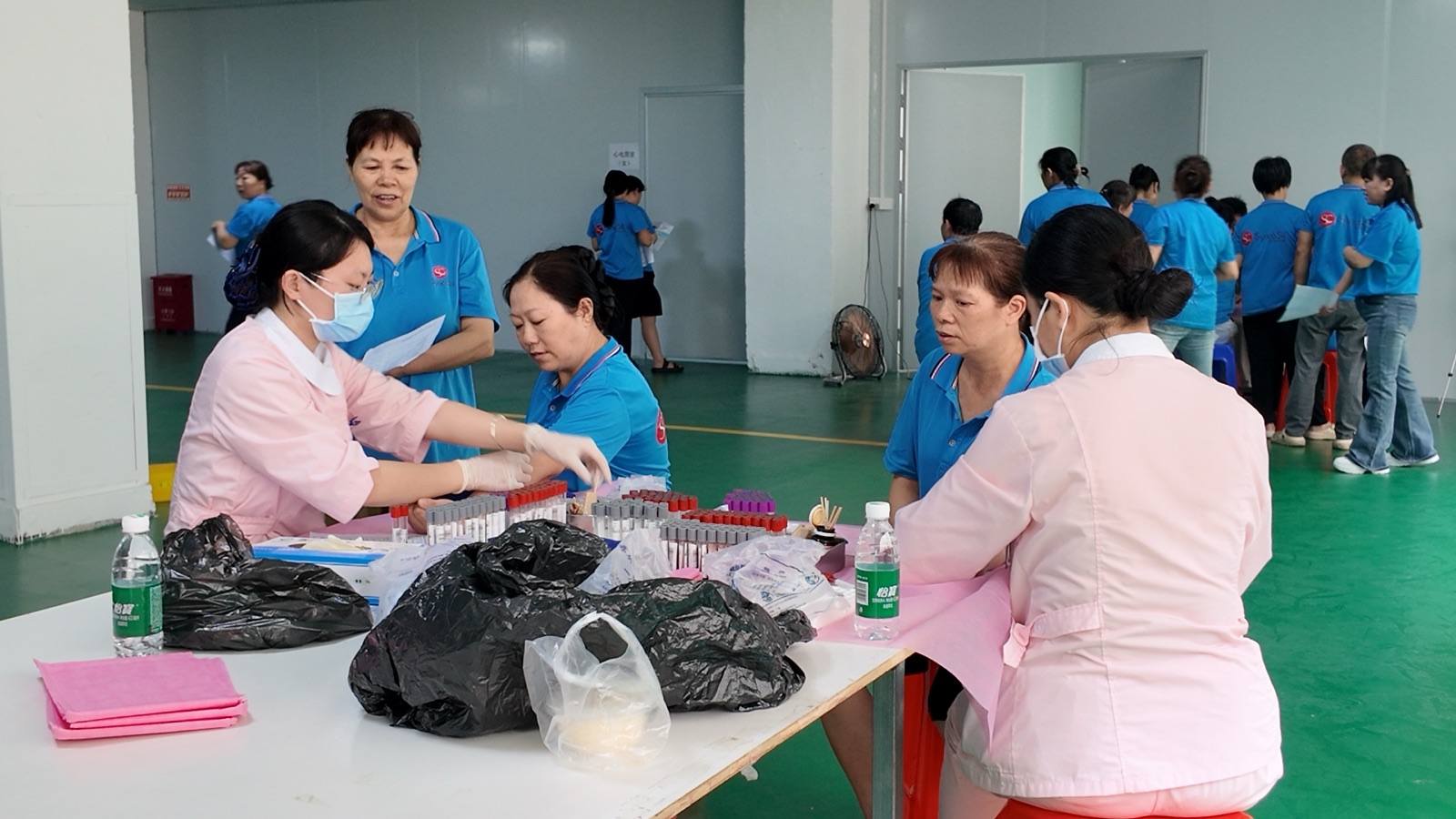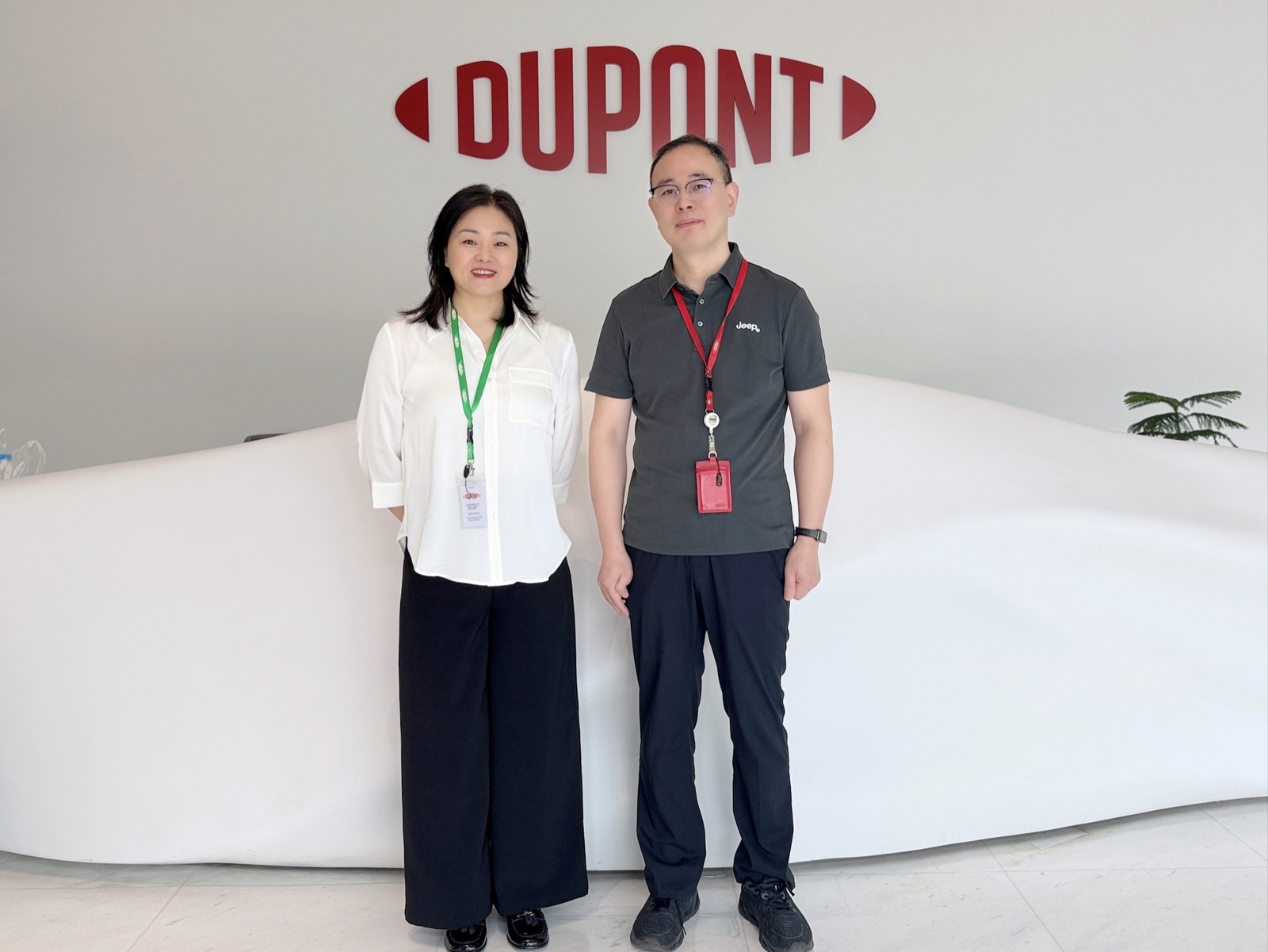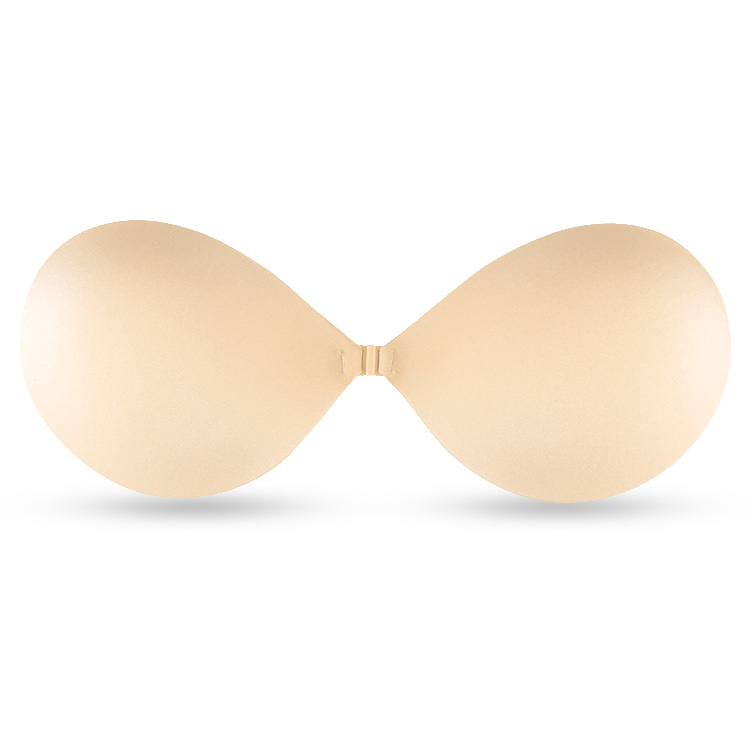
Selecting the wrong manufacturing partner risks catastrophic adhesive failures and costly product recalls that destroy customer trust.
This analysis benchmarks direct manufacturers against trading intermediaries to establish clear sourcing transparency. We evaluate ISO 9001 compliance, medical-grade silicone baselines, and fifty-thousand-unit monthly capacity thresholds to help you secure a scalable, low-risk result.
Why Factory Selection Determines Product Quality
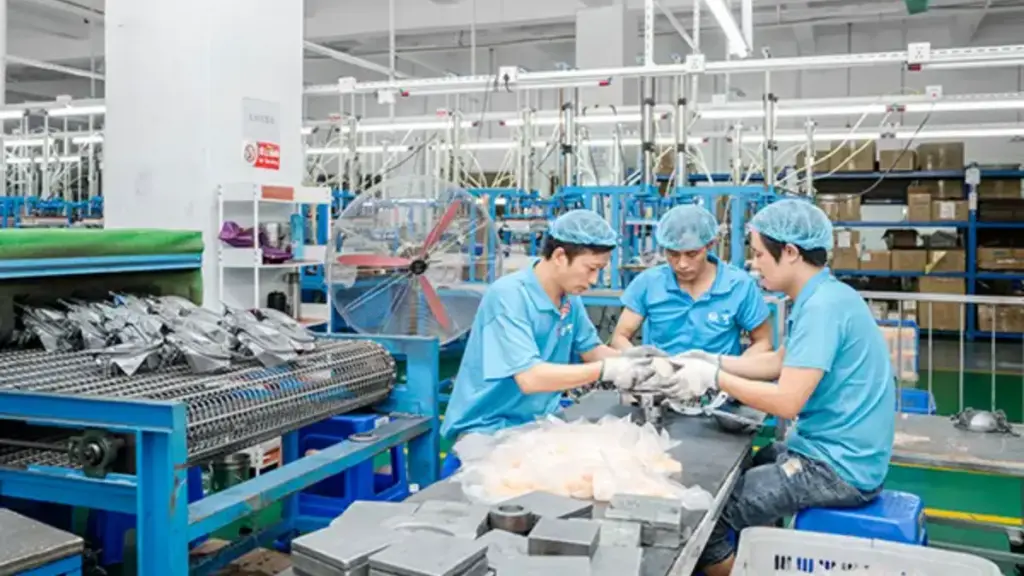
Your factory choice directly dictates return rates; specialized machinery and certified medical-grade adhesives separate high-performance invisible bras from cheap, irritating imitations.
Brands often treat invisible bras as simple commodities, but they are highly technical products. Achieving a zero-show profile requires precise mechanical execution and verified chemical safety to function reliably on the human body.
Specialized machinery and certified material standards
Generic apparel factories lack the dedicated hardware necessary to produce specialized intimate wear. Quality in this category depends on specific machinery configurations and clean material inputs:
- Seamless Machinery: 3D seamless knitting and laser-cutting systems create flat, clean edges that prevent fraying and keep the bra completely invisible under tight clothing.
- Applicazione adesiva: Applying medical-grade polydimethylsiloxane demands specialized, purpose-built coating lines to guarantee a uniform, reliable grip during movement and heavy perspiration.
- Material Safety: Raw materials backed by OEKO-TEX Standard 100 or SGS safety clearances protect the end-user from skin irritation and toxic chemical exposure.
Controllo di qualità systems and sample performance testing
You cannot verify bulk reliability simply by looking at a factory design file. Real-world performance requires strict, structured testing phases before and during the manufacturing run to eliminate batch-to-batch variance.
- Pre-Production Samples: Physical testing verifies accurate cup shaping, stretch recovery, and anatomical fit before you release capital for bulk production.
- In-House Quality Control: Strict manufacturing protocols and ISO 9001 certifications ensure consistent fabric weight and precise adhesive thickness across every single production run.
- Pilot Batches: Running small pilot lots lets you evaluate actual sweat resistance and wash-cycle durability to address potential design failures early.
Manufacturer vs Trading Company
Direct manufacturers offer lower costs and chemical traceability for bulk orders, while trading companies provide low-MOQ flexibility to test diverse styles.
Sourcing invisible bras requires a clear choice between the asset-heavy factory floor and the asset-light brokerage office. The structural differences between these two suppliers directly impact your margins and product capabilities.
Operational and Cost Distinctions in Invisible Bra Sourcing
Understanding how a partner operates behind the scenes helps prevent supply chain bottlenecks. Direct factories control the entire physical environment, while trading offices focus on administrative facilitation.
- Production Control and Machinery: Factories directly run silicone injection, TPU laminating, and adhesive curing lines. Trading companies manage supply chains as brokers without physical production assets.
- Pricing Dynamics and Margin Structures: Direct factory buying lowers unit costs by eliminating middleman markups. These markups typically range from 5% A 30%.
- MOQ Discrepancies and Order Flexibility: Manufacturers demand higher MOQs, usually 500 A 5,000+ unità, to cover raw material procurement and mold setups. Trading agencies offer lower minimums by aggregating or splitting bulk batches.
- Customization Scope: Direct suppliers modify structural cup shapes, gel formulas, and adhesive properties. Intermediaries usually limit changes to superficial branding and packaging.
We recommend analyzing your technical requirements early. If you need custom silicone formulations or specific cup molds, working with a middleman often adds delays and communication errors.
Quality Verification and Selection Framework
Verifying supplier claims prevents costly field failures. Because invisible bras adhere directly to the skin, chemical compliance and physical site checks protect your brand from liability.
- Quality Audits and Material Traceability: Factories permit direct cleanroom inspection of skin-safe adhesives and hold original safety certifications under their legal name, ensuring higher chemical compliance.
- Verification Methods: Brands check business licenses for explicit manufacturing scope and verify whether physical addresses reside in industrial zones rather than high-rise commercial office towers.
- Lead Time and Sourcing Risks: Manufacturers provide consistent bulk lead times but slower initial sampling, while trading partners offer faster samples but riskier batch-to-batch material variation if they switch sub-contractors.
- Strategic Sourcing Decision Path: Partners should choose manufacturers for core, high-volume product lines requiring stable skin adhesion, and opt for trading companies when testing diverse styles in small quantities.
Do not rely on passed-through certificates. Always verify that the name on the chemical test reports matches the legal entity on the business license of your supplier.
Scale Your Brand With Custom Invisible Lingerie
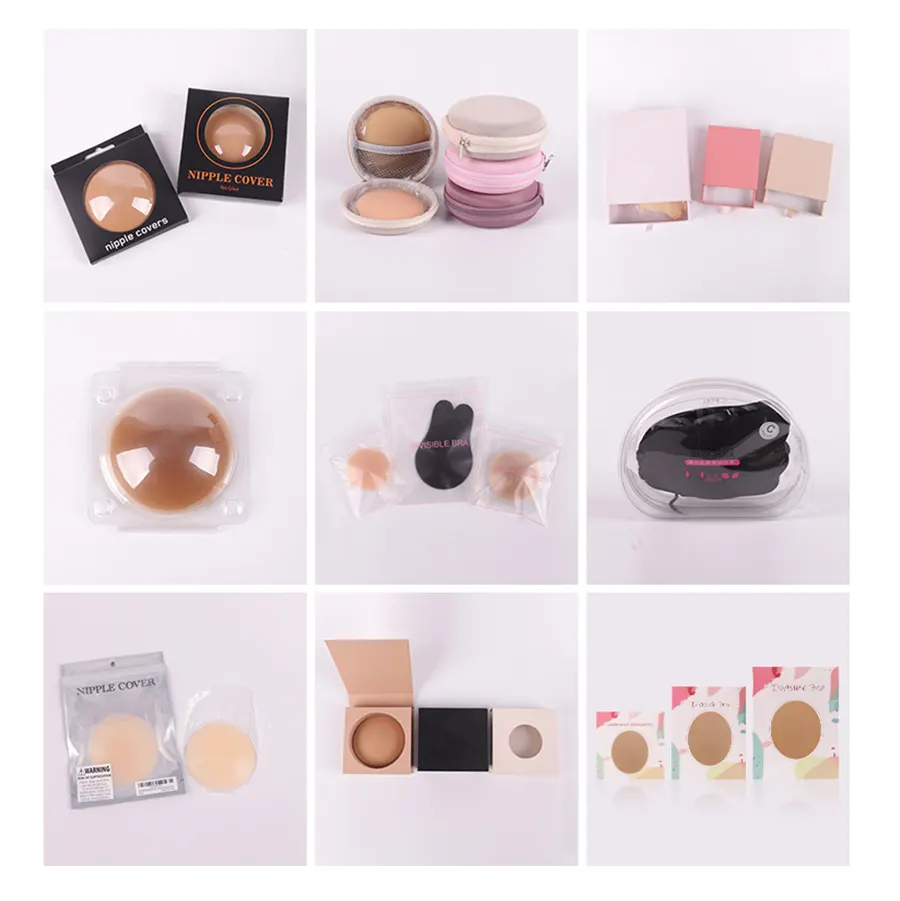
Essential Factory Certifications
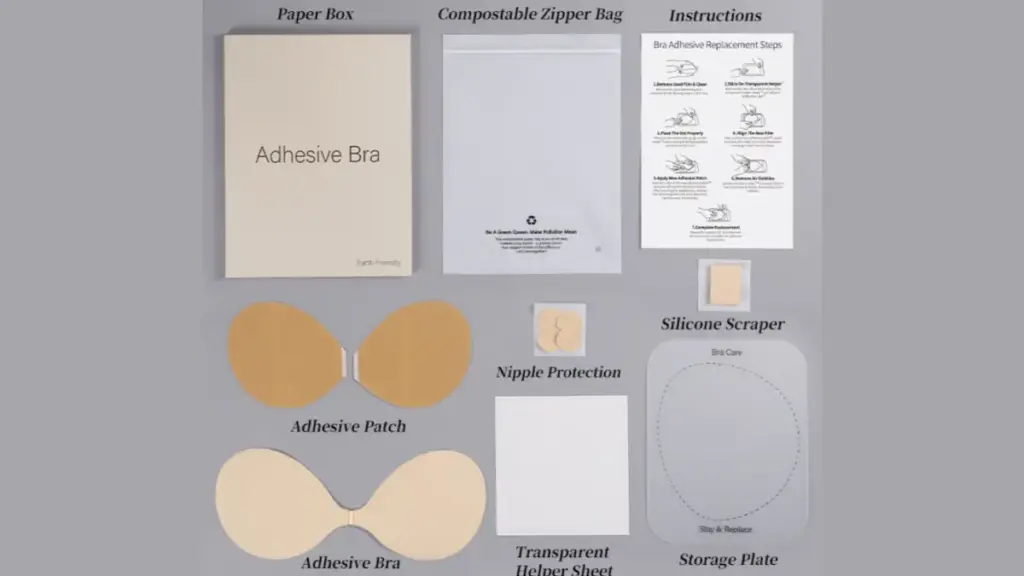
Vetting invisible bra factories requires verifying quality, skin safety, and social compliance certifications to guarantee product reliability and prevent regulatory recalls.
Quality Management and Material Safety Standards
Brands face high return rates if adhesives fail or cause skin irritation. Standardizing your supplier selection criteria around verified material safety credentials eliminates these baseline risks before production begins.
- Iso 9001 Certification: Establishes a systematic quality management process that guarantees reliable adhesive performance, adatto, and durability across production runs.
- OEKO-TEX Standard 100: Validates that all fabrics, schiuma, and linings are free from toxic substances, protecting users during direct and prolonged skin contact.
- SGS or Intertek Safety Tests: Verify the adhesive and silicone formulations, ensuring they are hypoallergenic, non irritante, and free from harmful chemical residues.
Never rely on verbal safety claims from suppliers. Requesting verified, up-to-date test reports protects your brand from liability and ensures consistent performance across manufacturing batches.
Social and Regulatory Compliance Frameworks
Global customs and retail platforms enforce strict social and chemical guidelines. Non-compliant shipments face confiscation at port, fines, and permanent brand damage in target markets.
- Ethical Manufacturing Audits (BSCI, WRAP, SMETA): Ensure fair labor practices, safe working conditions, and standard work hours during assembly.
- Target Market Chemical Compliance: Requires adherence to REACH for European distribution and GB18401-2010 Class B for direct-to-skin products in China.
- Environmental Standards (Iso 14001 & GRS): Confirm proper chemical, waste, and eco-friendly material management throughout the supply chain.
Partnering with factories that proactively maintain these frameworks secures your retail distribution channels and matches modern consumer expectations for responsible manufacturing.
Evaluating Production Equipment
We verify factory reliability through high-precision bonding equipment, stable cleanroom environments, and a documented monthly output exceeding 50,000 unità.
Production machinery directly dictates the final quality of an invisible bra. Standard apparel lines cannot handle the unique requirements of skin-contact adhesives and raw-edge fabrics. When evaluating a potential manufacturing partner, we focus on specific machinery configurations that prevent delamination and seam failure.
Specialized Machinery and Fabric Bonding Technologies
- 3D Seamless Knitting & Laser Cutting: 3D knitting machines and CNC laser cutters form raw, flat cup edges that prevent fraying and remain completely invisible under tight clothing.
- Precision Bonding Equipment: Heat-bonding and ultrasonic systems replace traditional stitching to create flat, high-strength fabric-to-foam joints.
- Adhesive Coating Systems: Automated slot-die or spray application machinery distributes medical-grade silicone and skin-friendly coatings with uniform thickness.
- Curing Ovens & Custom Patterning: High-precision curing lines set the adhesive securely, while specialized patterning heads print dot or honeycomb matrices to preserve skin breathability.
Capacity Metrics, Maintenance Standards, and Cleanliness Controls
- Target Output Verification: We target factories maintaining a verified production capacity of 50,000+ units monthly to ensure seamless supply chain scaling.
- Preventive Maintenance & OEE: Reliable suppliers run scheduled maintenance protocols and track Overall Equipment Effectiveness to prevent unexpected line downtime.
- Environmental Safeguards: Dust-free cleanrooms and temperature-controlled storage zones prevent particulate contamination from degrading raw adhesives.
- Global Standards Alignment: All equipment configurations and workflows must support consistent compliance with ISO 9001 and OEKO-TEX Standard 100 protocols.
Materiale & Adhesive Quality Control
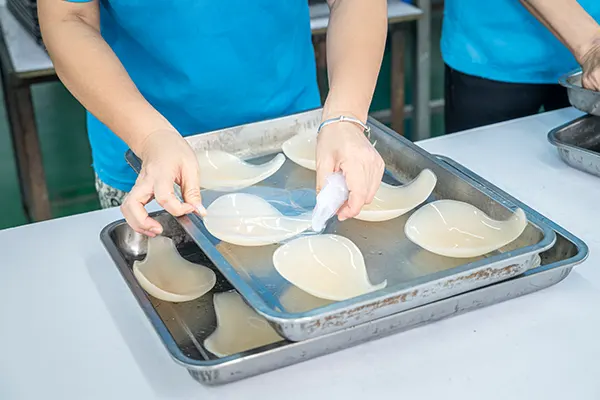
We verify raw medical-grade silicone baselines and enforce multi-stage mechanical tests to eliminate skin irritation and field adhesive failure.
| Check Parameter | Industry Standard / Spec | Quality Objective |
|---|---|---|
| Silicone Base | Platinum-catalyzed PDMS | Biocompatibilità, low extractables |
| Certificazioni | Iso 10993, OEKO-TEX 100, PORTATA, FDA | Skin safety, zero toxic residues |
| Adhesion Hold | ASTM C794 (Peel), Iso 4587 (Lap-Shear) | Secure fit for 20+ wear cycles |
| Environmental Stability | Iso 4892 (UV), ASTM C1635 (Moisture) | Sweat resistance, zero aging degradation |
| Acceptable Quality Limit | AQL 1.5 or lower | Strict dimensional and cosmetic control |
Raw Material Specifications and Biocompatibility Standards
We build skin-contact cups using certified, stable raw materials to protect the end-user. Substandard material choices directly trigger severe skin reactions and drive up retail return rates. Our technical standards establish clear baselines for safety and structural performance.
- Medical-Grade Silicone Baseline: We specify medical-grade polydimethylsiloxane (PDMS) with platinum-catalyzed crosslinking to ensure pure, biocompatible cups with minimal extractables.
- Biocompatibility Certifications: Raw inputs must pass ISO 10993 biological evaluations and comply with REACH, FDA, and OEKO-TEX Standard 100 rules for direct, sensitive skin contact.
- Formulazione adesiva: Low-allergy, platinum-cured silicone gels grip skin micro-contours through Van der Waals forces. This protects the outer skin layer from tearing while securing the bra for over 20 wear cycles.
- Inert Auxiliary Materials: Release liners and protective films must remain chemically inert. This preserves adhesive tack and keeps dust or oils from ruining the sticky surface before sale.
Multi-Stage Quality Control and Mechanical Performance Testing
General factories often rely on manual, visual-only checks. We replace this guesswork with strict laboratory testing at every phase of production. This systematic tracking keeps our product performance stable through shipping, warehouse storage, and heavy use.
- Incoming Material Verification: Lab teams check raw silicone viscosity and Shore A/00 hardness before molding. They also verify adhesive tack uniformity to stop batch variation.
- In-Process Manufacturing Controls: Mold tooling preserves symmetrical thickness and stops edge curling. Inline curing ovens prevent bubbles and voids in the adhesive layer.
- Mechanical Durability Testing: Staff run ASTM C794 peel tests and ISO 4587 lap-shear trials to confirm the bra holds securely during sweat, movement, and washing.
- Environmental Stress Protocols: Finished batches undergo ISO 4892 accelerated UV aging and ASTM C1635 moisture immersion to confirm the adhesive will not degrade over time.
- AQL Standard and Sampling: The floor enforces a strict Acceptable Quality Limit (AQL) Di 1.5 or lower. Inspectors verify precise dimensions, cosmetic finish, and packaging box integrity before dispatch.
Sample Evaluation Process
Evaluating physical samples acts as your primary defense against bulk product failures, directly verifying fit, adhesive longevity, and dimensional accuracy before you release capital.
Prototypes and Performance Testing Benchmarks
Before signing off on bulk manufacturing, we establish clear performance baselines. Treat the initial sampling stage as a technical verification gate rather than a design brainstorming session.
- Cup Construction: Verify basic cup geometry, material grading across sizes, and structural fit before authorizing production runs.
- Adhesive Quality: Analyze specialized adhesive samples to calculate initial peel strength, material hand feel, and skin safety.
- Development Timelines: Track sampling turnaround, expecting 3 A 7 days for standard patterns and 2 A 6 weeks for custom silicone molds.
- Market Validation: Secure small-batch trial orders of 50 A 500 pieces to test product durability with real users.
Step-by-Step Sample Quality Verification
We run incoming prototypes through a structured inspection protocol to eliminate manufacturing variances. Each sample must pass distinct physical and functional tests before earning approval.
- Tech Pack Audit: Compare incoming samples against technical design files, enforcing narrow weight tolerances of plus or minus 5 grams.
- Symmetry and Finish: Inspect construction parameters to ensure symmetrical cup molding, stitch-free laser-cut edges, and uniform adhesive coverage without air bubbles.
- Wearer-Based Testing: Evaluate cup coverage, physical lift, load distribution, and visual invisibility under tight clothing.
- Longevity and Safety: Execute repeated reusability cycles to measure tack retention alongside 24-hour patch tests to screen for skin irritation.
Factory Audit Checklist
A rigorous, hands-on factory audit protects brands from catastrophic adhesive failure, sizing inconsistencies, and skin-safety liability before bulk production begins.
Essential Production and Adhesive Quality Controls
Adhesive bra production requires a cleanroom mindset. Standard apparel inspections fail to catch the invisible micro-defects that ruin medical-grade silicone tack.
- Raw Material Inspections: Check incoming batches for skin-safe fabrics, silicone medico, and certified adhesive compounds to guarantee biocompatibility.
- Bonding Parameters: Verify real-time machinery logs for temperature, pressure, and curing times during fabric-to-silicone lamination.
- Pattern and Mold Precision: Evaluate 3D mold designs and CNC laser-cutting settings to ensure symmetrical cup shapes and consistent size grading.
- In-Process Checkpoints: Inspect the line for surface contamination, trapped air bubbles, and edge peeling before the protective film goes on.
- Environmental Controls: Verify dust-free, humidity-controlled drying rooms and application zones to preserve adhesive integrity.
We look for factories with on-site testing labs that run peel and shear tests on every production lot.
Conformità, Traceability, and Safety Standards
Legitimacy and safety are not negotiable for skin-contact items. Buyers face severe legal exposure if toxic chemicals or unregulated facilities enter their supply chain.
- Site Verification: Match business registrations, export licenses, and environmental permits directly to the physical factory address to bypass trading company markups.
- Lot Traceability: Establish step-by-step systems that link finished bra barcodes back to specific adhesive and fabric batches.
- Facility Safety Audit: Check fire escapes, ventilation systems near curing ovens, chemical storage safety, and labor compliance on the floor.
- Machinery Logs: Review equipment calibration records, internal audit files, and corrective action reports for key bonding machines.
- Defect Segregation: Audit the final packing area to ensure workers use physical quarantine bins for non-conforming items.
A factory’s willingness to share their raw audit logs from BSCI or ISO 9001 portals proves operational maturity.
Red Flags to Avoid
Sourcing invisible bras carries high product liability. Spotting these critical supplier red flags early protects your margins, brand reputation, and skin-safety compliance.
Identity, Conformità, and Business Integrity Red Flags
Middlemen frequently masquerade as manufacturers to secure orders they cannot control. Partnering with unverified entities spikes your defect rates and dilutes your supply chain transparency.
- Fake Factory Personas: Trading companies posing as direct manufacturers with unverified industrial addresses or those refusing live video tours of production areas.
- Unverifiable Compliance Records: Missing OEKO-TEX or ISO certifications, or audit documents that do not match official database records for skin-safe adhesives and fabrics.
- Irregular Financial and Legal Terms: Demands for complete upfront payments, mismatched bank accounts, or resistance to signing formal contracts detailing defect handling.
- Reluctance to Accept Audits: Hesitation to permit third-party inspections from recognized bodies like SGS, QIMA, or Bureau Veritas before shipment.
Production Capability, Campionamento, and Quality Control Warnings
Adhesive intimate wear demands tight tolerances and specialized machinery. When a supplier cuts corners on testing or raw materials, your end-consumer return rates will rise.
- Unrealistic Pricing Structures: Quotes 30% or more below standard market rates with vague cost breakdowns that typically indicate substandard adhesives or raw materials.
- Inadequate Sampling Processes: Reluctance to provide pre-production fit and adhesive wear-test samples, or delivering samples with inconsistent quality.
- Substandard Quality Management: Absence of in-house quality control systems, undefined measurement tolerances, or zero documentation for adhesive consistency.
- Weak Specialized Expertise: Lack of specific experience with sticky or strapless molded bras, alongside a reliance on generic stock images instead of genuine process photos.
Questions to Ask Before Ordering
How do you evaluate adhesive safety and manufacturing capabilities?
Vetting a potential manufacturing partner requires addressing several critical operational and material safety criteria upfront:
- Adhesive Safety Compliance: Confirm safety and skin-contact compliance by requesting material safety data sheets (Scheda di sicurezza) and third-party skin irritation test reports.
- Material Specifications: Verify whether the factory uses medical-grade silicone or acrylic adhesives and check the maximum wear duration and expected reusability.
- Manufacturing Depth: Assess in-house production capabilities by asking if they handle seamless knitting, cup molding, and adhesive application directly rather than outsourcing.
- Quality Metrics: Establish clear quality control standards early by defining critical adhesive defects, cup asymmetry tolerances, and acceptable quality limits (AQL).
How do you align on minimum orders, timelines, and commercial terms?
Establishing clear commercial terms before initiating bulk production prevents costly bottlenecks and misaligned expectations:
- MOQ Structure: Negotiate minimum order quantities (Moq) per stile, colore, and size distribution, aiming for flexible ranges of 50 A 300 pieces for initial test runs.
- Sampling Protocols: Clarify sampling costs, iteration rights, and whether the pre-production sample will use the exact bulk-grade adhesive and fabric.
- Cost Transparency: Secure a complete pricing breakdown of materials, customized packaging, and private label branding options.
- Production Timelines: Map out production schedules with dedicated buffers for peak seasons, and establish clear policies for post-delivery support and defect resolution.
Pensieri finali
Sourcing cheap, unverified invisible bras risks high retail return rates, user skin irritation, and permanent brand damage. Choosing a manufacturing partner with certified medical-grade silicone and automated bonding machinery protects your margins and secures long-term customer loyalty. Investing in verified safety compliance up front remains the only way to safeguard your business against costly product recalls.
We recommend requesting physical prototypes first to evaluate adhesive performance, skin safety, and cup symmetry under real-world conditions. Our team can help you customize fabric compositions, mold specifications, and custom packaging to align with your market standards. Contattaci oggi to secure a sample run and review our certified production capabilities.