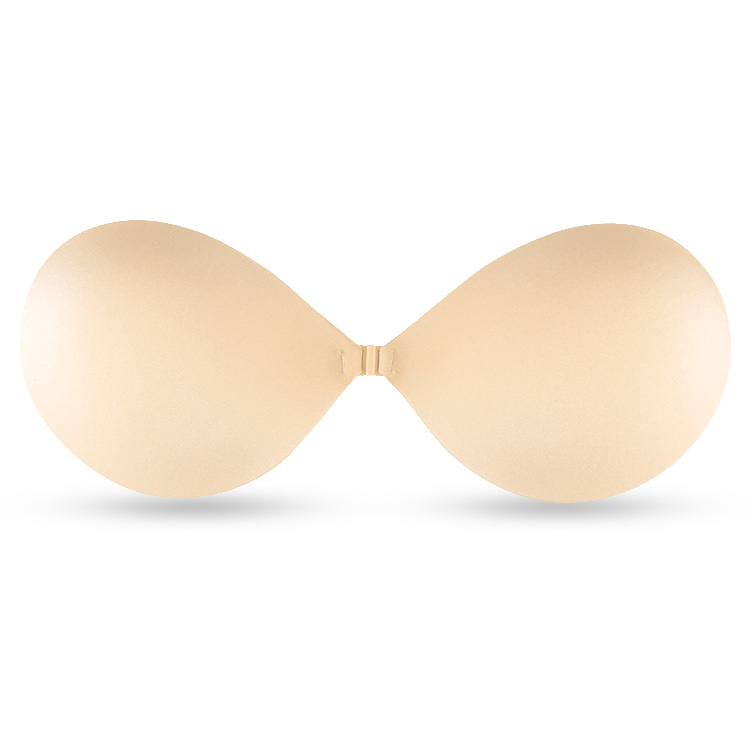
Utilizing this Private Label Silicone Nipple Covers Complete Guide helps brands capture high margins on low-risk fashion accessories while bypassing high return rates. Sourcing without verifying raw polymer grades exposes your inventory to rapid adhesive failure and severe skin irritation complaints.
This analysis benchmarks medical-grade liquid silicone formulations against standard solid rubber. We evaluate wash-cycle adhesive durability and global chemical safety certifications to help you secure a scalable retail launch.
Why Private Label Nipple Covers Are Growing
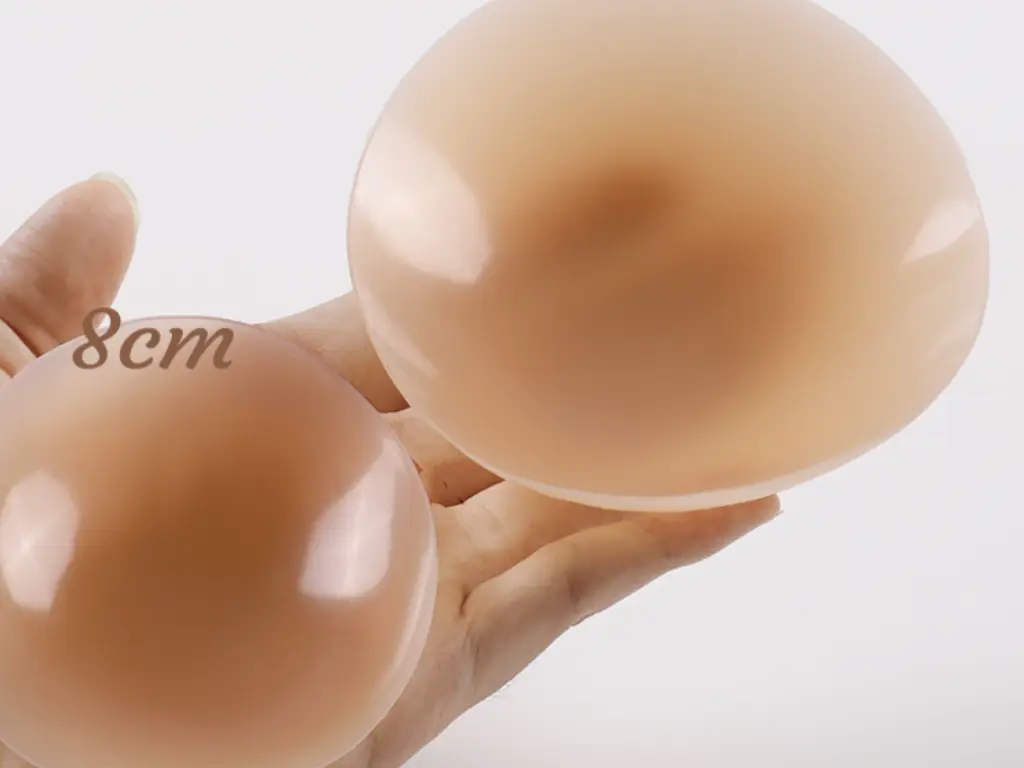
Shifting fashion norms and lean logistics make private label nipple covers a highly profitable, low-risk accessory line for modern brands.
Shifts in Consumer Lifestyles and Fashion Trends
Modern wardrobe choices increasingly demand invisible support. As strapless, senza schienale, and sheer apparel move into daily wear, consumers are moving away from structured undergarments in favor of lightweight, seamless coverage.
The parallel rise of athleisure has altered expectations. Gym-to-office dressing demands sweat-resistant, highly comfortable alternatives that can withstand physical activity without chafing or losing adhesion.
Broader cultural shifts toward bra-free fashion and body inclusivity are expanding the market. Brands can now reach diverse demographics by offering inclusive sizing and realistic skin-tone ranges that match actual consumer profiles.
High Profit Margins and Simplified Supply Chain Operations
From an operational standpoint, silicone accessories present exceptionally clean unit economics. Retailers can secure strong margins due to the low physical footprint and high perceived value of the product.
- Strong Gross Margins: Low production costs combined with negligible shipping weights maximize profitability for digital-first brands.
- Low Initial MOQs: Flexible manufacturer partnerships allow initial orders between 500 E 2,000 unità, significantly lowering cash-flow risk.
- Simplified Sizing: Eliminating complex cup-and-band sizing reduces inventory SKUs and drops customer return rates compared to traditional lingerie.
These operational efficiencies allow bootstrapped brands and established fashion houses alike to scale the category rapidly without committing massive capital to inventory storage.
Silicone vs Fabric Nipple Covers
Silicone nipple covers dominate the premium reusable market with superior contouring, while fabric alternatives capture the high-turnover, budget-friendly disposable segment.
Material Composition and Adhesive Performance
Choosing between silicone and fabric substrates dictates a brand’s entry point into the market. The base material directly determines the adhesive systems manufacturers can apply.
- Silicone Base: Uses medical-grade silicone to provide a flexible, Atmosfera simile alla pelle. These covers utilize reusable polydimethylsiloxane gel or medical-grade acrylic adhesives engineered to last for 20 A 50 wear cycles.
- Fabric Base: Leverages breathable cotton, poliestere, or bamboo blends. Disposable fabric covers rely on single-use pressure-sensitive adhesives that lose grip quickly when exposed to heavy sweat or water.
Wearability, Riusabilità, and Brand Positioning
Product utility drives distinct customer purchasing habits. Aligning these performance profiles with the right pricing strategy defines long-term brand equity.
- Silicone Performance: Non-porous silicone provides unmatched contouring and invisibility under fitted garments. These options command higher upfront retail prices with a low cost per wear, serving as premium, reusable brand items.
- Fabric Performance: Fabric covers offer superior breathability in hot climates. Private label brands position fabric models as low-cost, high-turnover daily essentials or single-use travel packs.
Source High-Margin Custom Invisible Lingerie
Choosing the Right Product for Your Brand
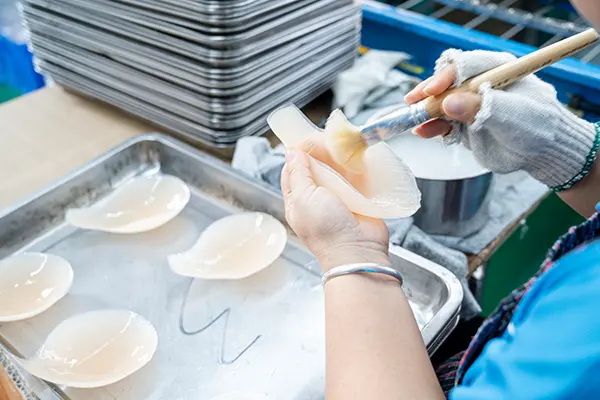
Aligning material grades, compliance portfolios, and adhesive limits with target pricing protects your brand equity and minimizes customer returns.
Material Grade and Regulatory Compliance Standards
Your profit margins and customer safety depend directly on the raw polymer you choose. Sourcing low-grade or industrial silicone to cut costs leads to rapid product degradation, ingiallimento, and severe skin irritation complaints.
- Medical-grade liquid silicone: This represents the premium choice for sensitive skin ranges. It offers high elasticity, a soft touch, and exceptional resistance to yellowing, supporting your high-end brand positioning.
- Food-grade silicone: This provides a compliant, cost-effective option for mainstream lines. It meets safety baselines without inflating unit manufacturing costs.
- Platinum curing: We specify platinum-cured formulations because they leave zero toxic catalyst residues. This step prevents chemical leaching during prolonged contact with delicate breast skin.
- Post-curing protocols: Factories must bake the silicone at 150°C for 2 A 4 hours for US FDA markets, or up to 4 hours at 200°C to satisfy strict German LFGB standards.
Importing these products requires a robust documentation package. Do not rely on factory promises; verify their certifications through independent databases before signing any production agreement.
- FDA and LFGB: These certifications regulate heavy metals and migration limits, serving as the baseline for North American and European retail.
- REACH and California Proposition 65: These screen for restricted phthalates, heavy metals, and endocrine disruptors to prevent custom seizures and legal liability.
- Iso 10993 Biocompatibilità: This protocol tests raw components for skin irritation, sensitization, and cytotoxicity to back your hypoallergenic marketing claims.
- Facility Audits: Partner only with manufacturers holding ISO 9001 credentials and verified social compliance audits like BSCI or SEDEX.
Adhesive Performance and Design Specifications
A cover fails if it loses grip under sweat or shows visible outlines through fitted clothing. Designing a premium product requires balancing strong hold with comfortable, painless removal.
- 8-to-12-Hour Adhesion: Skin-safe pressure-sensitive silicone gel adhesives must withstand heat and moisture, making them suitable for evening wear, summer climates, and moderate workouts.
- Ultra-Thin Tapered Edges: Feathering the outer edge to under 0.5 mm prevents visible ridges under sheer fabrics, while a 2 A 3 mm thick center masks nipple protrusion.
- Matte Surface Finish: A non-reflective matte finish avoids reflecting bright sunlight or camera flash, ensuring complete invisibility under white or tight tops.
- Convalida del ciclo di lavaggio: Reliable suppliers run batch pull-tests and wash simulations to guarantee the adhesive retains at least 70% of its strength after 50 washes.
To maintain inventory efficiency, match your customization goals with the correct production model. Standardize packaging elements to keep unit costs manageable during your initial product launch.
- Etichetta privata ODM: Under this model, you apply your branding and custom packaging to existing factory molds. MOQs generally sit at 500 A 2,000 coppie, making it ideal for fast testing.
- OEM Custom Production: This model is required for proprietary shapes, custom dimensions (ad esempio 6 A 14 cm diameters), or unique lifting configurations. Tooling costs require a commitment of 5,000+ coppie.
- Confezione & Cura: Retail sets require structured trays to protect the adhesive, protective liners for storage, and care cards explaining how to wash and dry the covers.
Materiale & Adhesive Options
Selecting the correct silicone grade and adhesive system directly dictates wear times, user comfort, and brand return rates in private label portfolios.
Silicone Material Types and Finishes
Brands must balance tactile feel with visual performance when choosing base materials. The physical finish determines how invisible the final product remains under diverse lighting conditions.
- Silicone per uso medico: This hypoallergenic, skin-safe material provides a reliable foundation suitable for direct contact with delicate skin.
- Matte-finish formulations: These surfaces reduce light reflection to maximize invisibility under tight clothing or flash photography.
- Thicker silicone centers: These designs improve opacity directly over the nipple area while thin feathered edges blend flat into the skin.
- Satin and glossy finishes: These options offer a skin-like sheen but reflect light more noticeably than matte alternatives.
- Sensitive-skin formulations: These bases exclude common irritants, allowing you to back latex-free and BPA-free marketing claims.
Opting for platinum-cured liquid silicone rubber over cheaper industrial alternatives eliminates volatile residues and dramatically reduces product return rates caused by skin irritation.
Adhesive Systems and Application Methods
The adhesive system directly dictates the product’s functional lifespan and target use cases. Brand owners need to select backings that match their customer’s daily physical activities.
- Medical-grade adhesive backings: These secure the covers during active movement, event wear, and warm-weather use.
- Water-resistant gels: These sweat-resistant formulations prevent slipping without compromising the reusability of the silicone body.
- Non-adhesive grip designs: These rely entirely on natural silicone friction to stay in place, catering specifically to users with extreme skin sensitivities.
- Low-tack adhesives: These repositionable choices reduce skin stress during removal while maintaining a secure hold.
- Non-adhesive bra inserts: These glue-free options restrict outfits to garments with built-in support but remove adhesive wear concerns entirely.
To maximize reusability up to 30 O 50 washes, instruct consumers to hand-wash the adhesive side with mild soap and air-dry it away from direct sunlight.
Custom Shapes, Dimensioni & Colori
Customizing shapes, dimensioni, and Pantone shades directly impacts your product’s market positioning, helping you capture specific niches from mass-market retail to premium bridal wear.
Standard and Custom Mold Silhouettes
Silicone nipple cover shapes dictate both functional performance and garment compatibility. Choosing the right silhouette helps you target specific retail use cases effectively.
- Classic Rounds: Offer basic, everyday wear and serve as the standard entry point for mass retail.
- Flower Designs: Utilize petaled edges to create soft, gradual transitions that remain invisible under thin clothing.
- Ergonomic Teardrops: Provide extended lateral coverage and lift, making them ideal for structured evening wear and bridal segments.
- Rabbit-Ear Shapes: Integrate a vertical tab to deliver active lifting performance under plunge or deep-V necklines.
When catalog shapes fall short, you can develop proprietary molds with your manufacturing partner. This process requires submitting 2D technical drawings, 3D CAD files, or physical reference samples. The factory uses these assets to machine steel or aluminum tooling, defining your brand’s exclusive contour and cup depth.
Diameter Metrics and Inclusive Color Matching
Sizing and skin-tone inclusivity are no longer optional additions; they are core brand requirements. Properly scaling your dimensions and shades directly influences your customer acquisition rate.
- Diameter Ranges: Standard sizes scale from small (6 A 7 cm) for petite coverage, up to extended-coverage sizes (12 A 14 cm) designed for larger cup sizes.
- Color Formulations: We match precise Pantone references to build graded skin-tone ladders and seasonal fashion lines, which you can label with proprietary, brand-aligned shade names.
- Production MOQs: Factories typically require minimum order quantities of 500 A 2,000 pairs per SKU, meaning you must carefully balance your size and shade assortment to manage inventory risk.
A smart portfolio strategy launches with a streamlined mix. By combining two core sizes and three inclusive nude shades, you hit the bulk of your target market while keeping your initial cash outlay manageable.
Confezione & Personalizzazione del marchio
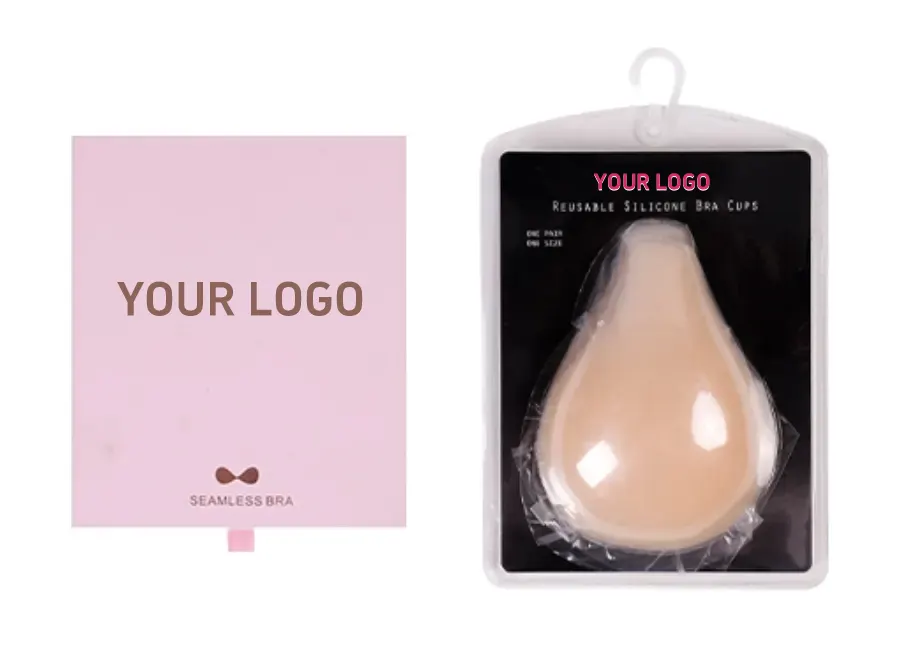
Packaging structure directly dictates product lifespan. Using rigid inserts preserves the pre-molded silicone curvature, while compliant labeling eliminates international import delays.
Retail Packaging Configurations and Material Selection
Brands must match their primary packaging containers to their designated distribution channels to balance raw material protection with dimensional shipping weight.
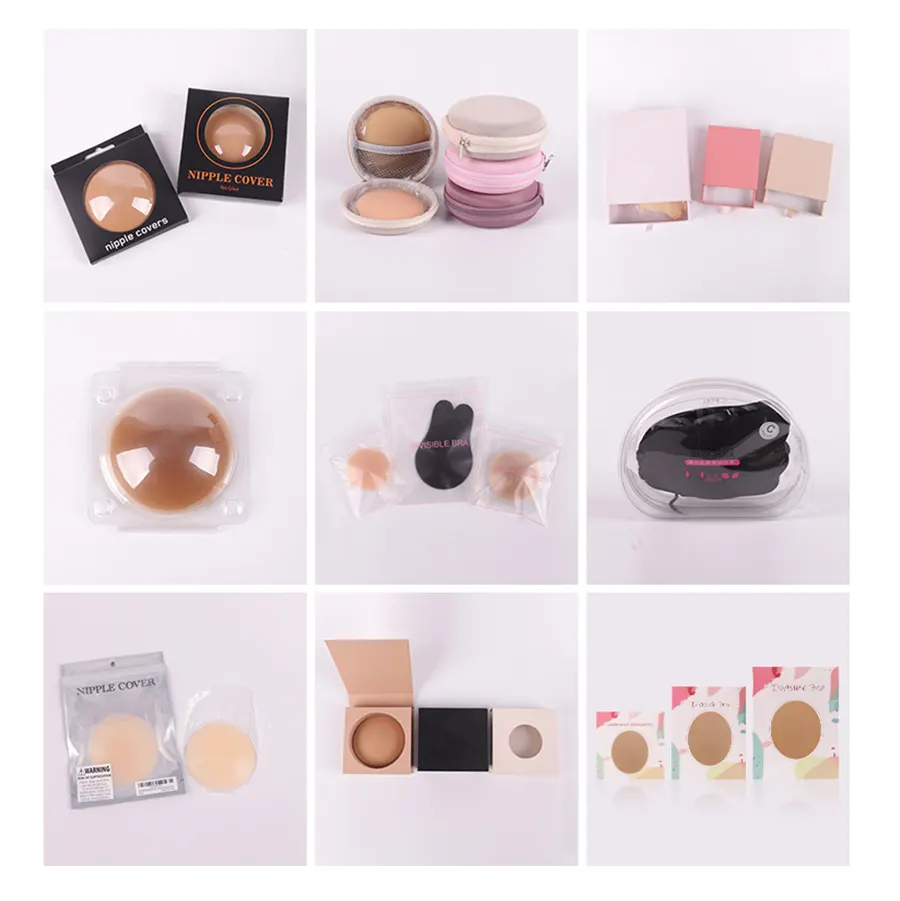
- Standard retail configurations: These formats pair custom-fit paper folding cartons with molded pulp or PET trays to prevent cup deformation during transit.
- Premium brand lines: High-end collections utilize rigid sliding drawer boxes, magnetic flip-top cases, or branded metal travel tins to increase perceived retail value.
- E-commerce formats: Amazon and DTC setups prioritize compact dimensions and FBA-compliant polybags to minimize dimensional weight shipping fees.
- Boutique channels: Physical retail environments use transparent PET boxes, shape-matched window cut-outs, and integrated hang tabs for pegboard display.
- Sustainable strategies: Green-focused brands substitute conventional plastic trays with FSC-certified recycled paper and biodegradable pulp inserts.
Protecting the pre-molded curvature is critical. If the silicone dome flattens or warps under warehouse compression, the edges will lift on the consumer’s skin, driving up returns.
Graphic Branding, Regulatory Compliance, and Protection Standards
Customizing the visual interface requires a strict focus on regional compliance laws. Printing a logo is straightforward, but failing to display the proper certifications invites customs seizures.
- Graphic customization: Options include direct logo printing on protective backings, curated nude or fashion color palettes, and visual usage silhouettes on the box exterior.
- Regulatory compliance: Packaging artwork must integrate verified regional declarations, including FDA guidelines, REACH certifications, and California Proposition 65 warnings.
- Instruction inserts: Detailed guides reduce post-purchase returns by detailing application steps, mild soap cleaning routines, and correct protective film reapplication.
- Adhesive protection: Packaging barriers shield products from dust and maintain a controlled storage climate of 5°C to 27°C with humidity below 50% RH.
- Order minimums: Private label requirements range from 500 A 2,000 pairs for custom-printed boxes, rising to 5,000+ pairs for unique structural molds.
Proper storage is a non-negotiable metric. Heat and high humidity oxidize the pressure-sensitive adhesive, neutralizing the tack before the product ever lands on a retail shelf.
Moq, Prezzi & Production Timeline
Private label programs require 500 A 2,000 pairs per SKU, whereas custom OEM molds start at 5,000. Scaling production slashes your FOB unit costs by half.
Minimum Order Quantities and Unit Pricing Benchmarks
Entering this market requires a clear understanding of the dividing line between private label and original equipment manufacturing (OEM). While using existing factory assets keeps your capital requirements low, custom shapes and proprietary formulas demand serious upfront volume to offset manufacturing setup costs.
- Private Label Catalog MOQ: Richiede 500 A 2,000 pairs per SKU. This path utilizes existing catalog geometries to keep initial barriers low.
- Custom OEM MOQ: Richiede 5,000 A 20,000 coppie. This higher threshold covers specialized tooling costs and custom adhesive blending lines.
- Prototype Sampling Runs: Deliver 10 A 30 coppie. Brands use these small test batches strictly for physical fit and adhesive skin evaluations.
- FOB Unit Cost Scaling: Shifts from roughly eight dollars per pair at a 500-unit MOQ down to four dollars per pair at 5,000 units due to production run efficiencies.
- Primary Price Drivers: Raw silicone grades, adhesive formulations, and packaging styles. Adding a retail-ready custom box increases unit costs by up to fifty cents per pair.
- Entry Launch Budget: Ranges from five thousand to ten thousand dollars for a competitive private label launch in 2026.
Production Timelines and Cost Optimization Strategies
Operational speed defines market success. Managing your product development milestones and optimizing stock keeping units (SKUs) directly impacts both your cash flow and your time-to-market.
- Standard Private Label Sample Lead Time: Requires seven to fifteen days for initial sample fabrication.
- Mass Production and Packing: Demands twenty to thirty-five days after sample approval.
- Full OEM Program Timeline: Demands ninety to one hundred and twenty days end-to-end to accommodate CAD development, custom molds, and adhesive compatibility testing.
- Tooling Optimization Strategy: Early-stage brands minimize initial cash outlay by using existing factory geometries and standardizing outer packaging templates.
- SKU Consolidation: Restricting sizes and color variants pools production volumes, unlocking lower unit pricing and faster turnaround times.
- Replenishment Lead Time: Drops to fifteen to twenty-five days once standard designs are established, allowing reorders to bypass sampling phases.
Quality Standards & Certificazioni
Nipple cover compliance requires strict chemical screening, ISO biocompatibility, and rigorous adhesion testing to secure international retail placement and protect brand reputation.
Entering global retail channels with skin-contact silicone requires verifiable proof of chemical safety. Brands face severe compliance risks if raw materials contain skin-irritating residues or restricted heavy metals.
- FDA Compliance: Post-curing at 150 °C for two to four hours reduces volatile organic residues, ensuring the food-grade or medical-grade silicone meets heavy metal limits.
- LFGB Standards: Europe’s strict protocol restricts platinum residues, aromatic amines, and organotin compounds through four-hour post-curing at 200 °C to prevent contact allergies.
- Iso 10993 Biocompatibilità: Three core laboratory tests evaluate skin irritation, sensitization, and cytotoxicity to verify long-term wear safety on sensitive breast skin.
- PORTATA & RoHS: These chemical screenings block Substances of Very High Concern (SVHC) and heavy metals in raw pigments and pressure-sensitive adhesive layers.
- Physical Screening: Factories run simple checks to confirm the absence of pungent odors, surface oil leaks, and fluorescent whitening agents during manufacturing.
Skipping these validations leads directly to high return rates and customs seizures in strict markets like Germany and the US.
Performance Testing Metrics and Factory Quality Management
Consistent physical quality prevents adhesive failures and visual flaws that damage brand trust. Sourcing from structured factories ensures every batch matches your master sample.
- Adhesion Retention: Standard wash cycle protocols confirm the adhesive lasts for up to 12 hours per wear and retains at least 70% of its tack after 30 washes.
- Edge Quality: Physical inspection guidelines dictate that the outer border tapers below 0.5 millimeters to prevent visible lines under sheer clothing.
- Factory Systems: Manufacturers operating under ISO 9001 and ISO 13485 verify raw material batches, manage risk, and keep complete production records.
- AQL Thresholds: Quality control teams work with Acceptable Quality Limits (AQL) Di 1.5 A 2.5, capturing bubbles, edge tearing, or adhesive gaps.
- Compliance Marks: Verified SGS test reports and CE markings confirm mechanical durability and secure legal entry into global e-commerce and retail spaces.
Partnering with factories that use these specific testing metrics protects your inventory and keeps refund rates below one percent.
Finding the Right OEM Manufacturer
Securing the right OEM partner requires balancing medical-grade materials, precise tapered tooling, and structured tooling budgets to ensure long-term skin safety and brand profitability.
| Sourcing Parameter | Specifications & Limits | Strategic Value |
|---|---|---|
| Base Material | Medical-grade Liquid Silicone Rubber (LSR) | Ensures high biocompatibility and hypoallergenic skin contact. |
| Thickness Profile | 2–3 mm center tapering down to 0.5 mm edges | Guarantees complete invisibility under tight outer clothing. |
| Adhesive System | Medical-grade silicone gel (8–12 hour wear, 20+ cycles) | Drives customer repeat purchase behavior and product value. |
| Tooling Capital | $500 A $2,000 per custom size or shape | A capitalized upfront asset amortized over scale. |
| Production MOQ | 5,000+ pairs per SKU | Baseline volume needed to run a dedicated custom production line. |
Technical and Quality Standards for Custom Silicone Tooling
Custom tooling requires exact material specification and mold engineering to prevent skin reactions and guarantee a flush fit against the body. Brands must audit potential factories on specific material performance and dimensional consistency before moving past the conceptual stage.
- Material Type Selection: Evaluate platinum-cured medical-grade liquid silicone rubber (LSR) against standard solid silicone rubber (SSR) to confirm maximum biocompatibility and hypoallergenic safety for delicate breast skin.
- Variable Thickness Profiles: Match custom tooling to a variable profile that features a 2–3 mm center thickness tapering down to 0.5 mm feather-light edges to eliminate visible ridges.
- Medical Adhesive Sourcing: Specify reusable medical-grade silicone gel adhesive capable of delivering secure 8–12 hour wear and surviving a minimum of 20 wash and reuse cycles.
- Compliance Verification: Require complete factory documentation, confirming ISO 9001 compliance, SGS skin irritation testing, and raw material safety data sheets (Scheda di sicurezza).
Financial Structure and Sourcing Implementation Workflow
Launching custom geometries requires structured capital allocation and a step-by-step validation protocol. Without a disciplined workflow, prototype delays and tooling mismatches will rapidly erode launch margins.
- Tooling and MOQ Budgets: Plan for mold setup fees ranging from $500 A $2,000 per shape size, and structure cash flow around minimum order quantities (Moqs) Di 5,000+ pairs to justify dedicated line time.
- RFQ Spec Sheets: Deliver RFQs containing native CAD files, targeted Pantone colors, strict matte surface finish requirements, and custom retail packaging templates.
- Prototyping Turnaround: Enforce a strict 7–10 day turnaround for physical samples using soft tooling to validate fit and adhesive tack before authorizing bulk manufacturing.
- Supply Chain Protection: Mitigate downstream risk by securing intellectual property contracts, exclusive mold agreements, and developing a multi-source transition plan for back-up production.
Private Label Launch Checklist
Launching a private label silicone nipple cover brand requires balancing strict international biocompatibility certifications with retail-ready packaging and sweat-resistant performance validation.
Regulatory Compliance and Production Quality Standards
Skin-contact accessories demand rigorous material validation to mitigate liability and prevent consumer skin irritation. Brands must establish these safety benchmarks before booking initial factory runs.
- Silicone Certifications: Secure platinum-cured food-grade or medical-grade silicone certifications, covering FDA, LFGB, PORTATA, and CA Prop 65 compliance.
- Biocompatibility Verification: Document chemical safety through ISO 10993 testing protocols to validate the hypoallergenic properties of the silicone body and adhesive gel.
- Partner Selection: Audit factory partners to verify active ISO 9001 o iso 13485 quality systems, then align on initial order thresholds of 500 A 2,000 pairs for catalog designs.
- Quality Control Protocols: Enforce strict factory quality testing, including high-temperature post-cure cycles to extract volatile residues and adhesive tensile tests for batch consistency.
Retail Packaging, Branding, and Market Validation
Moving from production to retail channels requires a logical SKU structure and protective packaging. Brands must physically validate all wear claims to secure long-term buyer trust.
- Packaging Infrastructure: Design retail-ready boxes that integrate protective PET release liners, storage cases to block dust, and clear user care instructions.
- SKU Matrix: Develop a balanced catalog matching diverse skin-tone colorways and size diameters with market positioning across core and premium tiers.
- Wear Testing: Perform practical user wear trials to confirm stable, sweat-resistant adhesion for 8 A 12 hours and validate wash-and-reuse claims up to 20 volte.
- Logistics Compliance: Compile import documentation dossiers, including certificates of conformity and full ingredient disclosures, to ensure smooth customs clearance.
Pensieri finali
Low-cost industrial silicone alternatives might save budget upfront, but medical-grade liquid silicone with sub-0.5 mm tapered edges is the only way to protect your brand against high return rates and skin irritation. Skipping certified post-curing processes risks costly customs seizures in strict North American and European markets. Investing in verified, biocompatible production transforms a simple accessory into a high-margin, repeatable asset that builds genuine consumer trust.
We recommend starting with a sample run to physically evaluate our matte finish and 12-hour wear-resistance. Contact our production team today to receive our private label catalog or to review your custom OEM molding requirements.