O gerenciamento do prazo de entrega do sutiã de silicone determina se você capturará a temporada altamente lucrativa de casamentos de verão ou acabará com estoque morto. Perder sua janela de compras por apenas algumas semanas se transforma em prateleiras vazias, estoque de buffer inchado, e custos forçados de frete aéreo premium.
Esta análise detalha o cronograma exato de produção, desde amostragem de molde personalizada de 15 dias até ciclos de fabricação em massa de 25 dias. Avaliamos os principais gargalos da cadeia de suprimentos, limites mínimos de quantidade de pedido, e limites de capacidade sazonais para ajudá-lo a alinhar metas de estoque e executar remessas dentro do cronograma.
O que o prazo de entrega do sutiã de silicone realmente inclui

Sutiã de silicone os cronogramas de produção dependem estritamente da personalização. O atacado padrão é embalado em menos de uma semana, enquanto os moldes OEM personalizados estendem o cronograma para 20 dias.
Processamento de pedidos e fornecimento de materiais
O relógio começa no momento em que você confirma um pedido. Os fabricantes finalizam imediatamente as aprovações do projeto e começam a adquirir componentes principais. Nós bloqueamos as matérias-primas, selecionando silicone puro ou suportes de tecido, e combine-os com a formulação adesiva correta – normalmente de grau médico ou gel AB – para atingir as metas de ciclo de desgaste exigidas.
Pedidos personalizados de OEM ou ODM exigem um trabalho mais inicial. As fábricas devem preparar moldes específicos para controlar a espessura precisa do copo para diferentes tamanhos de seios e integrar recursos como orifícios respiráveis. A preparação correta do molde estabelece a base exata para o restante do cronograma de produção.
Produção, Teste de qualidade, e envio
Assim que os materiais entram na área de produção, seu cronograma depende do escopo do pedido. Pedidos de atacado padrão passam pela montagem rapidamente, terminando em apenas 3 para 6 dias úteis. Se você solicitar recursos personalizados, como alças especializadas ou formatos de copa exclusivos, a fase de montagem se estende até 15 para 20 dias.
Antes de qualquer coisa sair das instalações, equipes de qualidade intervêm. Eles realizam rigorosas verificações e mandatos de durabilidade de adesão 6 testes de desgaste de 8 horas para garantir que o produto funcione com segurança em condições reais. Depois de superar esses obstáculos de inspeção, a fábrica executa embalagem final e logística, alinhando suas remessas perfeitamente para atingir seu 2026 cronogramas de distribuição no prazo.
Quanto tempo leva para fabricar um sutiã de silicone personalizado?
A fabricação de sutiãs de silicone personalizados leva 15 para 30 dias. O cronograma depende muito da complexidade do design, criação de molde, e volume de produção em massa.
| Fase de Fabricação | Cronograma estimado |
|---|---|
| Desenvolvimento de Produto & Amostragem | Máximo 15 Dias |
| Produção em massa | 10 para 25 Dias |
| Impressão de embalagens personalizadas | 7 para 15 Dias |
| Logística & Envio | 5 para 35 Dias |
Desenvolvimento e Amostragem de Produto
Tudo começa com um protótipo sólido. A consulta de design geralmente leva de um a três dias. Durante esta janela, você finaliza projetos de moldes 3D, materiais de origem, e formular os adesivos exatos necessários para o pedido.
- Criação de amostra: As fábricas produzem amostras iniciais em dois a cinco dias, embora alguns ofereçam uma opção rápida de 48 horas para prazos urgentes.
- Revisões de projeto: Modificar o design após o primeiro protótipo acrescenta três a sete dias.
- Fase Total: Espere que toda a fase de amostragem atinja o máximo em 15 dias.
Preparação de Materiais e Programação de Produção
Depois de aprovar a amostra, a fábrica bloqueia materiais e programa a linha. Os gerentes de produção classificam as execuções com base na complexidade do projeto, picos sazonais de demanda, e quantidades mínimas de pedido, que normalmente começa em 1,000 pares.
- Seleção de Materiais: As equipes de compras fornecem gel de silicone de alta qualidade e adesivos seguros para a pele, enquanto adaptam moldes específicos para copos dos tamanhos A a E.
- Preparação de molde: Os operadores pré-aquecem os moldes antes da moldagem por injeção para garantir densidade uniforme e eliminar completamente as bolhas de ar.
Produção em massa e montagem
A fabricação em massa dita o cronograma principal. A operação primária depende de moldagem por injeção de precisão para preencher o gel de silicone. Os trabalhadores então curam os sutiãs sob parâmetros de temperatura e pressão rigorosamente regulados para solidificar o produto.
- Linha do tempo em massa: A produção principal requer 10 para 25 dias para concluir.
- Escala de volume: As operações lidam facilmente com o escalonamento de lotes de 100 unidades de teste para mais 3,000 unidades.
- Montagem Final: As equipes de montagem aplicam a camada de adesão crucial e anexam a etiqueta privada para finalizar a sequência de fabricação.
Inspeção de Qualidade e Embalagem
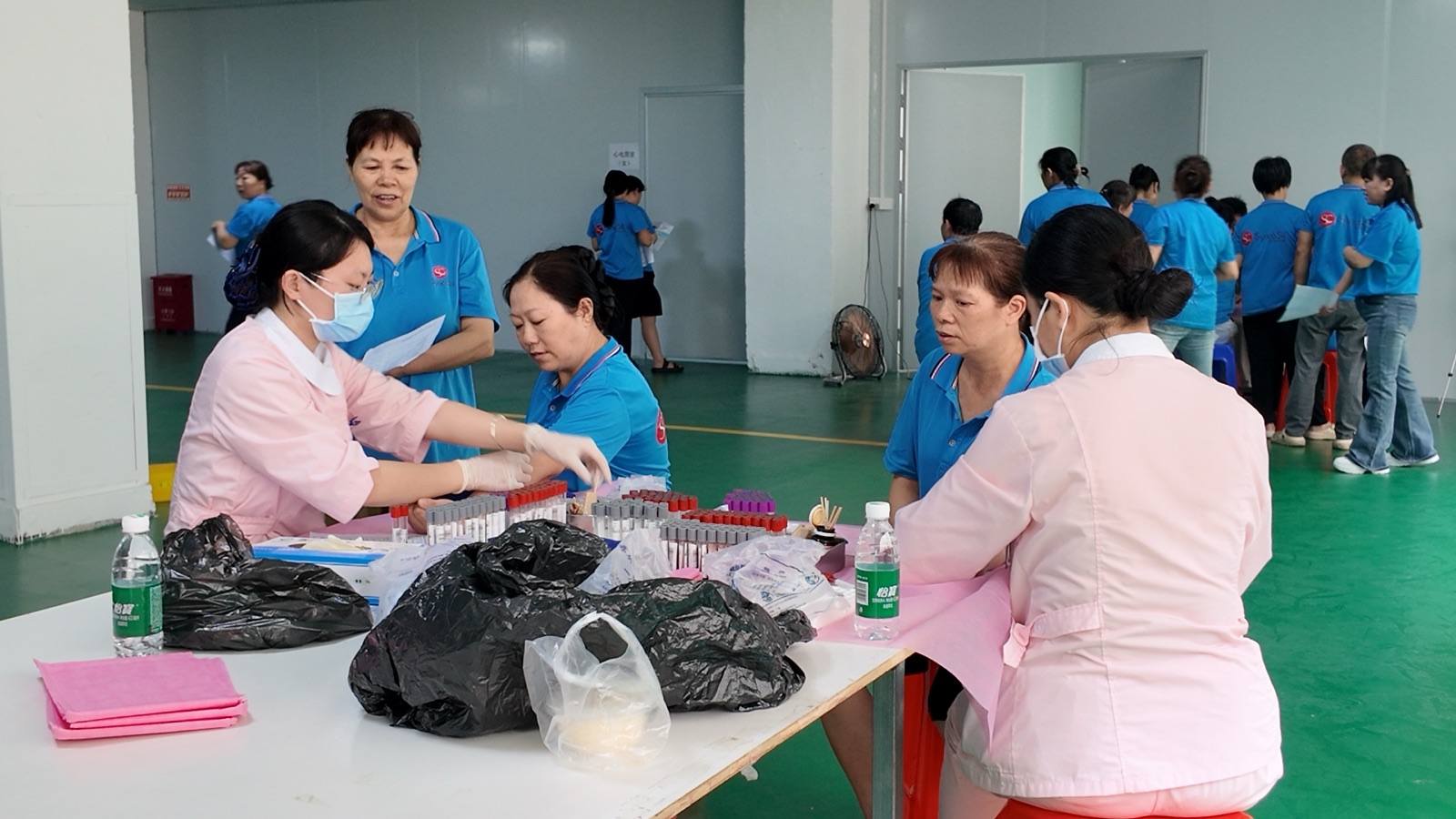
O controle de qualidade ocorre junto e após a produção para evitar que lotes defeituosos cheguem à doca de embarque. Os inspetores monitoram constantemente as temperaturas do molde e extraem amostras aleatórias da linha para verificar a simetria perfeita e as bolhas de ar.
- Teste Final: As verificações de qualidade medem a força de adesão e descascamento, consistência dimensional, e durabilidade em vários ciclos de reutilização.
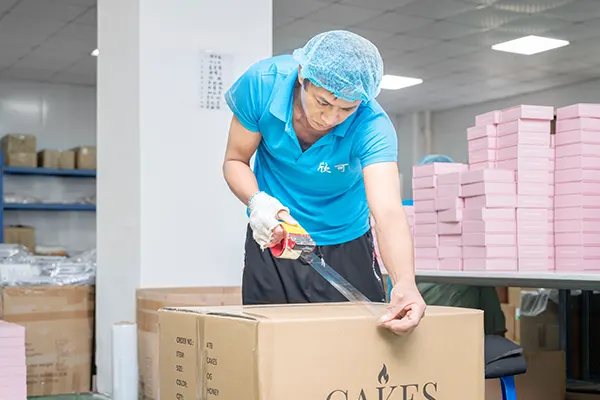
- Embalagem personalizada: As impressoras precisam de sete para 15 dias para produzir caixas de marca personalizadas, inserções, e etiquetas de varejo.
- Logística: O envio completa o 2026 cronograma da cadeia de suprimentos, levando cinco para 10 dias por via aérea ou 20 para 35 dias por frete marítimo.
Fonte Lingerie Invisível Premium Construída para Lucrar
A fase de amostragem e por que ela afeta toda a linha do tempo
A fase de amostragem atua como um teste de estresse para toda a sua cadeia de suprimentos. Atrasos aqui se transformam em uma bola de neve em estoque de buffer inflado e metas de entrega perdidas.
Componentes principais da fase de amostragem
Tratamos a etapa de amostragem como uma linha de base operacional. Ele ignora configurações em grande escala, mas expõe rapidamente os limites físicos da sua capacidade de fabricação.
- Validação de Fornecedor: As configurações iniciais e os testes de validação revelam lacunas de confiabilidade dos fornecedores e atrasos nas matérias-primas no início das operações.
- Retrabalho de qualidade: Verificações manuais de qualidade e correções de defeitos criam ciclos de retrabalho estendidos que aumentam o tempo geral de processamento.
- Teste de Capacidade: Testar a capacidade de produção expõe desequilíbrios de recursos que gargalam o rendimento da produção.
Consequências posteriores nos cronogramas de cumprimento
Um gargalo na amostragem altera todo o seu cronograma de produção. Quando os protótipos enfrentam atrasos, as cascatas de impacto através de cada fase operacional subsequente.
- Inchaço de estoque: A escassez de materiais durante a fase de amostragem força as equipes da cadeia de suprimentos a criar estoques intermediários e estender os ciclos de reabastecimento.
- Prevendo o Caos: Resultados imprevisíveis de amostragem atrapalham o planejamento da demanda e exigem ajustes reativos em todos os estágios de atendimento.
- Falhas na entrega: Períodos de amostragem estendidos atrasam lançamentos de produção em massa, o que reduz diretamente as taxas de entrega no prazo aos clientes finais.
Fatores-chave que afetam o prazo de entrega do sutiã de silicone

Moldes personalizados, mínimos de pedido estritos, e os picos sazonais de demanda determinam o cronograma de fabricação de sutiãs de silicone. Planeje para 15 para 30 dias para execuções complexas de produção de nível médico.
Complexidade do produto e Personalização
O silicone de grau médico requer processos avançados de moldagem e cura de polímeros. Só isso leva mais tempo do que a fabricação de sutiãs de tecido padrão. Quando você introduz recursos personalizados, como adesivos hipoalergênicos, variações específicas de tom de pele, e geometria de borda exclusiva, as fábricas devem alocar tempo extra para pesquisas e testes de estabilidade de adesão.
Inovações como materiais respiráveis ou novos elementos de design também exigem prototipagem iterativa. Cada ajuste atrasa a produção final para execuções de produção personalizadas.
Quantidade do pedido e capacidade da fábrica
As fábricas priorizam a produção de alto volume para compensar as pesadas despesas de capital das configurações de equipamentos de moldagem. Pedidos menores geralmente ficam na fila enquanto clientes maiores monopolizam as linhas de produção.
- Quantidades mínimas de pedidos: Os limites típicos começam entre 500 e 1,000 unidades para justificar a preparação inicial do maquinário.
- Reduções de volume: Os fornecedores reduzem os prazos de entrega 20% para 30% para pedidos que excedam 5,000 unidades porque dependem de economias de escala estabelecidas.
Pressão de produção na alta temporada
As temporadas nupciais e as tendências da moda sem costas causam picos acentuados de demanda. Esses surtos criam graves gargalos de recursos no chão de fábrica. Quando os feriados sobrepostos atingem a mesma janela que os horários dos casamentos de verão, as instalações maximizam sua capacidade e forçam atrasos na produção de 2 a 4 semanas.
O clima de verão adiciona um obstáculo técnico. A alta umidade complica o processo de aplicação do adesivo. O gel leva mais tempo para endurecer corretamente, desacelerando a produção da fábrica e limitando a rápida escalabilidade.
Requisitos de embalagem e acessórios
O produto principal representa apenas metade do cronograma. Opções de embalagens personalizadas e kits de acessórios específicos aumentam de forma confiável os prazos de entrega gerais, 10% para 25% devido a etapas extras de fornecimento.
- Embalagem Sustentável: A integração de opções ecológicas requer materiais especializados que devem passar por rígidos padrões de segurança de vestuário.
- Acessórios complementares: Adicionar estojos de armazenamento protetores ou soluções de limpeza especializadas para sutiãs reutilizáveis introduz requisitos de linha de montagem totalmente novos.
Como a capacidade de produção em massa afeta a velocidade de entrega
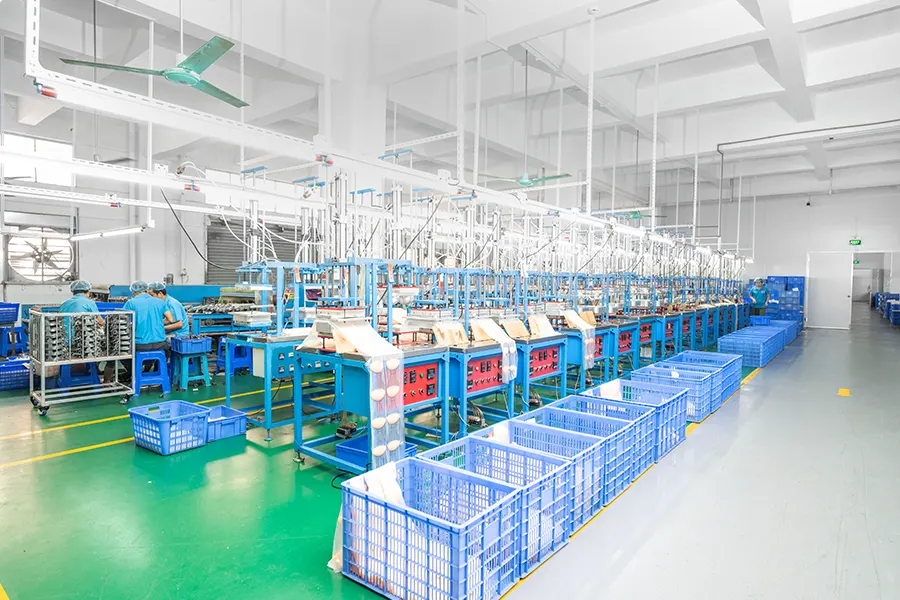
Maior capacidade de produção em massa acelera diretamente as velocidades de entrega. Processos otimizados e automação inteligente liberam recursos existentes, permitindo que as instalações absorvam picos de demanda sem perder prazos.
Mecanismos principais que conectam capacidade e velocidade de entrega
Processos de fabricação otimizados reduzem diretamente os tempos de ciclo e aumentam o tempo de atividade do equipamento. Quando você refina as operações de piso, você cria capacidade adicional a partir de recursos existentes. Esta largura de banda extra atua como um amortecedor operacional, permitindo que as instalações lidem com picos inesperados de demanda sem atrasar as datas de entrega.
A previsibilidade dita a velocidade de entrega. Instalações que implementam protocolos de trabalho padrão e monitoramento em tempo real melhoram drasticamente a precisão de suas estimativas. As linhas de produção podem alinhar estreitamente a sua produção real com a procura do mercado, que elimina a variabilidade do lead time e mantém as remessas dentro do cronograma.
Estratégias para otimizar a produção e evitar gargalos
Dimensionar a produção sem expandir sua presença física requer estratégias operacionais direcionadas. Os métodos de produção enxuta visam ativamente a capacidade oculta no chão de fábrica. Ao simplificar os fluxos de trabalho e eliminar desperdícios, instalações liberam 20% para 30% dos seus atuais recursos de produção. Essa largura de banda recuperada se traduz diretamente em prazos de entrega mais curtos.
A atualização para sistemas de fabricação inteligentes oferece outra grande vantagem de velocidade. O monitoramento automatizado e a robótica intervêm para lidar com tarefas repetitivas, tarefas demoradas. Eliminar atrasos manuais do processo e substituir gargalos físicos por precisão automatizada permite que sua instalação suporte cronogramas de entrega mais rígidos com confiança.
Cronogramas de envio para diferentes mercados globais
O frete aéreo é entregue globalmente em menos de 7 dias com prêmio, enquanto o frete marítimo abrange 10 para 45 dias, oferecendo enorme capacidade em massa por uma fração do custo.
Frete Marítimo vs Frete Aéreo
Escolher entre transporte marítimo e aéreo se resume a equilibrar a urgência com o orçamento. Cada modo atende a necessidades operacionais distintas e traz restrições altamente específicas.
| Recurso | Frete Aéreo (Expressar) | Frete Marítimo (Oceano) |
| Tempo de trânsito | 1 para 7 Dias úteis | 10 para 45 Dias |
| Custo Médio | $5 – $10 por kg | $0.50 – $2 por kg |
| Capacidade | Limitado (até 150 toneladas/voo) | Enorme (20,000+ TEUs/navio) |
| Melhor para | Reabastecimentos urgentes, amostras, alta temporada | Inventário em massa, reposição de baixo custo |
Prazos de entrega para os EUA e Europa
A distância geográfica determina fortemente o seu cronograma de entrega. O gerenciamento de estoque exige o alinhamento dos seus ciclos de produção com essas janelas de trânsito regionais estabelecidas.
- Rotas da Ásia para a América do Norte: Navios oceânicos completam viagens da China aos EUA em 25 para 40 dias, enquanto as transportadoras aéreas cobrem exactamente a mesma distância em 3 para 7 dias úteis.
- Transporte transatlântico e europeu: Os embarques marítimos através do Atlântico levam 2 para 4 semanas, e extensões de frete marítimo da Ásia para a Europa 20 para 40 dias.
- Logística intracontinental: O transporte marítimo regional para países vizinhos como Canadá ou México conclui o trânsito dentro 5 para 10 dias.
Desembaraço Aduaneiro e Atrasos Sazonais
O tempo de trânsito considera apenas a viagem física. Burocracia, picos de volume sazonais, e a infraestrutura local impactam fortemente a data final de entrega.
- Tempo de processamento alfandegário: Procedimentos de desembaraço fronteiriço ampliam cronogramas básicos de trânsito, como visto nas entregas porta a porta da China para os EUA que se estendem até 11 dias.
- Interrupções sazonais: As empresas muitas vezes mudam para o transporte aéreo durante os períodos de pico de férias para evitar o congestionamento portuário e manter cronogramas de entrega rigorosos.
- Diferenças regionais de infraestrutura: As diferentes eficiências logísticas entre os países em desenvolvimento causam frequentemente atrasos imprevisíveis para além das janelas de trânsito padrão.
Como reduzir o lead time sem sacrificar a qualidade do produto
Equilibrar velocidade e qualidade requer uma abordagem cirúrgica ao gerenciamento de estoque, fornecimento local, e automação do fluxo de trabalho. Você não corta atalhos; você corta o desperdício.
Refinar estratégias de estoque e fornecimento local
Para atingir janelas de entrega mais restritas de forma consistente, você deve revisar como gerencia o estoque e quem o fornece. Manter o estoque morto vincula o capital e o espaço de armazenamento necessários para seus principais movimentadores.
- 80/20 Priorização de SKU: Aplique o 80/20 regra para se concentrar em produtos de alto impacto e eliminar sistematicamente estoques obsoletos para liberar recursos essenciais.
- Mudança de Fornecedor Doméstico: Priorizar fornecedores locais para eliminar tempos de trânsito internacionais e monitorar suas métricas de entrega dentro do prazo usando scorecards rigorosos.
- Otimização da frequência de pedidos: Mude para menor, pedidos mais frequentes para acelerar o giro do estoque e eliminar o risco de atrasos massivos na cadeia de suprimentos.
Localizar sua cadeia de suprimentos reduz imediatamente o trânsito internacional em semanas. Vincular isso a rigorosos scorecards de fornecedores garante que seus parceiros mantenham os padrões de qualidade que seus compradores esperam.
Automatize fluxos de trabalho e aplique métodos de produção enxuta
Transferências manuais e processamento sequencial criam gargalos invisíveis. Eliminar isso requer mapear suas operações e deixar a tecnologia lidar com a carga administrativa.
- Automação Robótica: Implantar sistemas automatizados para captura de pedidos e atualizações de ERP para evitar erros humanos e reduzir radicalmente os ciclos de processamento.
- Execução de Tarefas Paralelas: Mapeie fluxos de trabalho internos para que as equipes financeiras e de produção concluam suas etapas simultaneamente, em vez de esperar em uma fila linear.
- Limites WIP e FIFO: Introduzir filas rigorosas do tipo "primeiro a entrar, primeiro a sair" e limitar itens de trabalho em processo para prever com precisão e controlar agressivamente os prazos de entrega.
Limitar o trabalho em processo força sua instalação a terminar o que começou antes de extrair novas matérias-primas. Essa disciplina enxuta mantém a produção previsível, garantindo retornos mais rápidos sem deixar controle de qualidade escorregar.
Erros comuns de fornecimento que atrasam a entrega
Para manter uma cadeia de suprimentos enxuta, evite essas armadilhas operacionais críticas que frequentemente aumentam os prazos de entrega dos sutiãs de silicone:
- Pacotes técnicos incompletos e especificações vagas: Envio de projetos sem geometria de aresta precisa, espessura adesiva, ou classes de materiais forçam esclarecimentos alternados, adicionando 7 a 10 dias de “tempo morto” antes mesmo de o molde ser moldado.
- Feedback de amostra atrasado: Tratar a fase de amostragem de 15 dias com baixa urgência atrapalha a distribuição da produção da fábrica. Um atraso de três dias na aprovação do protótipo pode atrasar sua janela de produção em massa em semanas durante os períodos de pico.
- Ignorando a sazonalidade da produção: Deixar de levar em conta os feriados regionais ou os meses de verão com alta umidade – o que retarda a cura do silicone – leva a gargalos inesperados e despesas forçadas de frete aéreo.
- Falta de buffer para embalagens personalizadas: As marcas muitas vezes finalizam o design do sutiã, mas ignoram a impressão da caixa da marca. Como a embalagem personalizada requer um ciclo separado de 7 a 15 dias, muitas vezes se torna o gargalo final em uma produção que de outra forma seria rápida.
Considerações Finais
Embora pedidos urgentes possam parecer uma solução rápida, gerenciar rigorosamente seu ciclo de produção de 15 a 30 dias é a única maneira de proteger as margens contra rupturas sazonais de estoque. Antecipar a preparação do molde e os requisitos de amostragem garante que seu estoque esteja pronto para o varejo antes do verão e dos picos de noivas chegarem. Ignorar essas realidades rígidas da cadeia de suprimentos expõe diretamente sua empresa à perda de vendas e a custos elevados de frete aéreo.
Não espere que os concorrentes bloqueiem a capacidade da fábrica. Recomendamos parceria com Xinke iniciar a fase de amostragem imediatamente. Garantir o seu cronograma de produção em massa agora garante qualidade superior do adesivo e entrega no prazo para o 2026 temporada.
Consulte nossos especialistas em produção →
Perguntas frequentes
Qual é o prazo de entrega típico para lingerie personalizada?
A produção de lingerie personalizada leva 4 para 8 semanas. Projetos simples usando tecidos em estoque são concluídos em cerca de um mês. Projetos complexos, têxteis personalizados, ou grandes pedidos em grandes quantidades atrasam o cronograma para mais de dois meses.
Quanto tempo leva o envio da China para os EUA?
Os tempos de trânsito dependem do seu meio de transporte. Os correios expresso entregam em 1 para 5 dias, frete aéreo leva 3 para 12 dias, e frete marítimo varia de 15 para 45 dias de porta em porta. O encaminhamento de remessas para a Costa Oeste geralmente oferece um trânsito mais rápido do que os portos da Costa Leste.
Posso acelerar o prazo de produção?
Sim. Você pode acelerar a produção otimizando seus fluxos de trabalho operacionais. As táticas incluem a adoção de princípios de manufatura enxuta, mantendo o estoque Just-in-Time, organizando cronogramas de produção de forma eficiente, e usando fornecedores nacionais para entrega mais rápida de materiais.
Quais fatores atrasam a fabricação de sutiãs?
Chegadas atrasadas de tecidos, pacotes técnicos incompletos, e alterações de projeto pós-aprovação frequentemente paralisam a fabricação. Restrições de produção, como linhas de montagem sobrelotadas, avarias de máquinas, e o congestionamento global do transporte marítimo acrescentam atrasos adicionais ao processo.
Quanto tempo leva o processo de amostragem?
Espere que a fase de amostragem leve 2 para 6 semanas. Esta janela cobre a cotação inicial, prototipagem, verificações de qualidade, envio internacional, e o ciclo de revisão do cliente.
Quando devo fazer o pedido para a alta temporada do verão?
Para a alta temporada de verão de julho a agosto, façam seus pedidos até início de abril. Envio de pedidos de compra pelo menos 120 dias antes garante capacidade da fábrica, contabiliza o trânsito marítimo padrão de carga, e evita sobretaxas caras na alta temporada.