Importing capas de silicone para mamilos from China involves more than comparing unit prices. Buyers also need to consider supplier type, material documentation, desempenho adesivo, Opções de personalização, shipping arrangements, and the requirements of the destination market.
This guide walks through the main sourcing steps, from choosing between ready-made and OEM products to reviewing samples, inspecting finished orders, and preparing import documents. It will help you ask suppliers the right questions before committing to a bulk order.
Why Import Silicone Nipple Covers from China
Flexible Sourcing for Different Order Types
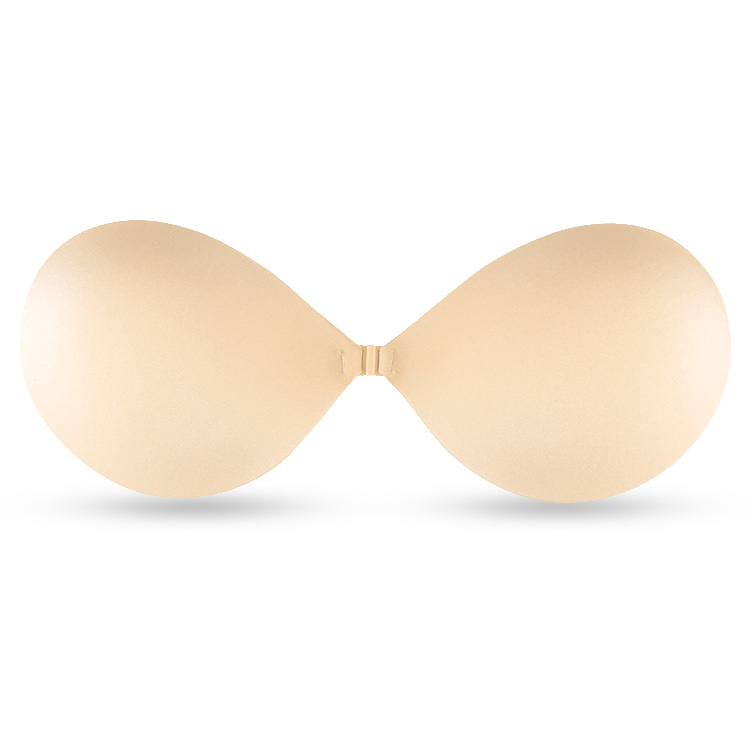
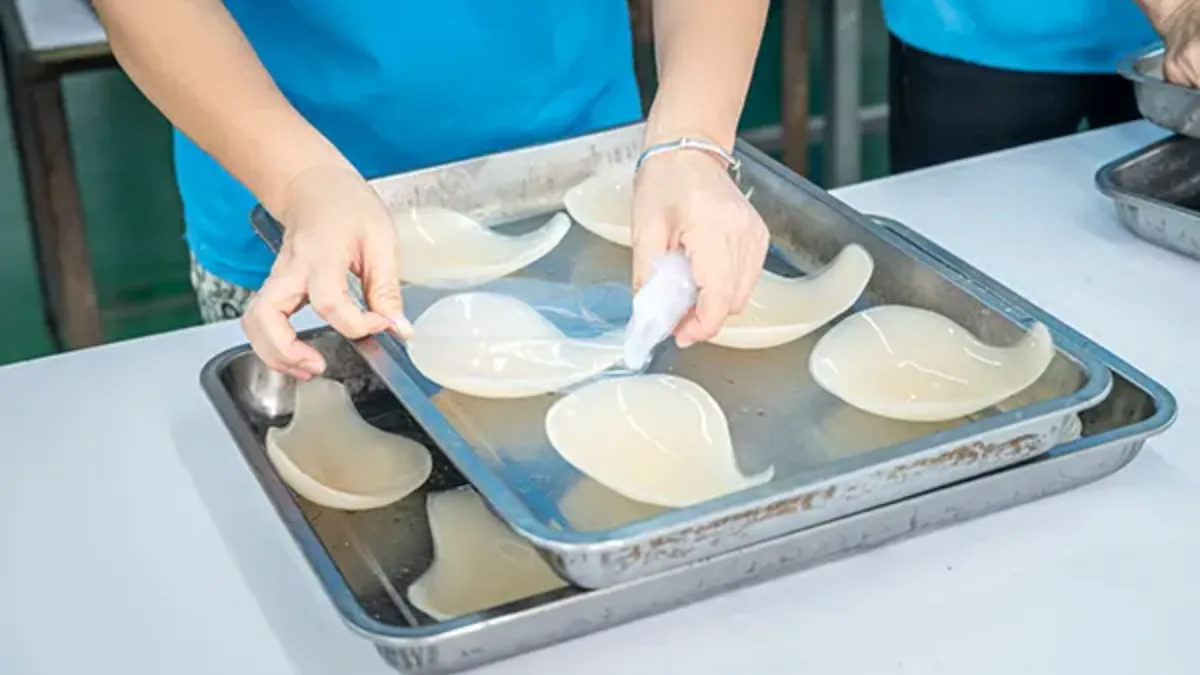
China has a broad supplier base for silicone nipple covers, including specialized silicone manufacturers, lingerie factories, and trading companies. This gives buyers several sourcing options depending on their order size, customization needs, and stage of business.
| Sourcing Option | What It Offers |
|---|---|
| Ready-Made Products | Catalog designs can help brands test demand without developing a new mold or product structure. |
| Marca Própria | Buyers may add branded packaging, rótulos, cores, or storage cases to an existing design. |
| Custom OEM | Brands can develop their own shape, dimensões, edge profile, adhesive requirements, e embalagem. |
| Scalable Ordering | A supplier that handles both sampling and bulk production can support growing order volumes. |
Prices and minimum order quantities vary by material, tamanho, adesivo, embalagem, personalização, and order volume. Buyers should request itemized quotations rather than relying on general market-price ranges.
Product Development and Customization Options
Experienced suppliers can offer more than standard catalog products. Their design and manufacturing capabilities may allow brands to adjust the product for a particular market or customer group.
| Customization Area | Available Options |
|---|---|
| Shape and Coverage | Diameter, dome profile, grossura, and edge design can be adjusted for different garments and coverage preferences. |
| Desempenho adesivo | Adhesive type and tack level can be selected according to the intended wear conditions and product design. |
| Color Options | Skin-tone ranges and custom colors may be available, subject to color matching and order requirements. |
| Brand Presentation | Logo application, protective liners, casos de armazenamento, inserções, and retail packaging can be customized. |
Not every factory provides the same level of customization or controls every production step in-house. Confirm the supplier’s capabilities, subcontracted processes, tooling terms, and minimum order requirements before approving a custom project. Brands developing their retail presentation can also review our guide to custom packaging for silicone nipple covers.
Finding Reliable Silicone Nipple Cover Suppliers
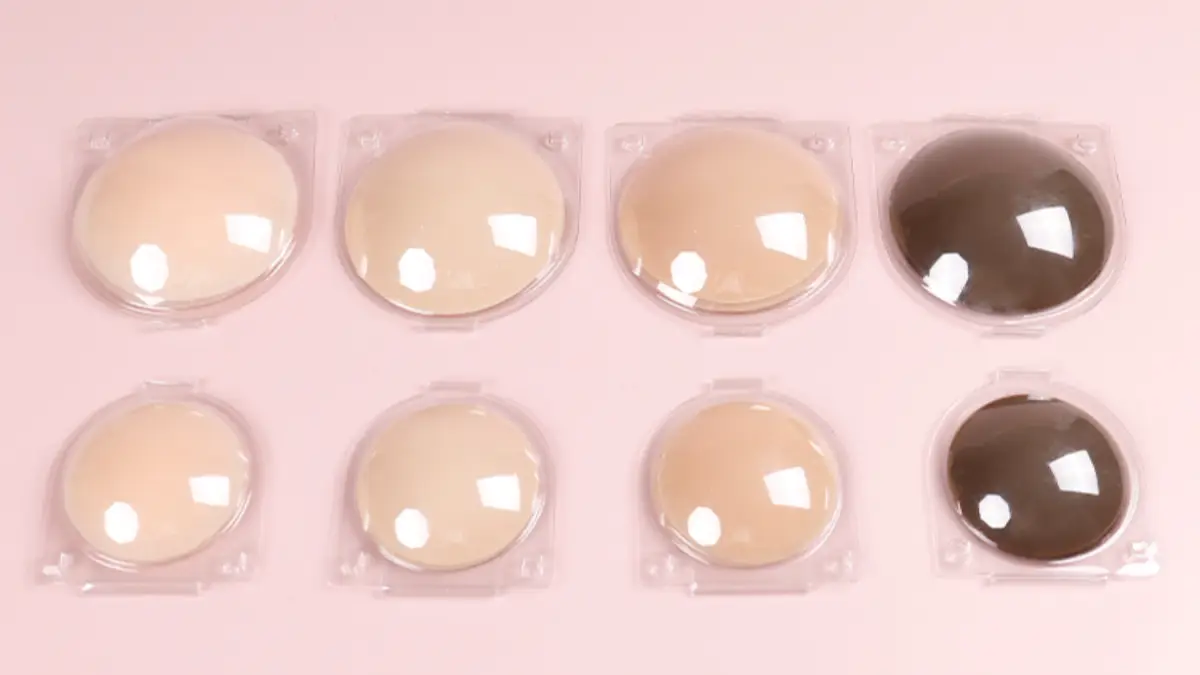
Supplier Type Main Advantage What to Verify Silicone Manufacturer Direct support for materials, moldes, adesivos, and custom products. In-house processes, tooling terms, MOQ, and testing capabilities. Lingerie Factory Can combine nipple covers with other intimate apparel products. Whether silicone molding and adhesive application are subcontracted. Empresa comercial Flexible product selection and supplier coordination. Actual manufacturer, preços, traceability, and production access.
A Verification Checklist and Supplier Evaluation Framework
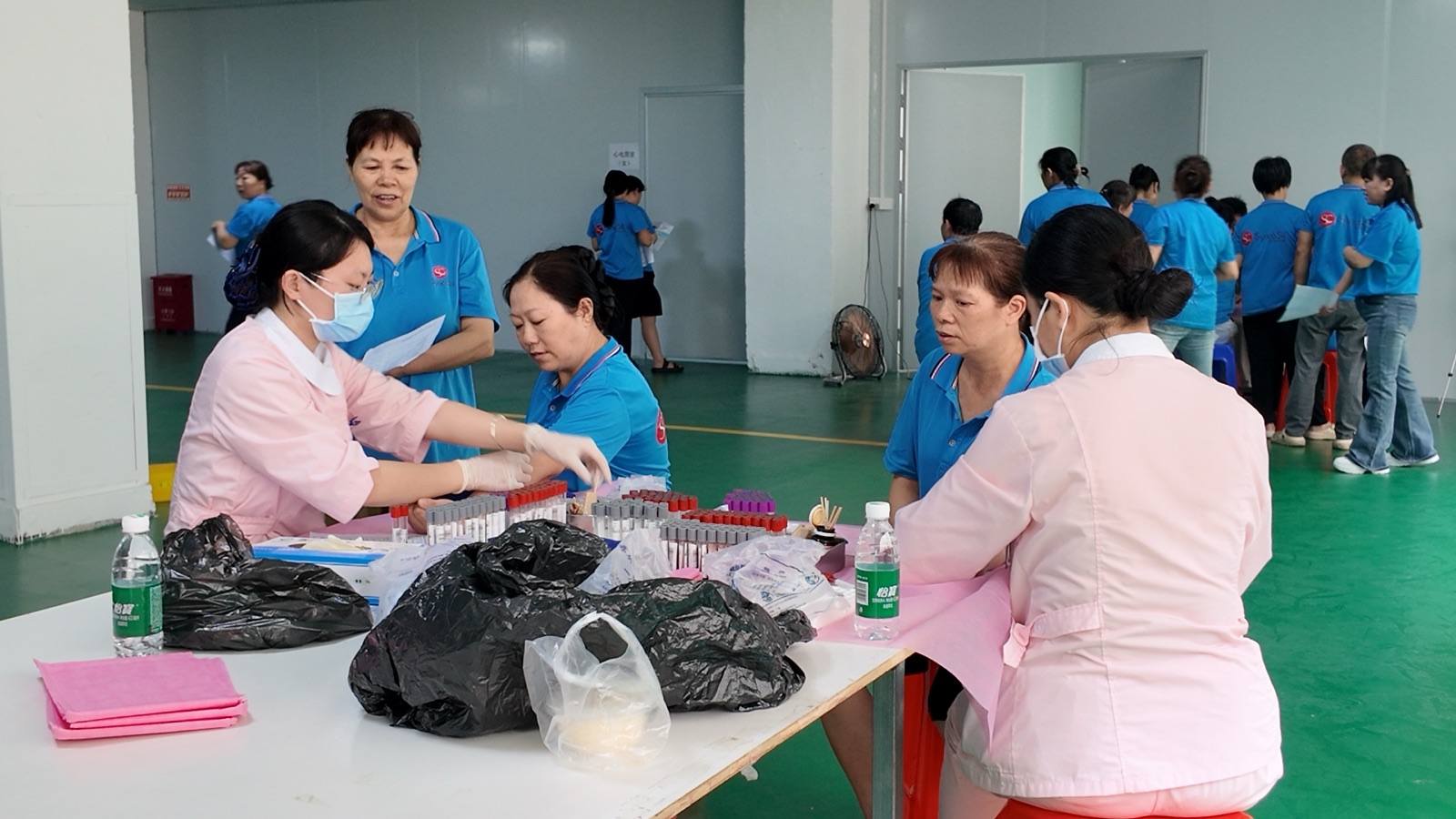
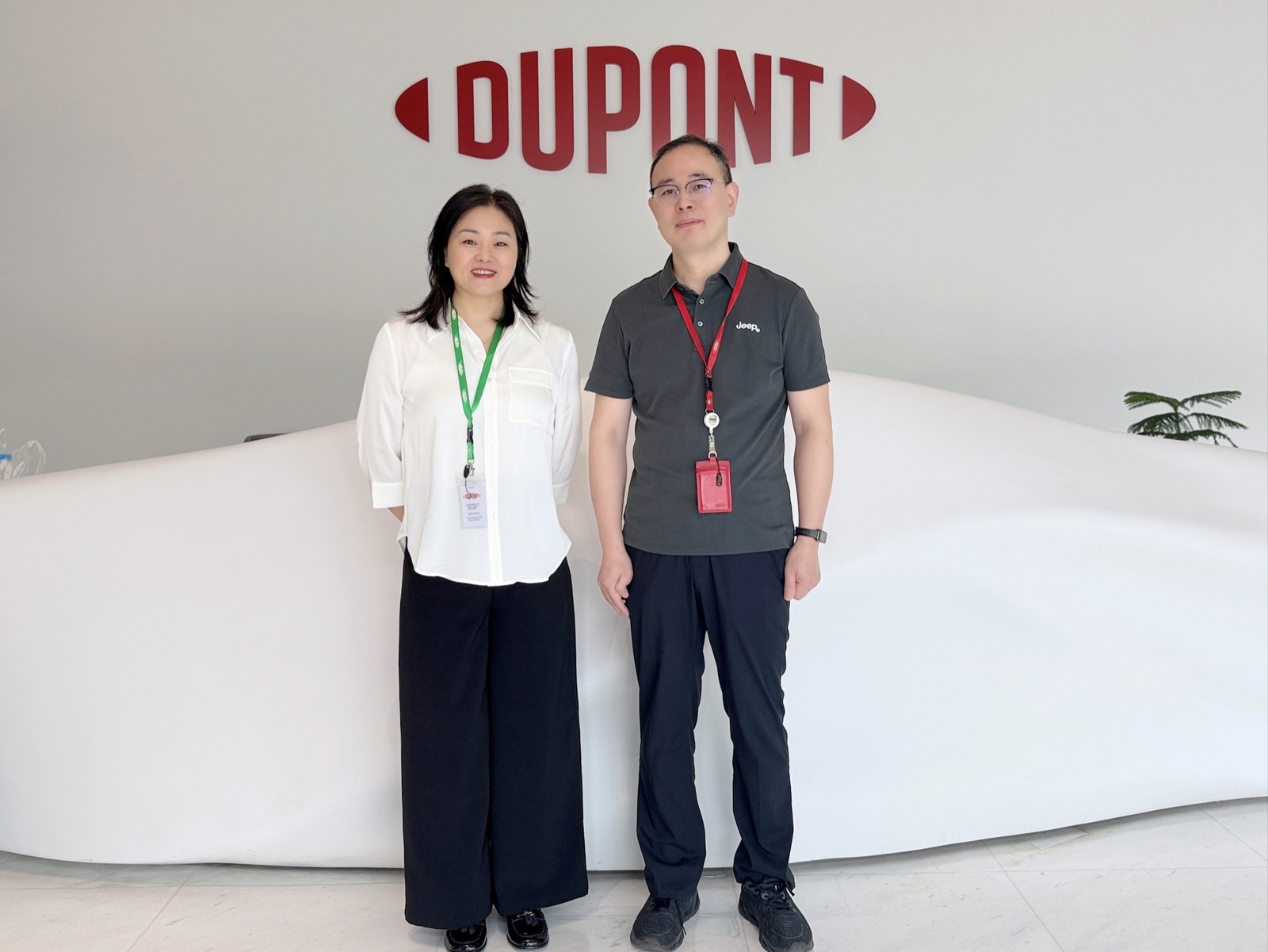
A supplier’s website or marketplace badge does not confirm its production capabilities. Before placing an order, check the business identity, factory operations, product documents, and sample quality.
- Verify the Company: Check that the business license, endereço de fábrica, cotação, and payment account belong to the same company.
- Confirm Production Capabilities: Ask which processes are completed in-house and which are subcontracted.
- Review Product Documents: Check that material specifications and test reports match the supplied product. An SDS alone does not prove skin compatibility.
- Test Samples: Evaluate the shape, acabamento de borda, adhesion, conforto, wash recovery, and packaging before approving a bulk order.
Record the approved product specifications and keep a reference sample before production. This makes it easier to compare the bulk order with what the supplier originally promised.
Source Silicone Nipple Covers for Your Brand
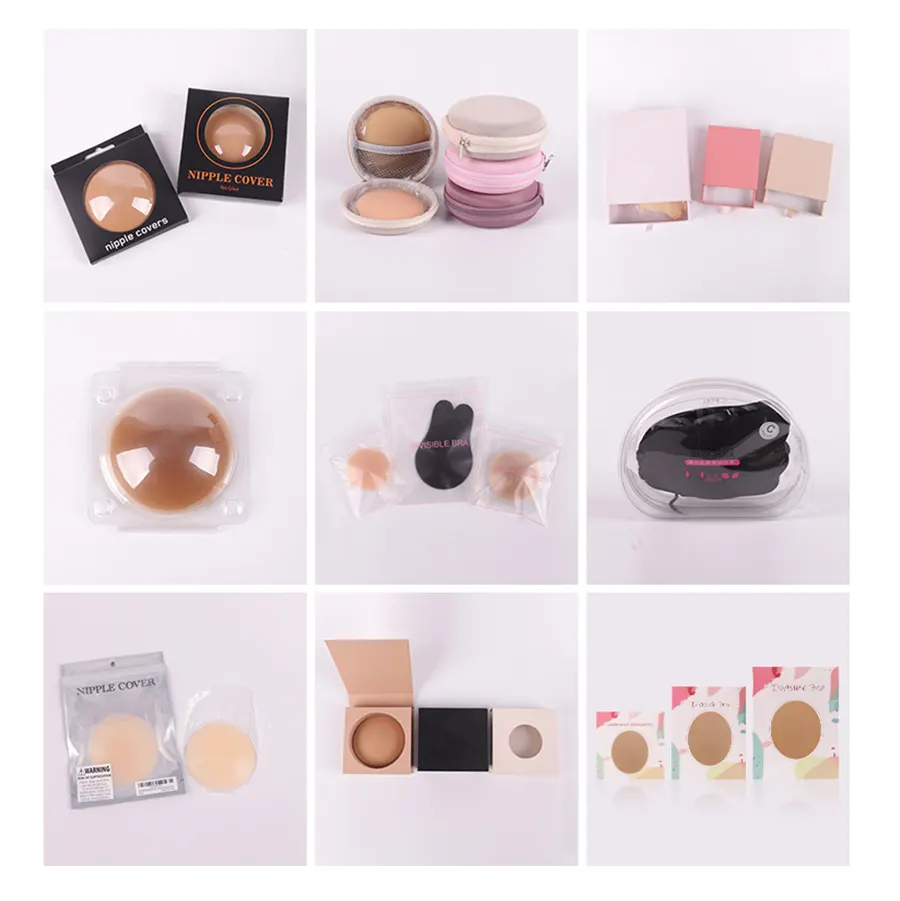
OEM vs Wholesale Import Options
The right sourcing model depends on how quickly you want to launch, how much customization you need, and how much you are prepared to invest in product development.
Factor Ready-Made Wholesale Custom OEM Product Design Uses an existing supplier design. Allows changes to shape, dimensões, cor, adesivo, or packaging. Launch Time Usually faster because product development is limited. Requires design review, amostragem, teste, and approval. Upfront Cost Usually avoids custom mold and development fees. May include sampling, ferramentas, correspondência de cores, and packaging costs. Brand Differentiation Often limited to branding and packaging changes. Offers greater control over product features and presentation. Propriedade intelectual The underlying product design usually remains the supplier’s. Ownership of designs, moldes, and files must be defined in the contract.
Ready-made wholesale is useful for testing demand or launching quickly. Custom OEM is more suitable when the brand needs a distinct product, but the quotation should clearly separate unit price, amostragem, ferramentas, and packaging costs. For a closer comparison of manufacturing models, read our guide to OEM vs ODM silicone nipple covers.
Understanding MOQ and Pricing
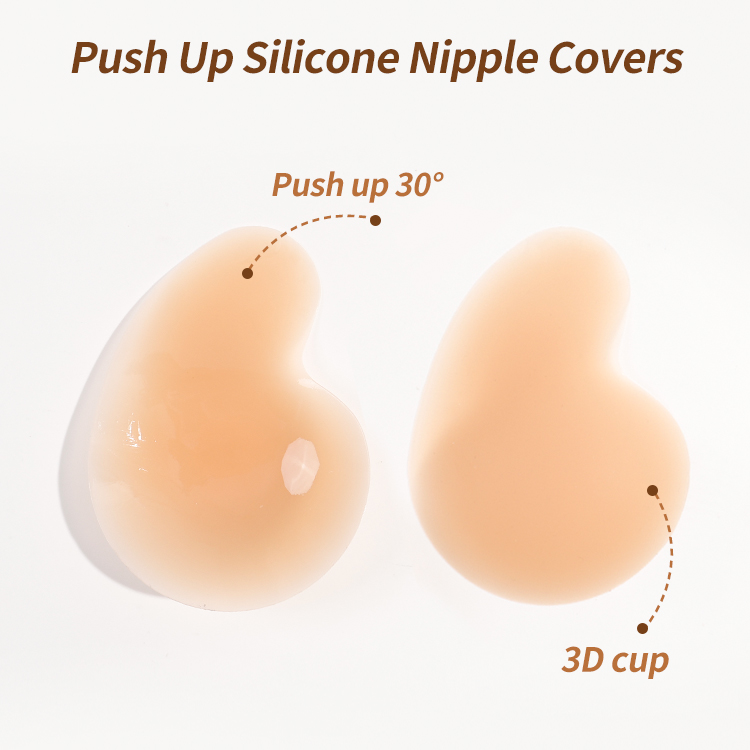
MOQ and unit price depend on what you are ordering. A catalog product with standard packaging will usually have different requirements from a custom shape, cor, adesivo, or retail box. Ask the supplier to quote each option separately so you can see which changes affect the order quantity and total cost.
What Affects the MOQ?
Factories usually set MOQs according to the amount of preparation required for an order.
- Samples and trial orders: Stock samples may be available in small quantities for checking fit, cor, adhesion, e embalagem.
- Ready-made wholesale: Existing designs normally require less setup, although the MOQ may change with color selection and packaging.
- Private label orders: Adding logos, printed liners, inserções, or custom boxes may create separate minimums for the product and packaging.
- Custom OEM products: Novos moldes, dimensões, cores, or adhesive requirements usually involve higher development costs and production commitments.
Before ordering, confirm whether the stated MOQ applies per design, tamanho, cor, or packaging version. This is especially important when one order contains several SKUs.
What Determines the Price?
The unit price is only one part of the quotation. Buyers should also review the costs associated with product development, embalagem, teste, e envio.
- Product specifications: Diameter, grossura, silicone construction, edge design, and adhesive system affect material use and production time.
- Personalização: Novos moldes, correspondência de cores, logo application, and custom packaging may involve one-time setup fees.
- Quantidade do pedido: Larger production runs may reduce the unit price, but they also increase inventory and cash-flow exposure.
- Testing and inspection: Third-party testing, sample revisions, and pre-shipment inspections should be included in the sourcing budget.
- Trade terms: Check whether the quotation is based on EXW, FOB, CIF, or another Incoterm, as each includes different costs.
Request an itemized quotation that separates the product price from sampling, ferramentas, embalagem, e envio. This makes it easier to compare suppliers on the same basis instead of choosing solely by the lowest unit price.
Requesting Samples Before Bulk Orders
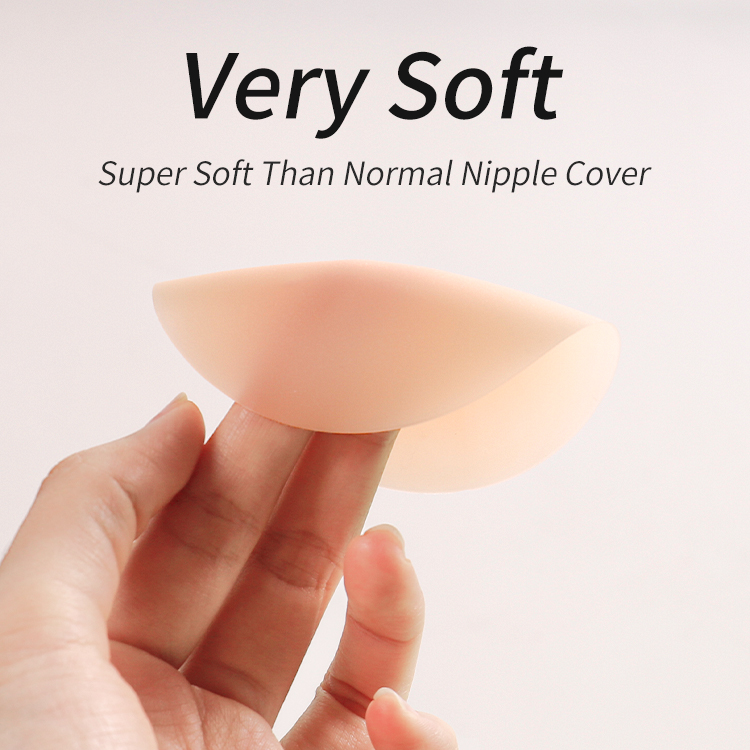
A product photo cannot show how a nipple cover fits, feels, or performs after washing. Review physical samples before approving production, and document any changes agreed with the supplier.
Define the Sample Requirements
Start with a written specification so that both sides are evaluating the same product. It should cover:
- Materiais: Record the silicone and adhesive specifications, cor, curing method, and relevant supporting documents.
- Dimensões: Define the diameter, dome profile, center and edge thickness, and acceptable tolerances.
- Desempenho adesivo: State the intended wear conditions, removal expectations, and reuse claim to be tested.
- Branding and Packaging: Confirm the logo, liner, storage case, inserções, rótulos, e embalagens de varejo.
Custom projects may move through several sample stages:
- Development Sample: Used to review the initial shape, tamanho, cor, and construction.
- Pre-Production Sample: Made with the intended materials and processes before the bulk run begins.
- Approved Reference Sample: Kept by both the buyer and supplier as the standard for production inspection.
The number of sample rounds depends on the level of customization. Record each revision in writing and label the final approved version clearly.
Review Costs, Timing, and Sample Performance
Before paying for samples, confirm the sample fee, courier cost, expected dispatch date, and whether any development charges can be credited toward a future order.
When the samples arrive, check more than their appearance:
- Fit and Finish: Review the shape, edge taper, symmetry, cor, surface quality, and visibility under clothing.
- Adesão: Check initial tack, levantamento de borda, mudando, conforto de remoção, and residue under the intended wear conditions.
- Wash Recovery: Follow the proposed care instructions and assess how well the adhesive and shape recover after cleaning.
- Embalagem: Confirm that the protective liner, storage case, rótulos, and retail packaging match the approved design.
Where wear testing is conducted, use a documented procedure and stop if persistent redness, coceira, burning, or pain occurs. A sample cannot guarantee that every user will have the same experience, but it can reveal fit, adhesion, or manufacturing problems before production.
Because adhesives and acrylates can cause allergic contact dermatitis in some users, sample testing and laboratory reports should be treated as risk-assessment evidence rather than a guarantee that every user will remain reaction-free.
Also note how clearly the supplier records revisions and answers technical questions. Reliable sample management makes it easier to keep the bulk order consistent with the approved product.
Quality Inspection Before Shipment
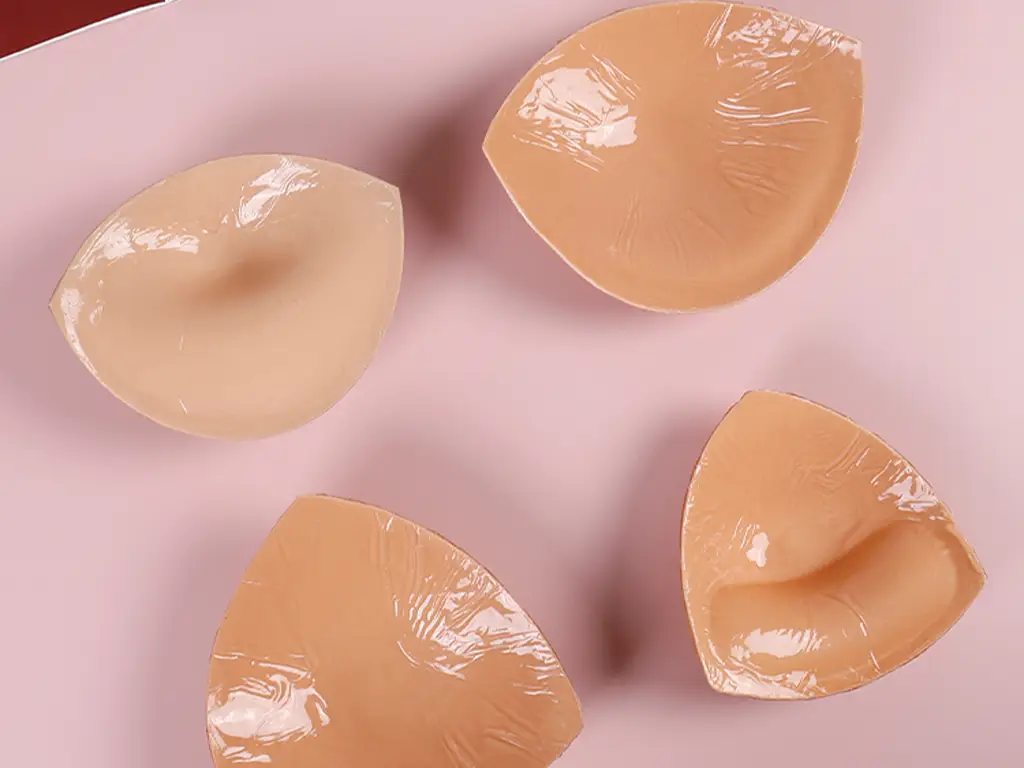
A pre-shipment inspection checks whether the finished order matches the approved sample, product specification, and packaging requirements. The buyer and supplier should agree on the inspection method and acceptance limits before production.
| Inspection Area | O que verificar | Base de Aceitação |
|---|---|---|
| Shape and Dimensions | Diameter, dome profile, center and edge thickness, symmetry, and pair consistency. | Approved sample, technical drawing, and agreed tolerances. |
| Desempenho adesivo | Aderência inicial, peel behavior, levantamento de borda, adhesive transfer, resíduo, and surface cleanliness. | Documented test conditions and intended product claims. |
| Appearance | Bubbles, black spots, scratches, lágrimas, rough edges, uneven color, oily residue, and contamination. | Approved defect samples and agreed visual limits. |
| Material Records | Material codes, batch records, applicable test reports, and production traceability. | Documents must match the supplied product and production batch. |
| Embalagem | Product count, protective liners, rótulos, barcodes, cartons, and country-of-origin information. | Approved packaging sample and purchase-order requirements. |
| Batch Sampling | Random carton selection, sample quantity, defect counts, test results, and photo records. | Agreed sampling plan, inspection level, and acceptance limits. |
Define critical, major, and minor defects before inspection. If an AQL-based plan is used, the inspection level and acceptance limits should reflect the order and product risk rather than being treated as fixed industry values. A failed inspection should trigger an agreed response, such as sorting, rework, replacement, or reinspection, instead of automatic batch rejection in every case.
Plan Shipping and Import Documents
Choose the shipping method according to the order size, prazo de entrega, destino, and total landed cost. Avoid using fixed weight or volume thresholds because freight rates and route availability change.
| Método de envio | Common Use | What to Consider |
|---|---|---|
| Correio Expresso | Samples and urgent small orders. | Fast delivery but a higher cost per unit. |
| Frete Aéreo | Time-sensitive commercial orders. | Compare chargeable weight, handling fees, and airport delivery costs. |
| Frete marítimo | Larger orders with flexible delivery schedules. | Allow for port charges, desembaraço alfandegário, and inland delivery. |
| Rail Freight | Selected routes between China and Europe. | Availability, transit time, and cost depend on the route and service provider. |
Confirm Trade Terms and Required Documents
EXW, FOB, CIF, and other Incoterms divide costs and responsibilities differently. No single term is best for every order, so confirm who handles export clearance, international freight, seguro, import clearance, e entrega final.
Ask the supplier or freight forwarder to confirm the documents required for the destination and transport mode. These commonly include:
- Commercial Invoice: Descrição do produto, quantidade, preço unitário, total value, currency, and agreed Incoterm.
- Packing List: Carton count, dimensões, net and gross weight, and quantity per carton.
- Transport Document: Bill of lading, air waybill, rail document, or courier record.
- Product Documents: Relevant test reports, declarations, or labels required for the destination market.
Ask a customs broker to confirm the correct tariff classification and destination-specific filings. Do not assume that one HS code or import procedure applies in every country. Calculate landed cost using the product price, frete, seguro, obrigações, taxes, clearance fees, and domestic delivery.
Common Import Mistakes to Avoid
Most sourcing problems begin before production, when the supplier, specifications, or approval process has not been clearly verified.
- Relying on Platform Badges: Verify the company, factory location, and production capabilities independently.
- Skipping Samples: Test a production-intent sample for fit, acabamento de borda, adhesion, wash recovery, e embalagem.
- Using Vague Specifications: Record the materials, dimensões, tolerances, cores, adhesive requirements, and acceptable defects.
- Accepting Reports Without Checking Them: Confirm that test reports and production records match the supplied product and manufacturer.
- Ignoring Subcontracting: Ask which processes are completed in-house and require approval before key production steps are transferred elsewhere.
Keep the approved sample, written specifications, cotação, inspection criteria, and packaging requirements together. These records give both sides a clear reference if the bulk order does not match what was approved.
Considerações Finais
Before placing a bulk order, confirm who is making the product, which materials and processes are being used, and whether the finished batch matches the approved sample. Clear specifications, sample testing, document checks, and pre-shipment inspection can prevent many common sourcing problems.
Start with a sample set to evaluate our silicone construction, acabamento de borda, desempenho adesivo, e opções de embalagem. Entre em contato com nossa equipe to request the latest catalog or discuss a ready-made, marca própria, or custom OEM order.