“Looks good — go ahead and produce” is how a lot of adhesive bra programs go wrong. A sample that impressed you on the video call can ship as 5,000 units that de-laminate, shift on skin or arrive in the wrong box. The gap between an attractive sample and an approvable sample is a controlled approval process: a written specification, agreed test conditions, documented revisions, production-representative materials, and a retained reference sample. Adhesive bras are close-to-skin products, so the sample stage is where you protect both quality and your brand’s reputation.
What Is the Difference Between a Development Sample and a Pre-Production Sample?
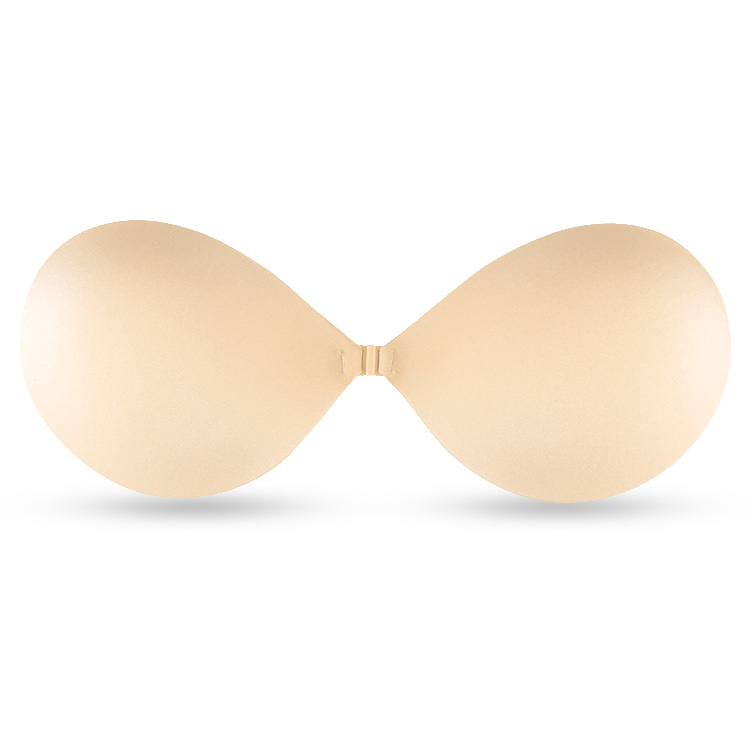
Approval is a sequence, not a single event, and each stage answers a different question. Mixing them up is how buyers approve a prototype as if it were production-ready. The three stages below carry different weight, so label every sample with the stage it belongs to.
| Stage | Question it answers | What buyers approve |
|---|---|---|
| Development / prototype sample | “Is the concept and design direction suitable?” | Form, material direction, construction concept, and proposed size range |
| Revised sample | “Were the requested changes implemented correctly?” | Each documented change from the previous sample round |
| Pre-production sample (PPS) | “Does this reflect the intended bulk-production specification?” | Final materials, construction, Messungen, components, and packaging version |
A pre-production sample should use the intended production materials, components, construction methods and tooling where applicable — it is a rehearsal of the bulk run, not a hand-built best case. Final packaging may be approved with the PPS or through a separate printed packaging sample, but both approvals should be completed before bulk production is released. For a customized product, the final PPS is normally the sample approved as the bulk-production reference; a development sample that “Sieht toll aus” has not earned approval because it never claimed to represent production.
Ask each supplier explicitly which stage a given sample represents before you react to it. A factory may send a hand-finished development sample to win your business, and a buyer who approves it in principle is committing to a product the production line has not yet proven it can reproduce. The question “is this made on production tooling?” protects you from exactly that.
How Should Buyers Prepare a Sample Test Plan?
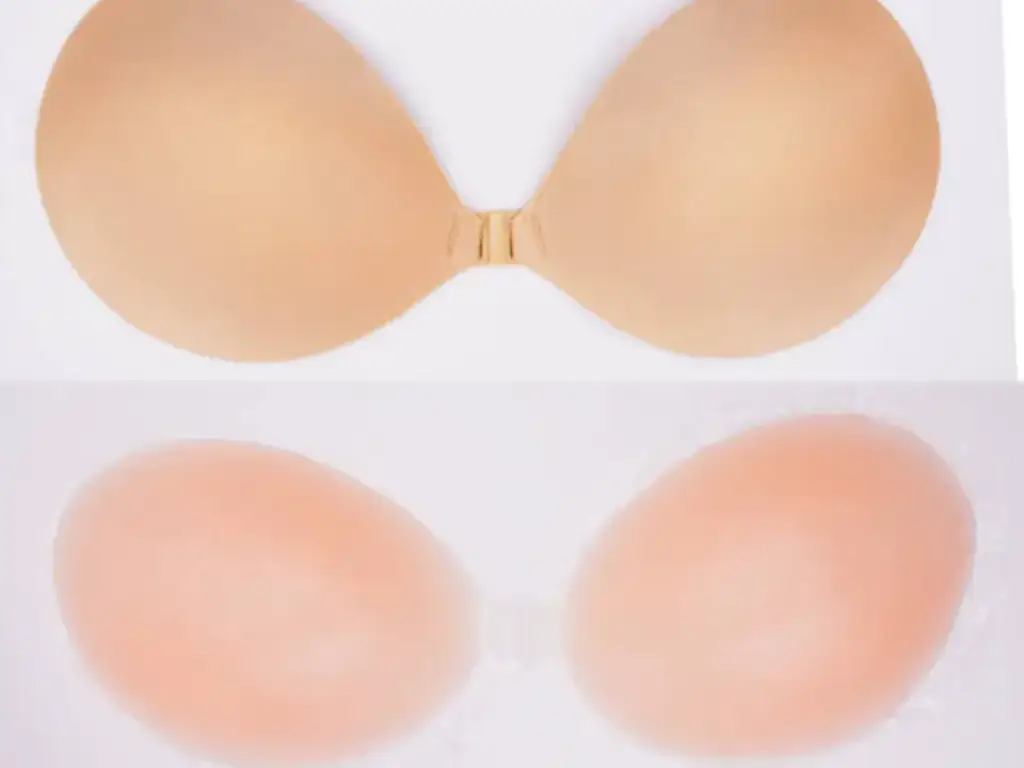
Write the test plan before the sample arrives, not after you’re holding it. A plan separates three kinds of judgment that buyers routinely blur together, and mixing them is what lets a subjective “I liked it” override a failed measurement.
- Subjective observations: how the product looks and feels — drape, color match, edge softness. Record them, but they cannot alone approve.
- Measurable specifications: Abmessungen, Gewicht, count of components, color code, thickness at defined points. These get numbers on a measurement sheet.
- Agreed acceptance criteria: define what counts as pass or fail before testing—for example, the maximum permitted edge lift after a defined wear trial, acceptable adhesive residue after removal, dimensional tolerances, or minimum adhesion performance after a stated number of cleaning cycles.
Set the pass/fail thresholds with the factory on paper before testing so there is no renegotiation after a sample fails. The right thresholds depend on your product and market, so agree them rather than copying a generic standard. Every test you run should trace back to one line in the written spec.
What Should Be Tested on an Adhesive Bra Sample?
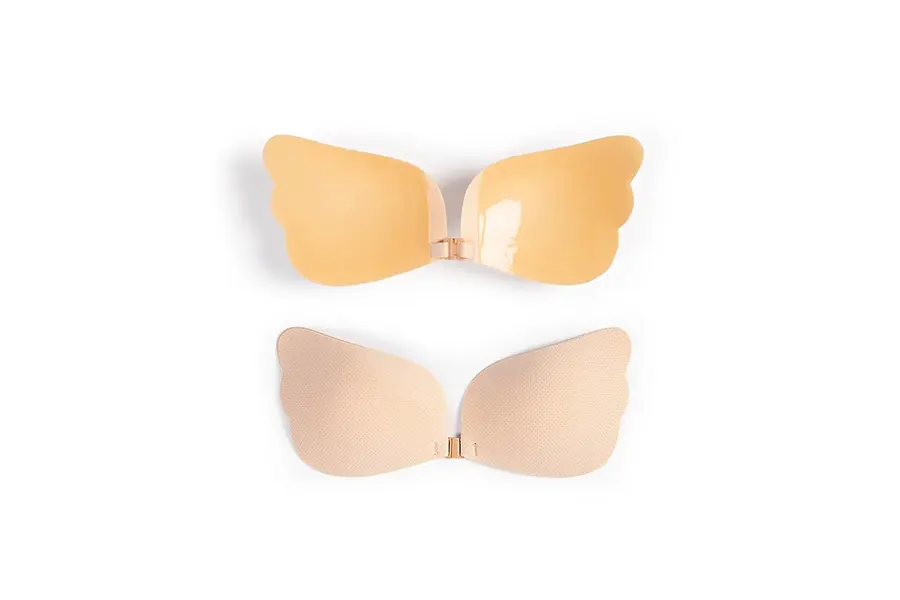
Three things get tested on the sample before it can represent production: construction and sizing, adhesion and wear, and cleaning recovery. Each is judged against your written spec and agreed criteria, not a first impression.
Construction and Size Consistency
Construction is where a PPS can silently drift from the approved design. Check it against the measurement sheet and the retained reference, cup by cup.
- Tassensymmetrie: left and right cups match in shape and volume; an asymmetric pair shows on-body immediately.
- Adhesive coverage: the tackified area matches the spec — coverage that crept or shrank changes hold and skin feel.
- Edge finish: the tapered edge is consistent, without thick spots, nubs or flash that print through clothing.
- Size grading: check the ordered sizes against the graded specification using the agreed size-set or sampling plan, rather than approving the range from only one sample size.
- Material and color version: confirm the silicone or fabric batch and color match the approved version, not a near-substitute — if the material direction itself is still open, start with our guide to Auswahl der Materialien für selbstklebende BHs.
Photograph every defect with a reference object for scale and log it against the specification line it violates. A defect photo tied to a spec line is evidence; a verbal “the edges were uneven” is not.
Buyers can review Xinke’s adhesive bra range to compare silicone, Stoff, cup-shape, thickness and packaging options before defining the sample specification.
Adhesion and Wear Performance
Adhesion and wear are the core function of an adhesive bra, so evaluate them on the agreed conditions from your test plan — the specific wear hours, skin conditions, movement and climate are yours to define and cannot be copied as a universal number. Adhesion criteria should be defined for the specific product construction, intended wear conditions and care instructions rather than copied from a generic test standard.
- Erster Halt: how the bra grips on first application to clean, Trockene Haut, and whether it reaches the required hold after the agreed application pressure and settling time, gegebenenfalls.
- Wear behavior: does the edge lift with arm movement, bending or heat? Note where and when, and photograph it.
- Hold over time: test against the wear duration you intend to market, under the skin conditions, Bewegung, temperature and humidity expected in the target market.
- Entfernung: does it release cleanly without leaving residue or stressing the product, so the same unit can be re-worn as designed?
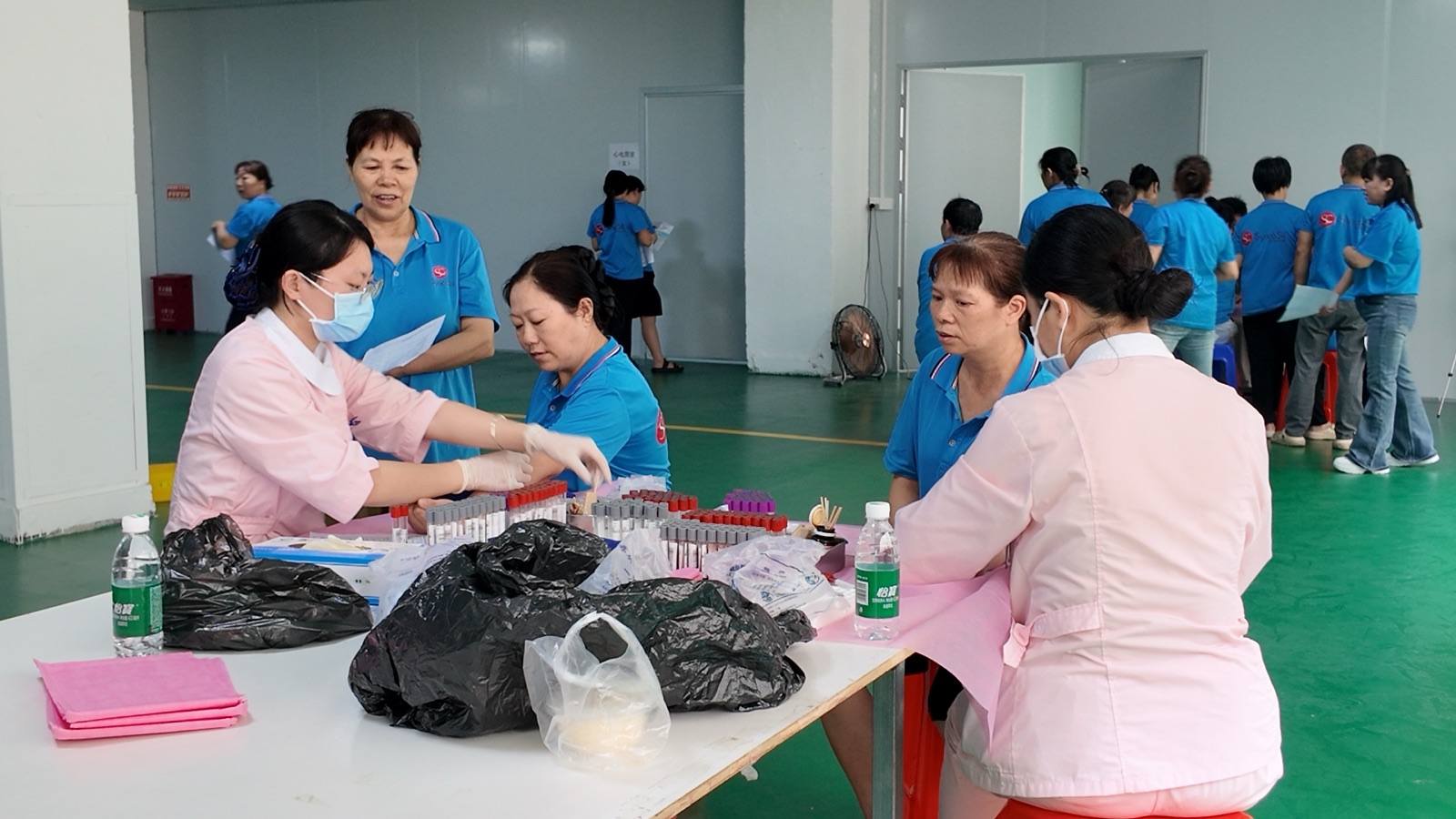
For close-to-skin products, source discipline matters. Xinke states that silicone and TPU materials undergo incoming inspection and that production is managed under its ISO 9001 quality system. Buyers should still request reports that identify the tested material or product, report number, test scope and applicable model before relying on them for approval — material and compliance documents support an adhesion approval but do not replace your own wear and adhesion test on the finished sample.
Cleaning and Adhesion Recovery
A reusable adhesive bra lives or dies on whether tack returns after cleaning. Test the cleaning method you will actually instruct customers to use, for the number of cycles you will claim, and measure adhesion recovery each cycle.
- Define the cleaning method first: the exact wash routine (water temperature, cleanser, Trocknen) that your care label will tell users to follow — test that, not a generic one.
- Track recovery per cycle: record whether grip returns after each clean; note the cycle count where it no longer meets your acceptance criterion.
- Watch the edges and surface: cleaning degrades edges and finish before it kills the whole pad, so inspect the same points each cycle.
Set the reuse-life claim from the data you collected, not from a competitor’s number. If the sample only holds through the cycle count the agreed criterion allows, that is a revision, not a rounding error.
What Packaging and Label Details Need Approval?
Product approval without packaging approval is half an approval. The bulk run ships in a box, so approve the physical packaging sample from the actual artwork version you signed off.
- Artwork version: confirm that the printed box, hangtag and insert match the approved artwork version, including printed color, text legibility, fonts, graphics and barcode accuracy.
- Label content: verify the size, Pflegehinweise, material or fiber disclosures, responsible company information and country-of-origin marking required for the product and destination market. For US sales, review the applicable FTC textile and care-labeling requirements with the importer or compliance adviser because they depend on the product’s actual construction. Der FTC textile labeling guide explains the separate requirements. Equivalent rules should be confirmed for every other destination market.
- Positioning and fit: the product sits correctly in the packaging, protective liner intact, nothing crushed in transit.
- Barcode and coding: scans cleanly, and any batch or date coding matches the agreed format.
A packaging approval error can become a bulk-wide problem when the same artwork or packaging specification is repeated across the order. Approve the packed sample, photograph it, and file it with the product sample so both are reference for inspection.
How Should Revisions and the Approved Golden Sample Be Recorded?
Every revision needs a log entry so the history is reconstructable: what changed, Warum, on whose request, and which spec line it affects. Without a revision log, nobody can later tell whether bulk matches the version you actually approved or some earlier draft.
When the final PPS and packaging both pass, sign it off and physically retain it as the golden sample — a reference used during bulk inspection. The buyer and factory should each retain a matching approved reference sample, identified with the same style number, revision, approval date and signatures. Critically, the golden sample supports inspection but does not replace the written specification, tolerances and agreed test methods. A sample answers “does bulk look like this one?” Only the written spec answers “is this within tolerance, and who decides?” Keep the sample and the paperwork together; neither is sufficient alone.
When Is a Sample Ready for Bulk Production?
A sample is ready for bulk when the checklist below is complete and signed — not when someone likes how it looks. Treat it as a gate: each item either has documented evidence or it blocks approval.
- A final PPS or approved reference sample that reflects the intended production materials, components, construction methods and applicable tooling, with final packaging approved either with the sample or separately.
- Konstruktion, measurements and size grading recorded against the written spec.
- Adhesion, wear and cleaning-recovery tests run under the agreed conditions and criteria.
- Physical packaging sample approved against the correct artwork version.
- A revision log showing every change and its rationale, all closed.
- A retained, signed golden sample held by both buyer and factory, filed with the spec.
The required approval process also depends on whether you are buying an existing stock model, adding private-label branding, or developing a fully custom product. Compare the development scope, sample requirements, and approval responsibilities in our guide to stock, Private-Label, and custom adhesive bras. A factory that documents QC at each production stage can provide useful records for sample review, but the same sign-off requirements still apply.
Häufig gestellte Fragen
What should I check when ordering adhesive bra samples?
Check construction (symmetry, Klebstoffabdeckung, Kantenabschluss), size grading against the spec, adhesion and wear under agreed conditions, cleaning-recovery, and the physical packaging against the approved artwork — all logged against a written specification.
What is the difference between a development sample and a pre-production sample?
A development sample validates the concept and design. A pre-production sample should reflect the intended production materials, components, construction methods and applicable tooling. For a customized product, the final approved PPS normally becomes the reference for bulk production, while packaging may be approved with it or through a separate printed sample.
How do I test adhesive bra samples before ordering in bulk?
Write a test plan with pass/fail criteria agreed with the supplier in advance, then evaluate initial tack, wear and edge hold, removal, and cleaning-recovery on the intended care method. Judge results against the criteria, not a first impression.
When does an adhesive bra sample need another revision?
Whenever a measurable spec, an agreed acceptance criterion or the packaging version fails — even if the sample “looks fine.” A change to shape, adhesive coverage or materials means a new revised sample logged against the affected spec line.
Should buyers keep an approved production sample?
Yes — retain a signed golden sample, with its packaging, on both buyer and factory side. It is the reference for bulk inspection, but it supports rather than replaces the written spec, tolerances and agreed test methods.
Letzte Gedanken
Sample approval turns a physical prototype into a controlled reference for the production run. It protects a close-to-skin product where a single drift in adhesive coverage or packaging version repeats on every unit you ship.
Once every gate item has documented evidence and a signature, the sample has earned bulk production. Before you release the order, confirm the factory can hold the approved spec at volume.