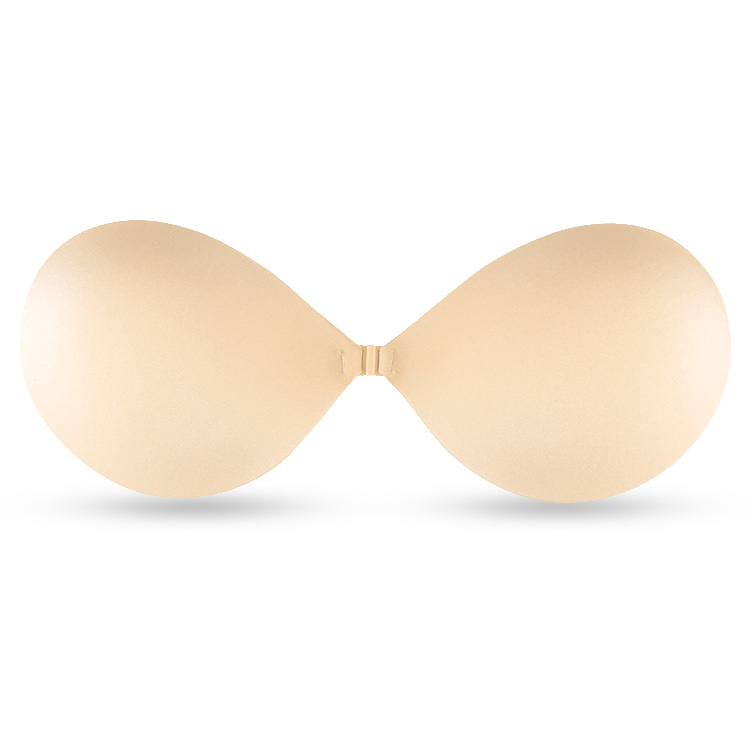
Understanding the operational stakes of Medical Grade Silicone vs Regular Silicone sourcing determines whether your product line succeeds or faces catastrophic recall liabilities. Selecting the wrong elastomer for direct tissue contact introduces acidic peroxide residues that trigger immediate regulatory rejection.
This analysis benchmarks both material grades against ISO 10993 and USP Class VI compliance standards. We evaluate platinum-cure purity levels and sterilization endurance to help you secure a safe and scalable manufacturing result.
What Is Silicone Used for in Intimate Products
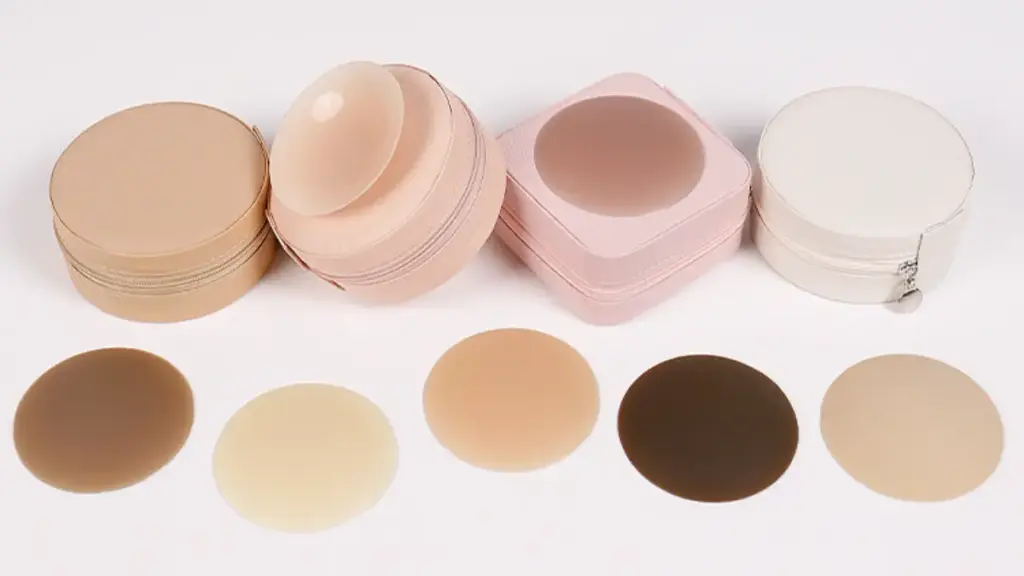
Silicone de qualité médicale provides the biocompatibility, flexibilité, and thermal resistance required for safe, sterilizable, and direct mucosal contact in sexual wellness and menstrual care.
Primary Applications in Sexual Wellness and Menstrual Care
Intimate wellness and menstrual hygiene products demand materials that withstand direct internal tissue exposure. Medical-grade silicone dominates these applications due to its physical adaptability and biological safety.
- Sexual wellness devices: Products like vibrators, dildos, and pelvic floor exercisers require body-safe silicone to prevent mucosal irritation during internal and external contact.
- Menstrual cups and discs: Manufacturers leverage the material’s elastic memory. It folds easily for insertion and then springs back to form a secure, leak-proof vaginal seal.
- Pelvic floor rehabilitation tools: Clinical dilators and pelvic wands require smooth surfaces and precise hardness levels to ensure therapeutic comfort.
- Barrier devices and sheaths: Non-latex condoms and protective sleeves offer a durable, hypoallergenic alternative for individuals with latex sensitivities.
Material Properties and Safety Standards for Tissue Contact
Mucosal tissues are highly sensitive and absorb substances far more readily than typical skin. This tissue dynamics necessitates strict material standards to eliminate the risks of chemical leaching or bacterial growth.
- Biocompatibility compliance: Meeting ISO 10993 and USP Class VI standards guarantees the compound will not trigger allergic reactions, cytotoxicity, or tissue sensitization during mucosal contact.
- Non-porous surface structure: A completely smooth surface ensures that bodily fluids like semen, blood, and vaginal secretions cannot penetrate the material, preventing bacterial colonization.
- Chemical inertness: The polymer backbone remains stable when exposed to body oils and lubricants, eliminating the risk of degradation or chemical leaching.
- Thermal endurance: Users can safely sanitize these products using steam or boiling water because the material resists thermal breakdown without losing its shape or mechanical integrity.
What Is Medical Grade Silicone
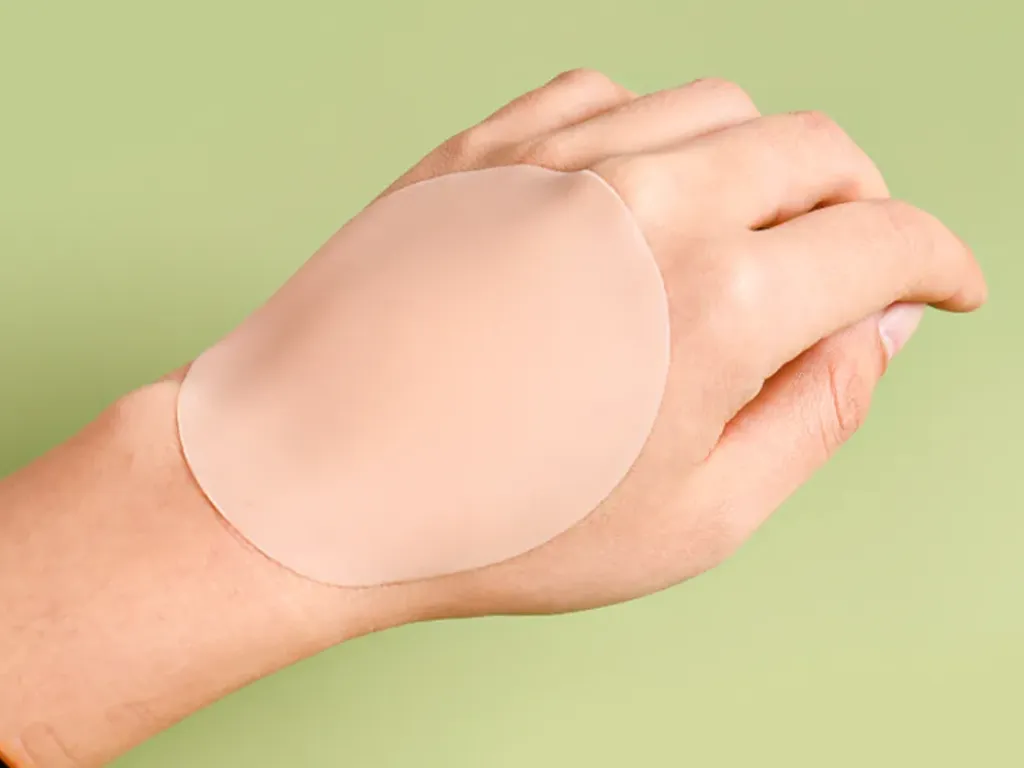
Medical grade silicone is a high-purity, platinum-cured elastomer certified under ISO 10993 and USP Class VI standards for safe, prolonged human tissue contact.
Biocompatibility and Material Purity
Raw material selection and processing chemistry determine whether a silicone formulation is safe for medical applications. Industrial silicones often leave reactive residues, but medical-grade variants prioritize extreme purity at the molecular level.
- Platinum-cure systems: Crosslinks the polymer network without generating toxic or reactive byproducts.
- High-purity raw materials: Eliminates potential allergens, sensitizers, plasticizers, and heavy metals from the compound.
- Chemical inertness: Prevents the material from reacting with human tissues, blood, or mucosal membranes.
- Thermal resistance: Allows repeated sterilization through autoclaving, ethylene oxide, or gamma radiation without physical degradation.
Regulatory Standards and Testing Frameworks
Manufacturers must back biological safety claims with standardized testing. This protocol filters out materials that trigger cell damage or immune responses before they reach clinical use.
- USP Class VI testing: Evaluates biological reactivity to confirm material safety for direct clinical contact.
- ISO 10993 protocols: Verifies non-toxicity through rigorous cytotoxicity, sensitization, and systemic irritation testing.
- Classification levels: Distinguishes clearly between limited surface contact, short-term internal use, and long-term permanent implants.
Premium Invisible Lingerie For Global Brands
What Is Regular Silicone
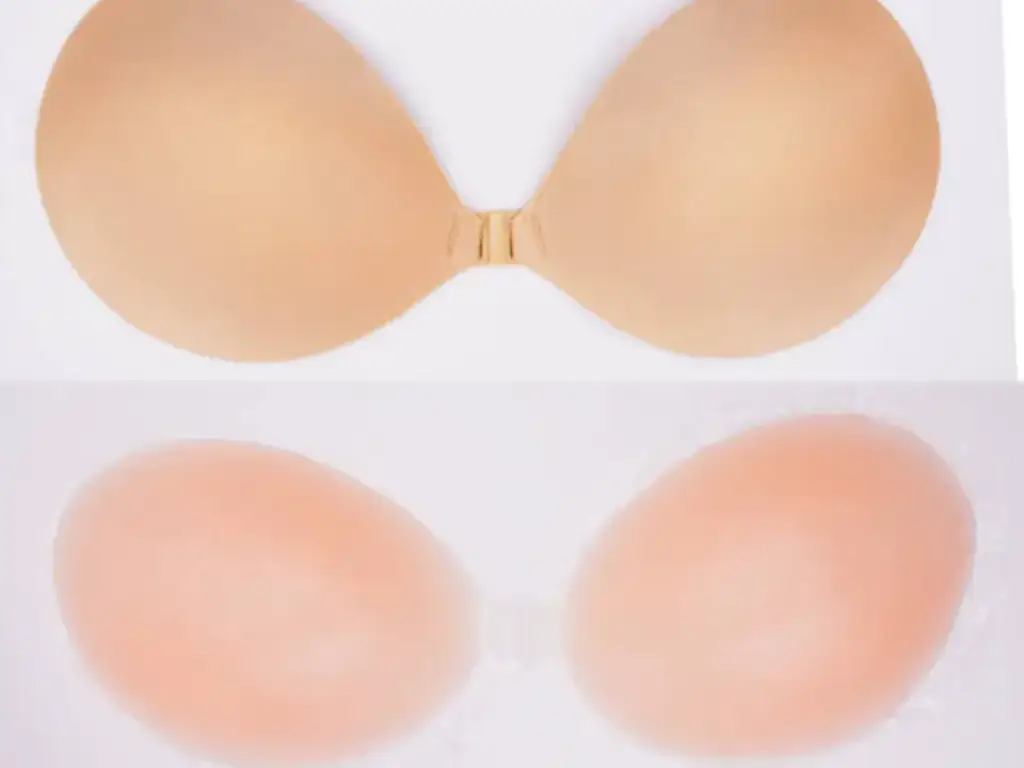
Regular silicone is a standard, peroxide-cured elastomer built for industrial durability and mechanical performance, not biological safety or direct human contact.
Chemical Composition and Material Characteristics
Regular silicone serves as the workhorse of industrial sealing. Unlike highly refined medical elastomers, its chemical engineering prioritizes raw mechanical survival and cost efficiency over biological compatibility.
- Base Chemistry: Relies on a basic polysiloxane backbone with organic side groups to deliver mechanical flexibility and chemical resistance.
- Curing System: Utilizes standard inorganic fillers and organic peroxide curing agents instead of the high-purity platinum catalysts found in premium grades.
- Thermal Window: Maintains stable physical performance within a typical temperature range of -60 à 200 degrees Celsius.
- Surface Profile: Exhibits a greater tendency to yellow, retain odors, and present a coarser surface texture compared to medical-grade alternatives.
These material properties mean the polymer remains highly functional for structural environments but inherently unsuited for sensitive touchpoints.
Industrial Applications and Regulatory Classifications
Industrial sourcing requires strict boundary lines. Because this material bypasses clinical validation, processors must restrict its deployment to environments isolated from biological contact.
- Regulatory Status: Lacks biological safety approvals such as ISO 10993 ou USP classe VI, which restricts its use to non-patient-contact settings.
- Primary Deployments: Functions reliably in automotive gaskets, construction sealants, electronic potting, and basic consumer grips.
- Impurity Profile: Retains internal impurities and volatile curing byproducts that washing or high-heat sterilization cannot safely eliminate.
- Commercial Positioning: Provides a cost-effective alternative for general-purpose applications due to high-volume manufacturing and standardized testing.
Attempting to sanitize or repurpose this grade for intimate or medical applications creates severe liability risks. No amount of post-cure cleaning alters the base chemistry of the compound.
Key Differences Between Medical and Regular Silicone
Medical silicone uses platinum curing to guarantee extreme purity and biocompatibility, while regular silicone relies on peroxide systems that leave toxic, acidic residues.
| Aspect | Silicone de qualité médicale | Regular Silicone |
|---|---|---|
| Curing System | Platinum-cured (no toxic residues) | Often peroxide-cured (leaves acidic residues) |
| Purity | Ultra-pure, zero fillers or toxic additives | Contains low-cost fillers and performance additives |
| Biocompatibilité | Tested (ISO 10993, USP Class VI) | No systematic biological testing |
| Sterilization | Withstands autoclave, gamma, and EtO | Degrades under repeated medical sterilization |
Chemical Composition and Curing Systems
The fundamental distinction between medical and regular silicone starts at the molecular level. Curing chemistry determines whether the final elastomer remains completely inert or leaches harmful compounds during use.
- Curing System: Medical silicone utilizes platinum-catalyzed addition curing, which creates a stable polymer network without generating reactive by-products. En revanche, regular silicone relies on peroxide vulcanization, leaving behind acidic and volatile residues.
- Formulation Purity: Medical formulations strictly exclude low-cost fillers, plasticizers, and heavy metal pigments, which are commonly added to industrial silicones to reduce production costs.
- Polymer Integrity: High-purity medical polymers maintain essential physiological properties, including reliable hydrophobicity, low tissue adhesion, and exceptional structural durability.
Choosing a platinum-cured system prevents chemical migration when the material contacts sweat, bodily fluids, or sensitive mucosal tissue.
Regulatory Standards and Practical Applications
Safety in biological environments is not a marketing claim; it is a verified regulatory status. Medical-grade silicones must pass strict biological reactivity protocols before integration into devices.
- Biocompatibility Testing: Materials must undergo rigorous ISO 10993 and USP Class VI evaluations to ensure they do not cause cytotoxicity, irritation cutanée, or systemic immune responses.
- Sterilization Tolerance: Medical-grade elastomers withstand intensive autoclave, gamma radiation, and ethylene oxide sterilization cycles without cracking or losing elasticity.
- Application Scope: Certified medical grades are specified for implants, surgical tubing, and skin-contact wearables, while regular silicone is restricted to industrial gaskets, thermal insulation, and mechanical seals.
Using regular industrial silicone in patient-contact applications introduces severe liabilities, as these uncertified materials frequently degrade and leach impurities under standard sterilization heat.
Safety and Skin Contact Considerations
Medical-grade silicone safety relies on platinum-cure chemistry and rigorous biocompatibility testing to eliminate dermal irritation, chemical migration, and toxic byproducts in skin-contact products.
Biocompatibility and Curing System Safety
Standard industrial silicones often pose chemical risks when they touch human skin for long periods. Choosing a cleaner curing system ensures the material remains completely inert and safe for prolonged contact.
- Platinum-Cure Chemistry: This addition-cure mechanism prevents the formation of acidic byproducts and minimizes volatile residues during manufacturing.
- Post-Curing Processes: Thermal post-curing reduces cyclic siloxanes (D4, J5, and D6) below strict regulatory watch thresholds for sensitive applications.
- Medical-Grade Elastomers: High-purity elastomers eliminate the risks of irritation cutanée, sensitization, and chemical migration associated with standard peroxide curing agents.
Using platinum-cured systems removes the hazard of toxic leaching, protecting both the end-users and the brand from liability.
Regulatory Compliance and Procurement Standards
Entering clinical or consumer health markets requires rigorous verification of material quality. Regulators evaluate the biological safety of final components, not just the raw materials used in production.
- ISO 10993 and USP Class VI: These standards require biological safety testing on finished parts rather than raw polymers.
- EU REACH Standards: This framework regulates chemical impurities and migration profiles for consumer and clinical wear.
- Approvisionnement stratégique: Buying departments must secure verified supplier certificates for any product involving prolonged skin exposure.
Securing compliant materials directly minimizes the risk of regulatory delays and expensive compliance audits during product launches.
Certifications and Compliance Documents
Regulatory clearance for medical-grade silicone demands verifiable biocompatibility data, lot-specific material traceability, and validated manufacturing process controls under ISO 13485.
Regulatory Standards and Biocompatibility Frameworks
Deploying silicone elastomers in medical devices or intimate consumer products requires alignment with globally recognized biological safety standards. Raw polymer suitability depends on passing specific laboratory evaluation protocols.
- ISO 10993 Testing: ISO 10993 testing suites evaluate biological safety through Part 5 cytotoxicity and Part 10 irritation and sensitization protocols.
- USP Class VI: USP Class VI biological reactivity qualifications confirm raw silicone compounds pass rigorous in vivo testing extracts.
- FDA 21 CFR 177.2600: FDA 21 CFR 177.2600 rules establish specific extractable limits for materials used in pharmaceutical fluid paths and food contact.
- ISO 13485 and EU MDR: ISO 13485 quality management standards and EU MDR 2017/745 rules mandate strict material traceability and clinical risk controls.
Medical OEMs rely on these standardized benchmarks to eliminate toxicological risks before parts enter cleanroom molding lines.
Material and Process Documentation for Assurance qualité
Securing regulatory approval for finished components requires a continuous paper trail. Procurement teams must collect documentation spanning raw chemical compounding up to the final validated device assembly.
- Material-Level Evidence: Material-level evidence requires lot-specific Certificates of Analysis, detailed composition disclosures, and accredited laboratory test data.
- Manufacturing Process Controls: Manufacturing process controls demand cleanroom particulate monitoring logs, hygiene protocols, and complete IQ/OQ/PQ validation dossiers.
- Device-Level Compliance: Device-level compliance files integrate material safety data into Biological Evaluation Reports and ISO 14971 risk management reviews.
- Audit-Ready Packets: Audit-ready verification packets bundle platinum-cure attestations, colorant dossiers, and supplier quality system certificates for regulatory inspectors.
This multi-tiered documentation ensures that any physical change in the raw supply chain or manufacturing environment undergoes systematic impact analysis.
Which Silicone Should Brands Choose
Selecting silicone requires matching verified biological exposure times to documented ISO 10993 or USP Class VI certifications. Industrial grades fail where mucosal or tissue contact occurs.
Brands often make the mistake of treating all silicones as biologically inert. While the base polymer is similar, raw performance and chemical purity diverge during formulation and curing. You must evaluate three core variables to avoid field failures and regulatory rejection.
Key Factors in the Silicone Selection Process
- Biocompatibility and Safety Standards: Medical-grade elastomers undergo strict testing to ensure they do not provoke cytotoxic, allergic, or inflammatory responses. Raw compounds must achieve USP Class VI or ISO 10993 compliance, covering cytotoxicity (ISO 10993-5) and sensitization (ISO 10993-10) before you specify them for body-contacting parts.
- Exposure Duration and Grade Matching: Material selection must scale with contact duration. Non-implantable grades handle skin contact under 24 heures. Prolonged-contact healthcare grades cover mucosal or tissue exposure up to 30 jours. Permanent applications require validated implant-grade chemistry.
- Sterilization and Processing Compatibility: Your production methods dictate cure chemistry. Platinum-cured systems prevent the migratory byproducts and acidic residues common to peroxide-cured systems. High-purity platinum-cured silicones maintain mechanical integrity during harsh autoclaving, ethylene oxide, or gamma radiation cycles.
Regulatory Compliance and Vendor Verification
A supplier claiming their material is “FDA-approved” is a major red flag. Compliance is a rigorous paper trail, not a casual marketing label. Relying on self-declarations exposes your brand to severe liability.
- FDA Food-Grade Versus Medical-Grade Distinctions: Food-grade compliance under FDA 21 CFR 177.2600 sets basic extractable limits for repeated use with food. It does not validate long-term tissue compatibility. True medical grades require explicit biological validation under ISO 10993, proving they do not leach volatile cyclosiloxanes into the body.
- Supply Chain Audits and Document Verification: You must demand a complete, auditable compliance package. Do not accept a raw resin certificate as proof for a finished part. Your vendor validation checklist must include ISO 13485 quality system certifications, lot-specific Certificates of Analysis, and cleanroom particulate logs.
- Cost and Liability Assessment: Medical-grade elastomers command a 3x to 5x price premium over industrial-grade materials. This cost reflects cleanroom overhead, platinum catalysts, and mandatory validation testing. Paying this premium protects your brand against catastrophic product recalls, regulatory blocks, and toxicological liability.
When entering medical or health-facing markets, establish a tiered material strategy. Specify cheaper, peroxide-cured industrial silicones for non-contact components like external button housings, but protect patient-facing boundaries with certified, platinum-cured medical-grade elastomers.
Common Misunderstandings About Medical Grade Claims
“Medical grade” denotes rigorous validation and material purity, not a separate chemical class. True safety requires verifying raw compliance alongside finished product fabrication and curing protocols.
Distinguishing Material Certification from Absolute Product Safety
Raw material certification does not guarantee a safe finished product. Understanding the exact boundaries of polymer chemistry and grade classifications prevents manufacturing and regulatory failures.
- Base polymer equivalence: Medical and regular silicones share the exact same polysiloxane backbone. The actual differences lie in material purity, curing systems, and biocompatibility validation rather than a fundamentally distinct chemistry.
- Material versus finished product safety: Certified USP Class VI raw silicone does not yield a safe end-use product if fabrication processes introduce unapproved colorants, residual mold release agents, or structural design flaws.
- Implantable versus healthcare grades: Standard healthcare-grade Class VI silicones lack the rigorous validation required for long-term internal implantation. Substituting them to cut costs increases systemic risks.
- Toxicity and degradation facts: Platinum-cured medical-grade silicones resist degradation in bodily fluids, remain hypoallergenic, and do not leach harmful plasticizers like phthalates or BPA.
Regulatory Reality and Practical Verification Protocols
Using “medical grade” as a loose buzzword is common in consumer markets. To protect your supply chain, you must understand the regulatory landscape and implement hands-on verification.
- Marketing claims versus regulatory oversight: The phrase “medical grade” lacks formal consumer-level enforcement in non-medical markets, which allows consumer brands to use the label without submitting finished products for official review.
- Device status distinction: Using certified raw materials does not automatically grant a finished consumer item the regulatory clearance or clinical approval of an official medical device.
- Practical validation methods: Procurement teams must verify supplier claims by requesting material data sheets for USP Class VI or ISO 10993 compliance, confirming platinum curing, and testing for physical whitening under tension, which immediately reveals cheap filler materials.
How to Verify Silicone Quality from Suppliers
Unverified supplier claims create severe compliance risks. You can protect your production by auditing quality management certifications, verifying platinum-curing chemistry, and matching lot-specific test data.
Evaluating Certifications and Biocompatibility Records
Paperwork acts as the first line of defense. When we vet silicone suppliers, we require three non-negotiable compliance documents before shipping any production-level quantities:
- ISO 13485 and FDA Compliance: These documents prove the supplier manufactures under a regulated, traceable medical device quality system.
- ISO 10993 and USP Class VI Reports: We look for accredited, third-party lab results confirming biological safety, specifically covering cytotoxicity, irritation, and sensitization.
- Batch-Specific CoA and SDS: The supplier must deliver lot-specific Certificates of Analysis and Safety Data Sheets that directly match the lot numbers on your physical shipment.
Assessing Processing Methods and Purity Control
Raw materials are only as clean as the machinery and chemistry used to shape them. A certified certificate means nothing if the shop floor introduces contaminants during the production run.
We focus our facility audits and processing reviews on three main points:
- Platinum-Curing Chemistry: We verify the supplier uses addition-cure (platinum) systems rather than peroxide systems to avoid acidic, leachable byproducts.
- Cleanroom Class Audits: We evaluate the manufacturing environment and air filtration logs to block volatile organic compounds and industrial fillers from contaminating the batch.
- Independent Lab Validation: We send incoming material samples to a third-party laboratory to cross-check purity claims before clearing the raw silicone for our production lines.
Pensées finales
While cheap peroxide-cured options offer lower upfront costs, utilizing platinum-cured, USP Class VI medical-grade silicone is the only way to safeguard your brand reputation against toxic chemical leaching and regulatory recalls. Using uncertified materials in intimate or clinical applications creates severe liability risks that post-cure washing cannot resolve. Specifying high-purity, biocompatible elastomers ensures your products remain safe for sensitive mucosal contact.
Do not guess on material purity when user safety and market clearance are on the line. We recommend starting with a sample order to inspect our platinum-cured silicone quality and run independent laboratory tests firsthand. Reach out to our engineering team today to review our compliance documentation and discuss your custom OEM manufacturing requirements.