Most reusable sticky bras hold to the skin with a platinum-cured silicone adhesive, not a glue that chemically reacts with the body. The coating grips through surface contact, so it can be peeled off and worn again without the harsh pull of a craft adhesive. For a brand or buyer, the adhesive choice is what decides grip, sweat tolerance, reuse count and skin complaints.
This guide explains the adhesive types used on sticky bras, how each behaves under sweat and heat and across repeated wears, and what skin-contact testing should look like. It ends with the parameters a purchaser should confirm with a factory, and how Xinke documents its own adhesive quality and customization.
What Sticky Bra Adhesive Is Made Of
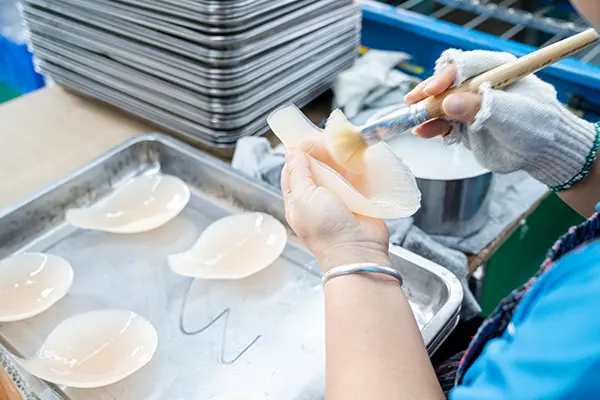
A reusable sticky bra carries a soft, pressure-sensitive silicone layer on the inner face. It is based on polydimethylsiloxane (PDMS), cured with a platinum catalyst into an elastic network. That network conforms to the skin’s fine contours and bonds through close surface contact, so it holds without a chemical reaction on the body.
Some products instead use an acrylic, 感圧接着剤. Acrylic can grip firmly but may pull more on removal, while a well-cured silicone film tends to peel off more gently. The exact result depends on the formula and how fully it is cured. The chemistry behind silicone adhesion covers the crosslinking and why cure quality matters.
Types of Adhesive Used on Sticky Bras
Sticky-bra adhesives come in two main chemistries, and how they are applied is a separate question. The table compares the two families on grip, sweat tolerance and reuse; a short note after it covers the application options.
| Adhesive chemistry | グリップ | Sweat and heat | Reuse |
|---|---|---|---|
| シリコーン, platinum-cured | Firm but flexible; usually peels off gently | Often the more tolerant option | Commonly rated 15 に 30 着用 |
| Acrylic, pressure-sensitive | 固い, but can pull more on removal | Often softens sooner in heat | 変化します; confirm the rated count |
The two rows describe the chemistries in general terms, not measured results for a specific model. グリップ, sweat tolerance and reuse depend on the formula and the cure quality, and no cross-brand figure fits every product. Ask the factory for the test data behind any claim.
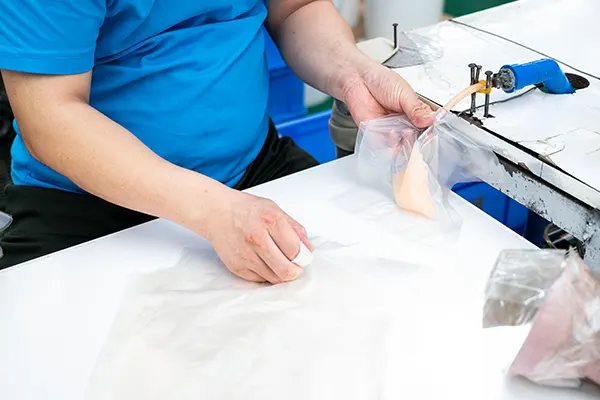
How the adhesive is applied is a separate choice from what it is made of. Some cups carry a full-face coat, while others place adhesive only along the rim or edge, which changes coverage and grip area rather than chemistry. Double-sided bra tape is a different product again, used on edges and necklines rather than as a reusable cup.
グリップ, Sweat Resistance and Reuse
汗, humidity and heat shorten a sticky bra’s day and its life. A well-cured silicone film often holds up better through a warm day than acrylic. The gap still depends on the formula, and no single figure covers every product. Either way, sweat softens any coat and lifts the edges.
The same forces age the product in storage. Heat above the rated range, direct sun and humidity swings harden or soften the coat, so keep unopened stock within the temperature range on the product spec. With proper cleaning and storage a silicone bra is generally rated for roughly 15 に 30 再利用する, a reference rather than a promise. Faded grip can sometimes be recovered through the safe sticky-again method.

Skin Contact and Allergy Risk
Skin reactions under a sticky bra have more than one possible cause, and they vary by person. Irritation can trace to residual impurities in a low-grade coat, such as weak curing agents, leftover solvents or industrial pigments. It can also come from mechanical irritation: 閉じ込められた汗, body oil, or a bra worn too tight. Some people react to the material itself. Because the causes differ, cleaning the cups and the skin properly helps, and Xinke’s washing guide for stick-on bras covers the steps.
A new adhesive should still be patch-tested. Apply a small piece to clean skin on the inner forearm, leave it 24 時間, and stop if redness or itching appears. Where a rash does develop, Mayo Clinic’s description of contact dermatitis explains the usual cause and care.
What Buyers Should Confirm With the Factory
Before a bulk order, treat the supplier’s claims as things to verify, not facts to trust. The table lists what to ask for. Premium makers should be able to produce third-party reports; a label such as “医療グレードの” または “低刺激性” means little without the test data behind it.
| What to confirm | What to ask the factory for |
|---|---|
| Skin safety | ISO 10993 and USP Class VI reports |
| Adhesion strength | Peel (ASTM C794) and lap-shear (ISO 4587) data |
| 耐久性 | UV aging (ISO 4892) and water-immersion results |
| Restricted substances | SGS, California Prop 65, 到着, MSDS |
| Cure quality | Full-cure proof with no strong solvent smell |
| Rated reuse | Reuse count and coat type on the spec sheet |
| ストレージ | Shelf life and packaging conditions |
How Xinke Controls Adhesive Quality
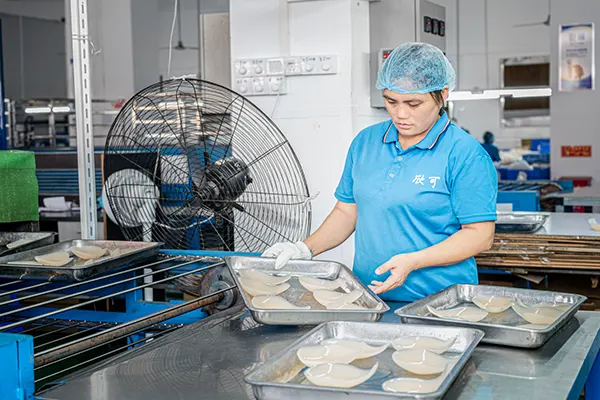
Xinke documents its production checks, including MSDS, SGS, California Proposition 65 and REACH testing, on its silicone bra manufacturing process page, and supports OEM and ODM customization on size, 色, logo and packaging. The 粘着ブラジャー そして シリコンブラジャー ranges list current models, and this strapless one-piece silicone bra is a full-cup example.
For a launch, request a sample batch, run a wash-and-wear trial against the rated reuse count, and review the biocompatibility and restricted-substance reports before committing. Start a sample or specification request on the contact page.

最終的な考え
The right sticky-bra adhesive balances a firm yet gentle grip, sweat and heat tolerance, and a reuse count you can defend on the spec sheet. Platinum-cured silicone is often the default for a reusable line, while acrylic and tape cover different, often firmer roles. Skin issues have several possible causes, from coat quality and sweat to friction or individual sensitivity, so specify a clean, fully cured coat and clear care steps.
For buyers, the safe path is to verify rather than assume. Ask for the ISO 10993 and USP Class VI reports, the peel, shear, UV and immersion data, and the SGS, CA65 and REACH documents. Then test samples against the rated reuse count before scaling. Xinke’s manufacturing and customization pages cover how those checks are run.
よくある質問
粘着性ブラジャーで使用される接着剤?
Most reusable sticky bras use a platinum-cured silicone (PDMS) adhesive that bonds through close skin contact rather than a chemical reaction. Some products instead use an acrylic pressure-sensitive adhesive, while a rim coating or double-sided tape handle edges and necklines as an application choice.
Is silicone bra adhesive safe for skin?
Skin reactions vary by person. Irritation can come from a low-grade coat, 閉じ込められた汗, friction or an individual sensitivity rather than the silicone alone. Patch-test a new adhesive and follow the reuse and care guidance before repeated wear.
How many times can the adhesive be reused?
A well-cared silicone bra is generally rated for about 15 に 30 着用. The count shifts with the formula, sweat and how the bra is cleaned and stored; the sticky-again cleaning method can recover grip faded by residue.
Does sweat or heat affect the adhesive?
はい. Moisture and high heat soften the coat and lift the edges, and storage heat, sun and humidity age it over time. Keep unopened stock cool and dry, within the range on the spec sheet, for the best shelf life.
What should a buyer confirm with the factory?
Ask for ISO 10993 and USP Class VI skin-safety reports, plus peel and lap-shear adhesion data. Then request UV and water-immersion aging results, and SGS, California Proposition 65, REACH and MSDS documents. Finally check the rated reuse count on the spec sheet.