シリコンブラジャー, しばしば粘着性ブラジャーと呼ばれます, are a low-risk garment for most people. There is no reliable evidence that any type of bra causes breast cancer, and the silicone itself is inert. The safety questions that actually matter are how the adhesive affects the skin, how long the bra is worn, and whether the material is well made.
This guide covers what silicone bras are made of, and the adhesive and allergy risk behind most complaints. It then explains how to wear and care for one without irritating the skin, and what a wholesale buyer should verify about materials and testing. It separates what the evidence supports from what is marketing, so you can advise customers honestly. The current range sits in the silicone bra category.

The Short Answer on Safety
Two worries come up again and again. The first is breast cancer. Major cancer organizations, including the American Cancer Society, state that there is no reliable evidence linking any type of bra, wired or wireless, to breast cancer. That link is a myth. Just as important, no bra treats, prevents or causes any condition, so health-benefit claims about a silicone bra should be read with suspicion.
The second worry is real. Any stick-on bra holds to the skin with an adhesive, and that adhesive can irritate the area it covers, especially under heat, sweat or a long day. That is a contact-skin issue, not a disease risk, and the sections below explain how to avoid it.
What Silicone Bras Are Made Of
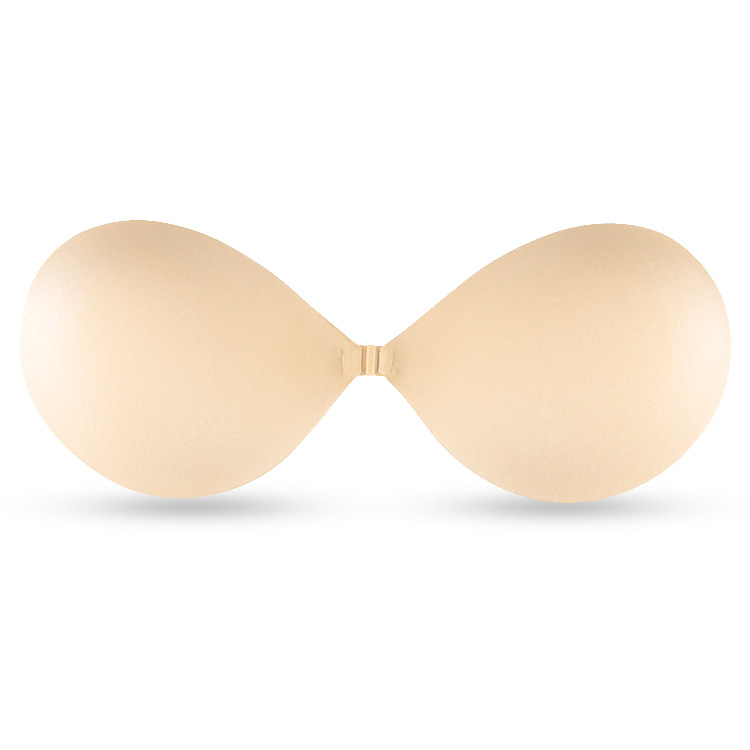
A silicone bra is a moulded cup, usually solid silicone, with an adhesive face or edge. Xinke also makes fabric and sponge cups with an adhesive rim, which sit flatter and lighter. The cup itself is inert and waterproof; the part that grips the skin is the coating on the inside.
Terms like medical-grade are not a standard a buyer can check from a product listing. What matters is the real material spec and the testing behind it. Xinke documents third-party checks, including MSDS, SGS, California Proposition 65 そして到達します, on its silicone bra manufacturing process page.

Adhesive and Skin Allergy Risk
Most complaints trace back to the adhesive rather than the silicone. The coating traps sweat and lifts natural skin oils, which softens the grip and can leave the skin underneath red or itchy by the end of a long day. Reactions range from mild irritation to a rash exactly where the cup sat.
The usual mechanism is contact dermatitis. Mayo Clinic describes contact dermatitis as a rash triggered by repeated skin contact with an irritant or allergen. People with eczema or easily reactive skin are more likely to notice it, so testing the bra on a small area before a first full wear is the sensible step.
How Long and How Often to Wear
There is no single safe hour limit that fits everyone, so treat comfort as the guide. Apply the bra to clean, dry skin with no lotion or oil, take it off as soon as it feels warm, itchy or tight, そしてそこで寝ないでください. Give the skin a break between wears.
Silicone does not breathe. The cup seals moisture against the skin, which is why hot weather and long wear raise the chance of irritation. Peeling the bra off slowly, rather than pulling it away, also protects the delicate skin on the chest.

| 側面 | What to expect | What to watch |
|---|---|---|
| Silicone cup | Inert, 防水, not breathable | Traps sweat under long wear |
| Skin adhesive | Grips clean, 乾燥肌 | Can irritate with heat or sweat |
| Wear time | As long as the skin stays comfortable | Remove if itchy, warm or tight |
| Reuse count | について 15 に 30 wears with care | Falls as the coating wears or collects lint |
| Product testing | Ask for SGS, CA65 and REACH reports | Marketing labels alone are not proof |
What to Check Before Buying in Bulk
A wholesaler cannot test every pair, so the checks happen before the order. Ask the supplier for the material spec and the third-party reports. SGS, California Proposition 65 and REACH cover restricted substances in the silicone and the adhesive, so those documents are worth requesting for any regulated market.
Then confirm the adhesive type and its rated reuse, order samples, and run a wear-and-wash trial before committing to a large quantity. Treat words like hypoallergenic or FDA-approved as marketing unless a specific report backs them. Xinke offers customization on size, 色, logo and packaging, and the adhesive bra and シリコンブラジャー ranges list current models. Start a sample request on the contact page.
Caring for a Silicone Bra Safely
Good care protects both the grip and the skin. Rinse the cups with mild soap and lukewarm water, air dry them adhesive-side up away from heat and sunlight, and press the protective film back on once they are dry. Keep alcohol-based cleaners and hot water away from the coating; the washing guide for stick-on bras covers the steps.
With that routine a silicone bra lasts roughly 15 に 30 着用, and Xinke’s reuse guide explains what shortens the range. Replace the bra when the adhesive no longer bonds after cleaning, or when the skin reacts more often than before. Grip faded by residue can often be recovered through the safe sticky-again cleaning method.

最終的な考え
Silicone bras are safe for most people as a garment. They do not cause cancer, and the silicone itself is inert. The practical risks are the adhesive irritating the skin and moisture building up over a long day. Choose a well-made bra, patch-test it, wear it only while it feels comfortable, and wash it properly. For buyers, verify the material spec and the test reports rather than trusting a label. シンケさん breakdown of silicone adhesion explains why heat, sun and solvents shorten a coating’s life.

よくある質問
Can silicone bras cause breast cancer?
いいえ. Cancer organizations state there is no reliable evidence that any type of bra causes breast cancer. A silicone bra neither causes nor prevents cancer; it is only a garment.
Are silicone bras safe for sensitive skin?
Many people use them without issue, but the adhesive can irritate reactive skin. Test on a small area first, keep early wear short, and stop if redness or itching appears.
How many hours can you wear a silicone bra?
There is no fixed safe limit. Wear it while it stays comfortable, take it off if the skin feels warm or itchy, and avoid sleeping in it.
How many times can a silicone bra be reused?
Roughly 15 に 30 wears with proper care. The reuse guide explains what shortens that range.
Do silicone bras need safety certifications?
For a wholesale order, request third-party reports such as SGS, California Proposition 65 and REACH for restricted substances. A hypoallergenic label means little without a matching document.