Choosing a Private Label vs OEM strategy dictates whether you scale efficiently or burn working capital on misaligned inventory. A strategic mismatch forces startups into excessive minimum order quantities and traps established brands in generic catalog designs that destroy premium pricing margins.
This analysis benchmarks both intimate apparel production models to clarify exact operational trade-offs. We evaluate upfront investments scaling from $5,000 に $100,000 and minimum order quantities ranging from 100 に 3,000 units to help you secure a scalable manufacturing setup.
プライベートブランド vs. OEM Lingerie: Quick Comparison
Choosing between Private Label and OEM dictates your brand’s scalability and capital efficiency. Whether you need a rapid market entry or a proprietary luxury fit, the following breakdown clarifies the operational trade-offs.
| 特徴 | プライベートブランド (Fast-Track) | OEM (Custom Engineering) |
|---|---|---|
| Design Control | Pre-existing factory molds | 100% custom specifications |
| Ownership | Factory owns the structural IP | Brand owns all molds & デザイン |
| Initial Investment | 低い ($5,000 – $20,000) | 高い ($20,000 – $100,000+) |
| Typical MOQ | 100 – 1,000 単位 | 3,000+ 単位 |
| 市場投入までの時間 | 2 – 4 weeks | 12 – 24 weeks |
Why Choose Private Label?
- Low Friction: Skip heavy R&D and use proven factory architecture.
- Fast Launch: Ideal for testing seasonal trends or small startup batches.
- Risk Mitigation: Lower inventory commitment and stable pricing.
Why Choose OEM?
- Total Exclusivity: Unique fits and lace patterns that competitors can’t copy.
- Brand Authority: Precision engineering for luxury or high-performance lines.
- Scalable IP: Complete legal rights to your custom tooling and designs.
How Private Label Lingerie Manufacturing Works

Private label manufacturing is a high-speed production model that leverages a factory’s pre-existing architecture to launch brands quickly. Instead of engineering new molds, brands select established, high-performance designs and customize the aesthetic layer.
The Operational Workflow
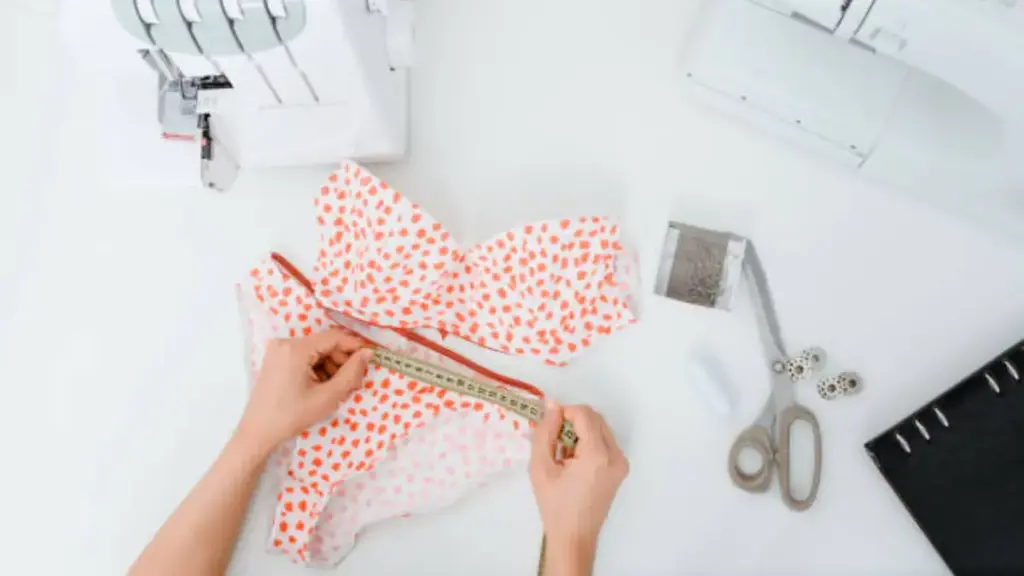
The process begins with Tech pack requirements, where you define fabric GSM, 色, and trims. To bridge the gap between factory standards and brand identity, manufacturers utilize 3D prototyping to refine fits digitally. This modern sampling technique significantly reduces prototyping costs and material waste, supporting sustainability in lingerie by minimizing physical iterations.
Core Advantages
- Rapid Market Entry: Vertically integrated facilities handle everything from material sourcing to final assembly, reducing lead times by up to 30% compared to custom OEM setups.
- Built-in Efficiency: Brands tap into massive on-hand material inventories and proven cup molds, skipping the expensive R&D phase.
- Brand Customization: Factory teams integrate your logos and bespoke packaging directly onto the assembly line, transforming generic stock into premium merchandise.
By plugging into an established infrastructure, you achieve greater supply chain resilience. Fixed material costs and guaranteed production slots protect your margins from global market volatility, making it the ideal path for rapid, low-risk scaling.
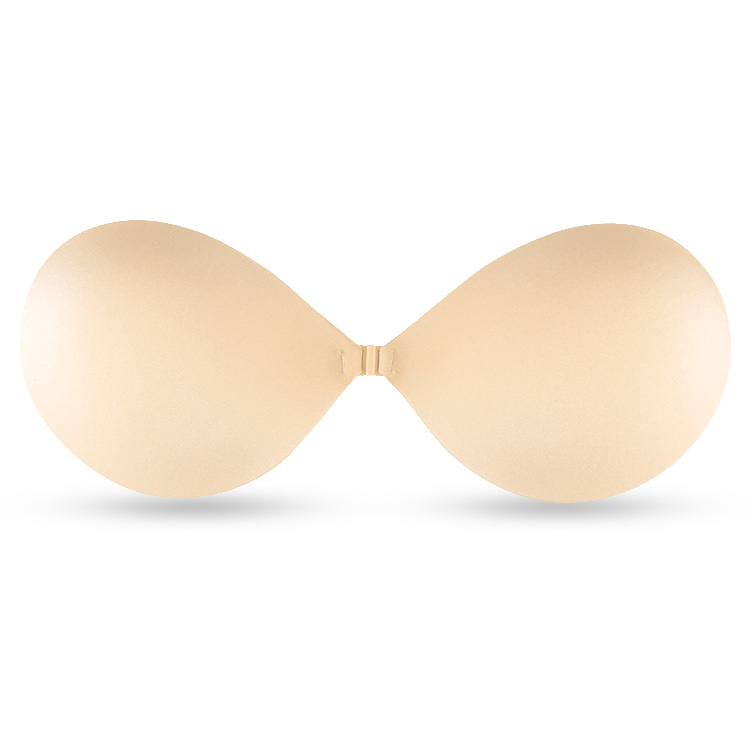
Source Premium Invisible Lingerie at Scale
How OEM Lingerie Manufacturing Supports Custom Product Development

For brands demanding total exclusivity, OEM (OEMメーカー) manufacturing offers complete control over the product’s DNA. Unlike private label, this model focuses on ground-up engineering to create proprietary silhouettes that competitors cannot replicate.
Engineering Custom Architecture
The process centers on precision. Chinese lingerie manufacturers utilize advanced CAD software to develop custom molds based on your unique patterns. This allows for granular adjustments to bra cup depth and support frames. Because you are creating a unique product, tech pack requirements are more stringent, covering everything from seam placement to the specific tension ratios of the lingerie fabric.
Proprietary Material Science
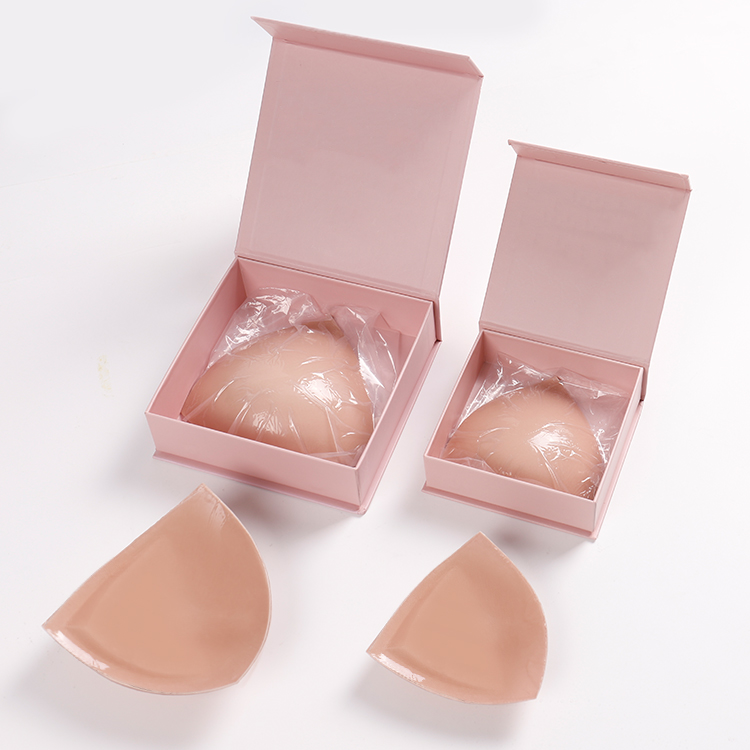
A hallmark of OEM is the development of exclusive silicone compounds and adhesives. These are tailored for skin-safe performance and seamless finishes, ensuring the product remains chemically stable without yellowing. This structural control extends to カスタムパッケージ, which is engineered to protect delicate molded items during global transit.
Validation and Scaling
Before mass production, prototypes undergo rigorous “stress tests.”
- Wear Tests: Validating comfort on live models.
- Stretch Recovery: Ensuring the fabric Snap-back meets longevity standards.
- Adhesion Integrity: Verifying that silicone grip remains consistent in various climates.
While lead times are longer (typically 12–24 weeks), the result is a fully protected, high-margin product line that establishes true brand authority in the premium market.
Cost Differences Between Private Label and OEM Manufacturing
Private label slashes startup costs by 70% with investments under $20,000. OEM demands up to $100,000 for custom engineering but allows targeted raw material savings at high volumes.
Initial Investment and Research Expense Breakdown
The financial gap between these two manufacturing models dictates who carries the research and development burden. Your budget directly defines your entry point.
- Private Label Capital: Requires $5,000 に $20,000 for early production runs of 500 に 5,000 単位.
- R&D Expenses: Manufacturers absorb the design and development costs, reducing the financial burden on new brands.
- OEM Capital: Requires $20,000 に $100,000 upfront to fund custom formulation development, rigorous testing, and engineering processes.
- Cost Reduction: Private label cuts startup expenses by 50% に 70% compared to OEM setups.
Minimum Order Quantities and Operational Logistics
Production volumes impact your cash flow just as heavily as initial development costs. Customizing products forces factories to demand larger commitments to justify their operational setup.
- Private Label MOQs: Factories offer lower minimum order quantities of 500 に 1,000 単位, which minimizes your inventory risk and storage requirements.
- OEM MOQs: Contracts specify quantities of 1,000 に 5,000 units to offset custom development and dedicated production runs.
- Supply Chain Logistics: Original equipment manufacturing introduces complex inventory management and demands long-term supplier partnerships for custom components.
- Sourcing Efficiency: Brands that optimize their ingredient sourcing during custom OEM manufacturing often achieve up to 15% savings on raw materials.
Which Manufacturing Model Is Better for Different Brand Stages
Private label offers startups rapid entry and low risk, while OEM gives growing brands the exact customization needed to build a sustained competitive edge and justify premium pricing.
| Brand Stage | Recommended Model | Time to Market | Typical MOQ |
|---|---|---|---|
| Startups | プライベートブランド | 2–4 Weeks | 100 – 500 単位 |
| Growing Brands | Full OEM Development | 12–24 Weeks | 3,000+ 単位 |
| Large Retailers | Exclusive Private Label | 4–8 Weeks | 10,000+ 単位 |
Why Startups Often Choose Private Label
Startups prioritize immediate market testing to validate business models without exhausting capital. Private label offers the most efficient path by utilizing existing factory infrastructure.
- Rapid Market Entry: Launch product lines within 2–4 weeks.
- Cost Efficiency: Eliminate heavy capital outlays for R&D and specialized equipment.
- Low Barriers: MOQs start as low as 100 単位, significantly reducing inventory risk.
- Reduced Risk: Access proven formulations and standardized quality control systems.
When Growing Brands Shift to OEM Development
As brands scale, generic catalogs can limit growth. Companies eventually require full customization to align with their specific brand vision.
- Higher Brand Value: Unique designs justify premium pricing and foster loyalty.
- Competitive Edge: Proprietary specifications prevent easy replication by competitors.
- Strategic Trade-offs: Brands accept higher MOQs (3,000+ 単位) and longer lead times to secure true differentiation.
How Large Retailers Build Exclusive Lines
Retailers leverage massive volumes to negotiate exclusivity and maintain market dominance.
- Specification Control: Dictate formulations to hit exact price and quality targets.
- Scalable Capacity: Utilize large-scale production floors without internal infrastructure investments.
- Quality Consistency: Ensure reliability through extensive factory testing and strict assurance programs.
Intellectual Property and Design Protection in Manufacturing

Strategic IP protection requires a layered defense—patents for initial exclusivity, trade dress for perpetual brand identity, and ironclad contracts to prevent unauthorized manufacturing reproduction.
Core IP Protection Mechanisms for Product Designs
When you manufacture physical products, copycats are inevitable. You need a structured approach to safeguard your intellectual property across every phase of a product’s lifecycle.
- Design patents: Grant a 15-year monopoly for novel, non-functional designs, securing early market entry before shifting to trade dress protection.
- Trademarks and trade dress: Secure source-identifying packaging and features, building brand identity and stopping competitors from launching confusingly similar items.
- Copyrights: Protect the creative, non-functional elements of product designs and packaging, allowing fast and cost-effective legal action against exact replicas.
- Layered IP approach: Combines patents for initial exclusivity with trade dress for perpetual defense, ensuring long-term security as initial patents expire.
Relying on a single type of protection leaves blind spots. Smart brands stack these legal tools to build a wall around their market share that competitors cannot legally cross.
Strategic Contractual Safeguards for OEM and Private Label Manufacturing
Legal registrations only go so far if your own factory leaks your designs. Your manufacturing agreements must dictate exactly who owns what and who takes the fall if infringement occurs.
- Private label indemnification: Retailers own the final branded design and require strict indemnification clauses to force manufacturers to handle third-party infringement claims.
- OEM data security: Clients retain full ownership of core designs and use non-disclosure agreements and data encryption to restrict manufacturer access to proprietary production details.
- Manufacturing agreements: Explicitly define ownership rights for pre-existing IP and dictate who controls any joint modifications developed during the production process.
- Statutory design rights: Registering directly in manufacturing countries gives brands local legal remedies to shut down unauthorized production runs and copycats at the source.
Contracts set the baseline for expectations. If you skip these safeguards, you risk financing your competitor’s inventory with your own research and development.
Common Mistakes Brands Make When Choosing a Manufacturing Model
Brands often sabotage their margins and scalability by misjudging supplier capabilities and ignoring the hidden costs of their chosen production model.
Many brands fail because they match the wrong manufacturing framework to their current growth stage. This strategic mismatch creates operational bottlenecks right from the start.
Misaligning Business Goals With Supplier Capabilities
- Selecting private label for custom products: Forcing highly customized designs into a standard private label workflow strips away your brand uniqueness and directly lowers your profit margins.
- Committing to excessive OEM MOQs: Partnering with OEM factories that demand minimum order quantities far beyond your early-stage sales volume guarantees piles of dead stock.
- Skipping strict factory audits: Overlooking a supplier’s financial stability and global compliance records invites severe supply chain disruptions.
Ignoring Hidden Costs and Design Complexity
Budget overruns rarely happen because of the base per-unit price. They happen because buyers fail to map out the total landed cost and overcomplicate the physical product design.
- Focusing only on the initial quote: You miss the real financial picture if you ignore critical tooling fees, mandatory compliance testing costs, and hidden shipping surcharges.
- Over-engineering OEM product geometry: Adding unnecessary structural complexity to custom setups inflates manufacturing costs and triggers assembly delays, all without adding actual value for the consumer.
- Over-ordering private label stock: Buying excessive inventory just to secure factory bulk discounts traps your critical working capital in unsold goods.
How to Choose the Right Manufacturing Strategy for Your Brand
Private label gets you to market fast on a tight budget, while OEM demands higher capital to secure long-term exclusivity and total design control.
Evaluate Your Budget, Timeline, and Volume Needs
Your financial resources and operational constraints dictate your starting model. You must map out exact capital, lead times, and unit commitments before locking in a supplier.
- Capital availability: Startups with under $20,000 benefit most from private label. Brands with budgets between $20,000 そして $100,000 can comfortably support the custom tooling and R&D required for OEM.
- Target launch dates: Private label puts your product in customer hands in 4 に 8 weeks. OEM demands a 12 to 24-week runway to handle design iterations, mold creation, and physical testing.
- Minimum order quantities (Moqs): Private label allows quick market testing with low commitments of 500 に 1,000 単位. OEM suppliers expect bulk orders of 1,000 に 5,000 units to justify custom production runs.
Match Production to Brand Positioning and Market Goals
Beyond raw numbers, your manufacturing model must align directly with how you plan to capture market share and defend your unique brand identity.
- Target audience alignment: Mass-market and trend-driven businesses thrive on the speed of private label. Premium or niche brands rely on OEM to deliver exclusive formulations and precise designs that competitors cannot copy.
- Control and differentiation: OEM grants you total ownership over intellectual property, proprietary materials, and structural design. Private label limits your control, forcing you to rely on shared factory base formulas.
- The long-term transition: Smart companies frequently test market viability using private label first. Once they validate demand and build cash flow, they transition into custom OEM production to lock in brand exclusivity and customer loyalty.
最終的な考え
Scaling a profitable lingerie brand requires a manufacturing strategy aligned with your specific growth stage. While private label setups minimize early financial risk, shifting to dedicated OEM engineering is the definitive way to secure proprietary designs and justify premium pricing.
Don’t leave your launch to guesswork. We recommend partnering with シンケ for an immediate strategic review of your tech packs. As an industry leader in EU-certified silicone solutions, Xinke helps you map costs and secure structural samples. Contact our team today to execute your next high-margin commercial run.
よくある質問
What is the difference between OEM and private label in lingerie?
OEM (OEMメーカー) requires you to supply complete design specifications, including tech packs, fabric choices, and sizing charts. The factory builds the product from scratch, guaranteeing exclusivity. Private label uses a manufacturer’s existing lingerie styles. You add your brand labels, hang tags, and custom packaging without altering the core design. OEM fits established brands aiming for unique fits, while private label works best for quick, lower-risk market entry.
How much does it cost to start a private label brand?
Startup costs generally run between $1,000 そして $2,000 for basic inventory and simple setups. If you target products with lower minimum order quantities (Moqs), expect to spend $2,500 に $7,500. Scaling up to premium packaging or custom materials pushes expenses into the $15,000 に $50,000 range. Your total investment relies heavily on order volume, product complexity, and custom branding requirements.
Does OEM mean I own the design?
はい. When you use OEM manufacturing, you retain total ownership of the intellectual property and designs you submit. The manufacturer strictly executes production based on your exact blueprints, material requests, and quality standards. They do not claim any rights to your core design.
Can I buy stock products and put my logo on them?
はい. This practice defines the private label model. You purchase pre-made, standard stock items straight from a factory and apply your logo, custom tags, or branded packaging. It allows you to launch quickly and bypass heavy research and development costs, though the base product will not be entirely exclusive to your company.
Why choose OEM over white label?
OEM gives you absolute control over the design, 生地, and structural features, resulting in an exclusive product that competitors cannot replicate. White label gets you to market faster and cheaper, but OEM drives stronger brand differentiation and customer loyalty. Because you control the proprietary specifications, you can command higher price points and secure better profit margins.
How to find a reliable lingerie manufacturer?
Start by attending industry trade shows like Interfilière or Curve to meet suppliers face-to-face. You can also source through B2B platforms like Alibaba or Maker’s Row, and ask for direct industry referrals. Weigh domestic factories for faster turnaround times against overseas partners for lower production costs. Always verify their minimum order quantities (Moqs), check for certifications like OEKO-TEX, and order prototypes to inspect their sample quality firsthand.