>

ブログ

>

2026 世界のランジェリートレンド: の台頭 "セカンドスキン" テクノロジー

2026 世界のランジェリートレンド: の台頭 “セカンドスキン” テクノロジー

目次

Navigating Silicone Lingerie Trends 2026 forces brands to abandon bulky foam and metal underwires or risk immediate market obsolescence. Continuing to rely on rigid materials directly limits your ability to capture the projected 30 percent market growth and traps your catalog in a low-margin cycle.

This analysis evaluates medical-grade material sourcing against agile MOQ structures starting at 100 単位. We break down liquid silicone molding techniques and ultrasonic welding capabilities to help you secure a reliable manufacturing partner and confidently move seamless inventory at the premium 69-dollar retail mark.

What Is “Second Skin” Lingerie and Why It Matters for Brands

Second skin lingerie leverages seamless construction and eco-friendly stretch fabrics to help brands command premium pricing and capture up to 30% of projected market growth in 2026.

Core Characteristics of Second Skin Underwear

Modern second skin lingerie completely strips away bulky elements to mimic a natural layer over the body. Consumers expect weightless materials that adapt physically to their daily movements.

  • Seamless Construction: Raw-cut hems drop traditional elastic bands, eliminating visible panty lines and allowing the garment to glide flat over the skin.
  • Eco-Friendly Blends: Fabrics utilizing 80% recycled nylon and 20% Lycra Adaptiv Spandex deliver reliable 4-way stretch that adjusts to changing body shapes.
  • 目に見えないサポート: Flexible structures scale from A-cup bralettes to H-cup high-support bras, using neutral skintone shades to remain totally undetected under form-fitting outfits.

Strategic Market Value for Brands in 2026

This category fundamentally shifts how companies approach their product lineups and pricing strategies. Integrating these pieces directly answers the consumer demand for versatile, everyday base layers.

  • Market Share Growth: Silicone-infused, skin-like pieces align directly with 2026 trends, driving a projected 25% に 30% of total lingerie market growth through seamless technology.
  • Premium Positioning: Highlighting eco-friendly innovation and daily versatility allows brands to establish a premium market stance and command higher retail prices, moving bras reliably at the $69 mark.
  • Conversion Optimization: Retailers boost sales by educating shoppers on seamless benefits, expanding into inclusive size ranges, and bundling neutral essentials to secure recurring purchases.

Why Silicone Is Driving the Second Skin Trend: Silicone vs Foam vs Fabric

Silicone delivers a barely-there, wire-free lift that foam and traditional fabrics cannot match, dominating 2026 innerwear by moving naturally with the body while retaining its shape.

  • Weight Reduction: Silicone delivers an ultra-lightweight, barely-there effect that directly replaces the moderate bulk of traditional foam padding.
  • Pressure-Free Lift: Flexible silicone construction provides gentle, wireless lift without creating pressure points, outperforming rigid engineered foam structures.
  • Thermal Adaptation: Seamless silicone adapts to body heat and contours better than foam, offering high breathability and superior stretch recovery.
  • Shape Retention: Silicone dominates 2026 innerwear trends by matching the natural movement of airy fabrics while holding shape longer than standard mesh or cotton blends.
Performance AspectシリコーンFoamファブリック (Mesh/Cotton)
重さ & FeelUltra-lightweight, barely-there effectModerate bulk, structured paddingFeatherlight, airy movement
サポート & リフトWireless, flexible lift without pressure pointsRigid engineered structureSoft bands, natural but less sculpted
通気性 & RecoveryAdapts to body heat, superior stretch recoveryRetains heat, compression riskHighly breathable, may stretch out over time
Trend DominanceLeads 2026 innerwear stylesFading as minimal padding shiftsPairs with silicone for outerwear aesthetics

High-Margin Invisible Lingerie for Global Brands

Source skin-safe, EU-certified silicone bras directly from our automated factory to maximize your ROI. Accelerate your market growth with rapid OEM/ODM customization and reliable, ready-to-ship stock.
Get Wholesale Pricing →
Silicone Lingerie Manufacturing

How Second Skin Lingerie Is Manufactured

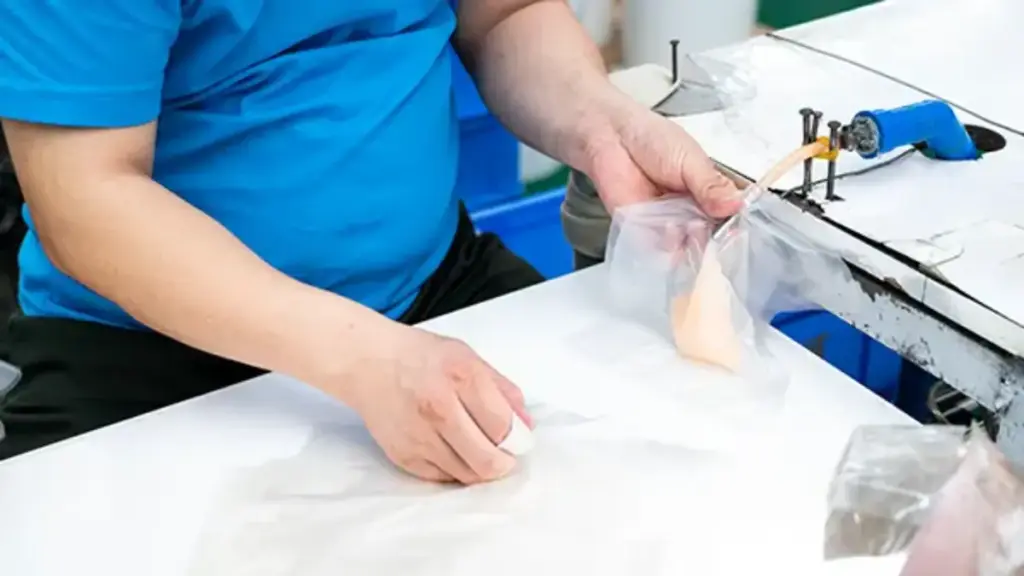
Liquid Silicone Manufacturing-injecting liquid silicone

Modern second skin lingerie favors liquid silicone over solid silicone due to its superior flexibility, combined with laser cutting and ultrasonic welding to eliminate stitches and achieve a durable, barely-there fit.

Liquid Silicone Molding and Bonding Process

The production line starts with liquid silicone. Factories inject this material directly into precision molds to shape the exact base layer of the lingerie. This creates the foundational structure without relying on rigid wires or thick foams.

Manufacturers then use heat-reactive films to bond fabrics together. This process replaces traditional stitching techniques that add unwanted bulk. By 2026, advanced molding techniques allow facilities to produce significantly thinner and more flexible undergarments that mimic actual skin.

Seamless Construction and Edge Finishing

The finishing phase dictates how invisible the garment looks under clothing. Operators run the raw materials through laser-cutting machines to trim the edges. This guarantees a perfectly smooth finish that sits flush against the wearer’s body.

Instead of sewing, factories apply ultrasonic welding to fuse the seams together. This action eliminates bulky threads and friction points entirely. Designers also engineer the pieces with flat-lay edges to stop the fabric from rolling up or fraying during daily wear.

Adhesion Testing and Durability Control

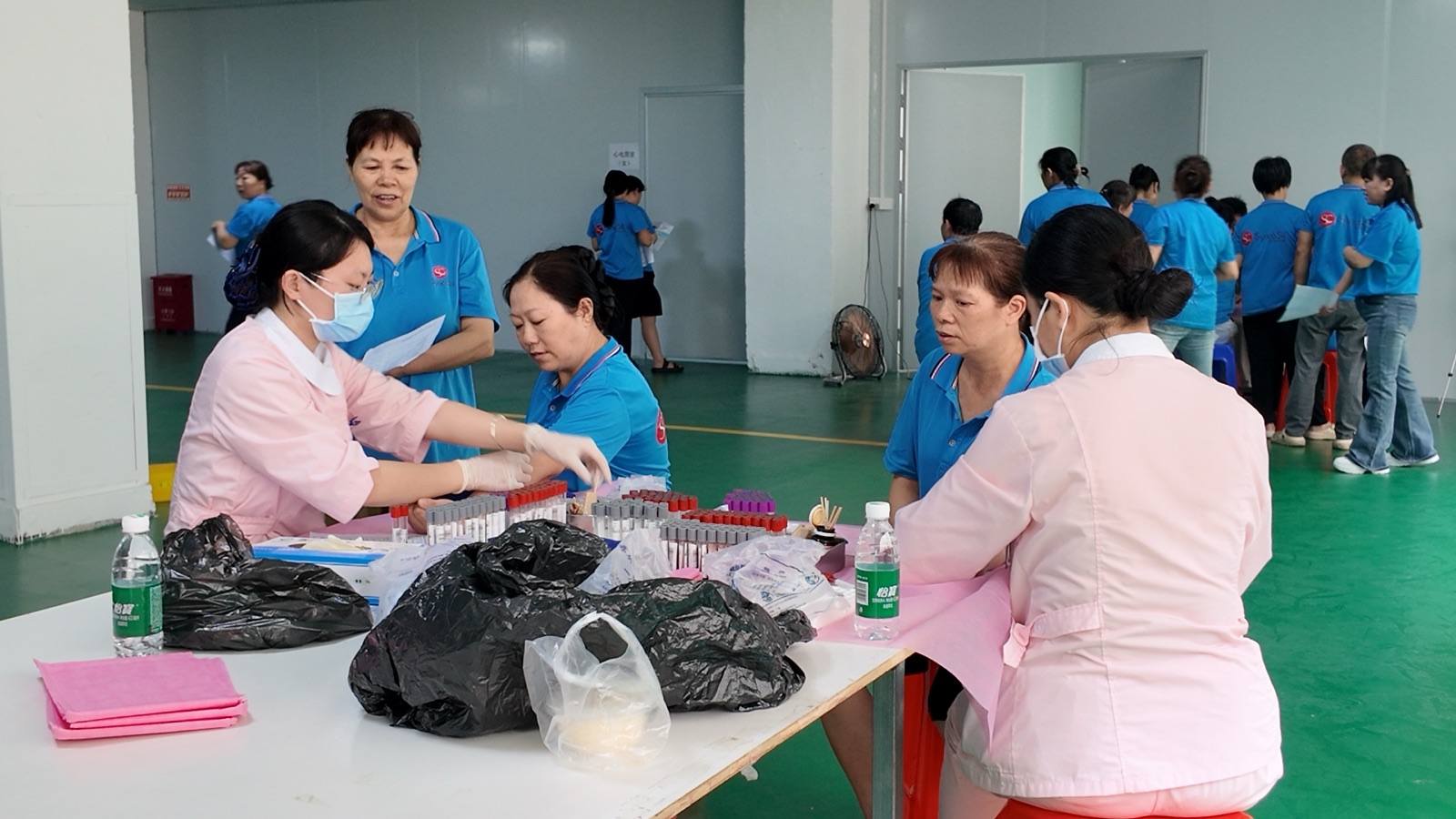
A seamless design fails if it falls apart after one wear. 品質管理 teams strap these garments onto mechanical rigs and stretch them aggressively. This simulates months of long-term wear and tear in just a few hours.

Technicians also run the bonded fabrics through repeated wash cycles to verify the silicone adhesion holds up under standard laundry conditions. Under 2026 industry standards, every single batch must pass strict tension tests before leaving the facility for retail locations.

Designing Wireless, バックレス, and Deep V Lingerie

2026 silicone lingerie replaces metal underwire with flexible jelly strips and molded cups, relying on high-stretch materials for invisible support under low-cut and strapless fashion.

Replacing Underwire with Flexible Support Systems

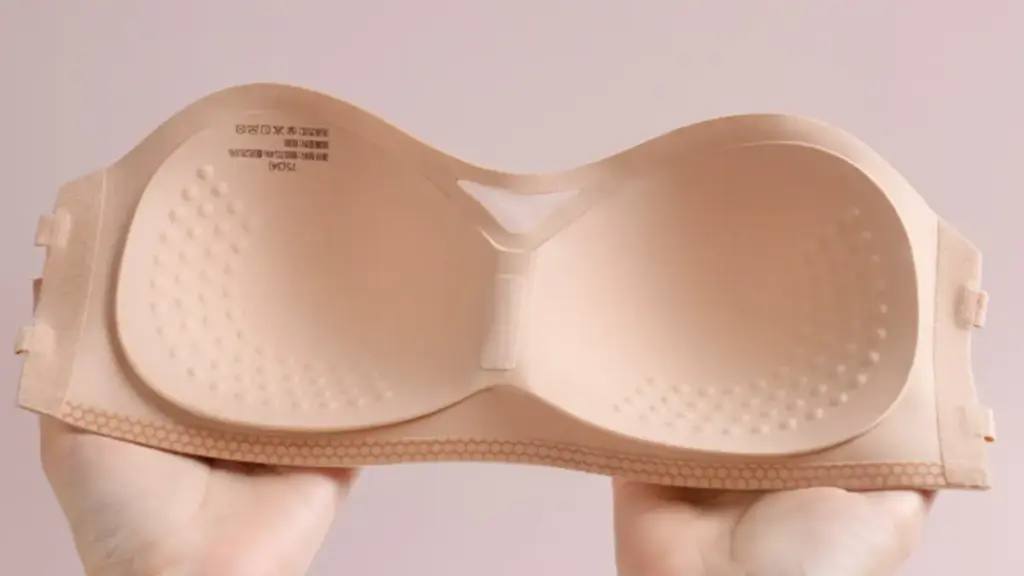
The 2026 lingerie market completely eliminates metal underwires in favor of flexible support networks. Designers actively adopt molded cups, integrated jelly strips, and reinforced bottom bands combined with 医療グレードのシリコン接着剤. These elements work together to provide natural lift and shape without the pinching or discomfort of traditional boning.

  • Jelly strips and molded cups: Deliver stable lift without poking, while reinforced bands lay flat against the ribs for gentle elevation.
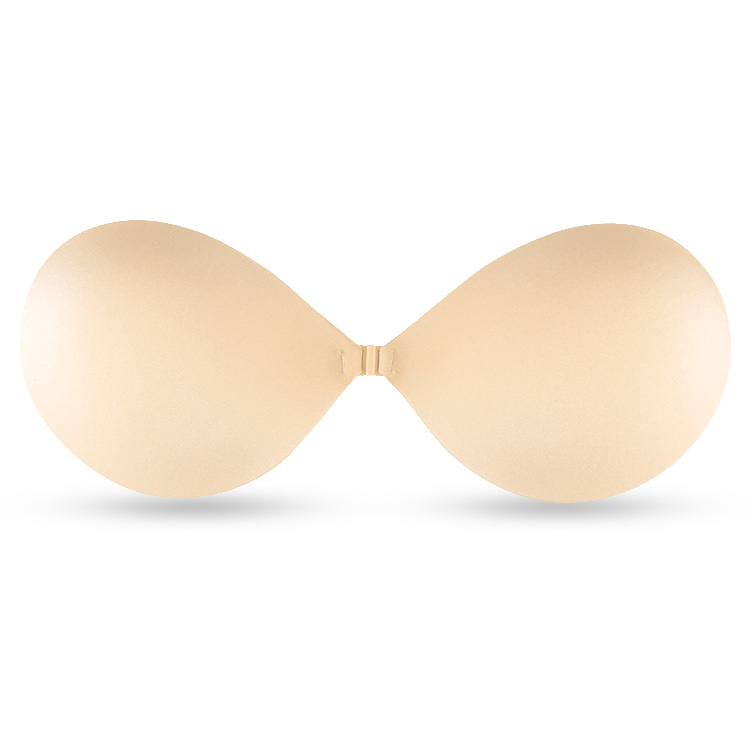
  • Adhesive sticky bras: Supply targeted push-up support directly engineered for backless ensembles and deep V cuts.
  • Thin-strap wireless bras: Integrate anti-sagging technology and breathable cups to support larger busts without adding unwanted volume.
  • No-show silicone options: Create invisible smoothness under plunging necklines, utilizing multiway convertibles for ultimate wardrobe adaptability.

Material Selection for Stability and Comfort

Consumer demand forces a hard pivot away from stiff lace and rigid wiring. Current designs rely heavily on high-stretch silicone blends to ensure breathability, maximum flexibility, and skin sensitivity during extended wear. Manufacturers select these high-elastic fabrics to mimic a second skin, allowing the garment to move naturally across a wide range of body types.

  • High-elastic fabrics: Embed jelly strips and molded cups directly into the material to prevent sagging while keeping the skin cool.
  • Adhesive silicone cups: Offer sticky, reusable support that leaves no marks and removes the need for visible straps under tight clothing.
  • Breathable cup blends: Incorporate vital side-support and plunging edges that remain undetectable.

Inclusive Skin Tones and Sustainable Silicone Production

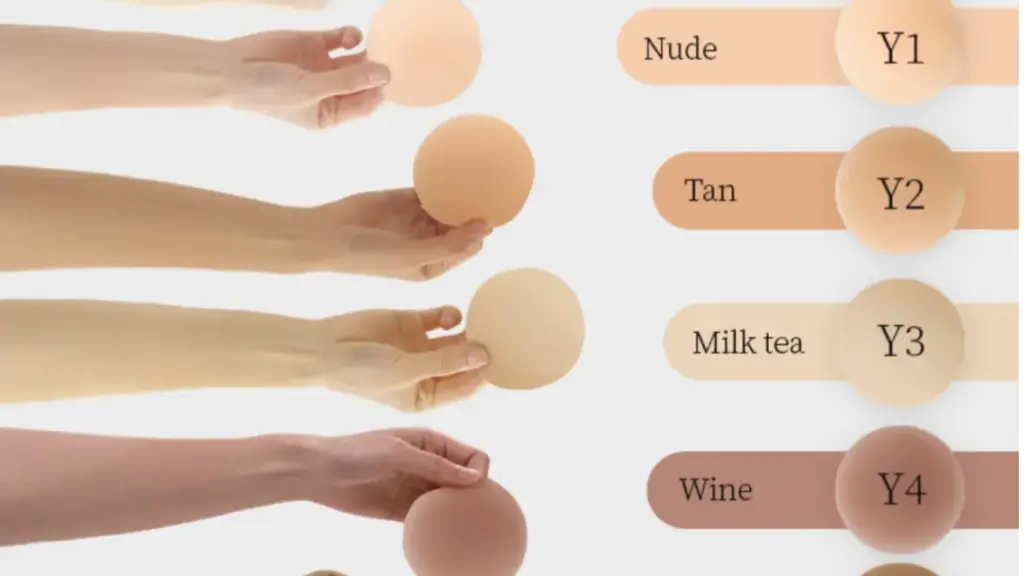
Nipple Cover Customization-different skin tone

Modern lingerie demands exact color matching for diverse complexions alongside sustainable, low-waste manufacturing techniques like circular knitting and biodegradable material alternatives.

Expanding Nude Shades with Color Precision

The 2026 lingerie market rejects the outdated single standard for nude shades. Consumers expect precise color matching that respects diverse complexions. This color precision directly influences repeat purchase rates and builds strong customer loyalty.

Nubian Skin led this shift by engineering intimates specifically for melanin-rich skin. Their foundational work forced the broader industry to adopt color-matched collections across a much wider spectrum of skin tones.

Retailers must adapt their inventory strategies to stay competitive. You need to stock seamless options in multiple skin-tone shades alongside modern basics. Pairing these collections with accurate size charts and body-type styling guidance ensures buyers easily find their exact, flattering match.

Sustainable and Reusable Silicone Materials

Manufacturing seamless and second-skin lingerie relies heavily on circular knitting machines and laser-cutting techniques. These methods create near one-piece constructions, drastically cutting down the fabric waste inherent in traditional cut-and-sew operations.

Spring/Summer 2026 collections rely on advanced material replacements to maintain luxury aesthetics without environmental harm. Brands now prioritize specific eco-friendly components:

  • Recycled and Biodegradable Fabrics: Widespread integration of recycled polyamide lace and organic cotton.
  • Plant-Based Alternatives: Vegan silk and plant-based lace replace petroleum-based synthetics in premium lines.
  • Comfort Enhancements: Silk blends, bamboo rayon, and microfiber linings improve wearability and extend garment life.
  • Bonded Construction: Bonded seams replace traditional stitching to stop premature wear and friction.

For plus-size applications, phase-change materials and moisture-wicking yarns actively regulate body temperature. Building durable garments directly lowers overall consumption and reduces the environmental footprint of replacement cycles.

Emerging customization technology pushes sustainability even further. Virtual scanning, personalized pattern cutting, and micro-manufacturing resolve sizing mismatches before production begins. This tech effectively kills the high return rates that generate massive waste across the supply chain.

What Brands Should Look for in a Silicone Lingerie Manufacturer

Finding the right silicone lingerie manufacturer requires verifying medical-grade material sourcing, demanding agile MOQ structures, and securing advanced OEM capabilities for 2026 market demands.

Technical Capability & Material Sourcing

Your manufacturer’s technical foundation dictates your product’s safety and performance. You need partners who understand medical-grade silicone to guarantee hypoallergenic reliability.

  • Premium Formulations: Skin-safe silicone paired with certified Taiwan TPU film and Germany Wacker adhesives.
  • 医療グレードの専門知識: Proven knowledge in hypoallergenic materials to prevent skin irritation during extended wear.
  • Advanced Eco-Textiles: Capabilities in functional materials with full supply chain traceability to meet upcoming sustainability mandates.
  • Ethical Sourcing: Verified access to high-quality supply chains backed by strict production standards like WRAP certification.

Production Efficiency (MOQ & リードタイム)

Scaling a lingerie brand requires a supply chain that moves fast without locking you into massive inventory commitments. Efficient manufacturers give you agility, allowing you to test new designs before committing to full production runs.

  • Agile MOQs: Starting at 100 に 500 units for market trials, smoothly scaling to 1,000+ for full rollouts.
  • Rapid Lead Times: Averages of four to eight weeks for custom silicone bras.
  • AI-Driven Prototyping: Turnaround times under two weeks for initial product samples using AI-based production.
  • Flexible Fulfillment: Dropship-friendly models and scalable R&D collaborations to keep retail delays to an absolute minimum.

カスタマイズ & OEM/ODM Services

Off-the-shelf designs fail to capture market share. You need providers that excel in bespoke OEM and ODM silicone lingerie production. A strong private label partner delivers ready-to-sell intimates with complete custom branding flexibility.

  • Bespoke Capabilities: White-label production for invisible bras, padded enhancers, 乳首カバー.
  • Hyper-Personalization: AI-driven sizing and adaptive comfort features tailored for diverse body types.
  • Ready-to-Sell Solutions: Complete private label packages offering extensive custom branding flexibility.
  • Sustainable ODM: Eco-conscious design options that align with environmental standards for novel lingerie lines.

最終的な考え

で 2026, lingerie competitiveness depends on materials and construction, not just design. Foam padding and rigid underwires are being replaced by silicone-based, seamless solutions that offer better comfort, 耐久性, and premium positioning.

ブランド用, the key is to validate performance before scaling. A small pilot run helps test adhesion, フィット, and market response while reducing risk.

If you’re developing a silicone lingerie line, partnering with an experienced manufacturer is critical. シンケ provides certified materials, flexible OEM/ODM support, and reliable production.

よくある質問

What are the lingerie trends for 2026?

Lingerie trends for 2026 focus on bold confidence, 快適, and sheer fabrics. Bright jewel tones and neon hues dominate color palettes. Wireless bralettes and seamless 3D-knit designs lead the comfort-driven movement. Designers layer transparent textiles with opaque panels and add feminine details like oversized bows and graphic florals. Silicone integration provides invisible lift in wireless styles and smooth shaping in high-waisted briefs.

Is silicone better than foam for bra pads?

Silicone outperforms foam for bra pads by offering superior durability, 再利用可能性, and direct skin adhesion. Self-adhesive silicone sticks directly to the skin, delivering invisible, wire-free lift for backless outfits for up to 12 時間. Unlike disposable foam pads, bio-adhesive silicone options maintain their tackiness over multiple uses. Medical-grade silicone resists sweat and addresses skin sensitivity concerns far better than traditional foam variants.

What is the “セカンドスキン” trend in bras?

The Second Skin trend focuses on ultra-lightweight, seamless construction that feels weightless and invisible. Manufacturers use featherlight mesh, breathable cotton blends, and ultra-smooth microfiber jerseys to mimic bare skin. These bras feature minimal padding, bonded seams, and laser-cut edges to eliminate bulk and visible lines. Within silicone lingerie, this trend incorporates inclusive skin-tone palettes and silicone-backed edges to ensure smooth, non-slip performance.

Are sticky bras still in style?

Sticky bras remain highly relevant in 2026, serving as an essential solution for backless and strapless outfits. Modern designs feature ultra-sticky, skin-friendly silicone formulations that adhere firmly while minimizing irritation. Brands focus on breathable materials, 再利用可能性, and seamless cups that provide ample support throughout extended wear. They offer a reliable, invisible look under sheer fabrics and plunging necklines.

How do manufacturers source inclusive skin tones in silicone?

Manufacturers source inclusive skin tones by mapping diverse complexions, including deep browns, medium olives, and lighter tans. They use lab dips for precise color verification to ensure the tones remain invisible under sheer fabrics. Suppliers prioritize hypoallergenic pigments and plant-based bio-adhesives that retain color vibrancy. This approach guarantees shade fidelity across various body types and ethnicities.

What is the future of sustainable bras?

Sustainable bras integrate eco-friendly materials like recycled polyester, ocean-bound nylon, and plant-based alternatives into seamless designs. Innovations include vegan silk, sugarcane-derived cups, and coffee-infused yarn for natural odor control. Brands design for longevity with durable elastics and repair services, and implement take-back programs to minimize waste. Blockchain-tracked material passports enforce ethical production standards and ensure supply chain transparency.

共有:

関連記事

目次

whatsapp
×