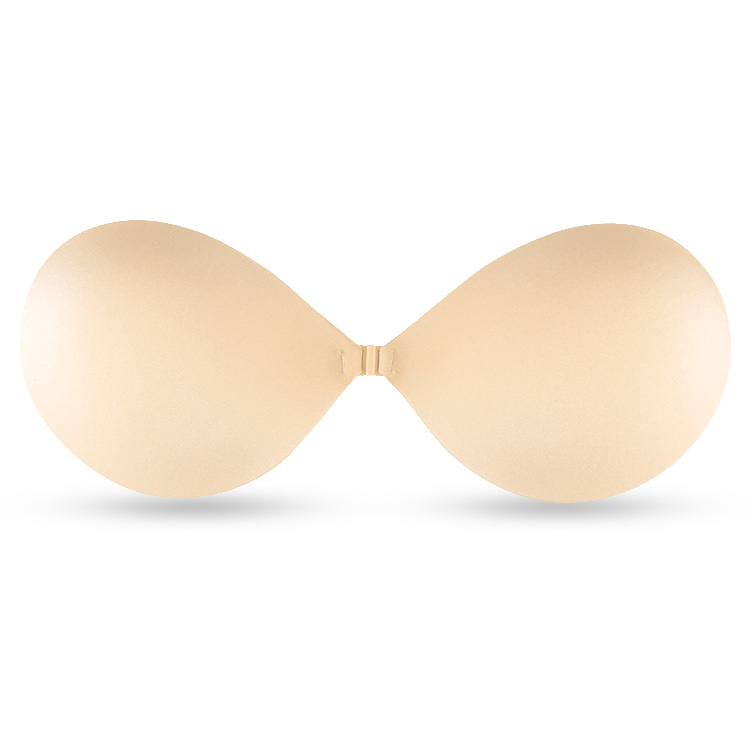
A bra insert that performs well in a lingerie line can be the wrong component in a swimsuit. Вода, пот, movement and fabric weight change what a pad has to do, and they change which failures a brand finds only after shipping. Selecting by application means setting the requirement before the pad: what the garment exposes the insert to, what holds it in place, and what the finished product has to pass before bulk.
Xinke’s bra pad range lists lingerie, купальники, bridal and performance-wear buyers, and supports customization of material, размер, форма, color and thickness. A supplier catalog does not, однако, prove that a specific model clears pool water, a spin cycle or eight hours of skin contact. Each application below is written as a set of requirements to test, not as a claim to copy onto a listing.
How Does the Garment Application Change Insert Requirements?
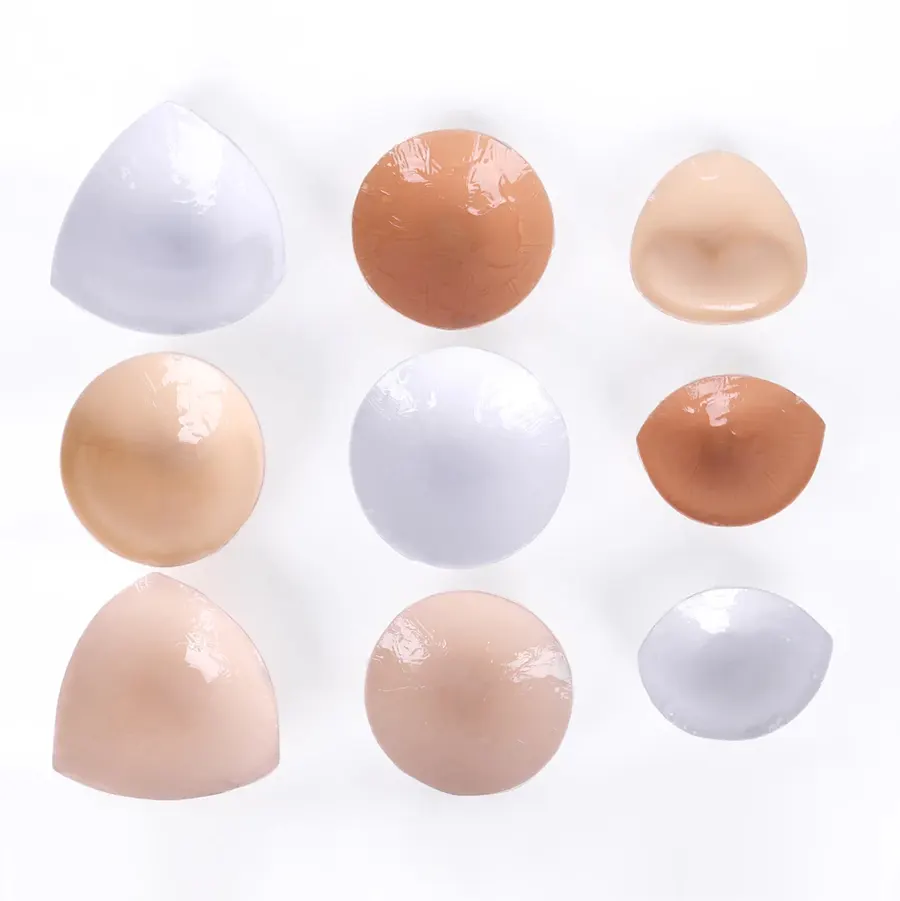
The variables that define an insert stay the same across garments: core material and construction, shape and coverage, толщина, contour and edge profile, garment integration, and skin attachment. А bra insert types guide covers those axes in detail.
Four demand drivers sort most product lines. Water and chemical exposure set the bar for swimwear. Movement and sweat set it for activewear. How the garment holds the insert — pocket, seam or skin — sets it for structured and strapless styles. Fabric visibility and the promised care method set it for every line, because they decide what the wearer sees after the third wash rather than on the studio sample.
| Приложение | Dominant demand | Insert variables to prioritize | Finished-garment checks |
|---|---|---|---|
| Swimsuits | Immersion, chlorine or salt, and a wet-stretch shell | Finished-pad water uptake, edge taper, and pocket geometry | Wet weight, migration, edge show-through, and cover color change |
| Нижнее белье | Low bulk, cup compatibility, soft hand, and natural drape | Thickness distribution, edge profile, and cover fabric hand | Visibility through the cup fabric, pad position, соответствовать, and wash behavior |
| Sportswear | Continuous movement, пот, сжатие, and frequent washing | Holding method, foam recovery, pad footprint, and bonded-layer integrity | Movement performance, defined care cycles, and pocket and seam condition |
| Платья | Limited conventional cup support, bodice integration, or direct skin contact | Adhesive system, pad mass, edge profile, and bodice construction | Adhesion and removal under intended skin conditions, or fit inside the finished bodice sample |
Two conclusions follow from the table. A pad approved in one application does not carry that approval to another, and a material description such as “closed-cell foam” или “силикон” is a starting hypothesis, not a result.
How Do Bra Inserts Behave in Swimsuits?
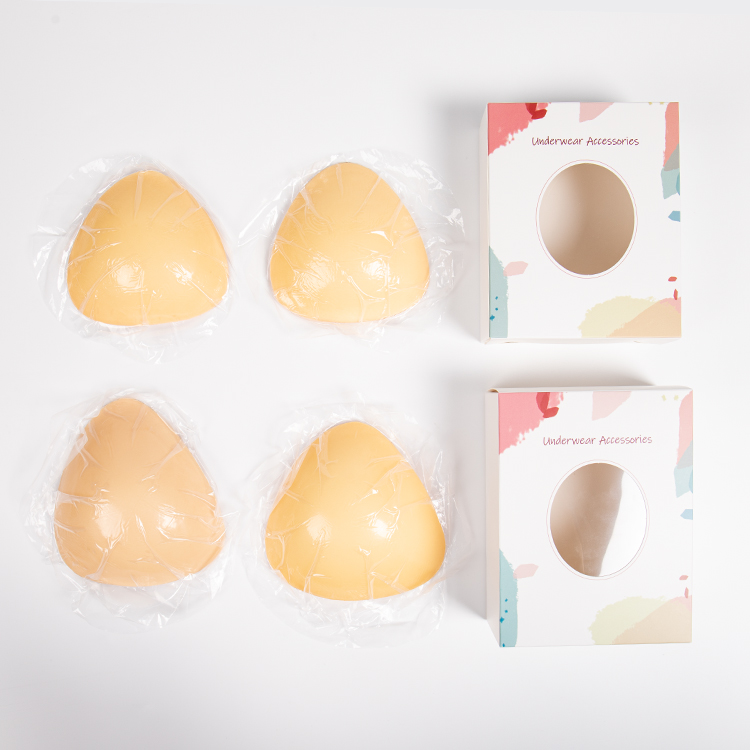
Swimwear puts an insert through the widest change of state. An insert selected against a dry lingerie sample may behave differently inside a swimsuit: water exposure, chlorine, salt, movement and repeated care cycles can affect water retention, edge visibility, pad position, covering fabrics and adhesives. For that reason the insert should be evaluated together with the cup, pocket, lining and shell material, because that combination is what the wearer judges.
- Open-cell foam: typically absorbs more water than closed-cell structures, but actual retention and recovery depend on foam density, surface treatment, lamination and the covering fabric.
- Closed-cell foam: generally limits water uptake and may dry faster, which makes it a useful starting point for swim styles, subject to testing on the finished pad.
- Силикон: a cured silicone body typically takes up little water, so it may gain less water weight than an absorbent foam construction. A finished pad can still hold moisture in covers, seams, films or bonded layers, so total wet pair weight has to be measured in the pocket.
- Fabric-covered pads: behavior depends on cover and core together. Check whether the cover wicks or holds water, and whether seams or lamination trap moisture against the pad.
Repeated chlorine and salt exposure may affect color, foam recovery, bonded layers, covering fabrics and adhesive performance. The result depends on concentration, exposure time, temperature, rinsing and the specific construction, so treat swim suitability as a model-specific test result rather than a general material claim. For colored textile covers, AATCC publishes textile test methods that include evaluation of colorfastness after chlorinated pool-water exposure; confirm the exact method and conditions with your lab, because colorfastness data does not cover water absorption, dimensional recovery or adhesion.
Retention then depends on how the suit carries the pad. Record the pocket-opening position, opening width, closure method and pad insertion direction: an oversized or unsecured opening may allow the pad to shift or escape during movement and laundering. Sewn-in pads reduce rotation and loss, which may suit one-piece or performance swimwear, while pocketed pads can be removed for cleaning or replacement. Both constructions still require finished-garment movement and care-cycle testing.
Common contributors to insert migration can include:
- Pocket geometry loose relative to the pad footprint → resize the pocket or match the pad shape to the cavity.
- Pair weight the holding method cannot carry → reduce weight or change to a sewn-in hold.
- Edge profile that catches and rolls under stretch → taper the rim so it lies flat when the shell is wet and taut.
- Adhesive not validated for the exposure → test the specific adhesive model after defined exposure to water, chlorine, sweat and sunscreen, with a stated wear time.
This is why words such as waterproof, chlorine-proof, quick-drying or non-slip belong in a test report rather than on a product page until the specific model earns them in the finished garment.
What Matters Most for Lingerie and Bra Inserts?
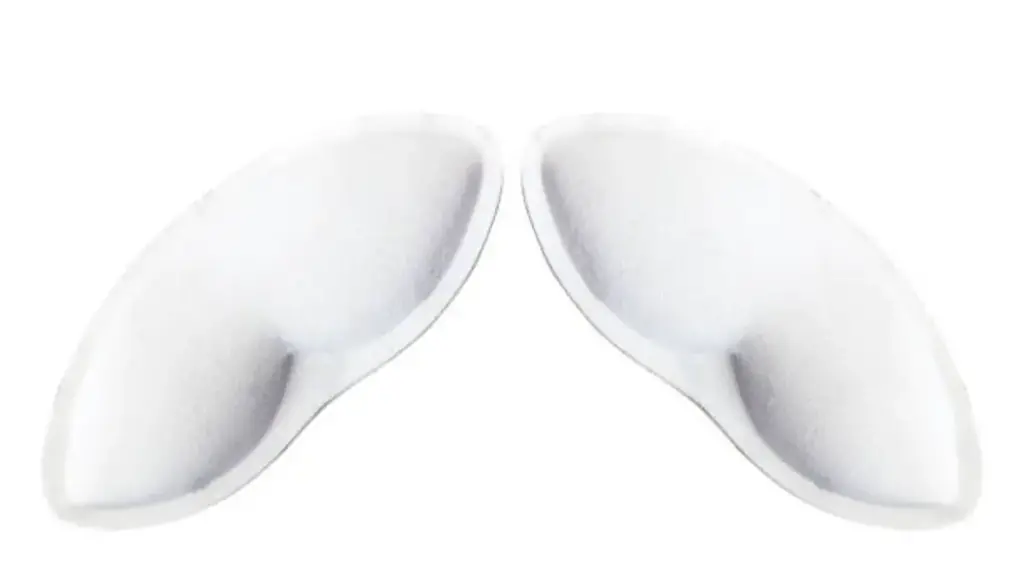
Lingerie is the least hostile of the four environments. There is no immersion and usually no aggressive laundering, so the complaint list shifts from durability to appearance and hand: an edge printing through a thin knit, a pad folding inside a soft cup, or bulk that reads as padding instead of shape.
- Thickness distribution and edge taper decide whether a pad disappears under a dry, close-fabric cup; total thickness matters less than how the profile transitions at the rim.
- Core choice sets the drape. Foam provides coverage with less mass, while silicone constructions imitate tissue movement and add weight. The comparison is set out in our guide to silicone vs foam bra inserts.
- Fabric-covered pads may reduce visible surface shine under satin or lace and give a softer hand against the shell.
- Garment integration needs an early decision. Most lingerie cups carry a pocket or a tack; where a cup has neither, the question is whether the bra factory sews the pad in or the brand sells it as a removable insert.
Lingerie lines also run size ranges, so specify pads per cup size instead of one pad across the range, with graded pocket and pad footprints. Confirm which dimensions and tolerances the insert supplier controls and which the bra factory controls. Care instructions are usually milder — hand wash, line dry — which lowers the durability bar but does not remove the need for a wash test on the finished cup, because bonded layers and covers fail before cores do.
How Should Inserts Be Chosen for Sportswear and Activewear?
In a sports bra the insert works inside a compression or encapsulation structure that moves continuously, and the garment is washed far more often than lingerie. Two failure groups follow: migration during movement and degradation through care cycles.
- Hold method should match the movement profile. A pocket with a secured opening can work for low-impact styles; higher movement usually points to a sewn-in or bonded construction, and to a pad footprint that matches the cup rather than an approximate one. Our breakdown of padded and non-padded sports bras covers the garment-side choices.
- Foam recovery matters more than initial loft. Repeated compression while wet is what flattens a pad, so specify the recovery check after the agreed number of cycles.
- Bonded layers, covers and seams take the abuse from agitation and spin, which is where pads deform and pockets fail.
- Пот introduces salt, body oils and a warmer, damp interface. An adhesive insert needs validation under sweat exposure and a defined wear time, not just a clean, dry-arm check.
Write down the care protocol the product will claim — wash temperature, cycle, spin range, drying method and the number of cycles a sample must survive — then re-inspect loft, edges, tack and pocket stitching at stated intervals. A garment sold as machine washable requires the pad and the pocket construction to be validated for that claim.
Which Bra Inserts Work in Dresses and Strapless Styles?
Slip dresses, backless and halter styles, and structured bridal bodices remove what an insert normally relies on: a cup. Two paths remain. Either the dress carries the insert — an internal shelf, seam pockets or boned structure built by the garment factory — or the insert attaches to skin, which turns the decision into an adhesive, wear-time and removal question.
For skin-contact styles, the adhesive system, its liner and its release behavior matter more than the silicone or foam body. Test on the intended skin conditions — clean, сухой, oily or sweaty — for a defined wear time, then check removal force, edge lift and residue. An adhesive pad validated on dry skin for an evening event is not automatically validated for sweat or for swim exposure. Синьке adhesive bra range covers the product families in this branch, and material choices are discussed in our guide to choosing adhesive bra material.
Where the garment provides the structure, the pattern governs. A pad inside a bridal bodice should be approved on the bodice sample, because lining weight, boning and seam allowance change how the edge reads. In that case the insert decision and the dress construction review are the same meeting, not two separate ones.
What Should a Finished-Garment Test Plan Define?
Application-based selection works only if the test conditions are written before samples are ordered. Otherwise two suppliers ship pads measured under different conditions and the numbers stop being comparable. Define the water type, chlorine or salt concentration, temperature, immersion duration, drainage or blotting method, number of care cycles, movement duration and pass/fail criteria before samples are compared.
- Wet-weight change: weigh dry, immerse for a stated time, then follow a fixed drip or blotting protocol and a stated waiting time before the second weighing; record gain and post-drying recovery.
- Care cycles: name the method and the cycle count, with re-inspection at defined intervals rather than at the end only.
- Movement: specify the motion, duration or repetition count, and mark pad and pocket so displacement is a measured distance rather than an impression.
- Edge visibility: photograph the finished garment wet and dry, in the intended size and fabric, against a stated acceptable line.
- Adhesion, where used: record skin condition, exposure to water, sweat or sunscreen, носить время, removal force and residue.
- Цвет: for dyed covers and shells, state the colorfastness method and the acceptable change grade.
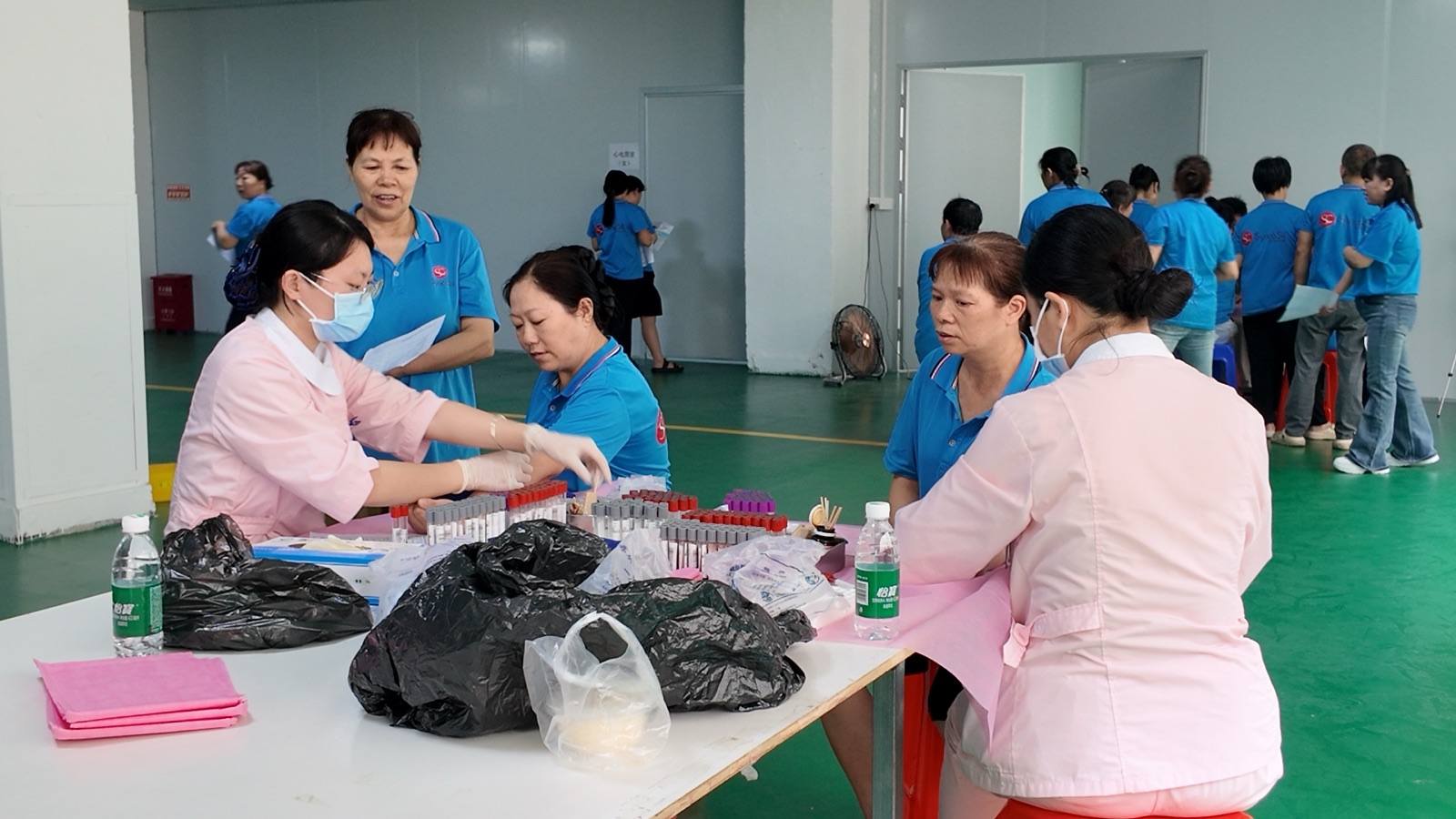
Then write the acceptance limits into the specification: maximum weight gain, maximum displacement, minimum colorfastness grade, permitted thickness change. A sample that passes the agreed tests gives evidence for approval against the defined requirements for that application. Material documentation, маркировка, production consistency and market-specific requirements still need separate review, and a factory that documents QC at each production stage provides records to check against those limits, not a substitute for them.
Часто задаваемые вопросы
Which bra insert is best for swimwear?
The one that passes your finished-suit tests. Low-absorption foams, including closed-cell structures, are common starting points, and a cured silicone body typically takes up little water even though covers, seams and bonded layers can still retain moisture. Confirm wet weight, сушка, edge visibility and migration in the actual suit and shell.
Can the same pad be used in a lingerie bra and a sports bra?
The same part can be specified for both, but treat them as two approvals. Lingerie is judged on bulk and edge disappearance under a dry knit; activewear adds continuous movement, sweat and repeated machine washing. Variables that pass one can fail the other, so test each finished garment.
What inserts work in backless or strapless dresses?
Either a garment-integrated solution built by the dress factory, such as an internal shelf or seam pocket, or a skin-adhesive pad validated for wear time, skin condition, removal force and residue. Where a structured bodice carries the pad, approve the insert on the bodice sample because lining, boning and seam allowance change how the edge reads.
Do supplier certifications prove an insert suits an application?
Нет. Quality-management and social-compliance certificates describe systems, an SDS provides chemical safety information, and a test report is relevant only when the tested material, модель, scope and date match what you are buying. None of them replaces finished-product testing under the conditions of the intended garment.
Should bra inserts be tested loose or in the finished garment?
Loose-pad checks are useful for screening and for catching obvious material problems, but final approval should rest on the insert fitted into the actual garment. Edge visibility, pocket compatibility, migration and wet behavior depend on the complete construction.
Заключительные мысли
Application is the filter that turns a pad catalog into a specification. Swimwear tests water and pocket behavior, lingerie tests how little a pad can show, activewear tests movement and care cycles, and dresses test either the adhesive system or the bodice that replaces a cup. Write those conditions into the sample request, hold every supplier to the same parameters, and approval becomes a record rather than an opinion. Start from the insert variables you need to specify in the bra insert types guide, then send the garment requirements for the application you are developing.