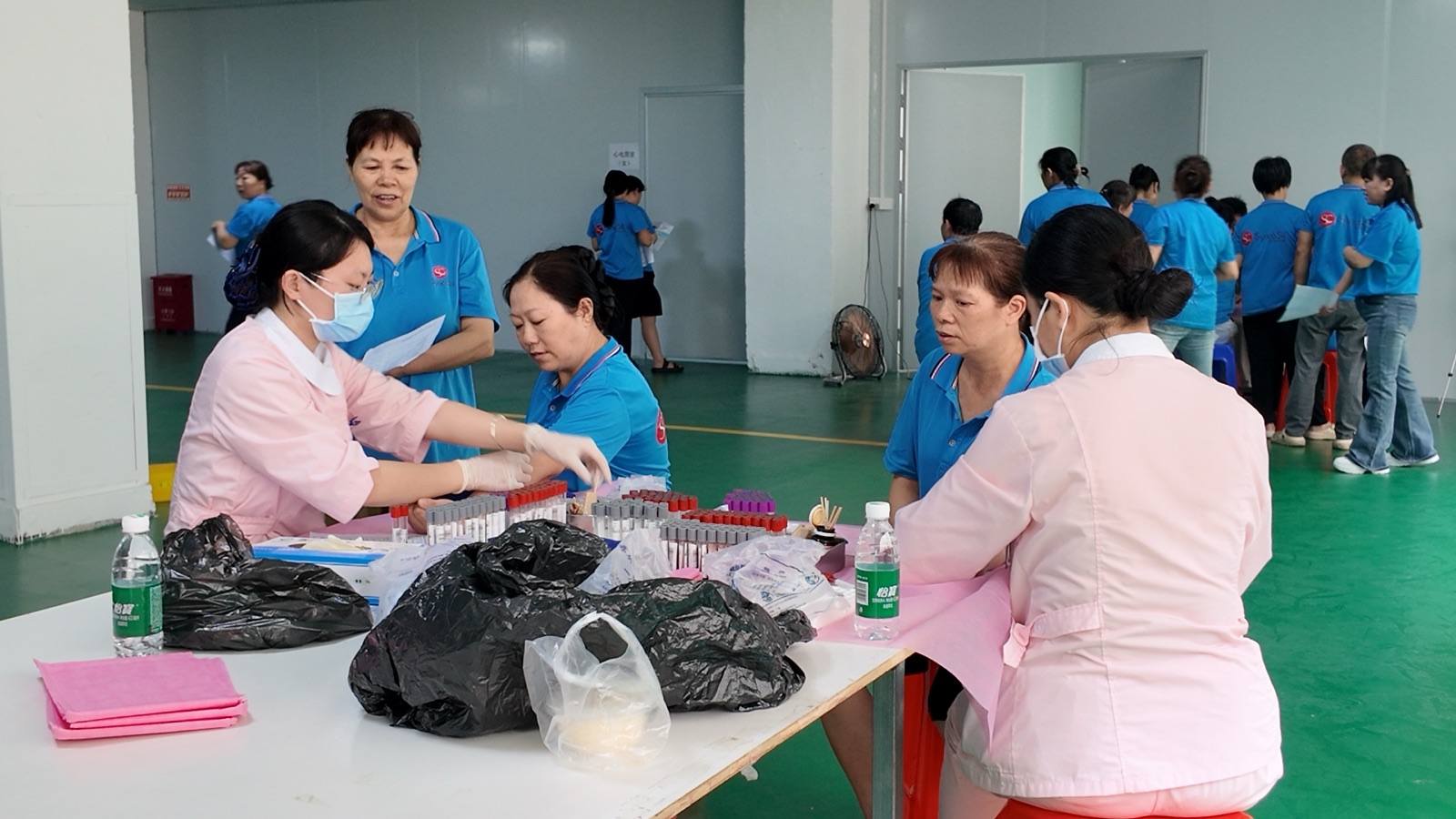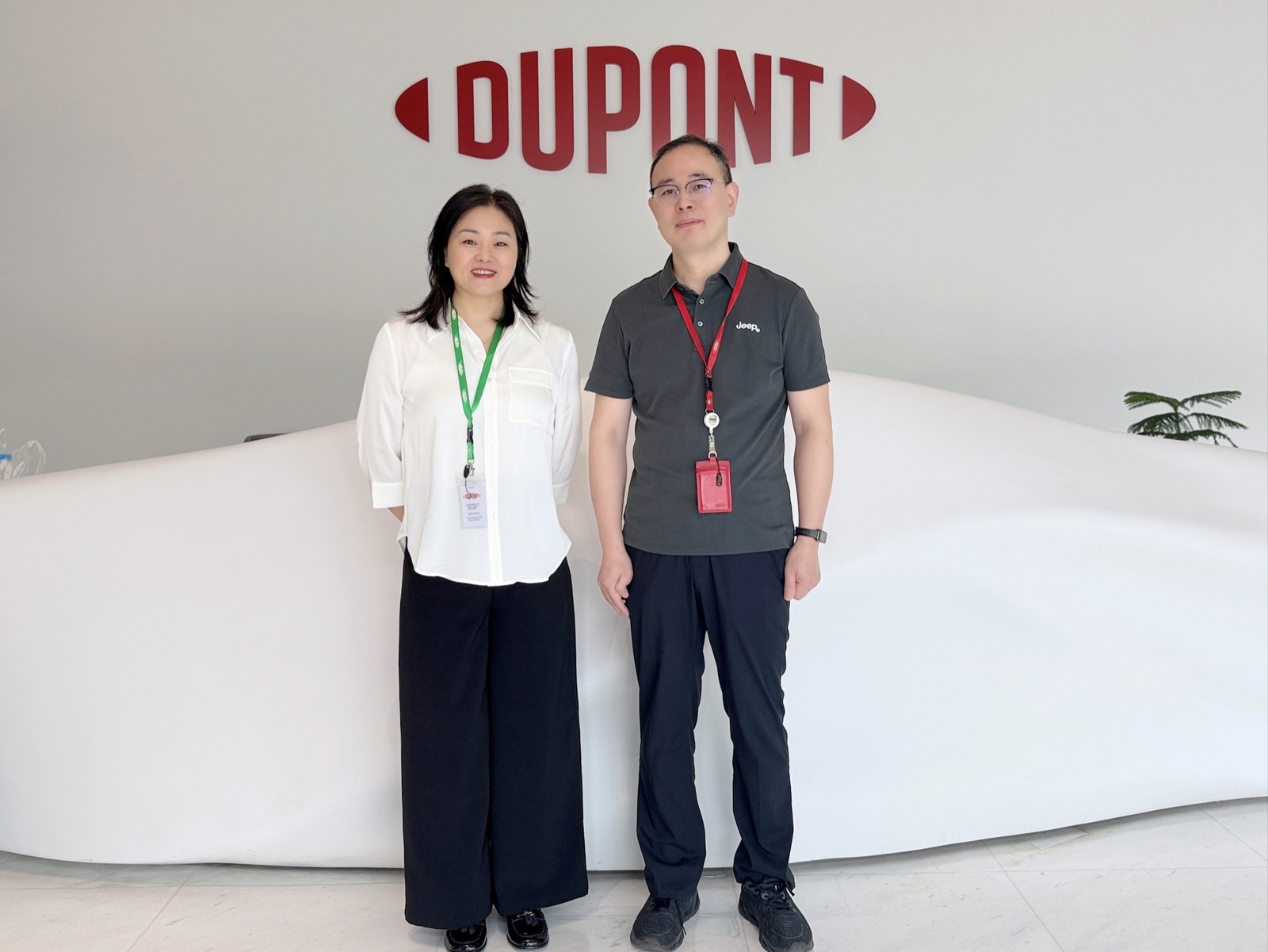
Avoiding critical mistakes when choosing bra suppliers directly determines whether your lingerie brand protects its margins or faces unrecoverable return rates. Sourcing from unverified partners introduces severe fit deviations and material quality failures that quickly destroy customer lifetime value.
This analysis benchmarks factory evaluation strategies against strict production standards. We evaluate fabric safety certifications, technical cup molding capabilities, и AQL 2.5 quality control thresholds to help you secure a scalable manufacturing result.
Why Choosing the Right Supplier Matters
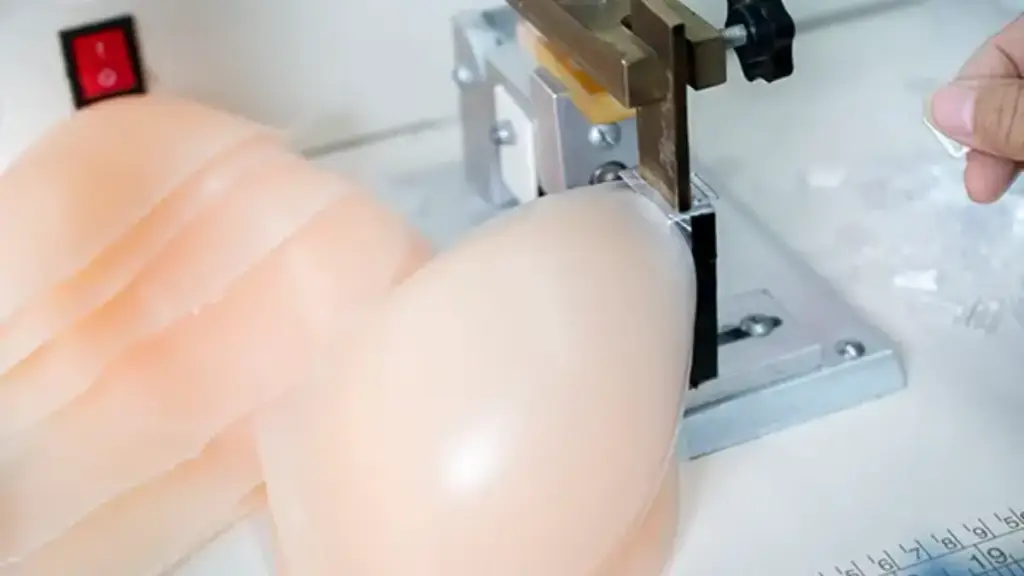
Your supplier dictates your margins and return rates. Balancing quality standards like OEKO-TEX with scalable production determines whether your lingerie brand grows or burns capital.
In the lingerie market, sourcing is the direct engine of your product’s fit, your brand’s reputation, and your bottom-line profitability. Working with the wrong manufacturing partner introduces massive compliance and operational risks that quickly destroy customer trust.
Direct Influence on Product Quality, Соответствовать, and Brand Trust
Lingerie depends entirely on precise engineering. Poor pattern grading or minor fabric deviations cause gaping cups, slipping straps, and immediate customer returns. Brands fail when they treat bra construction like generic apparel assembly.
- Pattern Development: Precise technical grading ensures consistent sizing across all cup and band sizes, directly minimizing fit-related complaints.
- Iso 9001 and OEKO-TEX Standard 100: These certifications validate material safety and confirm the factory maintains stable quality management systems.
- BSCI Compliance: Ethical manufacturing audits secure your brand reputation and prevent costly legal or customs clearance delays at the border.
When a factory controls its raw materials and tests seam strength systematically, your return rates drop. Customers associate comfort and durability directly with your label, driving repeat purchases and increasing customer lifetime value.
Impact on Profit Margins, Operational Speed, and Scalability
Unit cost is only one part of the sourcing equation. True profitability requires balancing raw purchase prices against defect rates, shipping logistics, and the ability to scale production as retail demand grows.
- Total Cost Optimization: Sourcing managers balance unit costs, defect rates, and logistics to protect gross profit margins.
- Inventory Agility: Short lead times and high on-time delivery rates keep stock moving and prevent expensive stockouts of popular sizes.
- Production Scalability: Factories with flexible minimum order quantities let you test new styles before committing to high-volume retail runs.
A reliable factory scales with your growth. Working with partners who maintain clear capacity planning helps you avoid bottleneck delays and supply chain instability during peak sales seasons.
Mistake 1: Buying Only on Price
Sourcing bras on the lowest unit quote triggers cascading quality failures and delivery delays that destroy retail margins and customer trust.
Operational and Brand Consequences of Low-Cost Bra Sourcing
When you chase the absolute lowest per-piece price, you pay a steep operational premium. Lingerie factories offering rock-bottom quotes must protect their own margins, which forces them to cut corners on raw materials, labor, and quality checks.
- Severe fit issues and quality failures: Low-grade elastics, shifting underwires, and inconsistent grading lead to immediately noticeable defects and high product return rates.
- Supply instability and delivery delays: Extremely low quotes often stem from factories overbooking their capacity, causing missed retail launches and chronic stockouts of popular sizes.
- Hidden compliance and material safety hazards: Cheaply manufactured bras often skip crucial testing, leaving brands vulnerable to regulatory violations and a complete lack of valid OEKO-TEX or ISO documentation.
- Erosion of post-purchase support and communication: Budget suppliers rarely offer clear warranties or structured corrective actions, forcing brands to absorb the financial hit of manufacturing defects.
Strategic Evaluation Frameworks Beyond the Unit Quote
Protecting your margins requires a shift from pure cost-negotiation to an operational scorecard. Experienced sourcing managers evaluate the long-term viability of a partner rather than just comparing spreadsheet cells.
- Calculate total cost of ownership: Evaluate suppliers based on net margin per unit sold, factoring in two-way return shipping, replacement runs, and customer service labor.
- Implement a rigorous factory verification protocol: Confirm physical production capabilities, specialized lingerie experience, and verifiable material certifications before finalizing contracts.
- Use unit price as a secondary filtering metric: Establish a viable baseline cost range first, then make final supplier selections based on quality consistency and communication response time.
- Run small-scale pilot orders: Test manufacturing consistency, wash durability, and logistics compliance in a real-world setting before executing high-volume purchase orders.
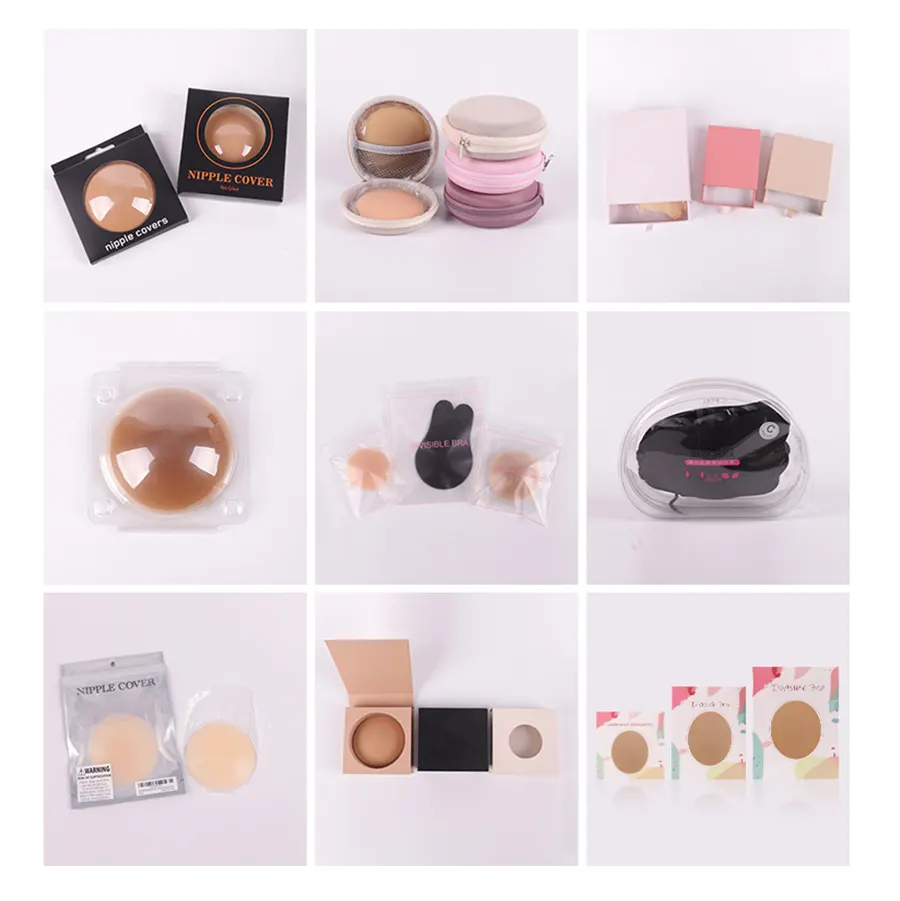
Scale Your Brand With Custom Invisible Lingerie
Mistake 2: Ignoring Material Quality
Substandard fabrics cause fit failure, high returns, and chemical skin reactions. Sourcing teams must lock in exact GSM, fiber blends, and verified safety certifications early.
Lingerie brands often chase the aesthetic appeal of a design while neglecting the underlying material integrity. In the bra category, this mistake quickly leads to high return rates and brand-killing customer reviews.
Functional and Safety Risks of Substandard Fabrics
- Chemical Toxicity: Prolonged skin contact requires strict chemical compliance. Low-grade synthetic dyes, heavy metals, and formaldehyde cause severe skin irritation and painful allergic reactions.
- Support Failure: Weak elastic recovery and poor fabric stability cause bra bands and straps to stretch out quickly. This permanently destroys the garment’s ability to provide support.
- Moisture Trapping: Non-breathable polyesters and cheap, closed-cell foams trap heat and sweat. This leads to chafing, bad odor, and rapid skin breakdown during daily wear or workouts.
Preventing these product failures requires you to transition from visual inspection to strict, data-driven material validation before committing to bulk production.
Technical Specifications and Material-Focused Контроль качества
- Detailed Technical Specifications: Sourcing teams must document precise technical requirements, specifying exact fiber blends, fabric weight (GSM), and elastic stretch and recovery percentages to prevent supplier substitutions.
- Swatch Verification and Certification: Brands must demand physical fabric swatches and verified OEKO-TEX Standard 100 certifications to ensure all components, including hook-and-eye closures and underwire casings, meet safety standards.
- Wash and Wear Testing: A rigorous quality control protocol integrates pre-production testing of incoming materials with multi-cycle wash and wear simulations to verify colorfastness and shrinkage resistance.
Mistake 3: Not Verifying Factory Certifications
Unverified factory certifications expose your lingerie brand to toxic chemicals, poor structural quality, and greenwashing penalties. Real validation requires cross-checking certificate numbers directly on official registries.
The Risks of Chemical Exposure and Structural Failures in Unverified Lingerie Sourcing
Lingerie sits directly against the skin for hours. This high-contact profile makes raw material safety and factory execution non-negotiable. Skipping deep certification checks leaves your business vulnerable to severe operational and legal liabilities.
- Chemical exposure: Direct skin contact demands strict chemical safety. Unverified materials risk exposing consumers to banned azo dyes, formaldehydes, and heavy metals.
- Structural integrity: Consistent production relies on ISO 9001 согласие. This system manages complex components like underwires, elastic straps, and foam cups with rigid quality control.
- Scope mismatches: Limiting verification to high-level paperwork often hides scope mismatches. A factory might hold certifications for basic knit t-shirts but lack approval for complex intimate apparel.
- Greenwashing penalties: Unverified eco-claims trigger regulatory fines if GOTS organic cotton or GRS recycled nylon certifications do not match actual factory capacity.
Step-by-Step Protocol to Authenticate Factory Credentials and Social Audits
Paperwork is easy to fake. You need a systematic workflow to ensure the factory actually holds the active standards they claim on their marketing materials.
- Database validation: Cross-check certificate numbers directly on official OEKO-TEX, ГОТС, and GRS registries to bypass altered PDF documents.
- Audit report analysis: Request full social audit summaries, such as BSCI or SA8000 reports. Evaluate the corrective action plans rather than accepting a cover certificate at face value.
- Red flag identification: Watch for blurred files, mismatched business names, and pricing scales that drop more than 25% below market averages.
- Contractual protection: Bind the supplier to maintain active certifications in the contract. Make any license expiration or misrepresentation an automatic material breach.
This verification routine prevents supply chain disruptions before you wire the first deposit. It ensures your brand remains legally compliant and trusted by end consumers.
Mistake 4: Confusing Manufacturers with Trading Companies
Sourcing bras through trading companies instead of direct factories adds 5% к 30% in hidden markups and causes critical quality variance across production batches.
Many bra brands fall for the lower minimum order promises of middlemen without realizing how much control they surrender over their supply chain. Working with intermediaries introduces operational vulnerabilities that directly impact your bottom line.
Operational Risks and Financial Impacts of Sourcing Through Intermediaries
Middlemen separate you from the physical machines making your products. This distance creates structural risks that erode both margins and customer trust:
- Hidden margins and cost structures: Trading companies add 5% к 30% markups on factory pricing, combined with indirect costs from quality issues and emergency air freight.
- Quality control and consistency issues: Middlemen often switch production facilities to manage capacity, which leads to variation in fabric handfeel, lace patterns, and cup sizing.
- Restricted customization capabilities: Trading companies usually limit adjustments to surface-level changes like hangtags, whereas direct factories manage custom mold development and grading.
- Unpredictable lead times: Intermediaries secure orders with low MOQ promises but scramble to split production among multiple workshops, creating delays and inconsistent product lots.
When you buy from a middleman, you do not own your production process. If the factory switches behind your back, your brand absorbs the customer returns and negative reviews.
Step-by-Step Verification Protocols to Identify Direct Factories
Do not rely on self-declared B2B platform badges. Vetting a supplier requires a systematic verification process to confirm they actually own and operate the machinery:
- Analyze business license scopes: Verify registered Chinese business licenses for manufacturing terms like “production” (生产) и “processing” (加工) rather than “sales” (销售) или “trade” (贸易).
- Examine registered addresses: Direct bra manufacturers operate in designated industrial manufacturing zones, while trading companies usually register in high-rise city center offices.
- Assess catalog specialization: Look for specialized catalogs focusing solely on intimate apparel, treating broad inventories with unrelated goods like accessories or electronics as trading red flags.
- Require custom photo and video proof: Demand live video walkthroughs of sewing lines or ask the sales contact to hold a dated, handwritten sign inside the factory to confirm physical access.
- Test technical and pricing knowledge: Pose specific questions about fabric weight, elastic recovery rates, and molding temperatures, as genuine factories provide detailed, direct answers.
Real factories answer technical questions instantly because their daily operations depend on those variables. Trading companies will stall while they query their actual manufacturers for answers.
Mistake 5: Skipping Sample Testing
Skipping physical bra samples removes your only safety net. It guarantees sizing errors, high customer return rates, and unrecoverable bulk production losses.
Production Risks and Financial Impact of Bypassing Samples
Placing a bulk bra order without testing physical samples first is a massive gamble. In intimate apparel, tiny deviations in construction destroy the fit and ruin your margins.
- Fit and grading errors: These mistakes slip past spec-sheet reviews and cause high return rates when the finished bras do not fit real bodies.
- Fabric performance issues: Poor stretch recovery, seam slippage, and severe wash degradation only show up after sewing and stretching physical materials under real wear conditions.
- Mass production defects: Fixing design and material mistakes in finished bulk goods costs significantly more than running multiple development iterations.
- Batch-to-batch variations: Without a signed physical benchmark, factories run production without a clear quality target, leading to inconsistent sizing across your colorways.
When you skip samples, you force your customers to do your quality control. In the lingerie market, a bad first fit means those buyers never return to your store.
The Standard Sampling Sequence and Technical Checklist
A disciplined sampling workflow keeps the factory aligned with your technical expectations. This process systematically eliminates guesswork before any fabric is cut for bulk production.
- The standard sampling sequence: You must approve the proto sample for basic fit, the sales sample for aesthetic presentation, and the pre-production sample (PPS) for final bulk execution.
- Gold seal protocol: Both you and the factory must sign a physical reference sample to lock in the exact production standard before starting the machinery.
- Physical evaluation criteria: You must personally inspect cup shape, underwire support, seam strength, strap elasticity, and trim quality on every sample.
- Operational workflows: Send a complete tech pack up front, demand written revisions after every round, and do not greenlight bulk cutting until all corrections are solved.
Treating the sampling phase as an optional delay is a critical mistake. It is your only operational insurance policy against empty stock runs and high reverse logistics costs.
Mistake 6: Overlooking Production Capacity & КК
A factory that sews a perfect sample can still fail in mass production due to poor line planning and weak mid-production quality checks.
Verifying Bulk Production Capacity and Line Availability
Many brands assume a factory with high general apparel output can seamlessly handle complex bra runs. This assumption leads to delayed shipments and wild sizing variances once the machinery starts running at scale.
- Machinery limits: Distinguish a factory’s general garment output from its actual bra-specific cup-molding machines, bar-tackers, and specialized operator limits.
- Operator-to-client ratios: Evaluate how many dedicated operators the factory assigns to your brand versus their existing high-volume accounts to prevent your order from being sidelined.
- Capacity red flags: Watch out for vague lead-time breakdowns, non-specific monthly output claims, and a direct refusal to show active assembly lines.
- Style and sizing complexity: Analyze how complex fabrics, thick moldings, and wide sizing curves (НАПРИМЕР., cups A through F) slow down standard monthly sewing line speeds.
- Line-loading schedules: Establish clear, transparent production schedules to track actual factory line utilization during high-demand peak seasons.
Sourcing teams must verify actual line availability before booking. If a factory overcommits its operators to chase volume, your order gets pushed back or rushed through unchecked lines.
Implementing Multi-Stage QC Systems and Physical Testing
Relying on end-of-line inspections to catch defects is a costly risk. In bra manufacturing, wait-and-see quality control ensures you discover errors only after the factory has already sewn defective components.
- Three-tier inspection timeline: Deploy structured checks at pre-production, inline assembly (specifically when the run reaches 20% к 30% completion), and final AQL stages.
- Documented component testing: Require written test results for specialized trims, verifying elastic recovery rates, seam strength under tension, and hook-and-eye fatigue resistance.
- Strict defect thresholds: Enforce a hard quality ceiling by holding the supplier to a maximum defect rate below the 3% industry standard per production run.
- Pre-contract corrective action plans: Lock in written agreements detailing exactly how the factory must handle, rework, or credit defective goods before signing any production agreement.
- On-site third-party audits: Utilize independent auditors to verify physical metrics, including stitch-per-inch density, exact measurement tolerances, and batch-to-batch color matching.
Establishing these verification checkpoints early protects your margins. When the factory knows a third-party inspector will measure cup symmetry and strap elasticity before shipment, they prioritize detail on the sewing floor.
Mistake 7: Ignoring Communication & After-sales Support
Failing to secure strict communication protocols and written after-sales guarantees with your bra supplier turns minor manufacturing variations into margin-killing return rates and stockouts.
Sourcing Disruptions from Weak Supplier Communication
Lingerie supply chains run on paper-thin tolerances. When a supplier operates in a communication vacuum, minor production shifts quickly escalate into severe operational bottlenecks that damage your bottom line.
- Unresolved fit variations: Silent adjustments to cup grading or band tension slip through, driving up retail return rates.
- Delayed inventory updates: Inability to track production status across complex SKU assortments leads to stockouts of high-demand sizes.
- Late material notices: Factories fail to warn you about fabric shortages or trim changes, forcing last-minute air freight expenses.
Without a structured, two-way feedback loop, you remain blind to production realities until non-compliant bulk shipments arrive at your warehouse.
Standards for Communication and After-Sales Protection
Protecting your brand requires codifying expectations before placing your first purchase order. You must treat service levels and after-sales support with the same legal weight as unit pricing.
- Response-time SLAs: Define clear windows, requiring standard queries answered within 24 hours and claims investigated within 48 к 72 часы.
- Defect compensation terms: Lock in written return policies that detail who covers rework, replacement, or credits when AQL thresholds fail.
- Post-delivery reviews: Establish mandatory quarterly sessions to analyze consumer returns and adjust patterns to resolve comfort defects.
Enforceable B2B contracts stop suppliers from going silent when quality issues occur, shifting the financial risk of manufacturing defects back to the factory floor.
Supplier Evaluation Checklist
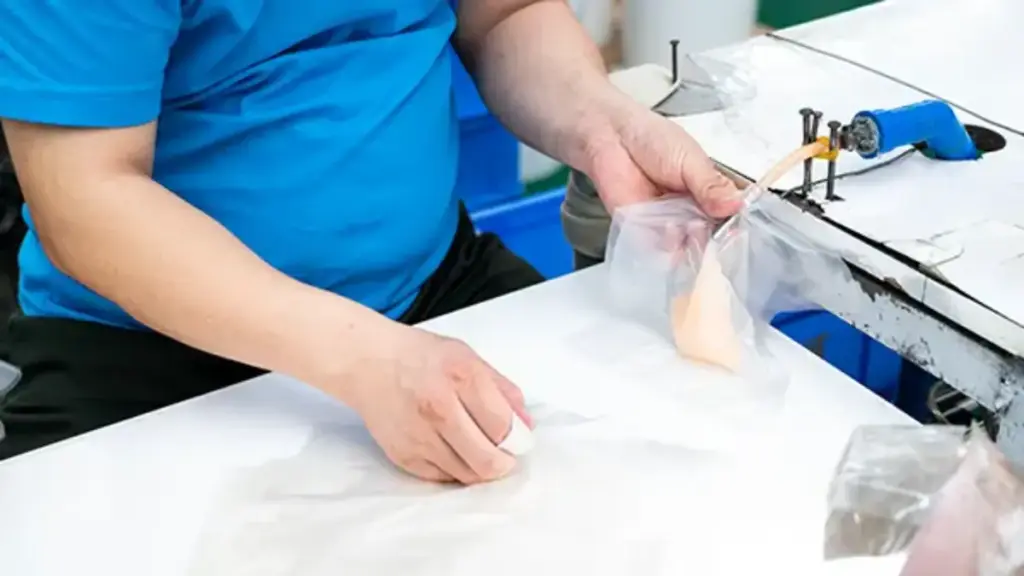
This checklist systematically filters bra suppliers based on technical specialization, machinery capabilities, and operational compliance to safeguard fit consistency and margin performance.
| Evaluation Category | Key Verification Metrics | Risk Mitigation Goal |
|---|---|---|
| Технический & КК | Specialized machinery, internal pattern grading, Iso 9001 согласие, и AQL 2.5 standards. | Eliminating fit inconsistency, weak stitching, and structural failure at scale. |
| Operational & Business | Active manufacturing licenses, unit cost breakdowns, BSCI/Sedex audits, and KPI scoring frameworks. | Preventing margin erosion, legal disputes, and ethical non-compliance. |
Technical Capabilities and Quality Control Standards
High-precision engineering defines reliable bra manufacturing. Unlike basic apparel, a functional bra relies on specialized production setups to maintain consistent fit and support across different size runs.
- Product Specialization: Verify the factory produces underwire, бесшовный, sports, and plus-size bras directly rather than generic apparel. The supplier must demonstrate internal pattern-making and fit-grading capabilities.
- Specialized Machinery: Confirm the presence of thermoforming cup molding machines, bar-tack sewing stations, hook-and-eye attachment units, and separate zones for fabric cutting and final assembly.
- Quality Management: Audit documented procedures including ISO 9001 сертификация, clear corrective and preventive action processes, and dedicated quality checkpoints at each production stage.
- Standards and Traceability: Establish strict Acceptable Quality Limits using AQL 2.5 standards. The factory must use a traceability system linking finished bras to raw fabric and component batches.
We recommend validating these technical baselines before ordering prototypes. A factory without dedicated cup molding or precise grading capabilities will fail to deliver consistent fit when you scale production.
Operational Compliance and Business Performance Metrics
Technical skills matter little if the supplier operates without transparency. Brands must analyze business legitimacy and cost structures to prevent supply chain bottlenecks and unexpected cost spikes.
- Legal Credentialing: Confirm active business licenses, explicit lingerie manufacturing scopes, valid export licenses, and clean legal records free of active disputes.
- Pricing Transparency: Require a complete unit price breakdown alongside clear payment terms. This transparency prevents hidden charges for sampling, pattern modifications, or defect-related reworks.
- Ethical Compliance: Verify adherence to local labor laws, worker safety measures, environmental waste standards, and recognized social audits such as BSCI or Sedex.
- KPI Sourcing Framework: Implement a scoring system covering quality, расходы, delivery, and risk metrics. Use this data to compare multiple suppliers and drive ongoing performance improvements.
Brands mitigate operational risks by running these business health checks early. Managing suppliers with structured KPI scorecards keeps lead times predictable and protects your retail margins.
Заключительные мысли
While low-cost middlemen offer tempting upfront savings, partnering directly with certified factories that control material safety and pattern grading is the only way to safeguard your brand against high return rates. True profitability in the lingerie market depends on systematic quality control and verified manufacturing capacity rather than cheap unit quotes. Investing in audited production standards protects your margins and secures long-term customer trust.
Avoid costly production errors by verifying fabric performance and fit before committing your capital. We recommend starting with a physical sample run to test our specialized cup molding and seamless elastic recovery firsthand. Reach out to our sourcing team to review our factory certifications or discuss your custom OEM requirements.