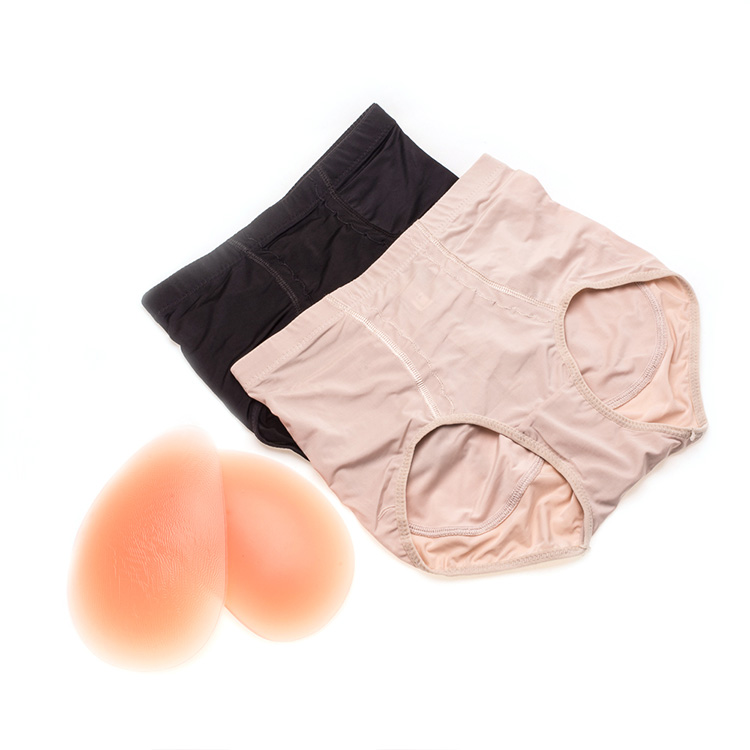
乳首カバーは安全です? For most people a well-made nipple cover is a low-risk garment. The cover itself, usually a silicone pad or a thin fabric patch, sits on the skin for a short time. The safety questions that actually matter are the adhesive, how long the cover is worn, and how clean the skin is underneath.
This guide covers what nipple covers are made of and how the adhesive can affect the skin. It explains a simple patch test, the right way to put one on and take it off, and how reusable silicone covers compare with disposable ones. For a wholesale buyer it lists the material and testing checks that matter. The current styles sit in the silicone nipple cover category.

The Short Answer on Safety
Two worries come up again and again. The first is breast cancer. There is no reliable evidence that a nipple cover, a bra or any skin-worn item causes breast cancer, and major cancer organizations say the same. A cover is only a garment. It neither causes nor prevents a disease, so a health claim attached to one deserves doubt.
The second worry is real but small. A nipple cover holds to the skin with an adhesive, and that adhesive can leave the area red or itchy after a long, hot day. That is a contact-skin issue, and the sections below show how to avoid it.
What Nipple Covers Are Made Of
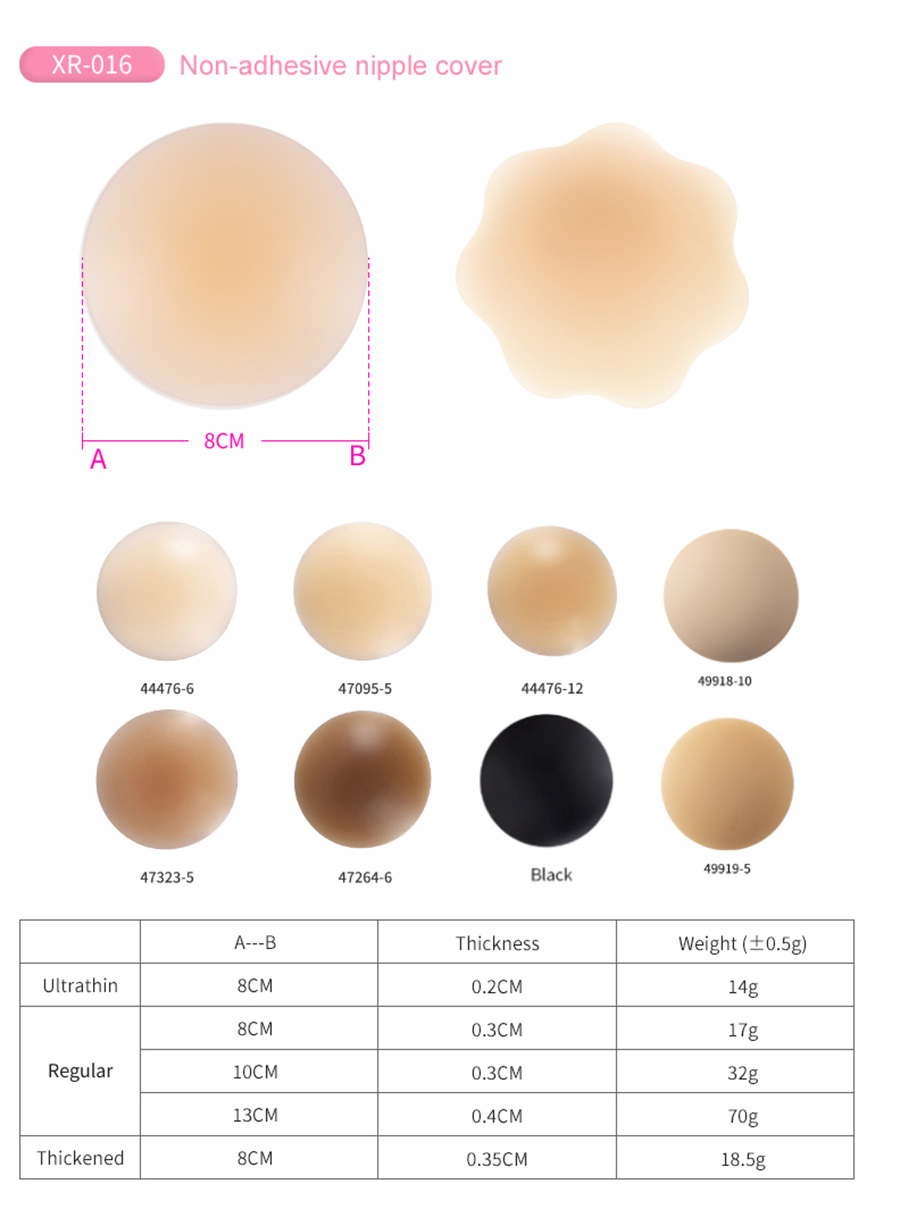
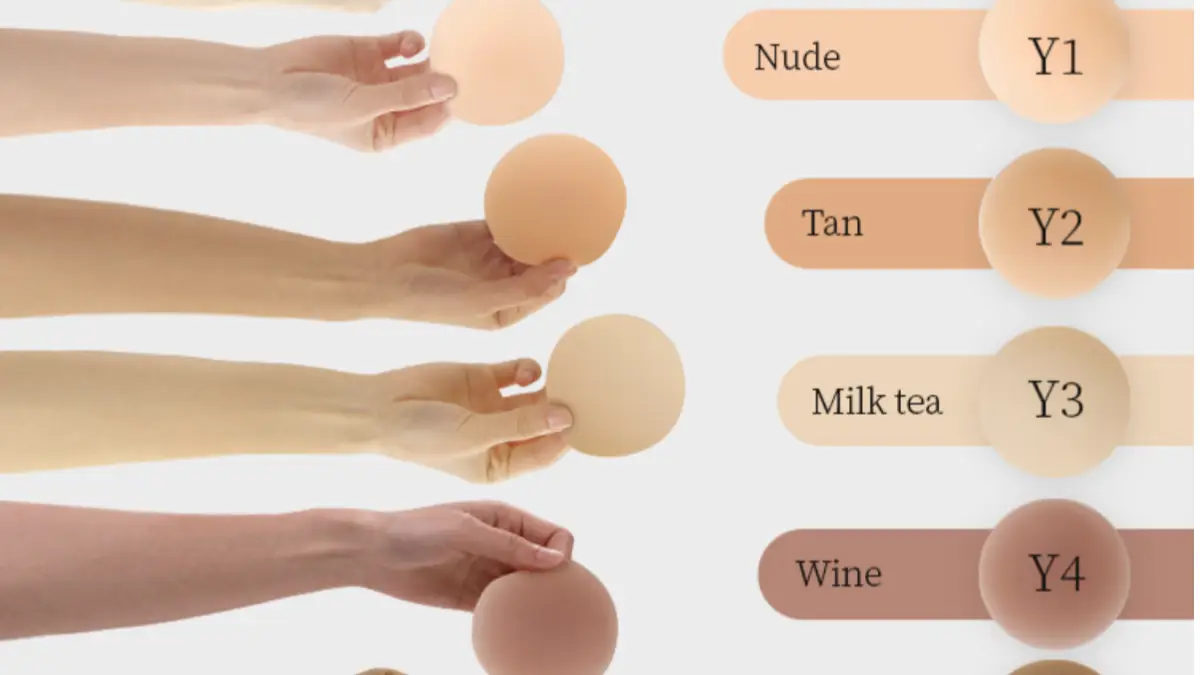
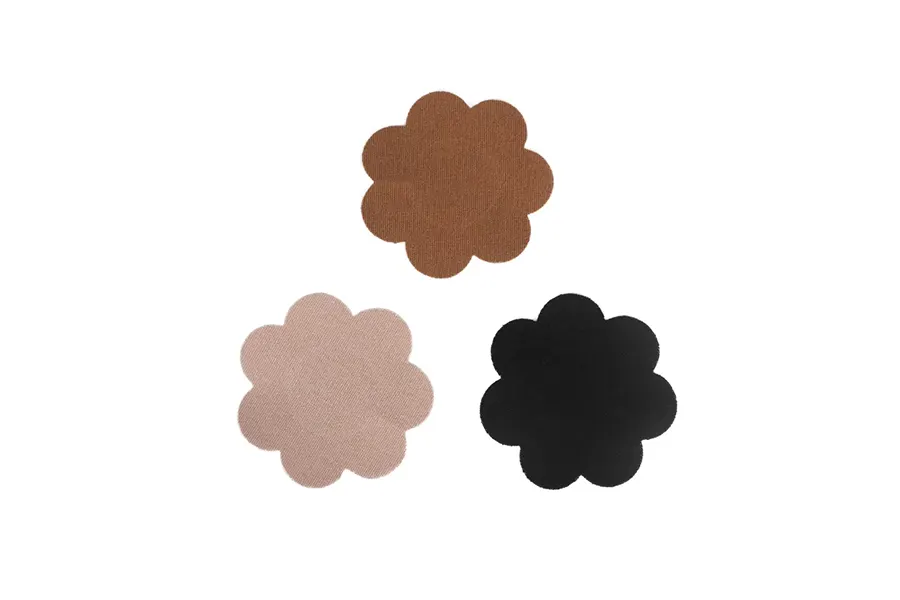
Most covers are either a moulded silicone pad or a thin disposable patch of fabric such as non-woven, lace or satin. The silicone type grips with its own tacky surface, while the fabric type relies on a glue layer on the back. Reusable silicone covers often pair the pad with a TPU edge or film, as in this push-up silicone cover.
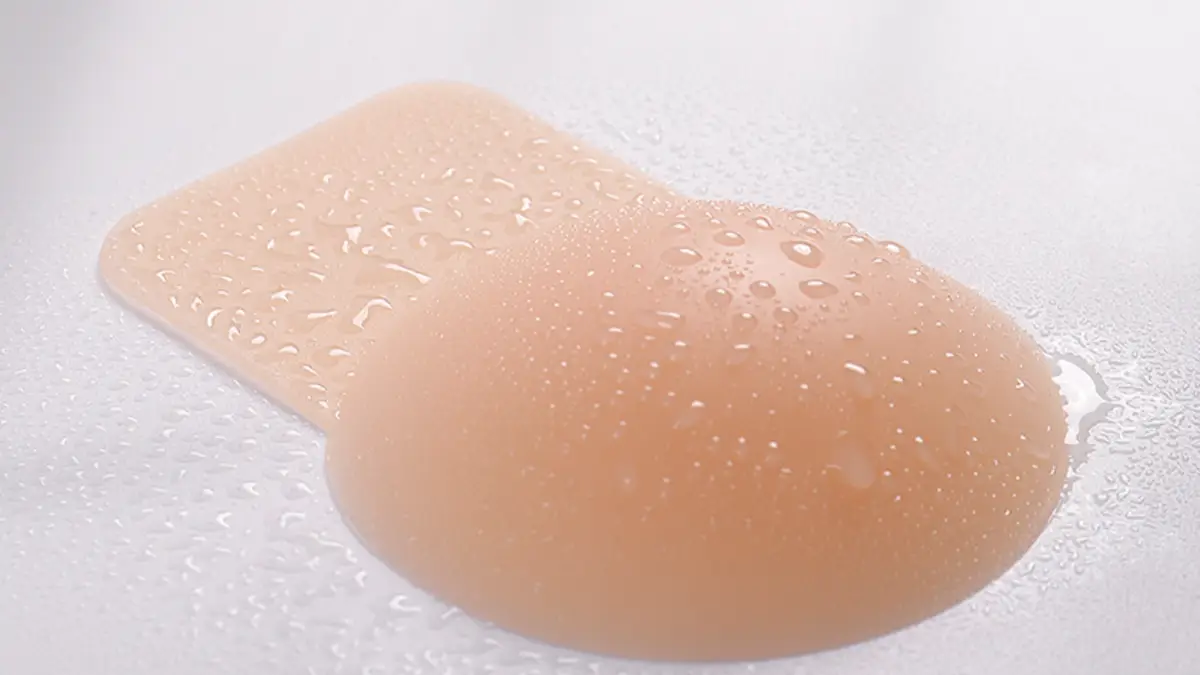
Silicone is stable and water-resistant, but it does not breathe, so sweat can collect underneath on a hot day. Fabric disposables feel lighter, yet they grip less firmly. Words such as medical-grade or hypoallergenic are labels, not a spec a buyer can verify from a listing. For the full breakdown of the types, see what nipple covers are.

Adhesive and Skin Allergy Risk
Almost every complaint points to the adhesive rather than the cover. The coating traps sweat and lifts natural skin oil, which loosens the grip and can leave the skin underneath irritated by the end of the day. Reactions range from mild redness to a rash in the exact shape of the pad.
The usual mechanism is contact dermatitis. Mayo Clinic describes contact dermatitis as a rash triggered by repeated skin contact with an irritant or an allergen. Adhesive strength is a trade-off, because a stronger glue holds better but pulls harder on removal. The chemistry sits in the science of silicone adhesion, and testing the cover on a small skin area before a first long wear is the safest habit.
How to Wear and Remove Nipple Covers
Apply a cover to clean, dry skin with no lotion, oil or perfume, since those break the bond and trap irritants. Press it on firmly and smooth the edge so it lies flat. There is no fixed safe number of hours. Remove the cover as soon as the skin feels warm or itchy, and give the skin a rest between wears.
To take it off, peel slowly rather than pulling straight up. 暖かい, damp cloth or a little oil loosens the edge without tugging the skin. For reusable silicone covers, wash with mild soap and lukewarm water, air-dry them grip-side up, and press the protective film back on. Avoid alcohol-based cleaners, which break the adhesive down; the washing guide for stick-on bras covers the same steps.
Silicone Versus Disposable Nipple Covers
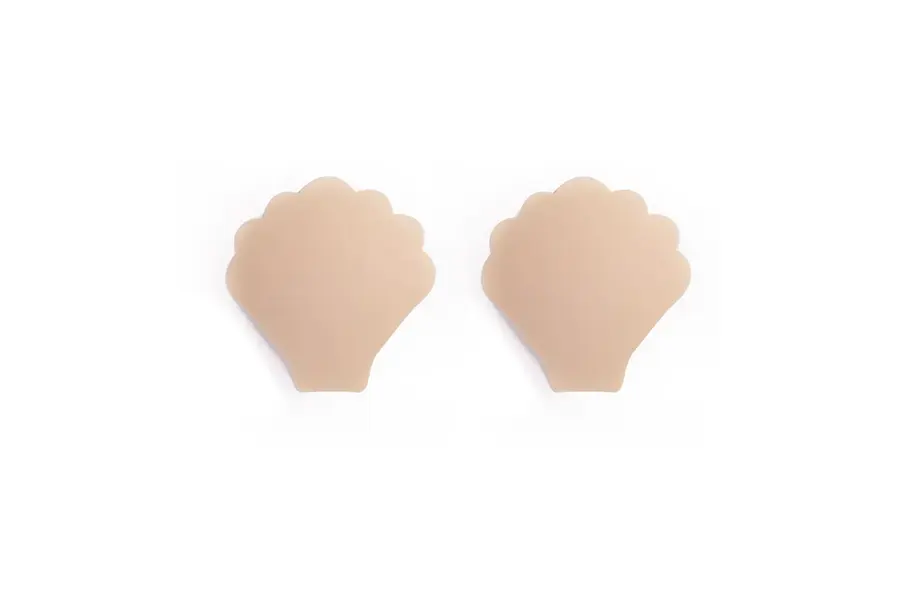
Silicone and disposable covers solve the same problem in different ways. A reusable silicone cover grips on its own, keeps its shape and lasts many wears, so it suits repeated use. a disposable cover is a single-use fabric patch, cheap to buy in bulk and easy to replace, but its glue layer can irritate sensitive skin. Neither one is universally safer, so the choice depends on how often it is worn and how the skin responds.
| 特徴 | Reusable silicone cover | Disposable cover |
|---|---|---|
| 材料 | Silicone pad, often with a TPU edge | Non-woven, lace or satin fabric |
| 接着剤 | Grips with its own tacky surface | Glue layer on the backing |
| Reuse | について 20 wears with care | Single use, then discard |
| 感じる | Holds shape, traps some sweat | Thin and light, weaker hold |
| Skin risk | Usually the edge after long wear | Usually the glue layer |
| Best fit | Repeated personal use | Bulk packs and giveaways |
For a wider look at the two, disposable versus reusable nipple covers goes deeper, そして nipple covers versus boob tape covers bra-free options.
What to Check Before Buying in Bulk
A wholesaler cannot test every piece, so the checks come before the order. Ask what the cover and its adhesive are made from, and request the third-party reports. Xinke states that its products meet MSDS, SGS, California Proposition 65 and REACH on its silicone bra manufacturing process page, and those cover restricted substances rather than a general safety promise.
Then check the rated reuse, order samples, and run a wear-and-wash trial before a large order. Both the silicone and disposable ranges list a 1,000 minimum, shown as pairs for the silicone pad and pieces for the fabric one. Xinke customizes size, 色, logo and packaging, so a printed care card and a patch-test note belong on the box. See are silicone bras safe for the same adhesive logic, and the supplier guide on choosing a nipple cover supplier for the full question list.
最終的な考え
Nipple covers are safe for most people used as a garment. They do not cause cancer, and the main risk is the adhesive irritating skin that is warm, sweaty or covered in lotion. Choose a well-made cover, patch-test it, wear it only while it feels comfortable, and wash reusables properly. Buyers should verify the material and the reports behind any safety label, then start an order on the contact page.
よくある質問
Do nipple covers cause breast cancer?
いいえ. There is no reliable evidence that a nipple cover, a bra or any skin-worn item causes breast cancer. A cover is only a garment and neither causes nor prevents a disease.
Are nipple covers safe for sensitive skin?
Many people use them without issue, but the adhesive can irritate reactive skin. Test on a small area first, keep early wear short, and stop if redness or itching appears.
How many times can a silicone nipple cover be reused?
The reusable silicone cover listed in this guide is rated for about 20 着用. The reuse guide explains what shortens or extends that range.
Can you shower or swim in nipple covers?
水, soap and sunscreen weaken most adhesives, so a cover can lift in water. Some waterproof styles hold better; check the individual product spec before planning for swimming.
What is the difference between a nipple cover and a nipple shield?
A nipple cover is a fashion item worn to hide the nipple under clothing. A nipple shield is a feeding aid a baby uses during breastfeeding, sold separately and chosen under different guidance.