Приобретение силиконовых бюстгальтеров из Китая дает брендам доступ к налаженному производству., разработка индивидуального продукта, и широкий выбор материалов и стилей. Однако, цены и фотографии продуктов мало что говорят о характеристиках клея., конструкция чашки, постоянство размера, или способность завода воспроизвести утвержденный образец.
В этом руководстве объясняется, как сравнивать варианты OEM и ODM., проверить поставщиков, просмотреть материалы, тестовые образцы, и планировать производство, упаковка, и доставка. Это поможет вам определить вопросы, которые необходимо решить, прежде чем размещать оптовый заказ..
Почему стоит покупать силиконовые бюстгальтеры из Китая?
Варианты производства и доступ к цепочке поставок
В Китае имеется налаженная база поставок клейкого нижнего белья., включая силиконовый молдинг, текстильное ламинирование, нанесение клея, разработка пресс-формы, и розничная упаковка. Работа с поставщиками, которые координируют эти процессы, может упростить разработку продукта и сократить количество задействованных поставщиков..
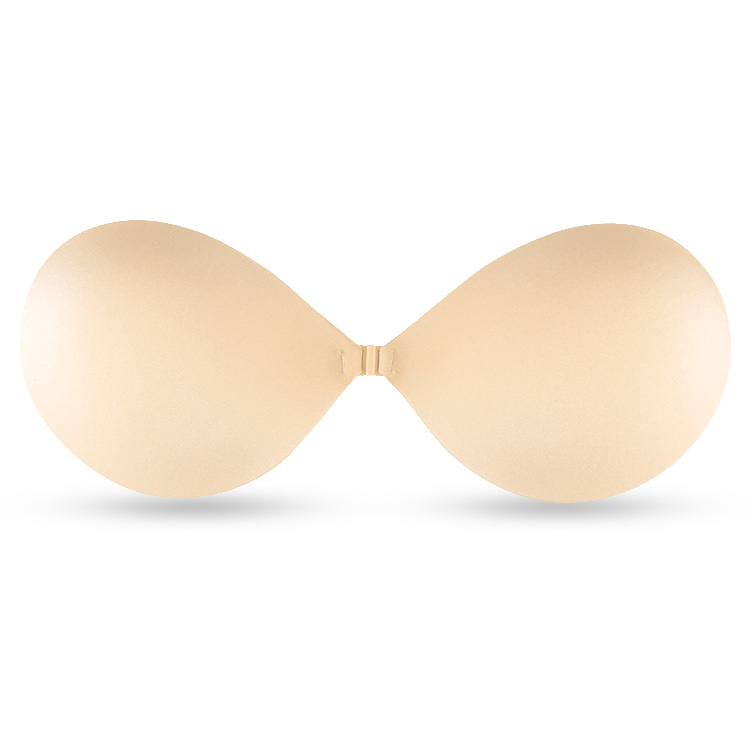
Покупатели могут выбирать из готовой продукции по каталогу., варианты частной торговой марки, или полностью индивидуальный дизайн. Доступные стили обычно включают без бретелек., без спинки, отжимание, обтянутый тканью, и многоразовые силиконовые бюстгальтеры. Покупатели могут просмотреть наши модели силиконовых бюстгальтеров прежде чем решить, является ли существующий стиль, программа частной торговой марки, или индивидуальный OEM-проект лучше подходит для их линейки продуктов. Цены и производственные мощности зависят от структуры продукта., количество заказа, материалы, и уровень настройки, поэтому каждого поставщика следует оценивать индивидуально.
Разработка и настройка продукта
Опытные производители могут поддержать изменение формы чашки., толщина, цвет, клейкое покрытие, застежки, боковые крылья, и упаковка. Прежде чем утвердить поставщика, confirm which processes are completed in-house and which are subcontracted.
Cup construction and adhesive selection should reflect the intended garment, климат, wear conditions, and target price. Buyers can review our guide to choosing adhesive bra materials before confirming the product specification.
Also review the documents that apply to the actual materials and finished product. Iso 9001 relates to a factory’s quality management system, BSCI covers social compliance auditing, и СТАНДАРТ OEKO-TEX 100 may apply to specified textile components. None of these documents alone proves the skin compatibility or performance of a finished silicone bra.
Sample timing should be confirmed in the quotation because it depends on whether the factory uses an existing design or develops new molds, материалы, и упаковка.
How to Evaluate OEM Factories
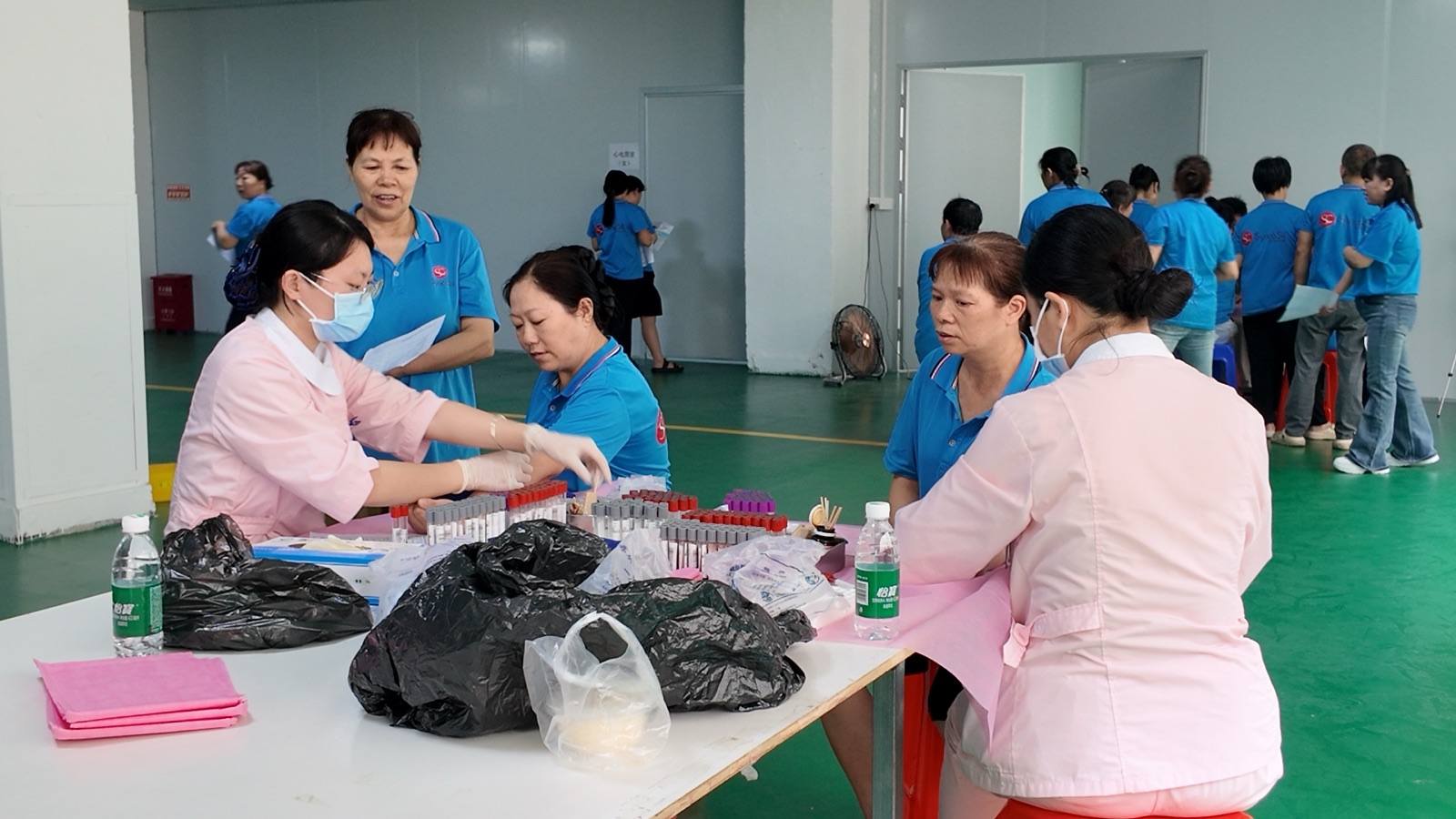
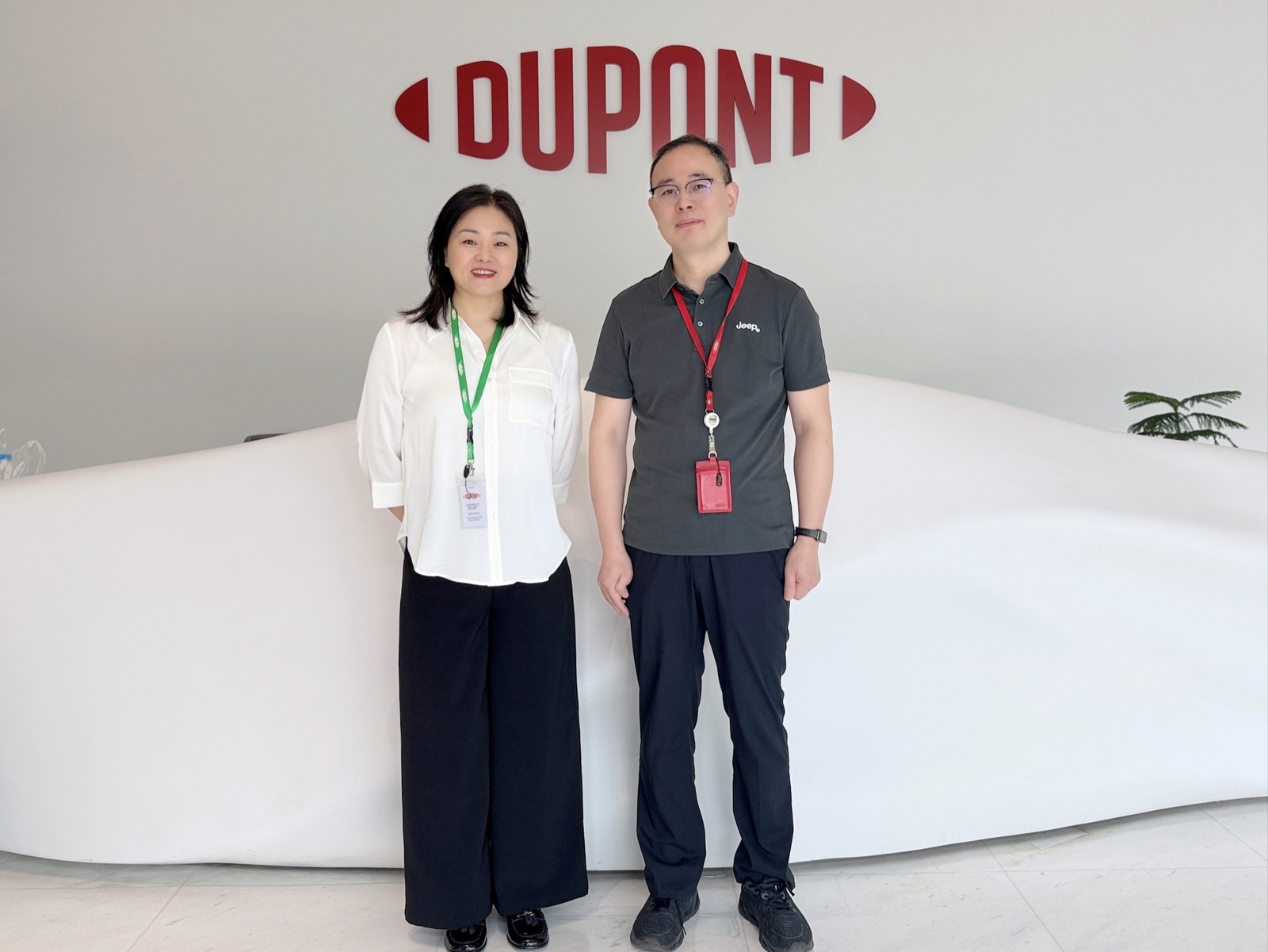
Проверьте завод и объем его производства
Поставщик может производить продукцию напрямую, передавать субподряд на определенные процессы, или координировать производство через фабрики-партнеры. До внесения депозита, подтвердить юридическое лицо, участвующее в заказе, и определить, где будет проходить каждый этап производства.
| Что проверить | Как это проверить | Почему это важно |
|---|---|---|
| Бизнес Айдентика | Сравните название компании, зарегистрированный адрес, цитата, договор, и получатель платежа. | Подтверждает, какое юридическое лицо несет ответственность за заказ. |
| Объем производства | Спросите, где литье, нанесение клея, обрезка, инспекция, и упаковка завершена. | Выявляет субподрядные процессы и возможные пробелы в контроле качества.. |
| Заводские операции | Используйте запланированное интерактивное прохождение, посещение объекта, или независимый аудит для проверки соответствующего оборудования и производственных помещений. | Показывает, есть ли у поставщика необходимое для продукта оборудование и контроль процесса.. |
| Область действия сертификата | Проверьте владельца сертификата, адрес завода, охватываемая деятельность, Дата выпуска, и действительность. | Предотвращает использование несвязанных или просроченных документов в качестве доказательств.. |
Оцените эффективность продукта и клея
Заводские документы не заменяют тестирование готовой продукции. Сравните образцы, используя письменные спецификации и условия испытаний, которые отражают предполагаемую конструкцию., претензия на износ, и инструкции по очистке.
| Тестовая зона | Что проверить | Основа приемки |
|---|---|---|
| Характеристики клея | Начальная липкость, подъем края, смещение, удобство удаления, остаток, и восстановление после чистки. | Утвержденный образец и протокол ношения и стирки, определяемый покупателем. |
| Строительство Кубка | Симметрия чашки, толщина, масса, отделка края, выравнивание застежки, и боковое крепление крыла. | Технический чертеж, согласованные допуски, и утвержденный предсерийный образец. |
| Оценка размера | Постоянство размеров и формы для чашек каждого размера в ассортименте.. | Утвержденная таблица измерений и полноразмерный набор образцов. |
| Материалы и Текстиль | Характеристики материала, детали партии, и отчеты, посвященные силикону, клей, и тканевые компоненты. | Документы должны соответствовать поставляемому материалу., производитель, и готовый продукт. |
Запишите результаты и сохраните утвержденный образец для производственного контроля.. Целевые показатели продолжительности ношения и цикла стирки должны быть согласованы с поставщиком, а не рассматриваться как универсальные отраслевые стандарты..
OEM против ODM-производства
Сравните затраты на разработку и контроль проектирования
OEM и ODM предлагают разные уровни настройки.. С OEM, покупатель обычно предоставляет краткое описание продукта или оригинальный дизайн и работает с фабрикой над разработкой форм., образцы, материалы, и технические характеристики производства. ODM начинается с существующего заводского дизайна, который можно адаптировать путем таких изменений, как цвет., логотип, упаковка, или выбранные компоненты.
OEM-проекты могут включать разработку пресс-форм., дополнительный отбор проб, тестирование, и более длительные циклы утверждения. ODM обычно требует меньше разработки продукта, но могут по-прежнему взиматься плата за модификацию и минимальный объем заказа.. Запросите у поставщика полное предложение, включающее инструменты., образцы, редакции, тестирование, упаковка, и производство.
Право собственности на дизайн и пресс-форму должно быть определено в письменной форме.. Оплата инструмента не дает покупателю автоматического права собственности или исключительного использования.. В соглашении должно быть указано:
- кому принадлежит дизайн продукта, САПР-файлы, и формы;
- является ли форма эксклюзивной для покупателя;
- кто несет ответственность за обслуживание и замену;
- можно ли перенести оснастку на другой завод;
- может ли поставщик продавать ту же или аналогичную конструкцию другим клиентам.
OEM лучше подходит брендам, которым нужны чашки отличительной формы., калибровка, клейкие макеты, или детали конструкции. ODM предлагает более быстрый способ тестирования спроса с использованием существующей конструкции., но уровень дифференциации обычно более ограничен.
минимальный заказ, Цены, и сроки выполнения
минимальный заказ, цена за единицу товара, и время выполнения зависят от дизайна продукта и уровня настройки. Для точного сравнения поставщиков, попросите каждую фабрику указать одни и те же спецификации, количества, требования к упаковке, и условия доставки.
| Элемент | Что покупатели должны подтвердить | Что может на это повлиять |
|---|---|---|
| минимальный заказ | Применяется ли минимум к заказу, стиль, цвет, размер чашки, пара, или дизайн упаковки. | Доступность продукта, закупка материалов, установка производства, и уровень настройки. |
| Цена за единицу товара | Что включает в себя предложение и являются ли цены EXW, ФОБ, или на основе другого Инкотермс. | Количество заказа, материалы, клейкая система, конструкция чашки, цвета, размеры, и упаковка. |
| Единовременные затраты | Отдельная плата за пресс-формы, образцы, произведение искусства, тестирование, печатные формы, и разработка продукта. | Использование существующих конструкций по сравнению с новыми инструментами и нестандартными компонентами.. |
| Время выполнения образца | Когда начинается отбор проб, сколько редакций включено, и кто утверждает окончательный образец. | Новые формы, пользовательские цвета, доступность материала, доказательства упаковки, и циклы пересмотра. |
| Срок изготовления | Запускается ли расписание после оплаты, прибытие материала, или окончательное утверждение образца. | Заводская нагрузка, сложность заказа, количество, требования к инспекции, и пропускная способность в пик сезона. |
Запросите расценки на нескольких уровнях количества и сравните общую стоимость заказа, а не только цену за единицу.. Прежде чем разместить заказ, подтвердить график платежей, образец процесса утверждения, дата начала производства, и как будут обрабатываться задержки или изменения спецификаций.
Тестирование продукции и контроль качества
Ознакомьтесь с материалами и соответствующими отчетами об испытаниях.
Требования к испытаниям зависят от конструкции изделия., предполагаемые претензии, и рынок назначения. Попросите поставщика указать силикон., клей, пигменты, ткани, застежки, и другие компоненты, использованные в готовом бюстгальтере..
Соответствующий ISO 10993 методы тестирования могут использоваться для оценки биологических рисков, таких как цитотоксичность., сенсибилизация кожи, и раздражение при определенных условиях. Эти отчеты представляют собой подтверждающие доказательства, а не общую сертификацию продукта., и они не гарантируют, что каждый пользователь останется без реакции.
Для продуктов, продаваемых в ЕС, просмотреть соответствующую документацию в соответствии с Регламент REACH для силикона, клей, пигменты, текстиль, и другие материалы, использованные в готовом бюстгальтере.. Калифорнийское предложение 65 следует оценивать в соответствии с химическим содержанием продукта и ожидаемым воздействием, а не описывать как универсальный тест на отсутствие. Если включены текстильные компоненты, запросите отчеты или сертификаты, соответствующие точной ткани, цвет, производитель, и предполагаемый рынок.
Проверьте каждый отчет на предмет названия продукта, образец описания, код материала, метод испытания, лаборатория, Дата выпуска, и производитель. Отчеты SGS, ТЮВ, Интертек, или другой лаборатории полезны только тогда, когда их объем соответствует заказываемому продукту.
Проверка производительности на протяжении всего производства
Используйте утвержденный образец и письменные спецификации в качестве основы для проверки.. Рабочий процесс тестирования должен охватывать три этапа.:
- До производства: Подтвердить материалы, цвета, размеры, конструкция чашки, клейкая раскладка, застежки, боковые крылья, упаковка, и утвержденный образец.
- Во время производства: Мониторинг условий формования или формовки, нанесение клея, симметрия чашки, отделка края, крепление компонента, и видимые загрязнения.
- Перед отправкой: Проверка готовых изделий на предмет размеров., появление, клейкая производительность, сохранение формы, согласованность пары, упаковка, и маркировка.
Для многоразовых изделий, задокументируйте метод износа и очистки перед испытанием восстановления адгезии. Количество циклов стирки и допустимые пределы должны отражать заявленные характеристики продукта, согласованные с поставщиком, а не универсальный эталон..
Условия испытаний должны оставаться неизменными при сравнении образцов или производственных партий.. Этот обзор испытание прочности прилипания силиконового бюстгальтера объясняет, как сила отслаивания, лавировать, сопротивление сдвигу, воздействие пота, и циклы очистки могут быть задокументированы.
Iso 9001 может предоставить доказательства того, что на заводе действует документированная система управления качеством, но он не подтверждает безопасность или эффективность отдельного силиконового бюстгальтера.. Iso 13485 актуально только в том случае, если производитель и продукт подпадают под применимую структуру медицинского оборудования.; это не требуется просто потому, что средство предназначено для чувствительной кожи..
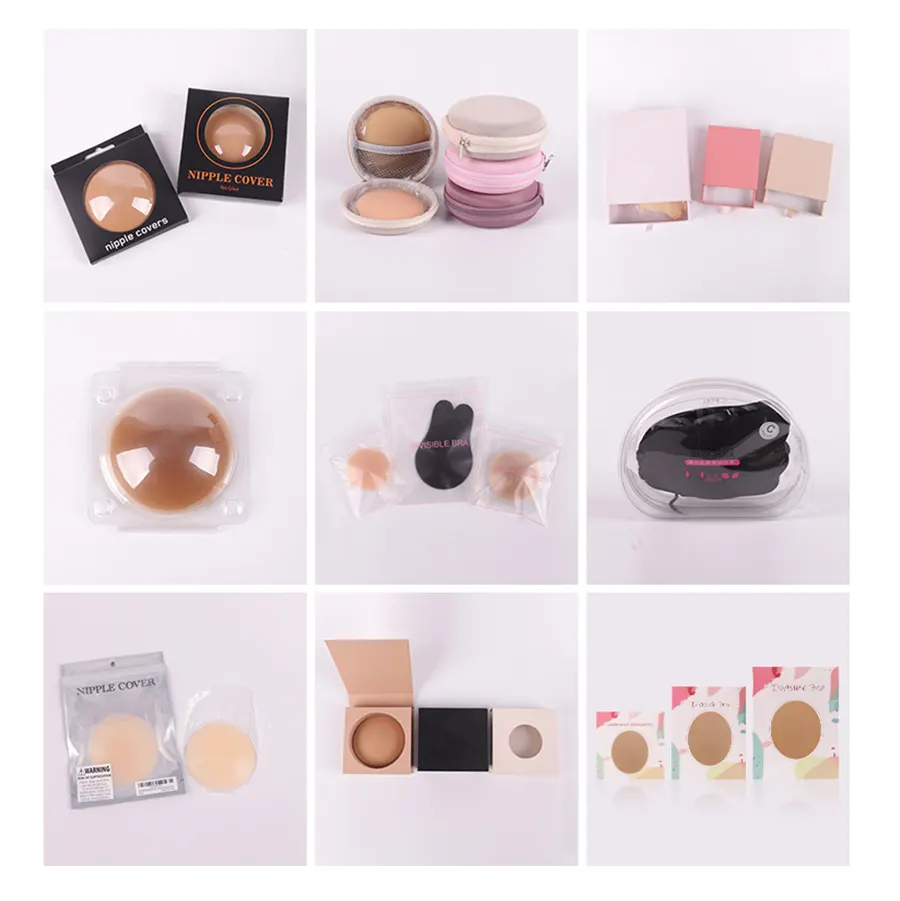
Упаковка, Брендинг, и варианты частной торговой марки
Настройте продукт и защитите его форму
Проекты под частной торговой маркой обычно начинаются с существующего фабричного дизайна и добавляются выбранные изменения, такие как цвета., логотипы, ящики для хранения, инструкции, или розничная упаковка. Полностью индивидуальные проекты могут также включать новые формы чашек., формы, клейкие макеты, застежки, и размерные ряды. Попросите поставщика определить, какие изменения доступны и влияют ли они на минимальный заказ., оснастка, цена, или время выполнения.
Упаковка должна защищать форму чашки и клейкую поверхность во время хранения и транспортировки.:
- Внутренняя поддержка: Используйте вставку или лоток, который удерживает чашки на месте, не сжимая и не деформируя их..
- Релизные вкладыши: Убедитесь, что лайнер соответствует клеевой области и остается чистым., плоский, и легко удалить.
- Внешняя упаковка: Выберите коробку или контейнер, который выдержит штабелирование и нормальные условия транспортировки..
- Варианты материалов: Сравнить картон, формованная целлюлоза, и пластиковые компоненты на основе защиты, появление, расходы, и система переработки на целевом рынке.
- Инструкции по хранению: Получить температуру, влажность, и рекомендации по сроку хранения от поставщика материала или клея вместо применения одного диапазона хранения для каждого продукта..
Утвердить собранный образец упаковки с продуктом внутри него. Напечатанная коробка может выглядеть правильно, но при этом чашки могут, застежки, или клейкие вкладыши для перемещения во время транспортировки.
Подтвердите этикетки и упаковочные документы
Требования к маркировке различаются в зависимости от пункта назначения., конструкция продукта, канал продаж, и маркетинговые претензии. Перед печатью упаковки, согласовать применимые правила с импортером, ритейлер, рынок, или консультант по соблюдению требований.
Просмотрите следующие детали:
- название продукта, стиль, цвет, размер, и количество;
- маркировка страны происхождения, где это необходимо;
- точная информация о материале или волокне, основанная на фактической конструкции;
- уход, хранилище, и инструкции по использованию;
- предупреждения, поддерживаемые конструкцией продукта и требованиями рынка назначения;
- штрих-код, импортер, производитель, или информация об ответственной стороне, где это применимо.
Не описывайте продукт или его компонент как «100% силикон», если это не подтверждено спецификацией.. Так же, Предупреждения о полиэтиленовых пакетах должны соответствовать правилам рынка назначения или розничного продавца, а не единому глобальному пороговому размеру..
Попросите поставщика предоставить соответствующие спецификации упаковки., декларации о материалах, протоколы испытаний, и пометить иллюстрацию для утверждения. Индивидуальная печать, вставки, и испытания упаковки могут повлиять на график производства, поэтому подтвердите сроки выполнения заказа в окончательном предложении.
Перевозки & Рекомендации по импорту
Выберите способ доставки и защитите товар
Выберите способ доставки в зависимости от размера посылки, срок поставки, место назначения, и доступный бюджет. Оценка транзита должна быть подтверждена поставщиком грузовых перевозок, поскольку маршруты, таможенное оформление, и сезонная мощность может меняться.
| Способ доставки | Подходит для | Что подтвердить |
|---|---|---|
| Экспресс-курьер | Образцы, запасные части, и небольшие срочные отправления. | Платный вес, сборы за отдаленные районы, таможенная служба, и условия доставки. |
| Авиаперевозки | Срочные производственные заказы, которые слишком велики для курьерской доставки.. | Аэропортовые сборы, объемный вес, таможенное оформление, и окончательная доставка. |
| Морские перевозки | Крупные заказы, для которых более низкая стоимость перевозки важнее скорости.. | LCL или FCL сервис, портовые сборы, сборы за консолидацию, страхование, и доставка в пункт назначения. |
Упаковка должна предотвращать сжатие чашек., сложенный, или загрязненный. Подтвердите внутренние опоры, клейкие вкладыши, розничные коробки, прочность коробки, размеры коробки, и метод штабелирования посредством испытания упакованной пробы или транзитного испытания.. Меньшая упаковка может уменьшить объем груза, но это не должно искажать продукт. Чашка со значком является постоянной, непродаваемый дефект.
Подтвердить таможенные документы и стоимость доставки
Требования к импорту различаются в зависимости от пункта назначения и конструкции продукта.. Ознакомьтесь с классификацией, маркировка, и требования к въезду с импортером или таможенным брокером перед отправкой.
| Импортировать элемент | Что проверить | Кто должен это подтвердить |
|---|---|---|
| Коммерческие документы | Описание продукта, количество, ценить, масса, количество коробок, и условия доставки должны быть одинаковыми во всем счете., товарная накладная, и транспортный документ. | Поставщик, покупатель, и поставщик грузовых перевозок. |
| Классификация ГС | Классифицируйте готовую продукцию в соответствии с ее конструкцией и тарифной сеткой страны назначения.. | Импортер или квалифицированный таможенный брокер. |
| Происхождение и этикетки | Подтвердите, где должна появиться страна происхождения и другая необходимая информация.. | Импортер, ритейлер, рынок, или консультант по соблюдению требований. |
| Предотгрузочная инспекция | Определите размер выборки, категории дефектов, измерения, проверки производительности, и проверка упаковки перед заказом услуги. | Покупатель и поставщик инспекций. |
| Стоимость доставки | Включить стоимость продукта, упаковка, внутренний транспорт, груз, страхование, обязанности, брокерская деятельность, портовые или аэропортовые сборы, и окончательная доставка. | Покупатель, экспедитор, и таможенный брокер. |
Используйте классификацию поставщика и смету перевозки только в качестве предварительной информации.. Подтвердите окончательный код HS, требования к импорту, обязанности, и логистические расходы со сторонами, ответственными за рынок назначения, перед отправкой.
Заключительные мысли
Поиск силиконовых бюстгальтеров из Китая предполагает нечто большее, чем просто сравнение стилей по каталогу и цен за единицу продукции.. Надежное решение должно учитывать объем производства поставщика., материалы, конструкция чашки, клейкая производительность, качество образца, коммерческие условия, и способность воспроизводить утвержденные спецификации в массовом производстве.
Начните с готовых к производству образцов и оцените полный размерный ряд., клейкая раскладка, симметрия чашки, отделка края, застежки, боковые крылья, упаковка, и восстановление после промывки в документированных условиях. Свяжитесь с нашей производственной командой чтобы отправить краткое описание продукта, обсудить варианты OEM или ODM, и запросите образцы и подробное предложение.