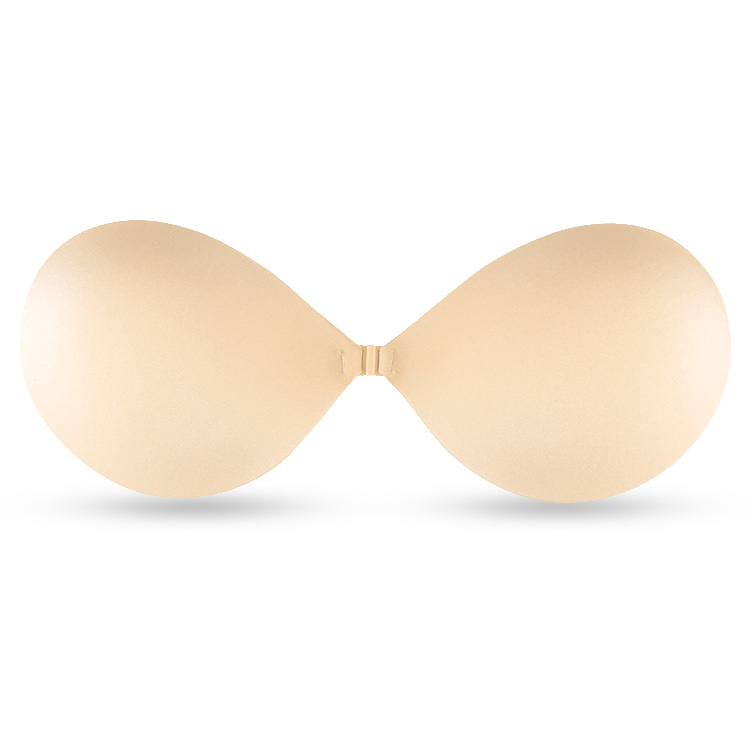
As temperatures rise, are you struggling to decide which adhesive bra will dominate your summer collection? Silicone bras are the gold standard for dramatic 3D lifting and seamless invisibility under bridal or evening gowns. Conversely, fabric bras offer unrivaled breathability and lightweight comfort, making them the top choice for humid climates and daily casual wear.
This guide serves as a comprehensive manufacturing protocol, providing a data-driven comparison of medical-grade silicone versus high-density textiles. We analyze critical metrics—including adhesion physics, moisture regulation, and biocompatibility—to help you optimize your procurement strategy and minimize seasonal return rates.
What Are Silicone Adhesive Bras and Fabric Sticky Bras?
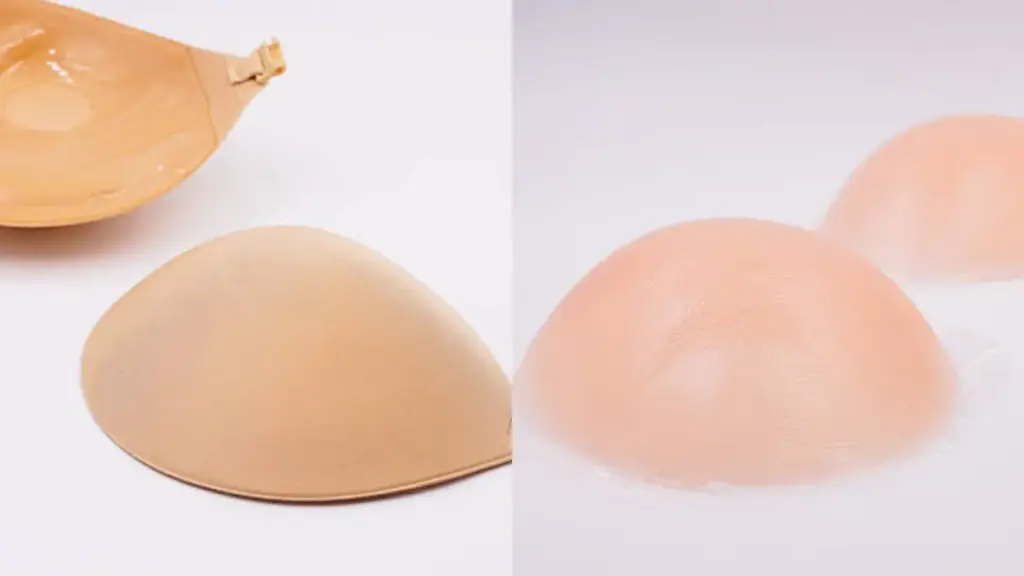
Silicone bras are engineered as a monolithic structure, integrating a skin-safe adhesive backing directly into a high-density polymer. In production, we typically categorize these materials into liquid silicone and solid silicone types. This material is designed to mimic the natural weight and texture of skin, providing superior structural support and a seamless, three-dimensional contour. Due to its chemical stability, silicone excels in reusability and shape retention, making it the preferred choice for garments requiring maximum lift and an invisible, “second-skin” finish.
In contrast, fabric adhesive bras utilize a multi-layer construction, bonding lightweight textiles—typically nylon, spandex, or polyester blends—to a distinct adhesive interface. This porous architecture facilitates high moisture vapor transmission, ensuring exceptional breathability and comfort for extended wear. While offering a more natural silhouette with less structural lift, fabric models are the optimal solution for high-temperature environments and users prioritizing a lightweight, low-profile aesthetic.
Key Material Differences
Evaluate the critical trade-offs between structural shaping and thermal comfort to select the optimal adhesive system for your brand’s specific garment requirements.
| Performance Metric | Medical-Grade Silicone | High-Density Textile (Fabric) |
|---|---|---|
| Structural Support | Superior: Mimics skin density for 3D lifting and shaping. | Moderate: Provides a natural, low-profile silhouette. |
| Invisibility Factor | Seamless: Tapered edges blend perfectly under silk/satin. | Standard: Edge visibility varies by fabric thickness. |
| Breathability (MVT) | Low: Occlusive nature traps heat and moisture. | High: Porous matrix allows for superior airflow. |
| Adhesive Lifecycle | 30 – 50 Wears: High chemical stability and reusability. | 15 – 20 Wears: Textile backing degrades faster over time. |
| Weight Distribution | Heavier: Provides ballast for heavy garments (Bridal). | Lightweight: Minimizes gravity-induced skin strain. |
| Primary Application | Eveningwear, Bridal, and Sheer/Clingy fabrics. | Casual daily wear, Summer fashion, and Active use. |
| Climate Suitability | Controlled environments / Short-duration events. | High-humidity / Tropical climates and Extended wear. |
| Skin Compatibility | Hypoallergenic: Inert material for chemical sensitivity. | Anti-Irritation: Reduces heat rash via ventilation. |
Elevate Your Brand with Custom Adhesive Bras

Performance Engineering
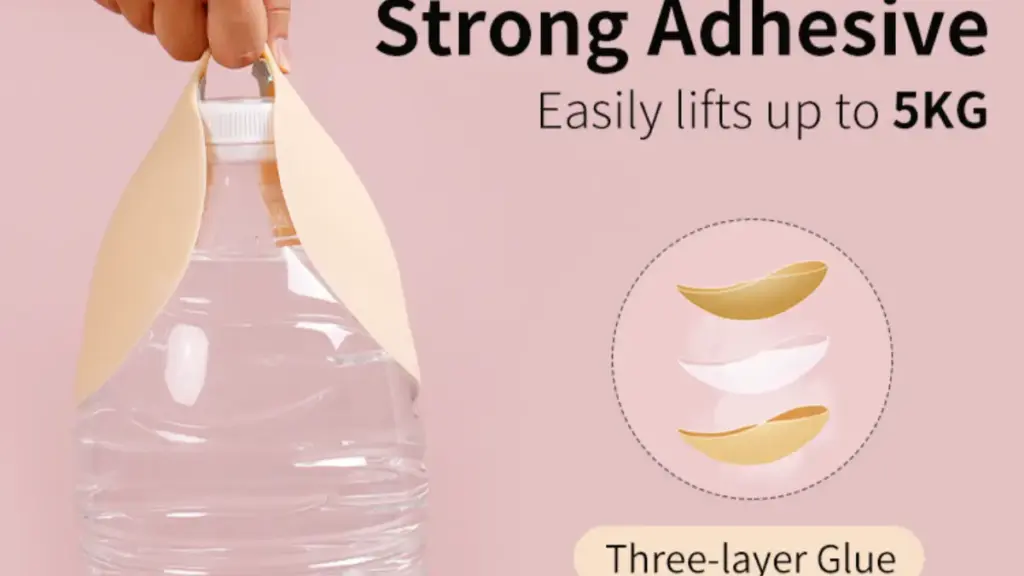
In technical product development, the choice between silicone and textile is a strategic trade-off between shaping power and wearable ergonomics. As a manufacturer, we evaluate these materials across three core performance pillars:
Structural Support & Shaping Efficiency
The primary differentiator is the mechanical lift provided by the material’s density. Medical-grade silicone is engineered to mimic the tactile flex of natural tissue, allowing it to act as a monolithic support system that reshapes the silhouette. Its high surface tension enables “tapered edge” designs for a seamless 3D transition.
In contrast, textile composites prioritize a low-profile, natural contour. While fabric provides less vertical lift, its high tensile flexibility allows the bra to move dynamically with the wearer, making it the superior choice for casual, non-structured apparel.
Thermal Performance & Weight Distribution
Engineering for comfort involves managing gravity-induced strain and moisture vapor transmission (MVT). Fabric bras are significantly lighter, offering a “barely-there” feel that reduces the load on the skin’s surface during extended wear. However, silicone’s higher density provides better shape retention under the weight of heavier garments like bridal gowns.
From a thermal perspective, the porous architecture of fabric allows for superior airflow, whereas silicone’s occlusive nature is optimized for short-duration, high-impact aesthetic results.
Adhesive Lifecycle & Bond Integrity
The ROI of an invisible bra is determined by its reusability cycle.
- Silicone: Utilizes a chemically stable, pressure-sensitive adhesive. Its integrated structure maintains bond integrity for 30 to 50 wears, provided it is cleared of lipid (skin oil) buildup.
- Fabric: Relies on a high-tack adhesive coating bonded to the textile. While it offers a strong “initial grab,” the fabric backing eventually absorbs moisture and environmental debris, typically resulting in a 15 to 20-wear lifecycle.
Physiological Interaction

A product’s success depends on the interface between the adhesive and the wearer’s skin. As a manufacturer, we evaluate this interaction through climate adaptation and dermatological safety:
Breathability & Moisture Management
- Textile Advantage: Fabric bras utilize a porous matrix of nylon and spandex, facilitating high Moisture Vapor Transmission (MVT). This ensures continuous airflow, making them the industry standard for high-temperature or humid environments where preventing sweat accumulation is critical.
- Silicone Trade-off: Being non-porous, silicone is occlusive by nature. While it provides a more stable vacuum-like bond, it can trap heat. We recommend silicone for climate-controlled environments or short-duration events where aesthetic results outweigh thermal regulation.
Sensitivity & Friction
- Sensitive Skin Protocols: For users prone to heat rash or irritation, lightweight fabric is the recommended option. The breathable textile keeps the skin dry, minimizing the risk of moisture-induced friction.
- Biocompatibility: While silicone is less breathable, medical-grade silicone is chemically inert and hypoallergenic. It often causes less trauma upon removal than traditional adhesive dressings, making it a stable choice for users who do not struggle with heat-trapping but require a high-purity material.
- Adhesive Stability: High heat poses different risks; fabric may slip as sweat increases, while silicone’s initial bond is typically stronger but can be compromised by heavy perspiration buildup against its non-porous surface.
Non-Adhesive Bras: Strapless and Wireless Options
For users seeking to avoid direct skin adhesives, non-adhesive strapless bras offer reliable support through mechanical engineering and fabric tension:
- Seamless Bandeaus: Constructed from high-stretch circular knit fabrics, providing lightweight compression and basic coverage. Best suited for layering or low-impact daily wear.
- Molded Strapless Bras: Utilize internal underwires and reinforced lateral bands to provide lift. These often feature silicone grip linings along the edges to prevent slippage during movement.
- Longline & Bustier Designs: Incorporate flexible vertical boning that extends to the waist. By distributing the load across the entire torso, they offer the highest level of security for heavy formalwear and structured gowns.
Strategic Procurement
To optimize inventory turnover and brand positioning, procurement decisions should be guided by a clear analysis of material-driven costs and market application:
Cost Structure & Margin Analysis
- Initial Capital Expenditure (CAPEX): Medical-grade silicone requires a higher upfront investment due to the specialized polymer molding and curing processes. This justifies a premium retail price point.
- Mass-Market Accessibility: Fabric-based models leverage widely available textiles (nylon/polyester), keeping manufacturing overhead low. These are ideal for high-volume, low-margin promotional strategies.
- Pricing Leverage: Materials dictate perceived value. Silicone’s durability and skin-mimicking texture allow brands to command higher margins, while fabric serves the “accessible comfort” segment.
Application Mapping & Market Positioning
- Premium/Bridal Segments: Focus on Silicone. Its superior 3D shaping is non-negotiable for high-value apparel like silk or backless gowns where structural integrity is paramount.
- Lifestyle/Fast Fashion: Focus on Textile Composites. Their breathable nature and lower cost make them the standard for casual summer collections and high-frequency, seasonal sales.
- Strategic Stocking: Adjust inventory ratios based on regional climates—favoring breathable textiles for tropical markets and premium silicone for event-driven “peak seasons” (Proms/Weddings).
Conclusion
Choosing between silicone and cloth adhesive bras depends on the target customer’s priorities for performance, climate, and skin sensitivity. Silicone offers strong adhesion and a seamless look, while cloth provides better breathability for comfort in warmer conditions. Stocking both materials in your catalog allows you to meet a wider range of consumer preferences and seasonal demands.
Review your current invisible lingerie collection to identify opportunities in your material selection. As a specialized manufacturer, Xinke delivers ISO-certified, skin-safe adhesive solutions tailored to global brands. Contact our technical team today for detailed specification sheets.
Frequently Asked Questions
Is silicone or cloth sticky bra better?
The better choice depends on your priorities. Silicone bras offer excellent support and a natural-looking lift that mimics skin, making them ideal for clingy fabrics. However, they can feel heavier and are less breathable. Cloth (fabric) bras are more lightweight, breathable, and a better option for sensitive skin, but they provide less lifting power compared to silicone.
Which adhesive bra is most breathable?
Fabric adhesive bras are the most breathable option. Made from materials like nylon and spandex, they are designed to be lightweight and allow for more air circulation, making them more comfortable for extended wear, especially in warmer conditions. Silicone bras, in contrast, do not breathe well.
Are silicone bras heavy?
Yes, silicone bras can feel heavier compared to their fabric counterparts. While they are designed to be soft and flexible, their material density gives them more weight than the lightweight construction of cloth adhesive bras.
Is silicone or fabric better for sensitive skin?
Fabric adhesive bras are the better choice for sensitive skin. Silicone bras may not be suitable for sensitive skin types, whereas lightweight fabric bras are cited as a more compatible option.
Do cloth sticky bras provide more lift?
No, cloth sticky bras generally provide less lift than silicone ones. While cloth bras offer a natural-looking shape, silicone bras provide a more noticeable lift, with some designs offering enhanced lifting effects.
How long does a silicone bra last vs cloth?
Silicone bras are specifically designed for durability and repeated use. When cleaned properly according to instructions, they can last for multiple wears. While fabric bras are also reusable, the research emphasizes the intended durability of silicone as a key feature.