
Verpackungskonformität (legal) Bei Silikon-Dessous handelt es sich nicht um ein abschließendes Detail; es ist ein Haupthindernis für den Markteintritt. Fehlinterpretation der Regeln zur Chemikaliensicherheit, Ballaststoffgehalt, oder Polybeutelwarnungen führen dazu, dass ganze Sendungen vom Zoll beschlagnahmt und von großen Einzelhändlern zurückgewiesen werden, Dies wirkt sich direkt auf den Umsatz und das Markenvertrauen aus.
Diese Analyse bricht die entscheidenden Unterschiede zwischen den Fragmentierten auf, einzelstaatlicher US-Rahmen und das harmonisierte PPWR der EU. Wir bewerten spezifische Anforderungen für Hautkontaktklebstoffe gemäß REACH, Vorschriften zur Textilkennzeichnung, und von Einzelhändlern vorgegebene Erstickungswarnstandards, um kostspielige Fehler vor der Produktion zu verhindern.
Warum Verpackungskonformität für Dessous-Marken wichtig ist, die in die USA und die EU eintreten
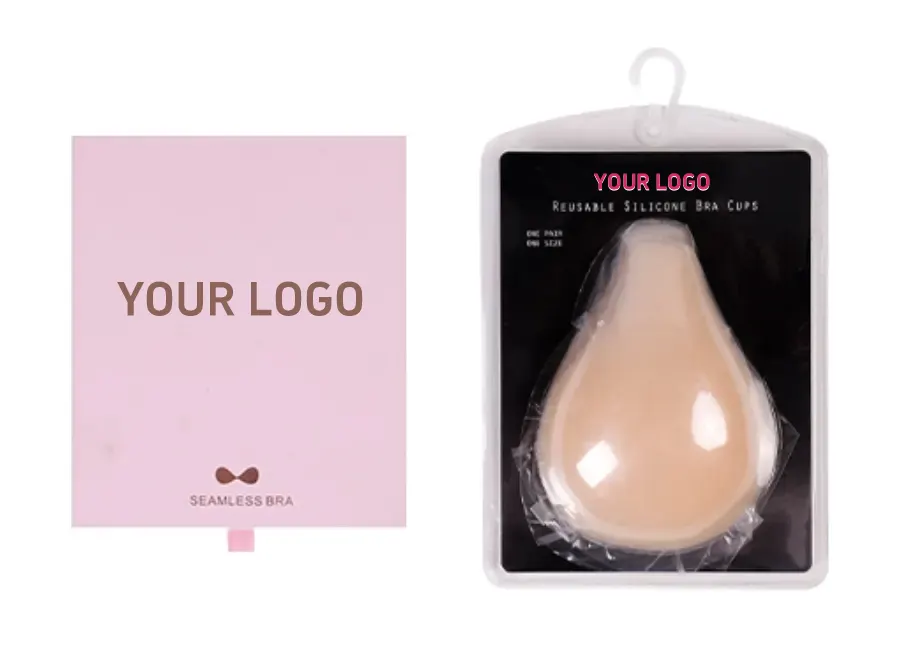
Wenn Sie die Verpackungsvorschriften ignorieren, werden Ihre Produkte vom Zoll blockiert und von Einzelhändlern zurückgewiesen. Es ist ein kostspieliger Fehler, der sich direkt auf den Umsatz und das Markenvertrauen auswirkt.
Sicherstellung des legalen Marktzugangs und der Händlerakzeptanz
Die richtige Verpackung ist kein Problem “schön zu haben”; Es ist eine harte Voraussetzung für den Markteintritt. Wenn Ihre Verpackung nicht den US- oder EU-Vorschriften entspricht, Ihre Produkte können an der Grenze kalt gestoppt werden. Zollbeamte sind befugt, ganze Sendungen wegen falscher Etikettierung zu blockieren und zu beschlagnahmen, fehlende Informationen zur Rückverfolgbarkeit, oder nicht konforme Materialien.
Auch wenn die Ware den Zoll passiert, Die nächsten Gatekeeper sind die Einzelhändler und E-Commerce-Plattformen. Große Player wie Amazon, Kaufhäuser, und Fachboutiquen haben ihre eigenen strengen Compliance-Programme. Sie werden keine neue Dessous-Marke auflisten oder auf Lager haben, ohne den Nachweis zu erbringen, dass die Verpackung allen gesetzlichen Standards entspricht, von Materialsicherheit bis hin zu Recycling-Etiketten. Bei Nichteinhaltung gibt es keinen Platz im Regal und keine Online-Angebote.
Den Ruf der Marke schützen und finanzielle Strafen vermeiden
Eine unvollständige oder irreführende Verpackung beeinträchtigt direkt die Glaubwürdigkeit Ihrer Marke. Verbraucher und Aufsichtsbehörden halten wesentliche Informationen für unklar oder unbegründet “umweltfreundlich” behauptet, eine falsche Marke zu sein. Im Bereich Unterwäsche, wo Vertrauen und Transparenz entscheidend sind, Ein solcher Fehler kann Ihrem Ruf dauerhaft schaden.
Ebenso gravierend sind die finanziellen Folgen. Die Kosten für die Reparatur der Verpackung nach einer Produkteinführung – die Durchführung von Rückrufen, Etiketten nachdrucken, und die Verwaltung entnommener Lagerbestände – ist enorm im Vergleich zu den Kosten, die für die Konformitätsplanung von Anfang an anfallen. Diese Fehler kosten nicht nur Geld; Sie führen auch zu Unterbrechungen der Lieferkette, Dies führte zu stornierten Bestellungen und beschädigten Beziehungen zu wichtigen Einzelhandelskunden.
Welche Informationen müssen auf Dessous-Etiketten erscheinen??

Auf Dessous-Etiketten muss der Fasergehalt gesetzlich angegeben sein, Ursprungsland, eine US-Hersteller-ID (RN), und permanente Pflegehinweise. Silikon- oder Klebeprodukte erfordern besondere Material- und Sicherheitsdetails.
Offenlegungspflichten für Fasergehalt und Material
Für alle gängigen textilen Dessous wie BHs, Slip, oder Bodys, Auf dem Etikett muss der Fasergehalt aufgeführt sein. Sie müssen generische Fasernamen verwenden – denken Sie nach “Nylon” oder “Elasthan,” keine Handelsnamen wie Lycra. Listen Sie jede Faser nach ihrem prozentualen Anteil am Gesamtgewicht auf, Beginnen Sie mit dem Höchsten und arbeiten Sie sich nach unten vor. Zum Beispiel: “80% Nylon, 20% Elasthan.”
Wenn ein Kleidungsstück in verschiedenen Abschnitten unterschiedliche Stoffe aufweist, Du musst es aufschlüsseln. Ein typisches BH-Etikett könnte lauten:, “Körper: 80% Nylon, 20% Elasthan / Beschichtung: 100% Polyester.” Alle Ballaststoffe 5% oder mehr des Gewichts müssen aufgeführt werden. Alles darunter 5% kann gruppiert werden als “andere Fasern,” es sei denn, es hat eine bestimmte Funktion, wie Elasthan, das für Dehnbarkeit hinzugefügt wurde. In diesem Fall, Sie können es auflisten, auch wenn es sich um einen kleinen Prozentsatz handelt.
Sie können dekorative nichttextile Verzierungen und Beschläge von dieser Berechnung ausschließen. Dinge wie strukturelle Bügel, Haken, Ringe, und kleinere Schleifen zählen nicht zum Grundfaseranteil. Jedoch, Strukturgummis oder Hauptgurte erfordern häufig eine gesonderte Offenlegung. Eine übliche Möglichkeit, allgemeine Beschnittausschlüsse anzugeben, ist das Hinzufügen “exklusive Dekoration” zum Etikett.
Kennzeichnungsregeln für das Herkunftsland
Jedes importierte Dessous muss deutlich mit seinem Herkunftsland gekennzeichnet sein, wie “In China hergestellt.” Dies ist nicht optional; Dies ist eine Kernanforderung für den Zoll in wichtigen Märkten. Das Herkunftsland ist definiert als das Land, in dem das Kleidungsstück im Wesentlichen hergestellt wurde – bei Dessous, Hier wurde fast immer geschnitten und genäht.
In den USA, Die “In den USA hergestellt” Der Anspruch ist sehr streng. Es kann nur verwendet werden, wenn alle oder nahezu alle Materialien und Herstellung aus dem Inland stammen. Wenn Sie in den USA einen BH aus importiertem Stoff nähen, Das muss auf dem Etikett stehen “Hergestellt in den USA aus importiertem Stoff.” Sie können eine Marketingzeile wie hinzufügen “Entworfen in New York,” aber es kann das Erforderliche nicht ersetzen “In…” Stellungnahme.
Die Ursprungskennzeichnung muss dauerhaft sein (eingenäht oder bedruckt) und am Point of Sale gut sichtbar. Für BHs, Normalerweise befindet es sich auf einem Etikett im hinteren Flügel oder in der Seitennaht.
RN-Nummern und Herstelleridentifikation in den USA
In den Vereinigten Staaten, Für Textilprodukte muss das verantwortliche Unternehmen angegeben werden. Auf Ihrem Etikett muss entweder der vollständige Name des Herstellers stehen, Importeur, oder Händler, oder eine registrierte Identifikationsnummer (RN). Eine RN ist eine eindeutige Nummer, die von der Federal Trade Commission vergeben wird (FTC) Das weist auf Ihr Unternehmen hin.
Die Verwendung einer RN ist optional, Aber viele Marken ziehen es vor, ihren vollständigen Firmennamen zu drucken. Diese Informationen müssen lesbar und dauerhaft am Kleidungsstück angebracht sein. Oft werden sie auf demselben Etikett mit dem Fasergehalt und dem Herkunftsland gruppiert, um alles sauber und konsolidiert zu halten.
Pflegehinweise und Waschetikettenstandards
In den meisten großen Märkten ist die Pflegekennzeichnung obligatorisch. Sie müssen genaue Anweisungen bereitstellen, die es jemandem ermöglichen, das Kleidungsstück zu reinigen, ohne es zu beschädigen. Das Etikett muss dauerhaft sein und über die gesamte Nutzungsdauer des Artikels halten.
Die Anweisungen, Dabei kann es sich um Text oder Symbole handeln, sollte die fünf Standardschritte abdecken:
- Waschen: Geben Sie an, ob Handwäsche oder Maschinenwäsche erfolgen soll, die Wassertemperatur, und wenn ein empfindlicher Zyklus erforderlich ist.
- Bleichen: Die meisten Dessous werden es sein “Nicht bleichen” aufgrund empfindlicher Fasern und Farbstoffe.
- Trocknen: Für BHs und Artikel mit Gummizug, das ist normalerweise der Fall “Zum Trocknen aufhängen” oder “Zum Trocknen flach hinlegen.” Das Trocknen im Wäschetrockner kann die Form und Elastizität zerstören.
- Bügeln: Geformte Körbchen, Schaum, und Stoffe mit hohem Elasthan-Anteil sollten gekennzeichnet werden “Kein Bügeln.”
- Professionelle Reinigung: Beachten Sie, ob eine chemische Reinigung erlaubt oder verboten ist.
Wenn Ihre Dessous als Nachtwäsche gelten könnten, vor allem für Kinder, Möglicherweise muss es auch bestimmte Entflammbarkeitsvorschriften erfüllen und permanente Warnhinweise dazu tragen.
Hinweise zur Kennzeichnung von Silikon- und Klebe-BHs
Silikon- und Klebe-BHs sind keine typischen Textilien, daher sind ihre Kennzeichnungsregeln unterschiedlich. Wenn das Produkt Stoffbestandteile enthält, wie eine Außenhülle oder Flügel aus Stoff, Für diese Teile ist weiterhin eine Standardoffenlegung des Fasergehalts erforderlich. Die wichtigsten Silikonteile, Jedoch, sollten nur anhand ihres Materials identifiziert werden, wie zum Beispiel “100% Silikon.”
Da ein eingenähtes Etikett oft nicht möglich ist, this information usually goes on the primary packaging. Sicherheits- und Gebrauchsanweisungen sind hier von entscheidender Bedeutung. Sie müssen Warnungen wie einfügen “Nicht auf verletzter oder gereizter Haut anwenden,” Geben Sie eine maximale empfohlene Tragedauer an, und Anweisungen zum sicheren Entfernen geben.
Auch die Pflegehinweise müssen sehr spezifisch sein. Sie erfordern normalerweise eine sanfte Handreinigung mit milder Seife und Wasser, Anschließend erfolgt die Lufttrocknung vor Hitze. Auf dem Etikett muss angegeben werden “Kein Bügeln” Und “Nicht bleichen,” und warnt häufig vor der Verwendung von Produkten auf Alkohol- oder Ölbasis, die den Klebstoff angreifen können.
Quellprämie, Anpassbare unsichtbare Dessous

US- und EU-Vorschriften: Was sind die Hauptunterschiede??
Das US-amerikanische Verpackungsrecht ist fragmentiert, Flickenteppich von Staat zu Staat basierend auf dem Post-Market-Risiko. Die EU verwendet eine einzige, harmonisierter Rahmen, der auf Vorsorgeprinzipien aufbaut, präventives Prinzip.
| Der US-Ansatz: Ein Patchwork von Staat zu Staat | Der EU-Ansatz: Eine harmonisierte, Top-Down-Framework |
|---|---|
|
Das Rechtssystem ist fragmentiert und es gibt kein einziges Bundesverpackungsgesetz. Die Regeln sind auf verschiedene Behörden wie die FDA und die EPA aufgeteilt. |
Im Mittelpunkt des Systems steht die Verpackungs- und Verpackungsabfallverordnung (PPWR), die ein verbindliches Regelwerk für den gesamten EU-Markt festlegt. |
|
Umweltregeln, wie etwa der erweiterten Herstellerverantwortung (EPR), werden von einzelnen Staaten vorangetrieben. Dadurch entstehen bundesweit uneinheitliche Anforderungen. |
EPR-Systeme sind in allen Mitgliedstaaten harmonisiert. Geplant ist ein einheitliches Register für Hersteller auf EU-Ebene 2029 um die Verwaltung zu rationalisieren. |
|
Es folgt einer risikobasierten Philosophie, die dazu neigt, Substanzen zuzulassen, bis Beweise dafür vorliegen, dass sie schädlich sind, auf Post-Market-Kontrollen angewiesen. |
Es funktioniert nach dem Vorsorgeprinzip. Dies betont die Zulassung vor dem Inverkehrbringen, gefahrenbasierte Verbote, und präventive Designkontrollen. |
|
Für Unternehmen, Compliance bedeutet, die Gesetze mehrerer Bundesstaaten mit unterschiedlichen Fristen zu verfolgen, Produzentendefinitionen, und Gebührenstrukturen. |
Der Rahmen wird klar vorgegeben, EU-weite Ziele, So machen wir zum Beispiel alle Verpackungen recycelbar 2030 und die Festlegung spezifischer Recyclinggehalte. |
Chemikalienkonformität für Silikon- und Klebeunterwäsche
Für Silikon- und Klebewäsche, Die chemische Sicherheit hängt davon ab Klebstoff, nicht das Silikon. Richtige Aushärtung, Materialauswahl, und strenge Tests sind für Hautkontaktprodukte nicht verhandelbar.
Klebstoffformulierungs- und Aushärtungskontrollen
Die Klebeschicht ist die Komponente mit dem höchsten chemischen Risiko. Wenn nicht richtig formuliert und verarbeitet, es kann Restmonomere hinterlassen, Lösungsmittel, oder Sensibilisatoren, die Hautreizungen verursachen. Der größte Qualitätsmangel ist die unvollständige Aushärtung, Dadurch bleiben reaktive Inhaltsstoffe auf der Oberfläche zurück, die stundenlang mit der Haut des Trägers in Berührung kommen.
Bei echter Compliance geht es nicht nur um die Auswahl eines “hautverträglich” Klebstoff aus einem Datenblatt. Es geht darum zu überprüfen, ob das in der Produktion verwendete spezifische Klebstoffsystem vollständig ausgehärtet und stabil ist, bevor das Produkt in seiner Verpackung versiegelt wird. Auswahl eines Klebstoffs von Anfang an für längere Zeit, Direkter Hautkontakt ist eine der wichtigsten Designentscheidungen, die eine Marke treffen kann.
Grundlegende Tests und Dokumentation
Ohne eine schriftliche Dokumentation können Sie die Einhaltung nicht nachweisen. Die Dokumentation ist nicht optional; Es ist der Beweis dafür, dass Sie die Arbeit erledigt haben. Eine solide Compliance-Datei für diese Produkte muss enthalten:
- Eine technische Datei mit Materialdeklarationen für jede Komponente: die spezifische Silikonsorte, das Klebesystem, und eventuell verwendete Textilien.
- Lieferanten-Konformitätserklärungen für alle Rohstoffe. Dies verlagert die Verantwortung auf die Menschen, die die Chemikalien und Stoffe herstellen.
- Berichte über das Screening eingeschränkter Substanzen zum Abschluss, fertiges Produkt von einem akkreditierten Drittlabor. Vertrauenswürdige Lieferantenerklärungen sind notwendig, Die Überprüfung des Endprodukts ist jedoch unerlässlich.
- Chargenrückverfolgbarkeitsaufzeichnungen, die jede fertige Produktcharge mit den spezifischen Rohstoffchargen und den entsprechenden chemischen Testberichten in Verbindung bringen. Wenn ein Problem auftritt, Man muss es schnell isolieren können.
Verpackungssicherheitsanforderungen für Polybeutel und Einzelhandelsverpackungen
Die Sicherheit von Polybeuteln in den USA wird durch ein strenges Flickenteppich staatlicher Gesetze und nicht verhandelbarer Anbieter-Compliance-Standards großer E-Commerce-Plattformen bestimmt. Um Zollverzögerungen oder Plattformverbote zu verhindern, Ihre durchsichtige Kunststoffverpackung muss eine bestimmte Materialstärke mit auffälligen Erstickungswarnungen in Einklang bringen.
| Zuständigkeit / Plattform | Schwellenwert für Warnungsauslöser | Spezifische Anforderungen & Schriftartstandards |
| Gesetze des US-Bundesstaates (Ca., New York, MA, usw.) | Dicke < 1 Mil (0,001 Zoll) | Eine Standardwarnung muss auffällig gedruckt werden. Einige Bundesstaaten verlangen bestimmte Schriftgrößen basierend auf der Gesamtlänge der Tasche. |
| Amazon FBA | Öffnung größer oder gleich 5 Zoll (flach gemessen) | Obligatorische Warnung an prominenter Stelle gedruckt. Amazon verlangt auch, dass der Polybeutel selbst vorhanden ist mindestens 1.5 Mil dick. |
| Ziel & Walmart | Alle Polybeutel (Nullschwelle) | 100% Obligatorisch. Warnungen sind unabhängig von der Kunststoffdicke oder der Öffnungsgröße erforderlich, Festlegung der De-facto-Branchenbasis. |
Jenseits der Erstickungsgefahr, Compliance-Teams müssen die chemische und physikalische Strukturintegrität aller Einzelhandelsverpackungen überprüfen:
- Giftstoffe in Verpackungsgesetzen: Viele US-amerikanische. Staaten verbieten den absichtlichen Einsatz von vier Schwermetallen (führen, Quecksilber, Cadmium, und sechswertiges Chrom). Die gesamte zufällige Konzentration darf zusammengenommen nicht überschritten werden 100 ppm über den gesamten Film, Etiketten, und Druckfarben. Fabriken müssen eine Konformitätsbescheinigung vorlegen (CoC).
- Strukturelle Abmessungen: Für E-Commerce-Vertriebsnetzwerke wie Amazon FBA, Überschüssige Folie oder Schrumpffolie müssen vollständig versiegelt sein und dürfen nicht mehr als herausragen 3 Zoll über die physischen Abmessungen des Produkts hinaus, um Staus auf dem Sortierband zu verhindern.
Häufige Compliance-Fehler, die Dessous-Marken vermeiden sollten

Mit Blick auf die Verpackung, Beschriftung, und das Marketing-Ökosystem führt zu Lieferstopps und Bußgeldern für Einzelhändler. Zu den wichtigsten Fehlern gehören::
- Falsche Kennzeichnung des Fasergehalts: Die Verwendung von Handelsnamen wie “Lycra” anstelle von generischen Namen (Z.B., “Elasthan”), oder es werden keine regionalen Varianten verwendet (wie Elasthan für die EU statt Elasthan).
- Nicht konforme Pflegeetiketten: Verwendung nicht genehmigter Waschsymbole, die gegen regionale Standards wie GINETEX verstoßen (EU) oder ASTM (UNS).
- Unbegründete Behauptungen: Unbewiesene Leistungsaussagen oder vage Umweltaussagen machen (Z.B., “Grün,” “umweltfreundlich”) die zu Greenwashing-Strafen einladen.
- Chemikalie ignorieren & Abfallvorschriften: Versäumnis, die Listen eingeschränkter Substanzen unabhängig zu überprüfen (RSL) für Schwermetalle in Tinten oder Missachtung der erweiterten Herstellerverantwortung der EU (EPR) Gesetze zum Recycling von Verpackungen.
Erfahrene Fertigungspartner verringern das Risiko Ihrer Markteinführung, indem sie als ausgelagerte Compliance-Abteilung fungieren:
- Zertifizierte Qualitätssysteme: Verwendung von ISO 9001 oder GMP-Frameworks zur Abwicklung des technischen Papierkrams in der Lieferkette, inklusive Sicherheitsdatenblättern (Sicherheitsdatenblatt) und Konformitätszertifikate (CoC) für Chemikalien und Klebstoffe.
- Design & Rückverfolgbarkeitsintegration: Einbettung regionaler Kennzeichnungsanforderungen direkt in die frühe Gestaltung von Kunstwerken, Implementierung einer Chargencodierung auf Chargenebene für ein nahtloses Rückrufmanagement, und Bereitstellung der für die EPR-Berichterstattung erforderlichen Materialgewichtsdaten.
Wie Hersteller Marken dabei helfen, Compliance-Anforderungen zu erfüllen
Gute Hersteller Sie fungieren als ausgelagerte Compliance-Abteilung einer Marke, Abwicklung der komplexen behördlichen Arbeiten für Materialien, Dokumentation, und Rückverfolgbarkeit, damit sich Marken auf ihr Produkt konzentrieren können.
Bereitstellung von Kernkompetenz und zertifizierten Systemen
Ein zuverlässiger Fertigungspartner entlastet Sie von der Last der behördlichen Nachverfolgung. Sie beschäftigen interne Spezialisten, die komplexe Regeln verschiedener Behörden und Märkte überwachen und interpretieren. Ihre Aufgabe ist es, dichte juristische Texte in die Praxis umzusetzen, technische Spezifikationen für die Verpackung – Dinge wie Materialbeschränkungen, obligatorische Warntafeln, und Mindestschriftgrößen.
Sie verwalten außerdem die gesamte Materiallieferkette im Hinblick auf die Einhaltung der Vorschriften. Das bedeutet, dass sie Filme beschaffen und vorab qualifizieren, Papiere, Tinten, und Klebstoffe, um bestimmte Standards wie Lebensmittelkontaktsicherheit oder Gesetze zu Giftstoffen in der Verpackung zu erfüllen. Marken müssen nicht jeden einzelnen Rohstofflieferanten selbst überprüfen. Dafür sorgt das Qualitätssystem des Herstellers.
Diese Arbeit basiert auf zertifizierten betrieblichen Rahmenbedingungen. Einrichtungen, die nach Systemen wie Good Manufacturing Practices arbeiten (GMP) oder sind ISO 9001 Zertifiziert verfügen über die erforderlichen Prozesskontrollen, um Konsistenz sicherzustellen und Kontaminationen zu verhindern. Sie kümmern sich auch um den wichtigen Papierkram, um nachzuweisen, dass die Lieferkette konform ist, einschließlich:
- Sicherheitsdatenblätter (Sicherheitsdatenblatt) für alle chemischen Komponenten.
- Konformitätsbescheinigungen (CoC) die überprüfen, ob die Materialien den Spezifikationen entsprechen.
- Lieferantenerklärungen für spezifische Vorschriften (Z.B., PFAS-frei, BPA-frei).
Unterstützendes Design, Beschriftung, und Rückverfolgbarkeit
Erfahrene Hersteller verankern Compliance von Anfang an im Produktentwicklungsprozess. Sie arbeiten während der Designphase mit Markenteams zusammen, um Regeln für die Kennzeichnung festzulegen, Materialauswahl, und strukturelle Sicherheit sind eingebaut, später nicht angeschraubt. Dies verhindert kostspielige Neugestaltungen oder die Feststellung, dass in letzter Minute festgestellt wird, dass eine Verpackung in einem wichtigen Markt nicht konform ist.
Um Genauigkeit zu gewährleisten, Sie nutzen kontrollierte digitale Workflows, um Kunstwerke zu verwalten. Jeder Etikettennachweis wird zur Überprüfung weitergeleitet, um auf obligatorische Inhalte zu prüfen, Überprüfen Sie Ansprüche anhand der Produktspezifikationen, und erhalten Sie eine formelle Genehmigung. Dadurch wird ein Prüfpfad erstellt und verhindert, dass nicht genehmigte oder veraltete Etiketten gedruckt werden.
Eine weitere Kernfunktion ist die Rückverfolgbarkeit. Hersteller implementieren eine Chargencodierung auf Chargenebene auf jeder Verpackungseinheit. Dieser Code verknüpft das fertige Produkt mit einem bestimmten Produktionslauf, einschließlich der verwendeten Materialien und des Herstellungsdatums. Dieses System ist für die Verwaltung eines gezielten Rückrufs unerlässlich, falls jemals ein Problem auftritt.
Sie liefern auch die Daten, die für die Einhaltung der Umweltvorschriften erforderlich sind. Für Marken, die in Regionen mit erweiterter Herstellerverantwortung verkaufen (EPR) Gesetze, Hersteller können die erforderlichen Berichte über Materialarten und Gewichte pro Packstück liefern. Dies hilft Marken dabei, ihren gesetzlichen Meldepflichten nachzukommen und die korrekten Gebühren an nationale Recyclingsysteme zu zahlen.
Letzte Gedanken
Die alleinige Bewältigung der globalen Verpackungskonformität stellt ein direktes Risiko für Ihren Zeitplan und Ihr Budget für die Markteinführung dar. Während ungeprüfte Fabriken niedrigere Stückpreise anbieten, Diese Ersparnisse verschwinden mit der ersten blockierten Lieferung oder einer Händlerstrafe. Ein Fertigungspartner mit dokumentierter Compliance ist kein Kostenfaktor – es ist Ihre Versicherungspolice für den Marktzugang.
Überlassen Sie diese Details nicht dem Zufall; Bauen Sie sie vom ersten Tag an in Ihr Produkt ein. Der nächste Schritt besteht darin, Ihre Designs an den spezifischen Material- und Etikettierungsanforderungen Ihrer Zielmärkte auszurichten. Kontaktieren Sie unser Team um eine technische Überprüfung Ihrer Verpackungsspezifikationen zu vereinbaren.
Häufig gestellte Fragen
Welche Etiketten sind für in den USA verkaufte BHs erforderlich??
In den USA verkaufte BHs werden als Textilbekleidung eingestuft. Sie müssen den bundesstaatlichen Textilkennzeichnungsvorschriften und allen Sondervorschriften für Materialien wie Wolle entsprechen, Leder, oder Fell. Der wichtigste rechtliche Rahmen ist der Textile Act der FTC, verwandte Gesetze für Wolle und Pelz, sofern zutreffend, die FTC Care Labeling Rule, und USA. Anforderungen an die Kennzeichnung des Ursprungslandes des Zolls.
Für jeden BH, der als Textilprodukt gilt, Das Gesetz verlangt die folgenden Informationen auf Etiketten, bevor ein Verbraucher das Kleidungsstück kauft:
- Ballaststoffgehalt
- Ursprungsland
- Identität des Herstellers, Importeur, oder Händler
- Pflegeanweisungen (Waschen/Trocknen/Reinigen)
Diese Elemente können auf einem oder mehreren Etiketten enthalten sein, müssen jedoch gut erkennbar sein, lesen, und am Point of Sale finden. Die Größenangabe wie „34B“ ist ein Industriestandard, kein Bundesauftrag. Wenn spezielle Materialien wie Wolle oder Pelz verwendet werden, sie lösen zusätzliche Kennzeichnungshandlungen aus. Alle erforderlichen Informationen müssen auf einem dauerhaften Etikett angebracht sein, entweder eingenäht oder mit dauerhaftem Aufdruck, typischerweise innerhalb des BHs an einer Flügel- oder Seitennaht.
Braucht Unterwäsche eine Erstickungswarnung??
Für Dessous selbst ist keine Erstickungswarnung erforderlich. Aber die Plastik- oder Polybeutelverpackung, die für die Unterwäsche verwendet wird, könnte es sein. Es gibt kein Bundesgesetz, aber Staaten wie Kalifornien und New York, plus große Einzelhändler wie Amazon und Target, haben bestimmte Regeln. Diese Regeln gelten normalerweise, wenn die Tasche eine Öffnung von hat 5 Zoll oder mehr und besteht aus dünnem Kunststoff, oft 1 mil oder weniger. Um Compliance überall sicherzustellen, Es ist eine bewährte Vorgehensweise, eine standardmäßige Erstickungswarnung auf alle verbraucherseitigen Polybeutel für Unterwäsche zu drucken.
Was ist REACH-Konformität für Silikonprodukte??
REACH-Konformität für Silikonprodukte, wie sie in Verpackungsdichtungen oder -einlagen verwendet werden, bedeutet die Einhaltung der EU-Verordnung (EC) NEIN 1907/2006. Dadurch entstehen mehrere zentrale Zölle für in der EU verkaufte Produkte:
- Anmeldung: Sicherstellung aller chemischen Stoffe im Silikon, einschließlich Monomere und Additive, sind bei der Europäischen Chemikalienagentur registriert (ECHA).
- SVHCs: Bestätigung, dass das Produkt keine besonders besorgniserregenden Stoffe enthält (SVHCs) oben a 0.1% Gewichtsschwelle. Wenn ja, Es bestehen strenge Kommunikationspflichten gegenüber Kunden und möglicherweise der ECHA. Zyklische Siloxane (D4, D5, D6), Dies können Rückstände im Silikon sein, werden als SVHC gelistet.
- Einschränkungen: Einhaltung aller Beschränkungen für bestimmte Chemikalien, die in Anhang XVII von REACH aufgeführt sind.
Zum Verpacken, Dies bedeutet, dass bei Lieferanten überprüft werden muss, ob ihre Silikonmaterialien REACH-konform sind, durch Erklärungen untermauert, und frei von eingeschränkten Stoffen für den vorgesehenen Verwendungszweck.
Gibt es in Europa Gesetze für umweltfreundliche Verpackungen??
Ja, Europa verfügt über einen robusten Rechtsrahmen für umweltfreundliche Verpackungen, Im Mittelpunkt steht die EU-Verpackungs- und Verpackungsabfallverordnung (PPWR). Zu den wichtigsten Anforderungen für Unternehmen, die Verpackungen auf den EU-Markt bringen, gehören::
- Recyclingfähigkeit: Sämtliche Verpackungen müssen so gestaltet sein, dass sie wiederverwertbar sind 2030.
- Recycelter Inhalt: Kunststoffverpackungen müssen Mindestvorgaben für das Post-Consumer-Recycling erfüllen (PCR) Inhalt.
- Minimierung: Die Verpackung ist auf das minimal notwendige Gewicht und Volumen zu reduzieren, mit Einschränkungen für unnötige Verpackungen.
- Wiederverwendung: Bestimmte Sektoren stehen vor dem Ziel, den Einsatz von wiederverwendbaren und nachfüllbaren Verpackungssystemen zu erhöhen.
- Erweiterte Herstellerverantwortung (EPR): Unternehmen müssen sich in nationalen EPR-Systemen registrieren und Gebühren zahlen, um die Sammlung und das Recycling ihrer Verpackungsabfälle zu finanzieren. Diese Gebühren sind häufig „ökomoduliert“.,„Das bedeutet, dass weniger recycelbare Verpackungen mehr kosten.
- Nationale Regeln: Länder wie Frankreich (Triman-Logo) und Italien (CONAI-Kennzeichnung) Es gibt spezielle verbindliche Anforderungen an die Umweltkennzeichnung, um Verbraucher über die ordnungsgemäße Entsorgung zu informieren.
Was ist die Prop 65 Warnung für Dessous?
Ein Vorschlag 65 Für in Kalifornien verkaufte Unterwäsche ist eine Warnung erforderlich, wenn Verbraucher dadurch Chemikalien auf dem Prop ausgesetzt werden können 65 Liste oben festgelegter „Safe Harbor“-Grenzen. Das ist kein Verbot, aber eine Pflicht zur Kenntnisnahme.
Für Dessous, Zu den besorgniserregenden Chemikalien können gehören:
- Phthalate: Wird in plastifizierten Drucken verwendet, Kunstleder, oder Vinylverkleidungen.
- Führen: In einigen Farbstoffen enthalten, Metallteile wie Haken und Schieber, oder dekorative Accessoires.
- Azofarbstoffe: Bestimmte Farbstoffe in synthetischen Stoffen können krebserregende Amine freisetzen.
- Formaldehyd: Wird in einigen Anti-Falten- oder Abschlussbehandlungen verwendet.
Wenn Tests ergeben, dass eine gelistete Chemikalie vorhanden ist und die Exposition den Safe-Harbor-Grenzwert überschreitet, Das Produkt muss eine Warnung wie z. B. anzeigen: “⚠️ ACHTUNG: Dieses Produkt kann Sie Chemikalien aussetzen, einschließlich [chemischer Name], von dem dem Staat Kalifornien bekannt ist, dass es Krebs und/oder Geburtsfehler oder andere Fortpflanzungsschäden verursacht.” Diese Warnung kann auf einem Hangtag stehen, Etikett, oder online für E-Commerce-Verkäufe nach Kalifornien bereitgestellt.
So überprüfen Sie Werkszertifizierungen für den Zoll?
Zur Überprüfung von Werkszertifizierungen für den Zoll, Importeure müssen sicherstellen, dass die Dokumente authentisch sind, gültig, und im Einklang mit den Versanddetails. Der Prozess umfasst einige Schritte:
- Sammeln Sie Dokumente: Besorgen Sie sich Kopien aller relevanten Zertifizierungen vom Werk (Z.B., ISO 9001, FSC, GOTS, BSCI), inklusive Zertifikatsnummern, die ausstellende Stelle, und Ablaufdaten.
- Online authentifizieren: Überprüfen Sie den Status des Zertifikats anhand der offiziellen öffentlichen Datenbank der ausstellenden Stelle, Zum Beispiel die Überprüfung einer FSC-Zertifikatsnummer auf der Website des FSC. Dies bestätigt, dass es nicht abgelaufen oder gefälscht ist.
- Überprüfen Sie die Ursprungszeugnisse (CO): Für vergünstigte Tarifansprüche, Nutzen Sie Plattformen wie das Verifizierungssystem des ICC, um zu bestätigen, dass die von einer Handelskammer ausgestellte CO legitim ist.
- Überprüfen Sie die Konsistenz: Stellen Sie sicher, dass der Fabrikname angegeben ist, Adresse, und Produktumfang auf dem Zertifikat mit den Angaben auf der Handelsrechnung übereinstimmen, Packliste, und Frachtbrief. Etwaige Unterschiede können ein Warnsignal für den Zoll sein.
- Aufzeichnungen pflegen: Führen Sie eine zentrale Datei aller verifizierten Zertifikate, Screenshots der Verifizierung, und zugehörige Zolldokumente, die bei einem Audit vorgelegt werden müssen.