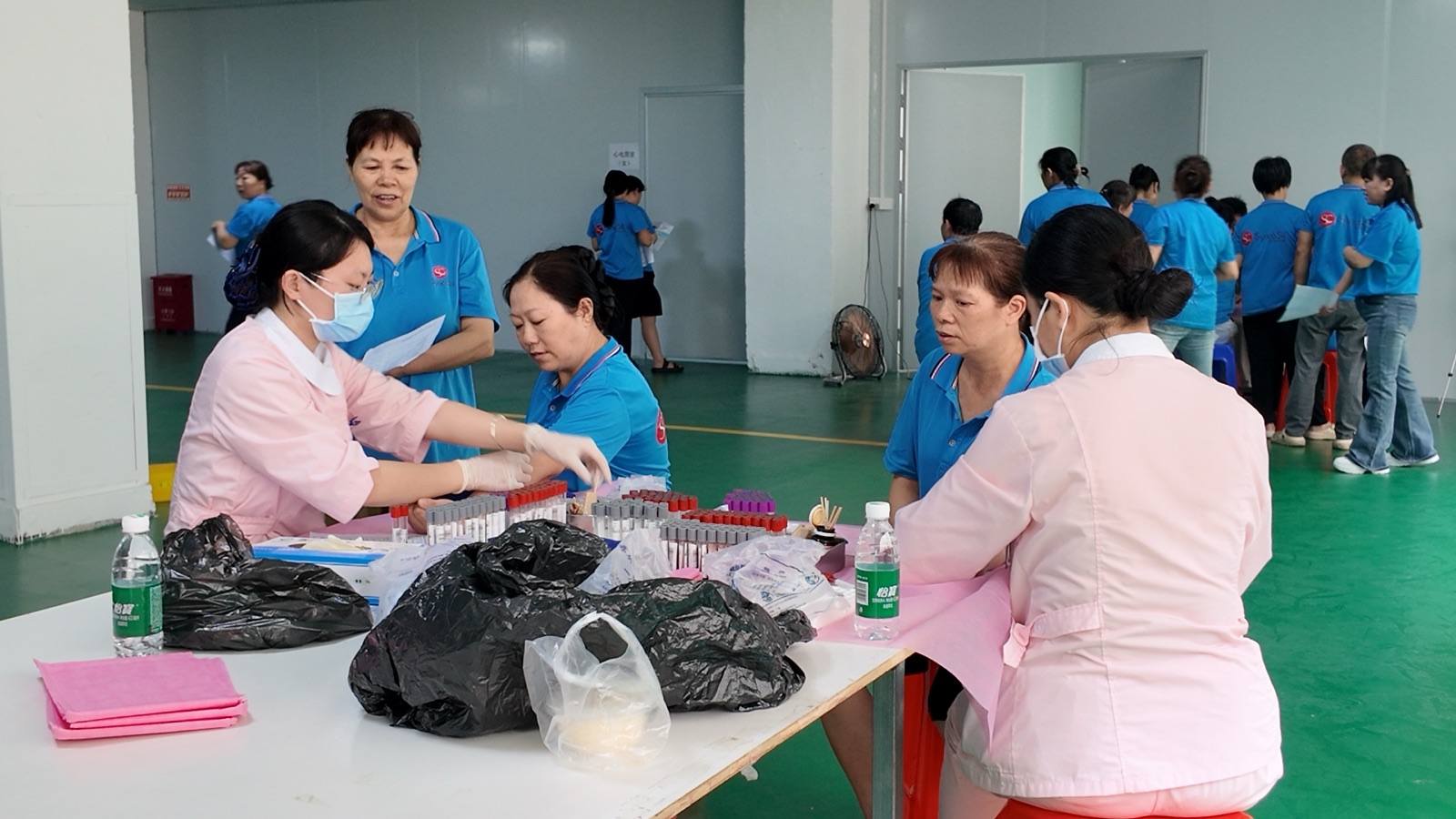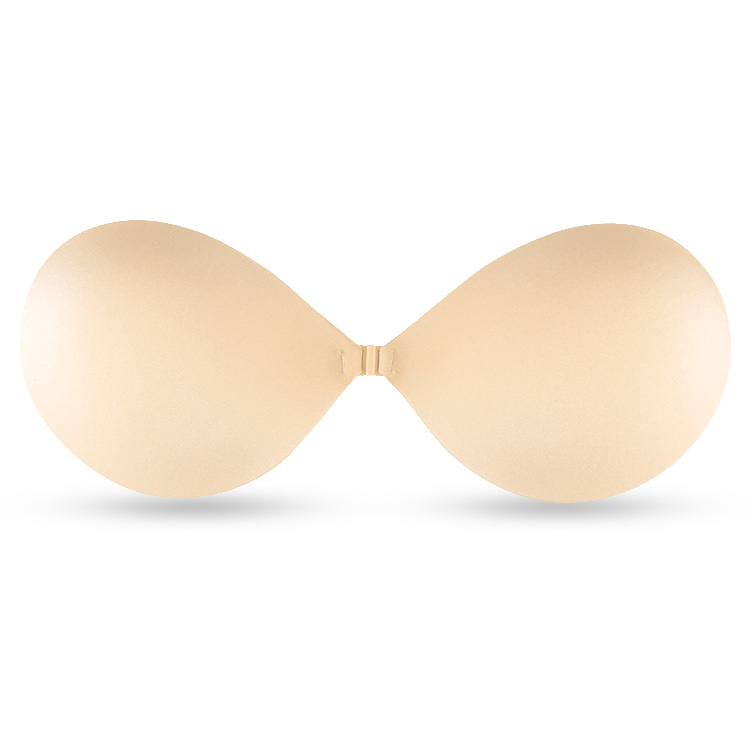
Silicone and adhesive bras are generally safe when they are made with suitable skin-contact materials and used correctly. Sin embargo, concerns about skin irritation, vague “medical-grade” claims, and possible links to breast cancer can make it difficult for brands and consumers to separate genuine risks from common misconceptions.
This guide explains what silicone and adhesive bras are made of, what may cause skin reactions, which test reports buyers should review, and what current evidence says about breast cancer concerns.
Why Consumers Question Adhesive Bra Safety
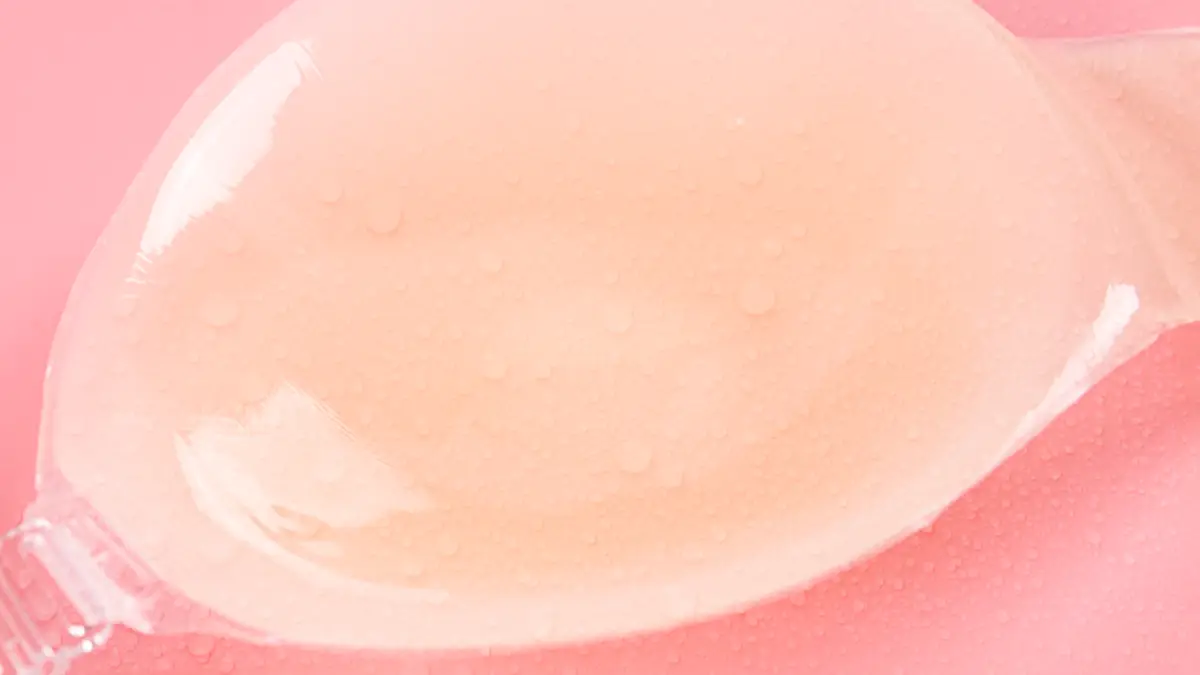
Skin Reactions and Vague Material Claims
Direct skin contact with pressure-sensitive adhesives creates a primary point of friction for sensitive users. When a product seals tightly against the skin without breathability, it traps moisture and concentrates chemical exposure.
- Contact Dermatitis: Prolonged exposure to pressure-sensitive adhesives triggers contact dermatitis, enrojecimiento, and itching in sensitive users.
- Regulatory Gaps: Vague marketing labels like “grado médico” o “hipoalergénico” lack consistent regulatory backing, leaving buyers uncertain about material purity.
What Silicone Adhesive Bras Are Made Of
An adhesive bra combines several materials and components, each of which affects comfort, adhesion, appearance, y durabilidad. Material labels alone do not explain whether a silicone is suitable for a specific product. Buyers can review the differences between medical-grade and regular silicone before comparing supplier specifications and test reports.
| Component | Main Function | What Buyers Should Check |
|---|---|---|
| Silicone Cup | Provides shape, cobertura, and a natural feel. | Material specification, blandura, espesor, and consistency. |
| Adhesive Layer | Keeps the bra attached to the skin. | Adhesion, removal, residue, and available skin-contact test reports. |
| Textile Cover | Creates a smooth outer finish and reduces friction with clothing. | Fiber content, colorfastness, surface quality, and applicable documentation. |
| Edges and Clasps | Improve fit, organización, and stability during wear. | Edge finish, clasp strength, symmetry, and comfort against the skin. |
Develop Safer Adhesive Bras for Your Brand
Are Silicone Bras Safe for Skin?
Silicone adhesive bras are generally safe when they are made with suitable skin-contact materials and used according to the product instructions. Sin embargo, adhesivos, trapped moisture, desgaste prolongado, and individual sensitivity can still cause localized irritation.
Adhesive Reactions and Occlusion Risks
While silicone is generally well tolerated, the adhesive backing and physical wear conditions can still create dermatological concerns. These issues typically manifest as localized irritation rather than systemic allergic reactions.
- Chemical Irritants: Some adhesive formulations, residual substances, or unsuitable materials may contribute to localized contact dermatitis, picor, or redness in sensitive users.
- Microbial Growth: Non-breathable, occlusive silicone cups trap body heat, sudor, y humedad. This creates a humid environment that may contribute to blocked pores, irritación, or discomfort during prolonged wear.
- Over-Extended Wear: Wearing an adhesive bra longer than recommended can increase moisture buildup, fricción, and discomfort. Users should follow the wear-time instructions provided with the specific product.
- Barrier Disruption: Applying adhesive surfaces over cosmetic residues—such as moisturizers, perfumes, or body oils—traps these chemicals directly against the skin, degrading the protective epidermal barrier.
Do Adhesive Bras Cause Cancer?
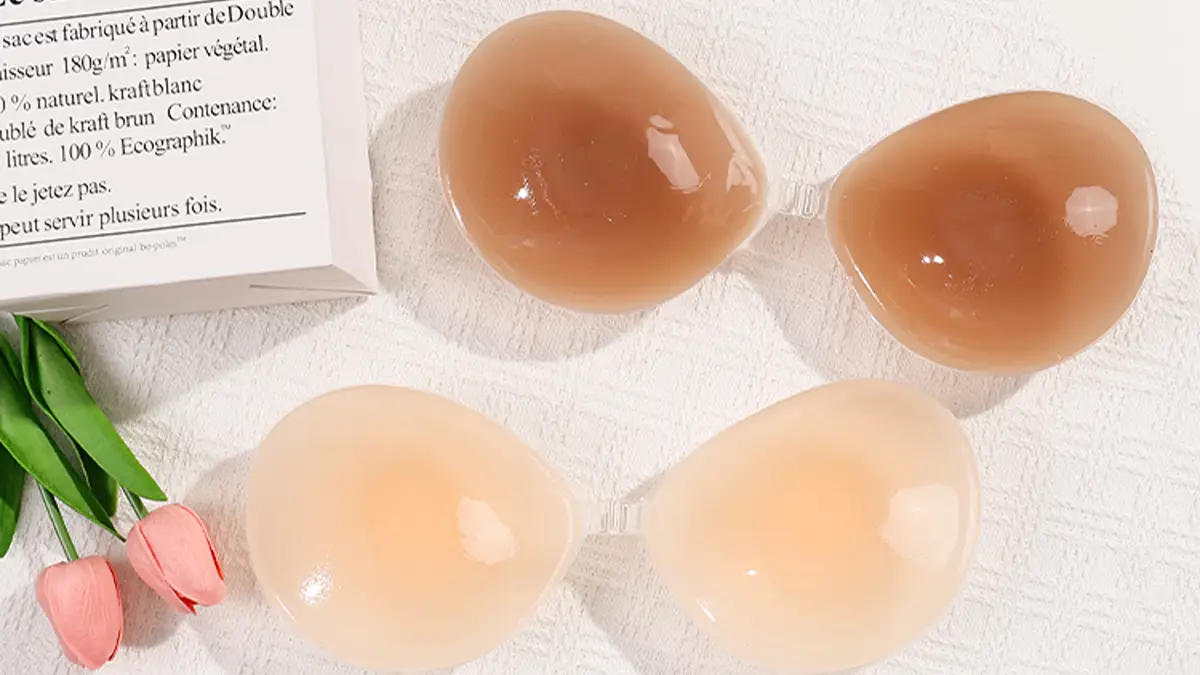
| Concern Area | What Current Evidence Shows | Actual Risk Profile |
|---|---|---|
| Lymphatic Blockage | Available evidence does not show that wearing a bra increases breast cancer risk. | Tight edges may cause local friction, trapped sweat, or mild skin chafing. |
| Material Safety | Silicone used in adhesive bras remains on the skin’s surface. Current evidence does not identify bra use as a breast cancer risk factor. | Localized irritation may result from the adhesive formulation, trapped moisture, fricción, or individual sensitivity. |
Epidemiological Evidence and the Lymphatic Drainage Myth
Current evidence does not show that wearing a bra increases breast cancer risk. Sin embargo, available studies have generally examined bra-wearing habits rather than adhesive bras as a separate product category.
- Study Scale: Encima 1,500 postmenopausal women analyzed in population-based case-control evaluations show no correlation between bra usage and cancer.
- Zero Correlation: Researchers found no risk escalation linked to cup size, daily wear hours, or underwire use.
- Consensus Bodies: La Sociedad Americana del Cáncer states that there is no scientific or clinical evidence showing that wearing a bra changes breast cancer risk.
Understanding Allergic Reactions & Skin Irritation
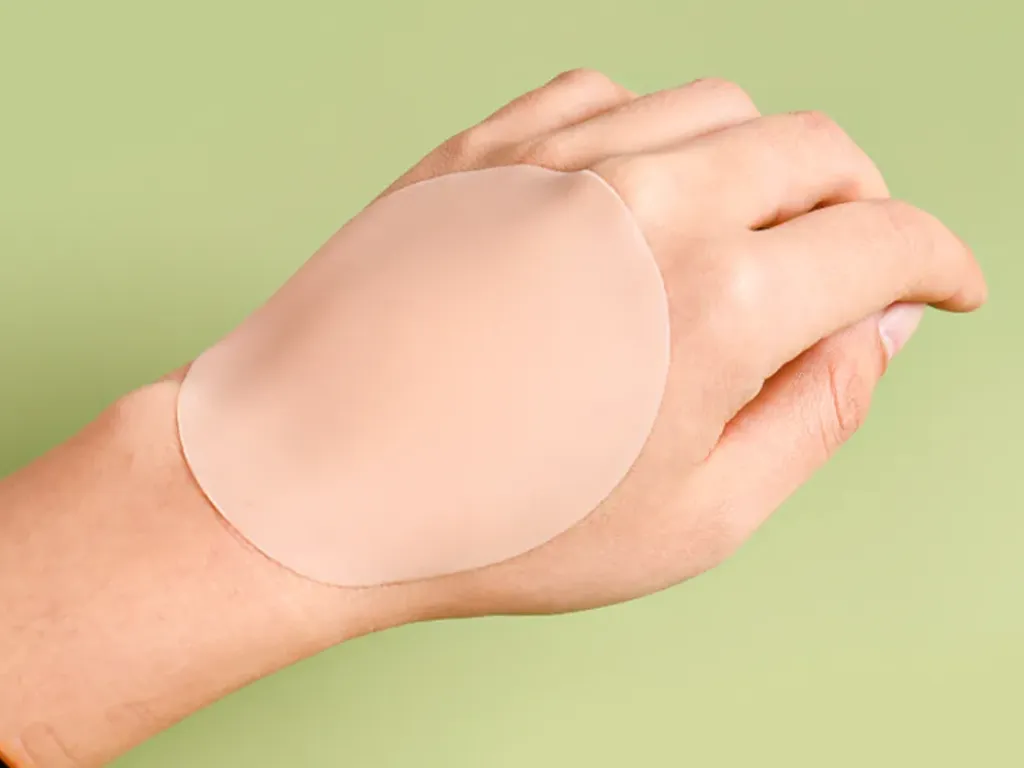
Root Causes of Adhesive Bra Irritation and Allergic Reactions
- Dermatitis Types: Irritant contact dermatitis is a non-allergic reaction caused by physical friction and trapped sweat. Allergic contact dermatitis is an immune-mediated response triggered by specific allergens.
- Chemical Triggers: Possible triggers include the adhesive formulation, chemical additives, pigments, residual substances, fricción, and individual sensitivity.
- Key Symptoms: Users typically experience redness, picor, burning, sweat-induced maceration, and physical discomfort during adhesive removal.
- High-Risk Groups: Individuals with eczema, active skin conditions, or a history of contact allergies may be more likely to experience irritation.
Practical Methods for Preventing and Managing Skin Irritation
Preventing user complaints requires a mix of sourcing high-purity materials and educating users on correct application and removal.
- Safe Wear Habits: Limit wear to short periods, avoid application on broken or sunburned skin, and peel the adhesive off slowly and gently.
- First-Aid Action: Remove the product immediately if itching, burning, hinchazón, blistering, or persistent redness develops. Seek medical advice if symptoms are severe, worsening, or do not improve.
Test Reports and Compliance Documents to Check
Biocompatibility and Chemical Safety Standards
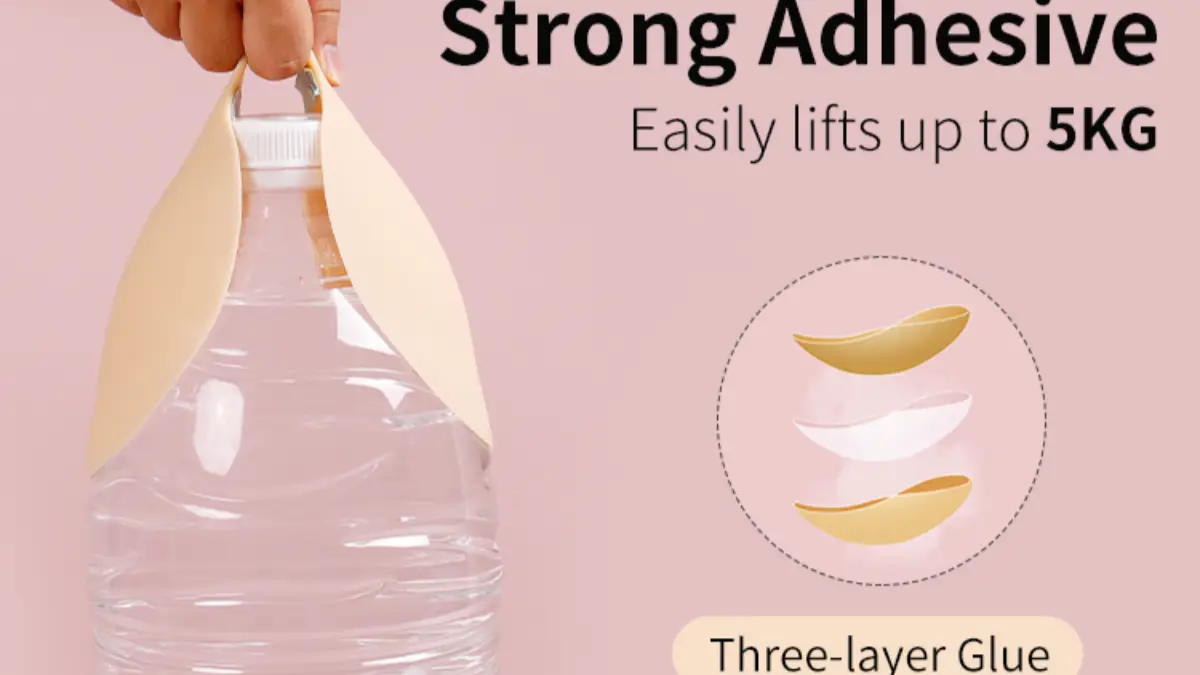
Adhesive bras seal directly against the skin, trapping heat and moisture. Buyers must verify actual biological safety standards instead of accepting generic product descriptions. Documentation should be reviewed alongside physical product testing. See how Xinke approaches silicone bra adhesion testing, including tack consistency, peel performance, and durability checks.
| Document | What It Covers | What to Check |
|---|---|---|
| Skin-Contact Test Report | Skin irritation or sensitization testing. | Confirm the test method and whether the report covers the finished product. |
| REACH Report | Restricted substances for the EU market. | Check the tested material, substance scope, and report date. |
| OEKO-TEX Certificate | Harmful-substance testing for covered textiles or products. | Verify the certificate number, validity, and covered product. |
| ISO 9001 Certificate | The factory’s quality management system. | Confirm the company, factory address, alcance, and expiration date. |
No material or test report can guarantee that every user will remain free from irritation, especially those with sensitive skin or known contact allergies.
Safe Usage & Removal Tips
Skin Preparation and Application Steps
- Patch Testing: Follow the product’s patch-test instructions before first use. People with sensitive skin should begin with a short wear period and stop use if irritation develops.
- Thorough Cleansing: Clean your chest thoroughly with mild soap and water, then dry the skin completely to prevent slippage.
- Zero Skincare Barriers: Avoid applying lotions, aceites corporales, polvos, o perfumes, as these substances degrade the adhesive backing.
- Bottom-Up Application: Apply the cups from the bottom up while leaning slightly forward, smoothing out air pockets to ensure secure contact.
- Wear Time Limits: Limit continuous wear to standard daytime events and avoid sleeping in adhesive bras to prevent sweat buildup.
Safe Removal and Adhesive Care
- Low and Slow Peel: Peel the bra slowly from the outer edge inward at a shallow angle while supporting the adjacent skin with your other hand.
- Immediate Bra Washing: Clean the bra immediately after wear by gently washing the adhesive surface with warm water and mild, fragrance-free soap.
- Air-Drying & Protección: Air-dry the bra adhesive-side up in a dust-free space, then cover it with the protective film to preserve the grip.
- No Harsh Tools: Avoid using fingernails, towels, or harsh solvents to clean either your skin or the silicone surface.
Pensamientos finales
Calidad de los materiales, rendimiento adhesivo, and clear supporting documentation all affect how safely an adhesive bra performs in real use. Rather than relying on broad claims such as “medical-grade” or “hypoallergenic,” brands should review the available test reports, confirm which materials they cover, and check that the production sample matches the approved specifications.
Before placing a bulk order, request samples to evaluate adhesion, comodidad, removal, and performance after cleaning. Contacta con nuestro equipo to review Xinke’s available material documents and discuss samples, embalaje, Cantidad mínima de pedido, and custom OEM options for your product line.