Understanding how silicone adhesive works dictates whether your skin-contact wearables scale successfully or collapse under a wave of product returns and biocompatibility failures. Brands that ignore the chemical mechanics behind polysiloxane blends risk severe epidermal reactions, triggering immediate consumer backlash and regulatory audits.
This analysis benchmarks current polymer formulations against strict ISO 10993 and USP Class VI standards. We evaluate moisture vapor transmission rates and platinum-catalyzed crosslinking mechanisms to help you source high-purity materials that guarantee atraumatic removal and long-term mechanical stability.
What Makes Premium Silicone Safe and Reliable for Invisible Lingerie?
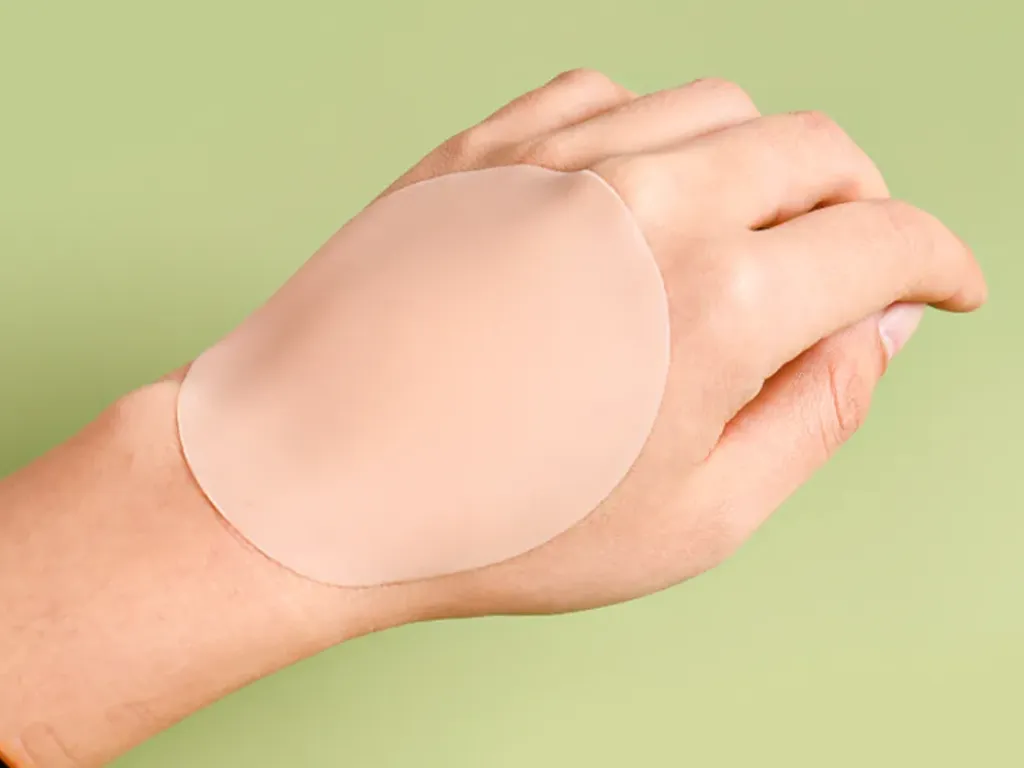
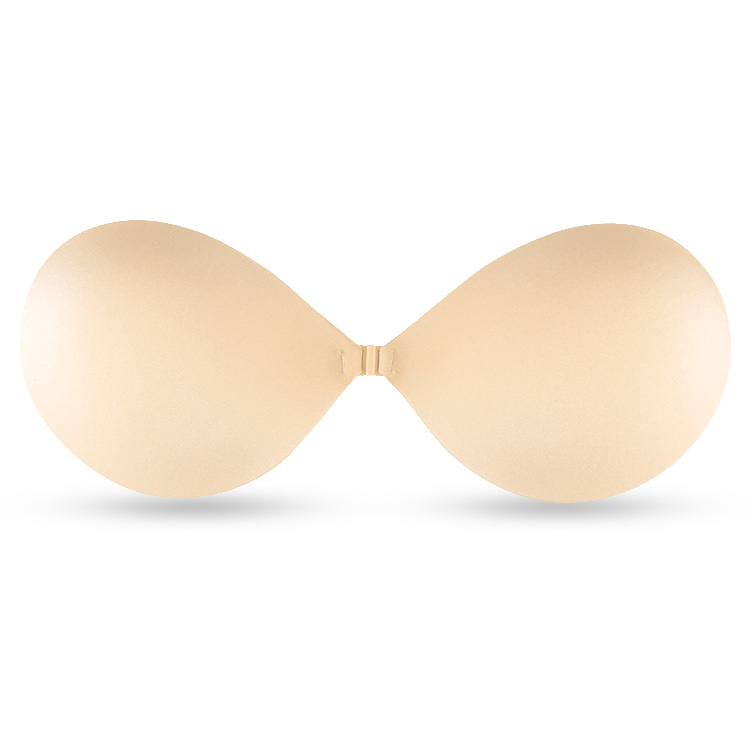
Premium invisible bras rely on physical micro-suction and high breathability to secure products without skin trauma, preventing the high return rates caused by cheap glues.
- Chemical Purity & Physical Bonding: Our factory utilizes high-molecular-weight polydimethylsiloxane (PDMS). Unlike rigid acrylic glues that aggressively tear the epidermis, these platinum-cured polymers conform to the skin’s micro-contours. They bond safely via van der Waals forces and surface wetting rather than harsh chemical reactions, meeting strict ISO 10993 biocompatibility standards.
- Sweat-Resistant Breathability (High MVTR): The microporous structure features high moisture vapor transmission rates, allowing air and sweat to pass through freely. This prevents trapped moisture and friction-based dermatitis during extended summer wear.
- 100+ Times Repositionability: The crosslinked polymer matrix retains its tackiness across multiple uses. Users can wash and reuse the bra repeatedly without losing critical bond strength or leaving sticky residues.
The Chemical Structure Behind Silicone Adhesion Performance
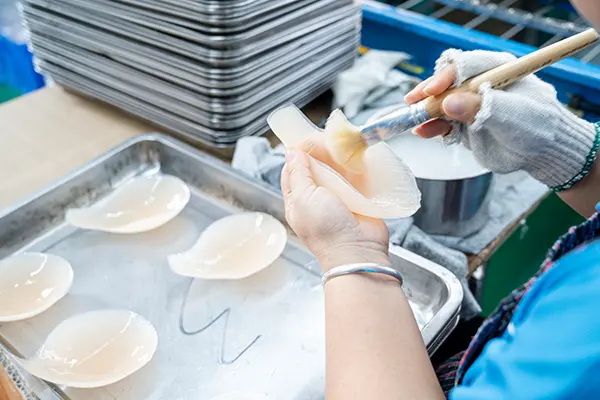
The Si-O-Si backbone and precise crosslinking mechanisms dictate how well silicone adhesives bond, extensible, and resist environmental degradation over time.
Key Components in Silicone Adhesive Formulations
A reliable silicone adhesive relies on a specific blend of polymers and reactive agents. Formulators balance these core ingredients to achieve target adhesion and mechanical properties.
- Organopolysiloxanes: These create the primary elastomeric matrix. The underlying Si-O-Si chains and organic substituents provide essential flexibility and hydrophobicity.
- Organohydrogenpolysiloxanes: Acting as crosslinkers, these require a precise 0.5:1 à 2:1 molar ratio with alkenyl groups to achieve a complete cure and robust adhesion.
- Silane Coupling Agents: These form durable chemical bonds with substrates through hydrolysis.
- Reinforcing Silica Fillers: High-surface-area silica builds hydrogen-bonded networks to boost tensile strength and tear resistance.
Crosslinking, Élasticité, and Residue Control
Platinum-catalyzed hydrosilylation drives the crosslinking process. This reaction transforms linear silicone polymers into resilient elastic networks. The distinct flexibility of polydimethylsiloxane (PDMS) chains delivers high elasticity. This low backbone mobility allows the adhesive to expand and contract under mechanical stress without suffering bond failure.
Manufacturers must enforce complete curing protocols to eliminate unreacted groups. A full cure controls residue migration, builds internal cohesive strength, and prevents unwanted extractables that compromise the interface between the adhesive and the substrate.
Why Purity Affects Long-Term Stability
Contaminants and unreacted monomers heavily disrupt curing kinetics. This interference causes inconsistent rheology and degrades adhesive performance over extended periods. High-purity polymers limit adverse silanol interactions, helping manufacturers control molecular weight and protect formulations against phase separation.
Pure methyl-terminated chains maintain the low surface energy required for excellent substrate wetting. Impurities actively raise surface tension. This spike in tension impairs bond durability when the adhesive faces physical stress or chemical exposure in the field.
Why Medical-Grade Silicone Is Used in Premium Adhesive Products
Medical-grade silicone delivers the exact balance of strong, repositionable adhesion and atraumatic removal required for premium skin-contact products.
Gentle Adhesion and Skin Compatibility
Premium adhesive products require materials that respect delicate tissue. Manufacturers choose silicone de qualité médicale because it bonds safely to the epidermis through physical adhesion rather than aggressive chemical reactions.
- Atraumatic removal: The adhesive minimizes skin damage and prevents tears on fragile skin without pulling hair during peel-off.
- Strict biocompatibility: The formulations meet USP Class VI and ISO 10993 standards, ensuring low cytotoxicity and active resistance to microbial growth.
- High permeability: The microporous structure allows water vapor and gases to pass through freely, maintaining optimal healing environments and preventing moisture buildup.
Reliability and Mechanical Performance
Beyond skin safety, silicone de qualité médicale provides structural resilience under dynamic physical conditions. The material relies on its unique Si-O-Si polymer backbone to deliver consistent, long-term wear.
- Viscoelastic properties: The material balances tackiness and cohesion to form strong bonds that recover rapidly after physical stress and movement.
- Repositionable nature: Users can remove and reapply the products multiple times without losing adhesion strength or leaving residue behind on the skin.
- Environmental durability: Silicone directly outperforms acrylic alternatives by offering high thermal stability and strong resistance to chemicals and UV exposure.
Scale Your Brand With Premium Invisible Lingerie
Can Silicone Adhesives Cause Skin Reactions?
Genuine allergic reactions to pure silicone are extremely rare because its inert polydimethylsiloxane (PDMS) base does not trigger an immune response. Plutôt, 95% of consumer complaints and “bra rashes” stem from manufacturing impurities or improper wear.
- Manufacturing Residues: Low-cost factories use cheap curing agents, volatile organic compounds (VOCs), or industrial pigments that act as aggressive chemical irritants. Switching to high-purity, platinum-cured silicone completely eliminates these volatile variables.
- Mechanical Irritation: Non-allergic dermatitis occurs when trapped sweat, huiles corporelles, or applying the bra too tightly creates intense physical friction. This breaks down the skin barrier, mimicking an allergic reaction.
Brands can eliminate these return-heavy risks by sourcing certified medical-grade silicone, utilizing breathable microporous designs, and providing clear user guides on proper skin preparation and wash care.
How Adhesion Strength Is Tested in Manufacturing
Manufacturers validate adhesion strength through rigorous peel, shear, and environmental stress tests to ensure reliable, long-term bonding and prevent cohesive failure in the field.
| Test Category | Standard / Protocol | Key Measurement |
|---|---|---|
| Peel Evaluations | ASTM C794 / ISO Equivalents | Separation force on 25 mm strips |
| Lap-Shear Testing | ISO 4587 | Shear stress and reusability metrics |
| UV Aging | ISO 4892 | Degradation over 1000–2000 hours |
| Water Immersion | ASTM C1635 | Cohesion stability post-soaking |
Peel Strength and Reusability Testing
Universal testing machines measure separation force by applying constant pull rates to 25 mm adhesive strips. Engineers look for cohesive failure in the sealant itself, rather than an adhesive failure at the substrate surface, to confirm a reliable bond. The evaluation process breaks down into several specialized testing phases.
- Peel evaluations: Operators conduct 90°, 180°, and T-peel tests to map performance under different stress angles.
- Reusability tracking: Cyclic lap-shear setups evaluate residue-free detachment and sustained bonding strength across multiple applications.
- Fatigue limits: Cyclic loads applied over 100 à 1000 hours track creep and deformation for non-structural joints.
ISO Standards and Internal QC Procedures
Standard conditioning requires samples to cure at 23°C and 50% relative humidity for up to 28 days to reach peak structural integrity. Internal Contrôle de qualité teams prepare substrates using isopropyl alcohol and specific abrasive methods before bonding test dollies. Adherence to these strict frameworks ensures consistent data collection across batches.
- Lap-shear benchmarks: Facilities test overlapping joints according to ISO 4587 guidelines.
- Aging validation: Technicians expose samples to UV aging cycles lasting up to 2000 hours per ISO 4892.
- Data replication: Operators test a minimum of five replicates to record mean strength, standard deviation, and failure mode percentages.
Environmental Factors That Affect Adhesion Performance
Real-world conditions dictate how an adhesive performs over its lifecycle. Temperature spikes and continuous UV exposure trigger creep and material relaxation in elastic sealants during long-term testing. High ambient humidity levels alter the curing timeline, making water immersion checks necessary to verify cohesion stability after prolonged soaking.
- Substrate variables: Low surface energy, residual oils, and substrate thickness directly change baseline peel resistance metrics.
- Machine controls: Consistent pull speeds on testing equipment limit data scatter.
- Primer application: Properly applied primers improve the repeatability of the adhesion measurements under varying environmental loads.
Breathability vs. Adhésion: The Engineering Balance
Engineering silicone adhesives requires a direct trade-off: maximizing moisture vapor transmission reduces shear strength, while dense cross-linking for heavy loads limits airflow.
Formulation Strategies for Moisture Control and Bond Strength
Chemists manipulate the polymer network of silicone adhesives to favor either moisture management or mechanical grip. The formulation process centers on adjusting cross-link density against material flexibility.
- Moisture control: Adding plasticizers and fillers increases microporosity and pushes elongation past 400%, which allows vapor transmission at the expense of cross-link density.
- High-strength bonds: Introducing specific additives builds chemical cross-linking that drives tensile strengths to 2.0 à 3.0 MPa, maximizing shear resistance over flexibility.
- Hybrid systems: Tuning carrier materials, such as combining breathable films with soft silicone layers, manages sweat accumulation and prevents skin irritation during extended wear.
Optimizing Materials for Specific Environmental Demands
Engineers must match the adhesive’s physical properties to the operating environment. The application dictates whether the project requires a highly porous structure or a dense, weather-resistant barrier.
- Medical wearables: High-porosity soft silicone adhesives support continuous skin respiration without triggering tissue trauma upon removal.
- Industrial components: High-strength, low-porosity formulations handle extreme demands, providing weather resistance, supporting heavy static loads, and tolerating temperatures up to 550°F.
- Dynamic stress testing: Exposing adhesives to combined mechanical stress and high humidity verifies that the elastomeric network accommodates structural movement up to ±50% without bond failure.
What Affects the Lifespan of Silicone Adhesives
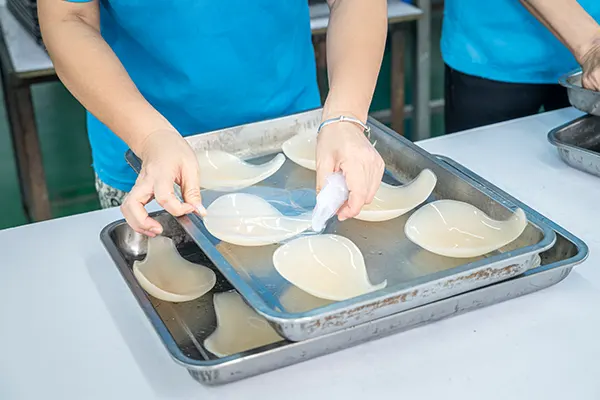
Silicone adhesives degrade through thermal aging, UV exposure, and mechanical fatigue. Storing them in airtight aluminum packaging between 5-25°C extends their shelf life up to 24 mois.
Environmental Exposure and Chemical Breakdown
Environmental forces relentlessly attack silicone polymer chains. While silicone resists weathering better than organic rubbers, specific elements actively destroy its molecular structure.
- Thermal degradation: Extreme heat hardens the material. For every 10°C you push the adhesive over its rated temperature limit, you cut its lifespan in half.
- UV and ozone exposure: Direct sunlight breaks the polymer bonds. This causes embrittlement and discoloration, slashing the adhesive’s total longevity by 30% à 50%.
- Chemical hydrolysis: Strong acids, harsh solvents, and prolonged submersion in water force moisture into the chemical bonds. This process weakens the structural integrity from the inside out.
Physical Stress and Storage Conditions
Beyond the elements, mechanical movement and poor warehouse practices kill adhesive performance before you even open the tube.
- Molecular fatigue: Repeated stretching, heavy compression, and constant friction physically tear the internal bonds. This thins the adhesive and permanently destroys its elasticity.
- Humidity extremes: Storing unopened packages in humidity above 70% triggers partial curing, turning the product into a useless gel. Inversement, dropping humidity below 30% slowly hardens the adhesive inside the casing.
- Optimal storage: To guarantee a 24-month shelf life, keep the product in airtight aluminum packaging in a climate-controlled room set between 5°C and 25°C.
Common Adhesion Problems and Their Manufacturing Causes
Adhesion defects on the production line directly trigger consumer returns. Most failures stem from process control errors rather than faulty raw materials. We mitigate these risks through strict mechanical calibration:
Contamination Control: Airborne release agents or moisture on the fabric substrates block uniform wetting. Our facility enforces strict environmental protocols and automated cleaning to eliminate these hidden variables, ensuring a flawless, long-lasting bond. Keeping surfaces pristine is the only reliable way to guarantee a strong bond.
Weak Stickiness & Edge Lifting: If silicone elastomers are over-cured before bonding, the material suffers interfacial delamination, killing long-term reusability. En plus, fluctuating adhesive viscosity creates skips and ribbing defects during coating, leading to premature edge lifting.
Residue Transfer & Stains: Unstable internal cohesive strength leaves sticky, chalky residues on the consumer’s skin. This is caused by unreacted monomers or improper primer buildup. Daily applicator maintenance and optimized nozzle temperatures prevent this degradation.
Pensées finales
Settling for cheap, unverified adhesives directly threatens your bottom line through negative reviews and high return rates. Utilizing pure, medical-grade silicone that meets strict ISO 10993 standards is the only reliable way to safeguard your brand reputation against skin irritation complaints.
Stop risking your product launches on untested materials. Partner with Xinke, a leading OEM/ODM manufacturer specializing in high-purity, skin-safe silicone lingerie. Contact Xinke today to request a premium sample batch, review our biocompatibility data, and secure factory-direct pricing for your next profitable production run.
Questions fréquemment posées
How does silicone bra adhesive work?
Silicone adhesive bras use skin-safe, medical-grade silicone on the inner cups to bond directly to your skin. The adhesive grips using micro-suction and cohesive bonding. This gives you lift and shape without traditional straps or bands. The flexible material moves with your body. You can reuse these bras multiple times if you clean them properly with warm soapy water and let them air-dry.
Is medical-grade silicone safe for skin?
Oui, medical-grade silicone is extremely safe for skin contact. It is biocompatible, non-reactive, and hypoallergenic. The material forms a breathable, non-comedogenic barrier. This locks in moisture without clogging your pores. Dermatologists and medical professionals regularly recommend it for scar therapy, wound care, and sensitive skin applications.
Why does some bra adhesive smell chemically?
The chemical odor comes from volatile by-products released while the silicone adhesive cures. Many silicone formulas rely on acetoxy-cure systems. These emit an acetic acid scent when atmospheric moisture triggers the molecular crosslinking process. The smell might be strong out of the package, but it naturally dissipates once the adhesive fully sets and cures.
How do I perform a skin patch test?
D'abord, cleanse and dry a small, sensitive area of skin, like the inside of your forearm or behind your ear. Apply a small amount of the adhesive directly to the prep site and cover it with a breathable bandage. Leave the area completely untouched and unwashed for 24 heures. Check the spot. If you notice any redness, gonflement, or itching, remove the adhesive immediately and avoid using the product.
Does silicone adhesive expire?
Silicone adhesives have a manufacturer-specified shelf life rather than a strict expiration date. Standard unopened silicone sealants typically last about one year. Adhesive-laminated silicones stay viable for 6 à 18 mois. Environmental factors dictate how long the product actually lasts. Chaleur, humidité, and air exposure accelerate degradation, which leads to premature hardening or a total loss of stickiness.
What causes adhesive bra rashes?
Rashes from adhesive bras usually stem from poor-quality adhesive formulas, humidité emprisonnée, or improper removal techniques. Low-quality bras often cut costs by mixing harsh acrylics with silicone, causing chemical irritation. Since silicone limits airflow, sweat trapped against the skin creates friction-based dermatitis. You can prevent these breakouts by choosing premium, pure silicone bras, limiting your total wear time, and peeling the bra off slowly to avoid creating micro-tears in the skin.