Many brands assume that “medical-grade” automatically means safe. In reality, the term has no universal legal definition. Safety depends on whether the silicone is free from restricted substances, properly cured, and validated through third-party testing.
This guide explains how to verify silicone for sensitive skin at the chemical and regulatory level. It outlines REACH requirements, the risks of residual D4/D5/D6, adhesive selection criteria, documentation standards, and factory quality control systems required for defensible safety claims.
What “Medical Grade” Really Means in Silicone Manufacturing
The term “medical grade” is commonly used in industry but is not a standalone regulatory classification. In practice, it usually refers to silicone materials designed to meet recognized biocomibility standards such as ISO 10993 or USP Class VI.
For consumer products, especially intimate apparel and personal care accessories, medical grade silicone safety must be evaluated under chemical regulations such as the EU’s REACH framework (EC 1907/2006 and amendments).
A product can only be considered appropriate silicone for sensitive skin if it meets both toxicological and regulatory benchmarks.
Regulatory Framework for Medical Grade Silicone Safety
Material purity alone does not define medical grade silicone safety; regulatory compliance establishes the legal and technical foundation for safe skin-contact applications.
REACH
REACH (Registration, Evaluation, Authorisation and Restriction of Chemicals) is the European Union’s primary chemical regulation. It shifts the burden of proof to manufacturers and importers, requiring them to demonstrate that substances used in products are safe.
D4, D5, D6 Silicone Restrictions
For silicone materials, the most critical compliance issue involves cyclic siloxanes—commonly referred to as D4 D5 D6 silicone compounds:
- D4 (Octamethylcyclotetrasiloxane)
- D5 (Decamethylcyclopentasiloxane)
- D6 (Dodecamethylcyclohexasiloxane)
These D4 D5 D6 silicone compounds are associated with environmental persistence and potential reproductive toxicity. Under REACH Annex XVII restrictions, their concentration is limited in many applications.
Why Low-Grade Silicone Increases Irritation Risk
Low-grade silicone isn’t just a budget choice; it’s a chemical risk. Unlike medical-grade materials, “cheap” silicone often fails to achieve full polymerization, leaving behind reactive residues that compromise skin safety.
Incomplete Polymerization
Low-cost silicone often results from shortened curing cycles or inadequate post-processing. This may leave behind:
- Residual monomers
- Unreacted siloxanes
- Volatile by-products
These low-molecular-weight compounds are small enough to penetrate the stratum corneum, especially under occlusion or heat.
For products designed for extended wear, occlusion amplifies exposure. Over time, this can trigger inflammatory responses commonly described as contact dermatitis.
Absence of Migration Testing
Raw material purity alone is not sufficient. Finished products must undergo chemical migration testing to verify that restricted substances do not leach during normal use.
For silicone for sensitive skin, migration testing should simulate:
- Prolonged skin contact
- Elevated body temperature
- Sweat exposure
Failure to conduct these tests creates compliance and liability risks.
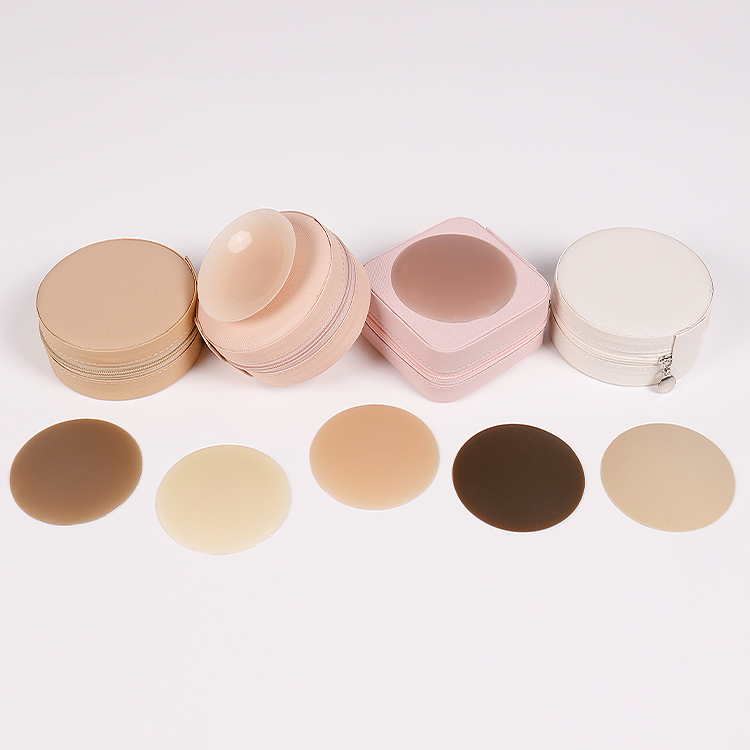
Unlock Higher Margins with Quality Nipple Covers
The Role of Wacker Glue in Sensitivity Prevention
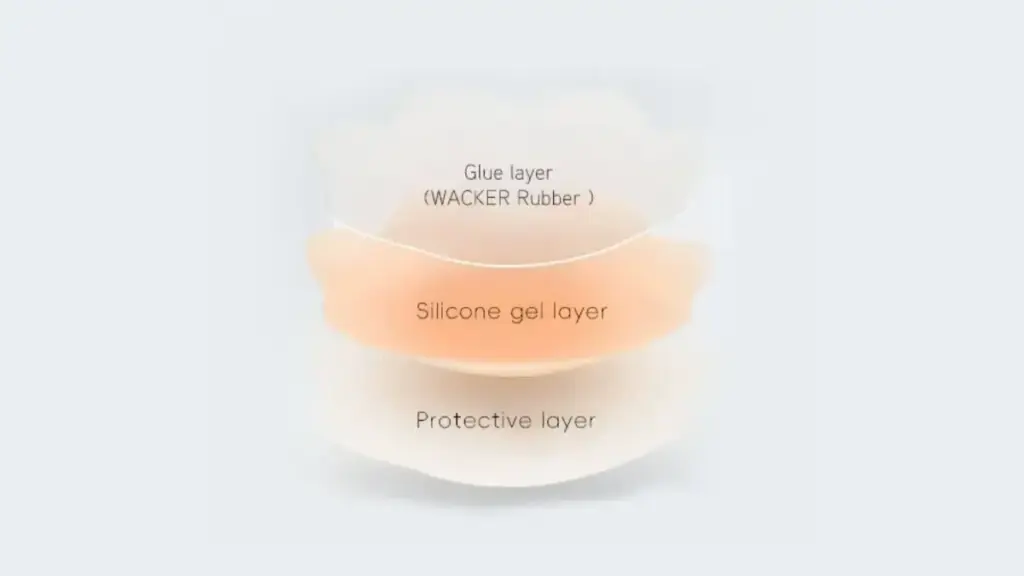
In wearable silicone products, skin reactions are more often linked to the adhesive layer than to the silicone body itself. An unstable glue can contain residual solvents or volatile compounds that increase irritation risk during long wear.
At Xinke, we use silicone adhesive systems supplied by Wacker Chemie AG because their formulations are designed for high-purity, skin-contact applications when processed correctly. These systems are engineered to control residual D4, D5, and D6 content and are compatible with REACH compliance requirements.
What does this mean in practical terms?
- Lower risk of volatile residue on the skin
- Stable bonding under heat and perspiration
- Reduced likelihood of redness or itching during removal
We validate adhesive stability through migration testing to confirm that chemical components remain within safe limits during normal use.
Breathability and Occlusion Control
Occlusion is a key factor in skin tolerance. When silicone products trap heat and moisture against the skin, the risk of maceration, redness, and discomfort increases—especially during extended wear. True hypoallergenic silicone design must balance secure hold with airflow.
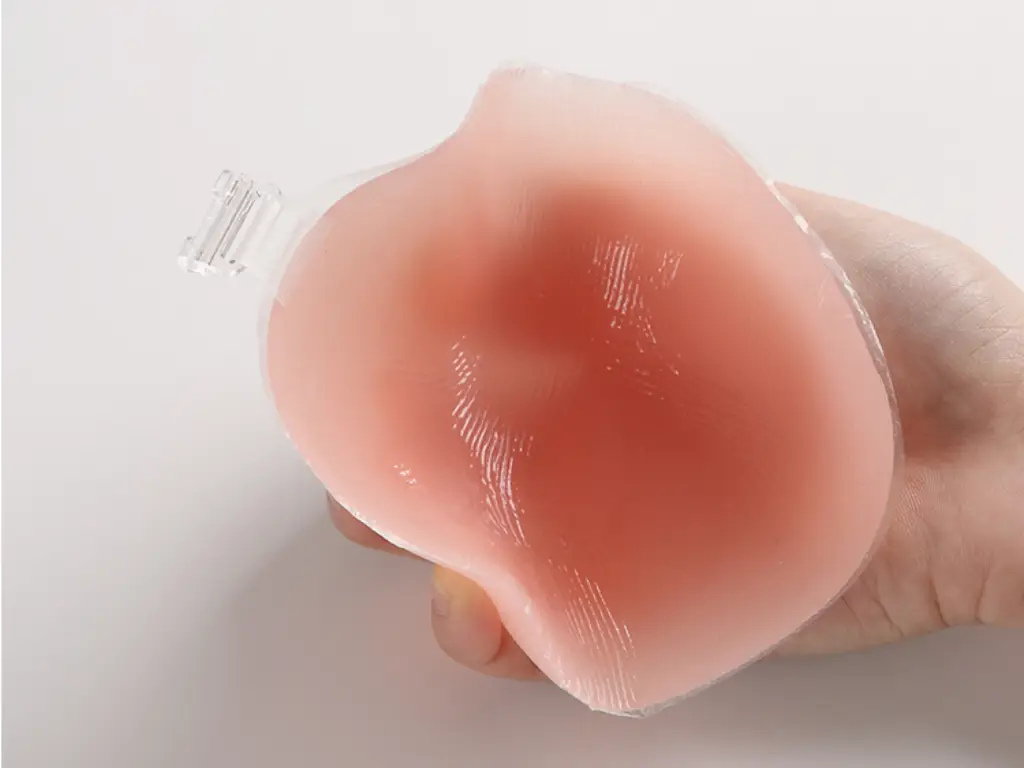
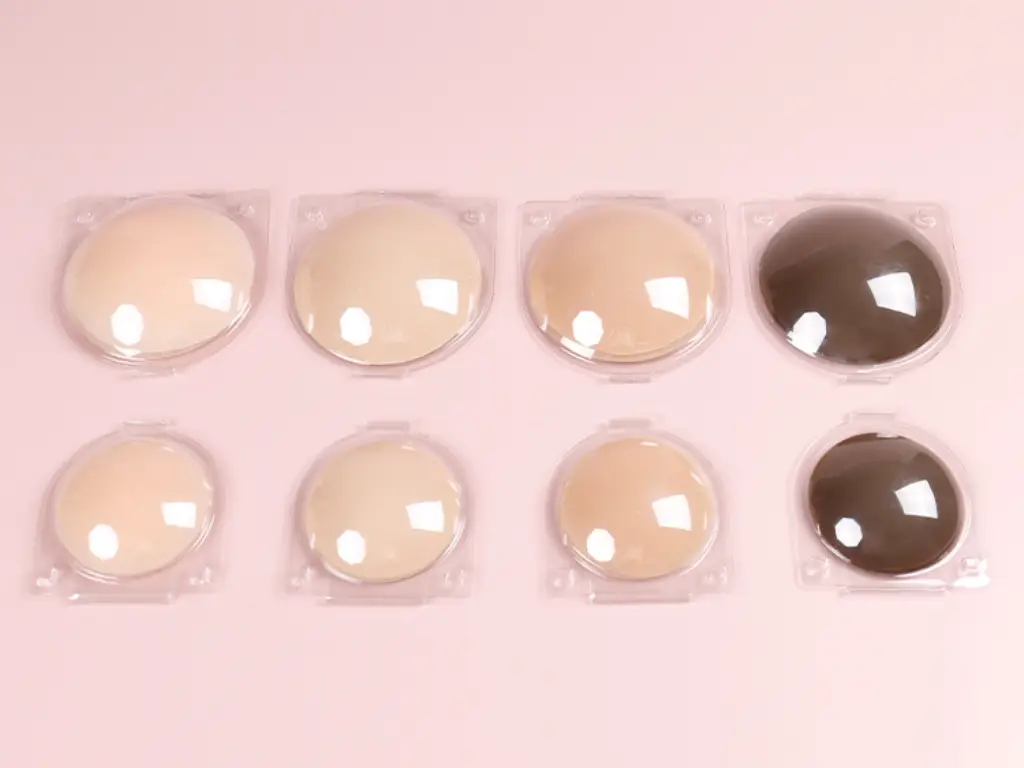
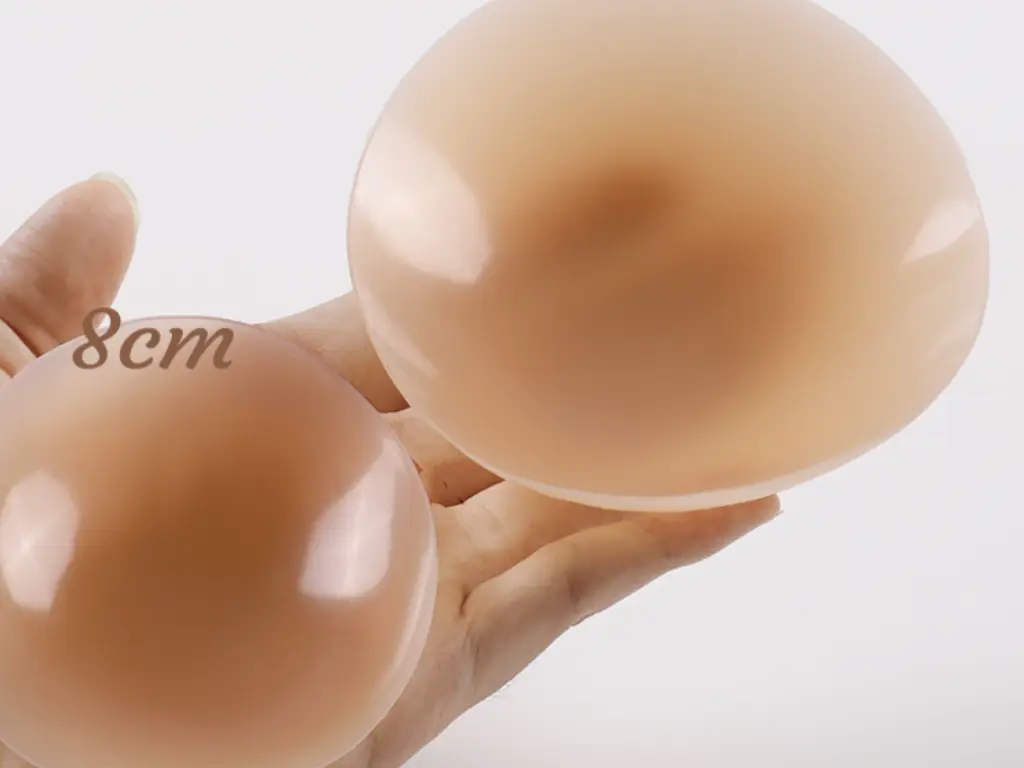
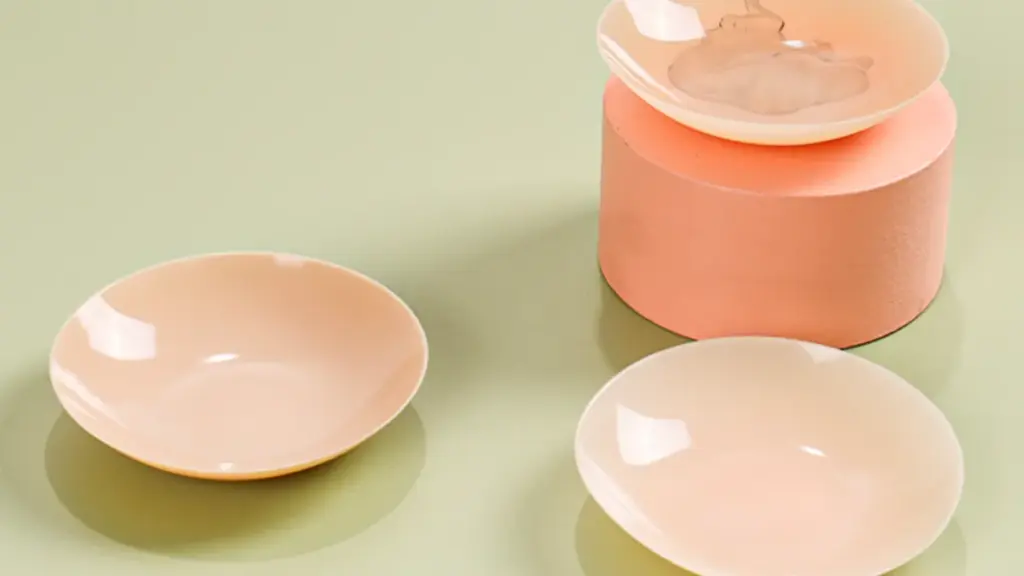
Xinke’s medical grade material nipple cover is engineered with a non-glue, true self-adhesive structure. Unlike solvent-based adhesive layers, this system relies on the inherent tack of purified silicone rather than added chemical glues. This reduces the likelihood of adhesive-related sensitivity while maintaining consistent grip.
By eliminating separate glue layers and optimizing surface structure, the product maintains adhesion while allowing better moisture control. For brands seeking silicone for sensitive skin, this balance between breathability and stability helps reduce irritation risk without compromising performance. stays secure during movement while maintaining the skin’s natural pH and moisture levels.
Documentation: What Brands Must Request
Claims such as “medical-grade” or “hypoallergenic” must be supported by technical documentation.At minimum, brands should request:
SVHC Screening Report
Confirms absence or controlled levels of restricted substances under REACH.
Chemical Migration Test Report
Demonstrates that substances do not leach under simulated use conditions.
Safety Data Sheet (SDS)
Provides chemical composition disclosure and hazard classification.
An SDS is not a certification. It is a supplier-issued disclosure document. It must be supported by independent laboratory reports.
Third-Party Testing (e.g., SGS)
Independent inspection bodies such as SGS provide laboratory validation of:
- Heavy metal content
- SVHC compliance
- Chemical migration performance
For EU market entry, documentation must align with the European Chemicals Agency (ECHA) requirements.
Without this technical file, safety claims are difficult to defend during audits or regulatory reviews.
Factory QC: Ensuring Zero Impurities in Liquid Silicone

Achieving medical grade silicone safety requires a structured QC system.
Raw Material Verification
Each incoming silicone batch should be verified through:
- Supplier SDS review
- ECHA registration confirmation
- Batch-level traceability
Materials without full documentation should not enter production.
Analytical Testing
Advanced manufacturers implement:
- GC-MS for volatile siloxane detection
- ICP-MS for heavy metal screening
- Post-curing validation testing
These methods detect residual D4/D5/D6 silicone compounds and ensure concentration levels remain within regulatory limits.
Batch Traceability and Retention
A compliant facility maintains:
- Lot traceability records
- Retention samples
- Audit-ready documentation
This protects both manufacturer and brand owner in case of regulatory inquiry or product claim disputes.
Conclusion
Medical grade silicone safety depends on documented REACH compliance, controlled D4/D5/D6 levels, stable adhesive systems, and verified migration testing. Labels alone are not enough—evidence is required.
At Xinke, we combine high-purity, non-glue self-adhesive silicone with validated testing and full compliance documentation to support reliable silicone for sensitive skin. If you need transparent technical files or product samples, contact our team to review certifications and discuss your OEM/ODM project.
Frequently Asked Questions
Is medical grade silicone automatically safe for sensitive skin?
No. Safety depends on regulatory compliance, chemical purity, and migration testing—not on the label alone.
Can nipple covers cause a rash?
Yes. Irritation can occur if silicone or adhesive contains residual chemicals such as restricted D4, D5, or D6 compounds. Products lacking REACH compliance and migration testing present a higher risk of skin reactions.
What is the difference between food-grade and medical-grade silicone?
Food-grade silicone complies with food contact rules such as EC 1935/2004. Medical-grade silicone is typically formulated for biocompatibility. Both must meet REACH chemical restrictions when sold in the EU.
Do nipple covers contain latex?
Most silicone nipple covers are latex-free. However, material composition depends on the manufacturer. Always verify the product specification sheet and safety documentation before sourcing.
How to tell if a manufacturer uses toxic glue?
Request REACH compliance documents, SVHC screening results, and migration test reports. Transparent suppliers provide full technical files covering both silicone and adhesive components.
What certifications should I look for?
Verify REACH compliance first. Additional documentation may include CE marking, RoHS compliance, and migration testing reports for skin-contact safety validation.