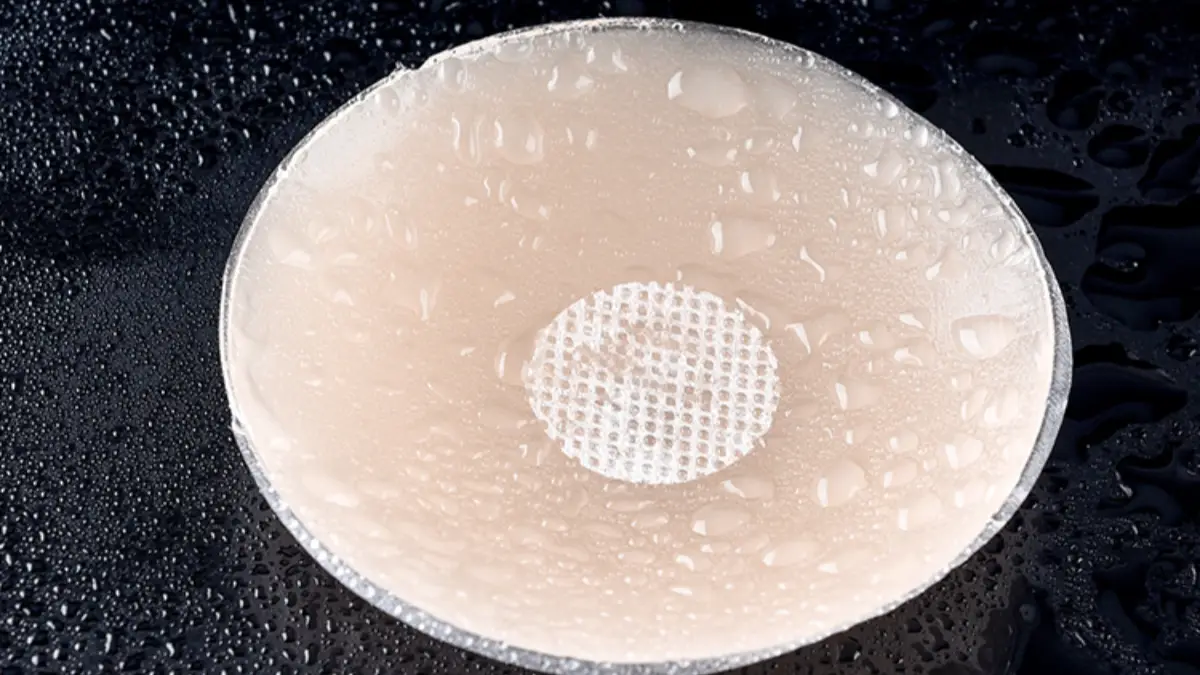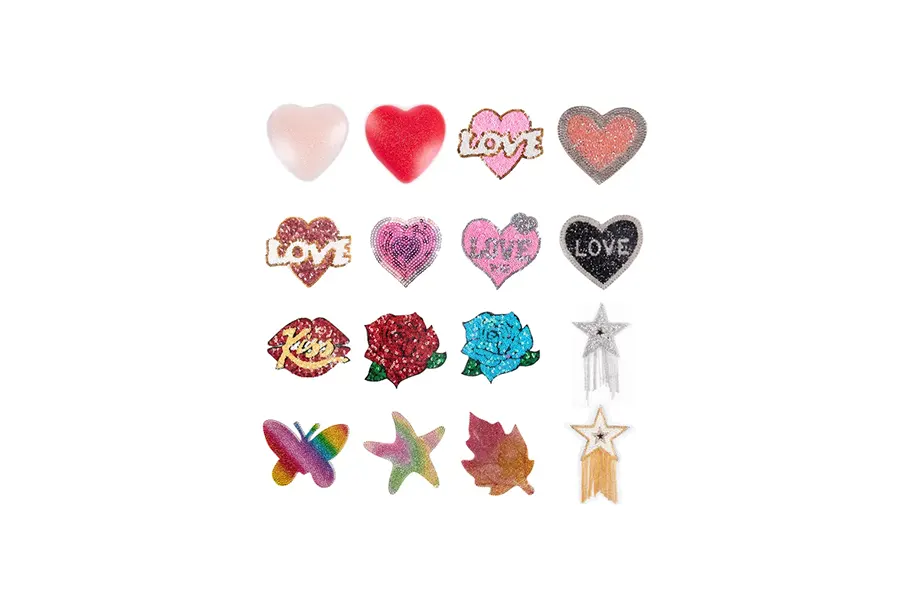
A chicken cutlet bra is a removable breast pad or insert that adds volume and lift inside a bra, bikini or sports top. The name comes from the flat, rounded shape of the pad, which resembles a breaded cutlet. Chicken cutlets are made from silicone, foam or gel, and they come in adhesive and non-adhesive versions. Unlike a built-in push-up bra, a chicken cutlet insert can be moved between garments and removed when not wanted.
This guide explains what chicken cutlet bras are, how the three main fill materials differ, when to choose an adhesive style versus a non-adhesive one, and how to care for them. Buyers and retailers will find a product comparison table and links to specific models in the bra pads category.

What a Chicken Cutlet Bra Actually Is
A chicken cutlet bra insert is a shaped pad that sits inside the cup of an existing garment. It does not have straps, a band or a closure. The pad adds volume at the bottom or side of the breast, which creates lift and cleavage without replacing the bra itself.
The term is used in two overlapping ways. Some sellers call any removable breast pad a chicken cutlet. Others reserve the name for the non-adhesive, wedge-shaped silicone pads that slip into a bra pocket. Both share the same flat, rounded outline. Different types of bras use these pads in different constructions.
Silicone Foam and Gel Inserts Compared
The fill material determines weight, drape, warmth and how the pad behaves under fabric. Three materials dominate the market.

Silicone Chicken Cutlets
Solid silicone pads have the closest feel and drape to natural breast tissue. They are heavier than foam and warm to body temperature within minutes. The Push Up Silicone Chicken Cutlet Bra is made from silicone and is washable and reusable. Silicone pads hold their shape across a wide temperature range and do not absorb water, which makes them suitable for swimwear.
Foam and Sponge Inserts
Foam or sponge pads are lighter and less expensive than solid silicone. They compress under clothing and provide a softer, less defined lift. The Breathable Adhesive Sponge Bra Pad uses perforated latex foam with ventilation holes to reduce heat buildup. Foam pads absorb water and take longer to dry, so they are less suited to swimwear.
Gel-Filled Pads
Gel inserts have a silicone or fabric shell filled with a softer gel compound. They sit between solid silicone and foam in weight and drape. The gel layer distributes pressure more evenly than solid silicone. Gel pads are less common in the chicken cutlet format and appear more often in built-in push-up bras. Types of bra inserts covers the full material range.
Adhesive and Non-Adhesive Styles Explained
The second decision is how the pad stays in place. Adhesive and non-adhesive chicken cutlets solve different problems.

Non-Adhesive Inserts
Non-adhesive chicken cutlets sit loose inside the bra cup and stay in place by friction and the garment structure. They are the simplest option: no skin contact with adhesive, no residue, and they can be moved between bras in seconds. The Classic Silicone Bra Pad is a non-adhesive model designed for standard bra cups. Non-adhesive pads require a structured garment; they will not stay up in a flimsy or unlined top on their own.
Adhesive and Double-Sided Styles
Adhesive chicken cutlets have a pressure-sensitive coating on one or both sides. Single-sided adhesive pads stick to the skin and tuck into the garment edge. The Triangle Shape Sponge Adhesive Bra Pad and the Heart Shape Sponge Adhesive Bra Pad both use a skin-safe adhesive on one side. Double-sided adhesive pads stick to the skin on one face and to the garment on the other, which prevents slipping in plunge necklines. The Double Side Adhesive Bra Padded is a double-sided model.
Adhesive styles work with strapless and backless garments where a non-adhesive pad would slide. They require clean, dry skin and are not recommended for sensitive skin or during pregnancy. The science of silicone adhesion explains how the coating bonds and what breaks the hold.
Positioning determines whether the result looks natural or obvious. The pad goes in the lower or outer part of the cup, not directly under the nipple. Place the widest part of the pad at the bottom of the breast and taper it toward the center for cleavage, or toward the side for a fuller profile.
For non-adhesive pads, slide the insert into the bra cup before putting the bra on, then adjust the garment over it. For adhesive pads, apply to clean, dry skin without lotion or oil, press firmly for a few seconds, then position the garment over the pad. Remove adhesive pads slowly with warm water to release the bond. Never pull them off dry.
Chicken Cutlet Bra Product Comparison
The table below compares specific models available from Xinke. All fields are drawn from the product pages on this site. Sizes, MOQ and customization options vary by model; confirm with supplier for current specifications.
| Product | Fill material | Attachment | Best for | Notable limits |
|---|---|---|---|---|
| Push Up Silicone Chicken Cutlet Bra | Silicone | Non-adhesive | Structured bras, swimwear | Heavier than foam |
| Classic Silicone Bra Pad | Silicone | Non-adhesive | Daily bras with pockets | Needs structured garment |
| Triangle Shape Sponge Adhesive Bra Pad | Foam sponge | Single-sided adhesive | Lightweight natural lift | Adhesive wears over time |
| Heart Shape Sponge Adhesive Bra Pad | Foam sponge | Single-sided adhesive | Bottom-heavy push-up | Thicker profile |
| Breathable Adhesive Sponge Bra Pad | Natural latex foam | Single-sided adhesive | Warm or humid climates | Contains latex |
| Double Side Adhesive Bra Padded | Silicone | Double-sided adhesive | Strapless and backless tops | Skin contact both sides |
Common Problems and Safety Notes
Slipping is the most frequent complaint. Non-adhesive pads slide in unlined or loose garments because nothing holds them. Adhesive pads lose grip when the skin is oily or sweaty, or when the coating has accumulated lint between wears. Applying an adhesive pad to clean, dry skin and storing it with the protective film between uses prevents both problems.
Visible outlines under thin fabric usually mean the pad edge is too thick for the garment. Tapered-edge models reduce this. If the outline still shows, switch to a thinner foam pad or a garment with more structure.
Skin irritation from adhesives is uncommon but possible. Mayo Clinic notes that contact dermatitis can result from repeated exposure to irritants. If redness or itching appears, stop using the adhesive style and switch to a non-adhesive pad. The adhesive bra category lists models with different coating types.
Caring for Chicken Cutlet Bra Inserts
Silicone and gel pads are waterproof and can be hand-washed with mild soap and lukewarm water. Rinse thoroughly and air dry away from direct sunlight and heat sources. Do not machine wash or tumble dry any pad type. Foam and latex pads absorb water and take longer to dry, so wash them less frequently and let them dry completely before storing.
Adhesive pads need the coating preserved. After washing, place the pad adhesive-side up on a clean surface and let it air dry without touching the coating. Once dry, press the protective plastic film back on and store flat. The washing guide for stick-on bras covers the full procedure.
Reusable lifespan depends on the model and care. Xinke’s guidance on how many times a silicone bra can be reused puts stick-on bras at roughly 15 to 30 wears. Replace a pad when the adhesive no longer bonds after cleaning, when the surface cracks or peels, or when the shape no longer holds.
Final Thoughts
Chicken cutlet bras are a simple, effective way to add volume and lift without replacing the garment. The main decision is fill material: silicone for the most natural feel, foam for lightweight comfort, gel for pressure distribution. The second decision is attachment: non-adhesive for structured bras, adhesive for strapless and backless outfits. Both decisions affect care requirements and reusable lifespan. For wholesale buyers, the bra pads category lists available models with customization options.

Frequently Asked Questions
Can chicken cutlet bras be worn without a bra?
Non-adhesive chicken cutlets need a garment to hold them in place, so they cannot be worn without a bra or top. Adhesive styles stick to the skin and can be worn under strapless or backless garments, but they still need the garment edge to cover and secure them.
Are chicken cutlet bras safe for sensitive skin?
Non-adhesive pads avoid skin contact with adhesives entirely. The adhesive coating on sticky styles can irritate sensitive or thin skin. Some product pages on this site list sensitive skin as a contraindication. If irritation occurs, switch to a non-adhesive model.
How many times can you reuse chicken cutlet bra inserts?
Silicone pads last longer than foam because they do not compress or absorb water. Adhesive pads typically last 15 to 30 wears depending on care and skin type. Non-adhesive silicone pads can last longer if the shape holds and the surface is intact.
What is the difference between chicken cutlets and nipple covers?
Chicken cutlets are shaped pads that add volume and lift inside a bra cup. Nipple covers are small, flat pasties that conceal the nipple without adding volume. They serve different purposes and are not interchangeable.
Can you swim in chicken cutlet bra inserts?
Silicone pads are waterproof and work well in swimwear. Foam and latex pads absorb water, become heavier and take longer to dry. Adhesive pads lose grip in chlorinated or salt water, so they are not recommended for swimming.